To be honest, the china solar panel industry is just… different now. It feels like yesterday we were all scrambling for polysilicon, and now everyone’s talking about N-type, HJT, even perovskites. Feels like a new acronym pops up every week. You spend a year on construction sites, dodging cables and dust, and then you hear about lab efficiencies reaching 30%… it’s a different world. But back on the ground, it's still about getting the panels installed safely and reliably.
Have you noticed how many smaller manufacturers are popping up? They promise the moon, cheaper prices, faster delivery… and then you get out to the site and the frames are already slightly bent, the junction boxes are cracked. It's always something. Anyway, I think the biggest shift is the focus on bifacial panels. Makes sense, right? More power from the same footprint. But it’s not as simple as just flipping a panel over. You need the right racking system, the right ground albedo… all sorts of things.
It's a far cry from the days of just slapping monocrystalline panels on a roof and calling it a day. The entire supply chain is changing, getting more complex. And with all the geopolitical stuff going on… well, that adds another layer of headaches.
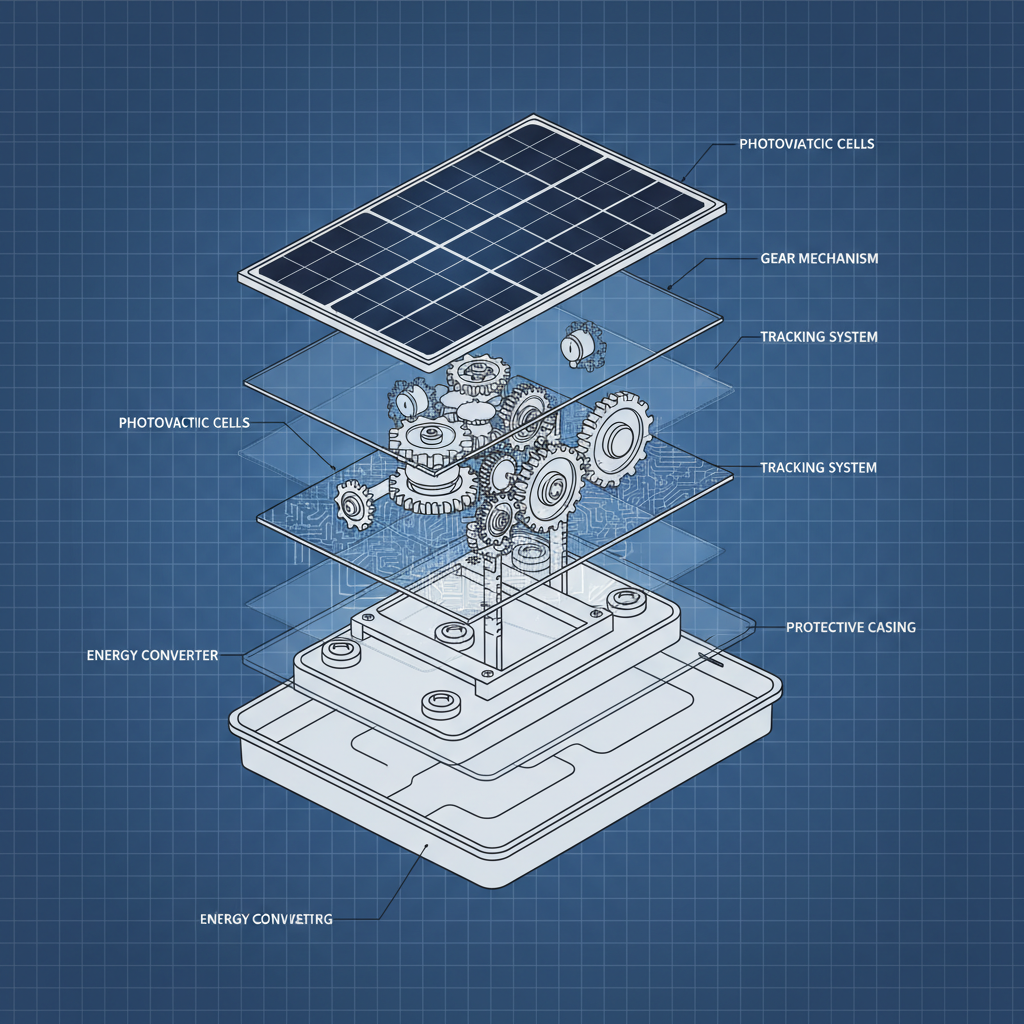
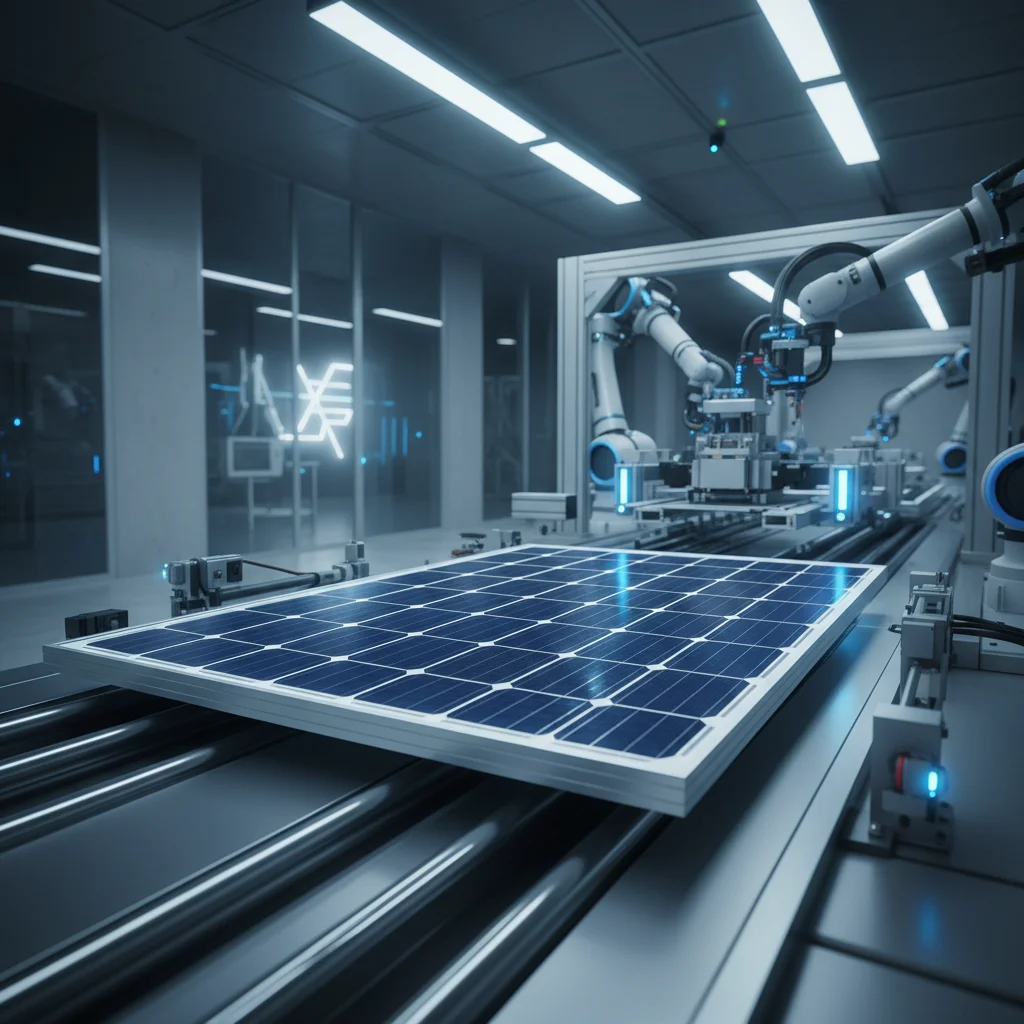
Strangely enough, the pace of innovation in china solar panel industry is exhausting. It's not just about higher efficiency anymore. It's about reducing LCOE – Levelized Cost of Energy – and that means looking at everything from manufacturing processes to materials sourcing and installation techniques. I encountered this at a factory in Jiangsu last time, they were trying to automate the cell stringing process. Total chaos, robots bumping into each other, cells getting damaged… they hadn’t quite worked out the kinks.
And the competition is fierce. Every manufacturer is trying to undercut the others, which often leads to compromises on quality. You have to be really careful about where you source your panels from. It’s not just about price; it's about long-term reliability. Because replacing a faulty panel on a large-scale installation… well, that's a nightmare.
One thing I've noticed is a lot of designers don’t seem to fully understand the realities of on-site installation. They’ll spec panels with incredibly tight tolerances, but they forget that you’re dealing with uneven surfaces, wind loads, and human error. You need some wiggle room. Also, the junction boxes… they’re always the weak point. Cheap plastic, poorly sealed… they crack easily. And then you’ve got water ingress, corrosion, and a whole host of other problems.
Another common mistake is underestimating the importance of thermal management. Panels get hot in the sun, and if you don't provide adequate ventilation, their efficiency drops. Simple things, like leaving enough space between the panel and the roof, can make a huge difference.
And don’t even get me started on cable management. It’s always a mess. Cables dangling everywhere, tripping hazards… it’s a disaster waiting to happen.
The glass… that’s key. You want tempered glass, obviously, but the quality varies wildly. The good stuff feels solid, heavy, like it can withstand a hailstorm. The cheap stuff feels… flimsy. You can tell just by tapping on it. And the backsheet! Don't underestimate the backsheet. I've seen backsheets delaminate in as little as two years, letting moisture in and ruining the cells.
EVA film – that’s what holds everything together. It’s a bit like a sticky, clear plastic. You can smell it a mile away. The quality of the EVA determines how well the panel will resist moisture and UV degradation. It’s easy to cut corners on EVA, but it's a false economy.
And the aluminum frames, they've gotten lighter and lighter, which is good for installation, but sometimes at the expense of durability. I saw a shipment from one supplier that was so thin, you could bend it with your hands. Anyway, I think material quality is where you really see the differences between the good manufacturers and the bad ones.
Forget the lab tests. They’re useful, sure, but they don’t tell the whole story. I want to see how a panel performs after five years of exposure to the elements. I want to know how it handles extreme temperatures, high humidity, and heavy snowfall. We do our own testing on-site, which is often more brutal than anything you’d find in a lab.
We’ll intentionally scratch the glass, expose the panels to salt spray, and even drop weights on them to simulate hail damage. It’s not pretty, but it gives us a good idea of how they’ll hold up in the real world.
Here’s where things get interesting. You think people are going to follow the installation instructions to the letter? Nope. They’re going to do what’s fastest and easiest. They’ll strip wires, skip grounding steps, and overtighten screws. It's just human nature.
That’s why you need panels that are forgiving, that can tolerate a bit of abuse. And it's why training is so important. But even with training, you're going to have mistakes. You just have to minimize them.
Bifacial panels, as I mentioned earlier, are great for maximizing energy yield. But they’re also more expensive and require more careful installation. You need a reflective surface underneath them to really get the benefit. And N-type panels, they offer higher efficiency, but the manufacturing process is more complex and the long-term reliability is still unproven.
Customization? Absolutely. We had a customer last year who needed panels with a specific frame color to match his building’s design. It was a pain to arrange, involved a special order and a longer lead time, but we made it happen. It wasn't cheap, but he was willing to pay for it.
Last month, that small boss in Shenzhen who makes smart home devices insisted on changing the interface to . He said it was more “future-proof.” He wanted to use our panels for a portable solar generator. I tried to tell him that MC4 connectors are the industry standard, that everyone knows how to work with them, and that switching to would just create problems. But he wouldn’t listen. He wanted “innovation.”
The result? He spent a week troubleshooting connection issues, had to redesign his entire enclosure, and ended up adding a bunch of extra components. In the end, it cost him more time and money than it would have saved.
It taught me a valuable lesson: sometimes, sticking with what works is the best option. Don’t chase shiny objects just for the sake of it.
| Panel Type | Efficiency (%) | Cost ($/Watt) | Long-Term Reliability (1-10) |
|---|---|---|---|
| Monocrystalline | 20-22 | 0.30-0.40 | 8 |
| Polycrystalline | 18-20 | 0.25-0.35 | 7 |
| Bifacial | 20-24 | 0.35-0.50 | 7.5 |
| HJT (Heterojunction) | 22-25 | 0.40-0.60 | 6.5 |
| TOPCon | 23-26 | 0.38-0.55 | 7 |
| Perovskite | 25+ | 0.50+ | 5 |
Honestly? Getting the mounting right. You need to ensure there’s adequate airflow underneath, a highly reflective surface, and enough clearance from the roof. It's way more involved than just slapping on a traditional panel. And if the customer wants to paint the roof white to increase reflectivity, you gotta warn them that the paint could degrade over time and reduce the benefit. It’s a whole thing.
First, visual inspection. Look for cracks, blemishes, or any damage to the glass or frame. Then, check the junction boxes – make sure they're securely attached and properly sealed. Finally, do a quick IV curve test with a multimeter to verify the output voltage and current. It’s not a comprehensive test, but it’ll give you a decent indication of whether there are any major issues.
Cleaning. Seriously. Dust, dirt, bird droppings… they all reduce efficiency. Most people don’t think about it, but regular cleaning can significantly boost performance, especially in dusty environments. And don’t use abrasive cleaners! You'll scratch the glass.
Absolutely not. There’s a huge variation in quality. Cheap connectors will corrode quickly, leading to resistance and power loss. Invest in good quality MC4 connectors from a reputable manufacturer. It’s a small cost that can save you a lot of headaches down the road.
Hot spots are usually caused by shading or cell mismatch. The best solution is to remove the source of the shading. If that’s not possible, you can try using bypass diodes to redirect the current around the affected cells. But honestly, it's often easier to just replace the panel.
The practicalities of cable routing. They spec these beautiful designs with perfectly straight lines, but then you get on-site and realize there's no way to run the cables without creating a tripping hazard or violating code. You need to think about access for maintenance, potential damage from rodents, and the overall aesthetics of the installation.
Ultimately, the china solar panel industry is evolving at a breakneck pace, with new technologies and materials emerging constantly. But at the end of the day, it's still about getting panels installed safely, reliably, and cost-effectively. It’s about understanding the practical realities of on-site installation, not just the theoretical benefits of lab tests.
And frankly, whether this thing works or not, the worker will know the moment he tightens the screw. That’s what matters. If the panel feels solid, the connections are secure, and the system is well-designed, then you’ve got a good installation. If not… well, you’re going to have problems. Check out shaobosolar.com to learn more.
Hit enter to search or ESC to close
If you are interested in our products, you can choose to leave your information here, and we will be in touch with you shortly.