The global transition toward sustainable energy has accelerated the demand for efficient, mid-range power solutions, making the 370w solar panel a pivotal component in both residential and small-scale commercial installations. By balancing physical footprint with energy output, these panels provide a versatile entry point for users looking to reduce their carbon footprint without requiring massive industrial infrastructure.
Understanding the technical specifications and deployment strategies of a 370w solar panel is essential for maximizing Return on Investment (ROI). As energy costs fluctuate and climate goals become more stringent, selecting a panel with this specific wattage often represents the "sweet spot" for efficiency, ease of installation, and cost-effectiveness.
Whether you are designing a remote off-grid cabin or augmenting an urban rooftop system, the 370w solar panel offers a reliable synergy of Monocrystalline technology and durable framing. This guide explores the intricate details of its operation, global applications, and the long-term value it brings to the modern energy landscape.
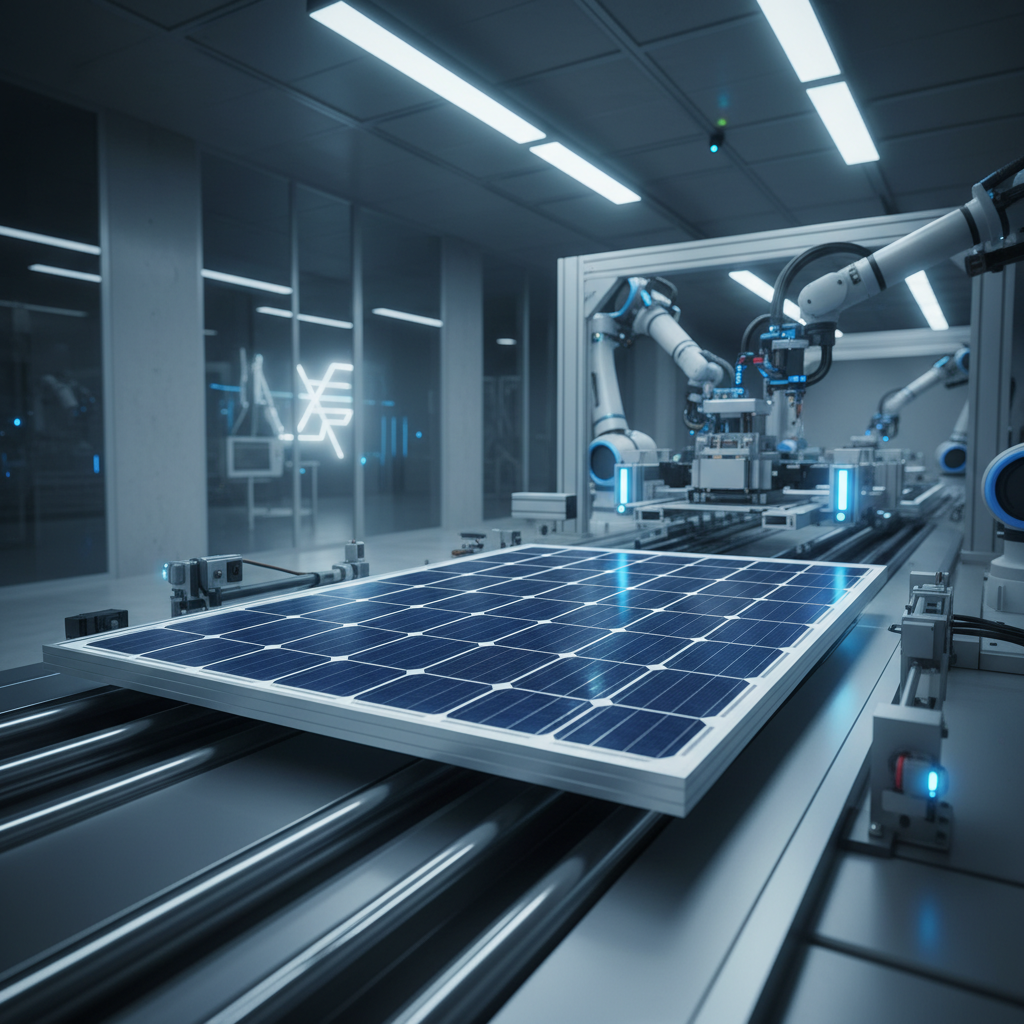
Global Relevance of the 370w Solar Panel
On a global scale, the adoption of the 370w solar panel aligns with the International Energy Agency's (IEA) push for decentralized power generation. As emerging economies in Southeast Asia and Africa seek to electrify remote regions, the 370w threshold provides enough power to run basic household appliances and lighting without the prohibitive cost of ultra-high-wattage industrial arrays.
Furthermore, the standardization of this wattage allows for easier logistics and compatibility with a wide range of inverters and mounting systems. By lowering the barrier to entry for renewable energy, the 370w solar panel helps cities meet ISO 14001 environmental management standards, reducing urban reliance on fossil-fuel-based grids.
Defining the 370w Solar Panel and Its Core Meaning
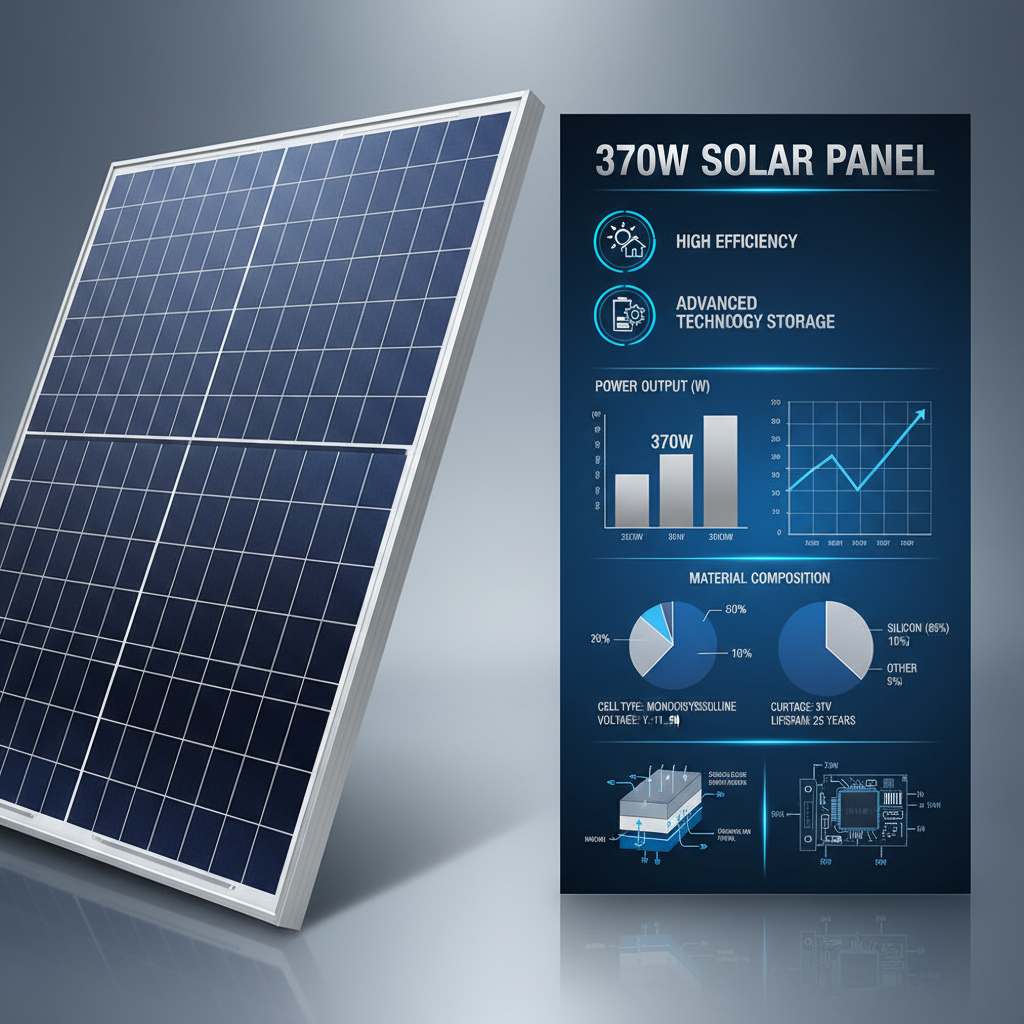
A 370w solar panel is a photovoltaic (PV) module designed to convert sunlight into approximately 370 watts of direct current (DC) electricity under Standard Test Conditions (STC). Usually utilizing Monocrystalline silicon cells, these panels are characterized by their high purity and efficiency, allowing them to generate more power per square meter compared to their polycrystalline counterparts.
Beyond the technical numbers, this specific wattage represents a bridge between small-scale portable power and full-scale residential utility. It is the "workhorse" of the modern solar industry, providing a scalable unit of measurement that allows engineers to calculate exactly how many modules are needed to satisfy a specific kilowatt-hour (kWh) daily requirement.
In the context of humanitarian needs, the 370w solar panel is often the primary choice for mobile clinics and emergency shelters. Its ability to provide a stable power source for medical refrigeration and communication devices makes it more than just a product; it is a tool for resilience in disaster-prone areas.
Key Technical Factors for Performance Optimization
Durability is a cornerstone of the 370w solar panel's value proposition. Most high-quality modules feature tempered glass and anodized aluminum frames, ensuring they can withstand heavy snow loads and high wind pressures. This structural integrity ensures that the energy output remains consistent over a typical 25-year lifespan.
Conversion efficiency is where the 370w solar panel truly shines. By utilizing PERC (Passivated Emitter and Rear Cell) technology, these panels can capture more light and reduce electron recombination. This means that even on cloudy days, the panel continues to produce usable energy, maximizing the utility of limited roof space.
Scalability and cost-efficiency are the final critical factors. Because the 370w solar panel is produced in such high volumes, the cost per watt is significantly lower than that of niche, high-efficiency experimental panels. This allows users to expand their systems incrementally, adding panels as their energy needs grow without needing to replace the entire inverter system.
Global Applications and Practical Use Cases
In residential sectors, the 370w solar panel is frequently used to create "Net Zero" homes. In Europe, particularly in Germany and the Netherlands, homeowners utilize arrays of these panels to offset the cost of heating and electric vehicle charging, utilizing the panel's consistent output to maintain battery storage levels throughout the winter.
In remote industrial zones, such as mining sites in Australia or agricultural hubs in Brazil, these panels power critical telemetry and irrigation systems. By deploying a cluster of 370w solar panels, companies can eliminate the need for expensive diesel generators, reducing both operational costs and the risk of fuel spills in sensitive ecosystems.
Performance Comparison of 370w Solar Panel Configurations
Tangible Advantages and Long-Term Value
The primary advantage of integrating a 370w solar panel is the immediate reduction in operational expenses. By generating power on-site, users are insulated from the volatility of the global energy market. Logically, the low maintenance requirement—essentially just occasional cleaning—ensures that the system remains a profit-center rather than a liability.
Emotionally, the shift to solar energy provides a sense of independence and dignity, especially in underserved communities. The reliability of a 370w solar panel ensures that critical services, such as refrigeration for vaccines or lighting for education, are never interrupted, fostering trust in green technology and inspiring local innovation.
Future Trends in Solar Cell Innovation
Looking forward, the 370w solar panel is evolving through the integration of N-type TOPCon and HJT (Heterojunction) technologies. These innovations aim to further reduce degradation rates, meaning the panels will maintain a higher percentage of their original 370w output even after two decades of exposure to harsh UV rays.
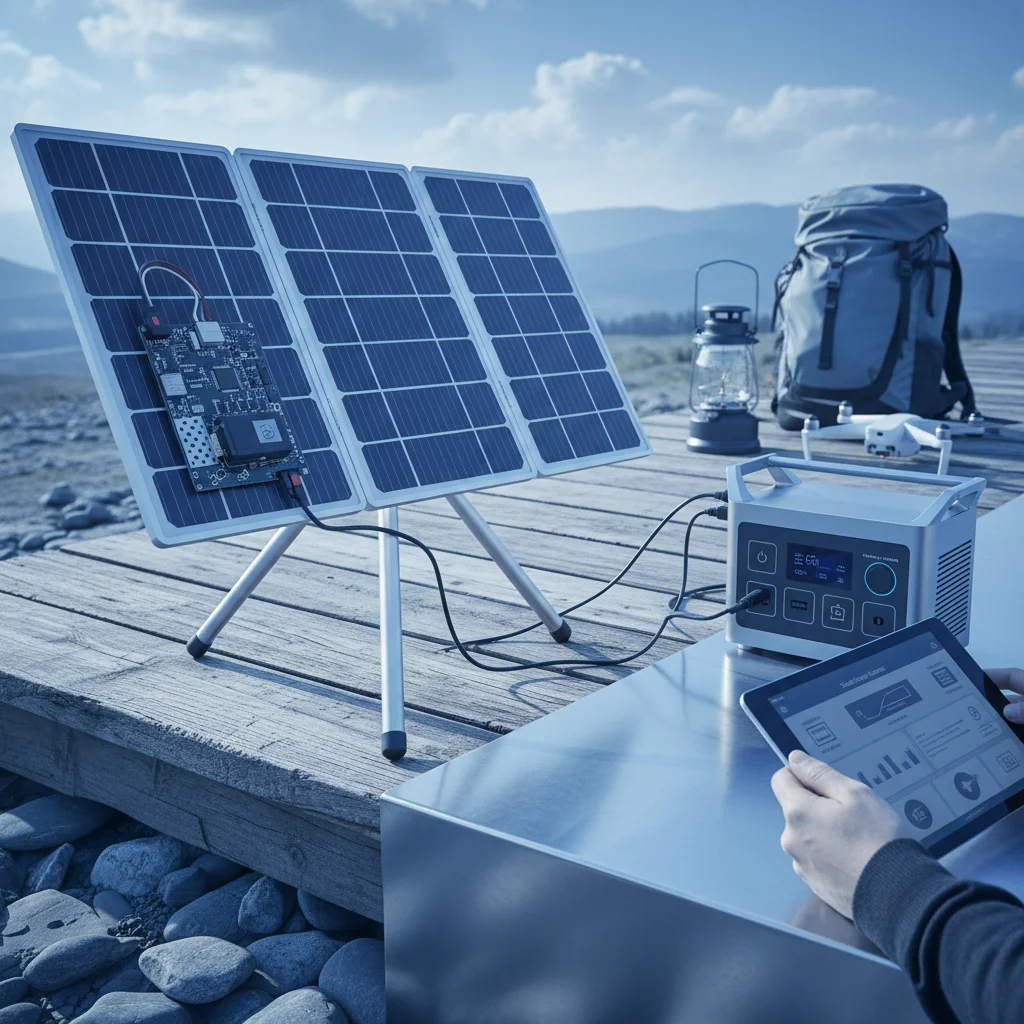
Digital transformation is also playing a role, with "smart" 370w solar panels incorporating integrated micro-inverters and IoT sensors. This allows owners to monitor the performance of every single module in real-time via a smartphone app, pinpointing failures instantly and optimizing the angle of the panels based on seasonal solar trajectories.
Furthermore, the industry is moving toward a circular economy. Future iterations of the 370w solar panel will likely feature recyclable composite materials, reducing the environmental impact of decommissioning old arrays and ensuring that the "green" energy source is sustainable from production to disposal.
Common Challenges and Expert Solutions
Despite its benefits, the 370w solar panel can face efficiency drops due to "shading" or dust accumulation. When a small portion of the panel is covered, it can create a bottleneck for the entire string of panels. To solve this, experts recommend the use of half-cut cell technology, which splits the panel into two independent sections, allowing the unshaded half to continue producing power.
Another common challenge is the "Heat Coefficient," where extreme temperatures actually reduce the panel's efficiency. To combat this, professional installers employ advanced mounting systems that allow for airflow beneath the 370w solar panel, keeping the cells cool and maintaining the rated wattage even in desert environments.
Lastly, integrating solar into existing old-grid infrastructures can be complex. The solution lies in hybrid inverter systems that can seamlessly manage the DC output from 370w solar panels while balancing the AC load from the grid, ensuring stability and preventing power surges.
Comparative Analysis of 370w Solar Panel Deployment Strategies
| Deployment Scenario |
Installation Complexity |
Energy ROI Score (1-10) |
Recommended Mounting |
| Urban Rooftop |
Moderate |
8 |
Flush Rail System |
| Off-Grid Cabin |
Low |
10 |
Adjustable Tilt Stand |
| Agricultural Array |
High |
7 |
Ground Screw Piles |
| Mobile Clinic |
Moderate |
9 |
Portable Brackets |
| Industrial Warehouse |
High |
8 |
Ballasted Mounts |
| Remote Telemetry |
Low |
9 |
Pole Mount |
FAQS
The number of panels depends on your monthly kWh usage. For an average home consuming 900kWh per month, you would typically need around 20 to 25 370w solar panels, assuming an average of 4-5 peak sun hours per day. It is recommended to consult a professional to account for local weather and roof orientation.
Not necessarily. While higher wattage panels produce more power, 370w panels are often more cost-effective per watt and fit better in restricted spaces. They provide a balanced performance profile that is often more compatible with existing mid-range residential inverters, making the total system cost lower.
Yes, but efficiency decreases. Monocrystalline 370w solar panels can still capture diffused light during overcast days. Using PERC technology helps maintain a higher output in low-light conditions compared to older panel technologies, though you will not reach the full 370w rating without direct sunlight.
Most high-quality 370w solar panels are warrantied for 25 years. While they don't "stop working" after 25 years, their efficiency slowly degrades—usually by about 0.5% to 0.7% per year. Even after two decades, a quality panel will still produce about 80-85% of its original rated power.
Regular cleaning is the most effective maintenance. Removing dust, bird droppings, and leaves with water and a soft brush can increase energy yield by 5-15%. Additionally, checking the wiring and inverter connections once a year ensures the system is operating at peak efficiency.
The panels produce DC power, which can be stored in any compatible battery bank (Lead-Acid, AGM, or Lithium-ion). However, for a 370w solar panel system, Lithium LiFePO4 batteries are highly recommended due to their deeper discharge cycles and longer lifespan, ensuring maximum energy retention.
Conclusion
The 370w solar panel stands as a cornerstone of the modern energy transition, offering a perfect equilibrium between high-efficiency output and practical affordability. By integrating Monocrystalline technology with robust structural design, it addresses the diverse needs of homeowners, remote industrial operators, and humanitarian organizations alike, proving that sustainable energy is both accessible and reliable.
As we move toward a future defined by smart grids and circular economies, the 370w solar panel will continue to evolve, incorporating new materials and digital monitoring to further enhance its ROI. For those seeking to secure their energy independence and contribute to a greener planet, investing in proven, scalable solar solutions is the most logical step forward. Visit our website for more professional solar solutions: www.shaobosolar.com