Solar panel companies are at the forefront of a global energy revolution, transforming how we generate and consume power. These businesses, ranging from innovative startups to established multinational corporations, are dedicated to the design, manufacture, installation, and maintenance of photovoltaic (PV) systems. The growth of these companies is inextricably linked to the increasing demand for sustainable energy sources and the urgent need to mitigate climate change. Their work is crucial to creating a cleaner, more resilient, and equitable energy future for all.
The importance of solar panel companies extends far beyond simply providing an alternative to fossil fuels. They stimulate economic growth by creating jobs in manufacturing, installation, research, and development. According to the International Renewable Energy Agency (IRENA), the renewable energy sector, with solar playing a significant role, employed 13.7 million people worldwide in 2022. These companies also foster energy independence, reducing reliance on volatile global energy markets and empowering communities to generate their own power.
Understanding the dynamics of solar panel companies – their technological advancements, business models, and market challenges – is paramount for investors, policymakers, and consumers alike. This knowledge is key to accelerating the adoption of solar energy and realizing its full potential in addressing the world’s energy needs and environmental concerns. The ongoing innovation within these companies is constantly driving down costs and improving efficiency, making solar energy an increasingly competitive and accessible option.
The Global Significance of Solar Panel Companies
Solar panel companies are not merely businesses; they are essential players in the global fight against climate change and the transition to a sustainable energy future. The United Nations Sustainable Development Goal 7 – Affordable and Clean Energy – is directly supported by the proliferation of these companies and the increased adoption of solar power. With global energy demand continually rising, and traditional energy sources carrying significant environmental costs, solar energy represents a vital alternative.
The rapid growth of the solar industry is evidenced by the continuous decline in solar panel prices over the past decade. This trend, driven by technological advancements and economies of scale facilitated by solar panel companies, has made solar energy increasingly competitive with fossil fuels. Consequently, investment in solar projects has soared, with billions of dollars flowing into research, development, and deployment worldwide.
Defining Solar Panel Companies
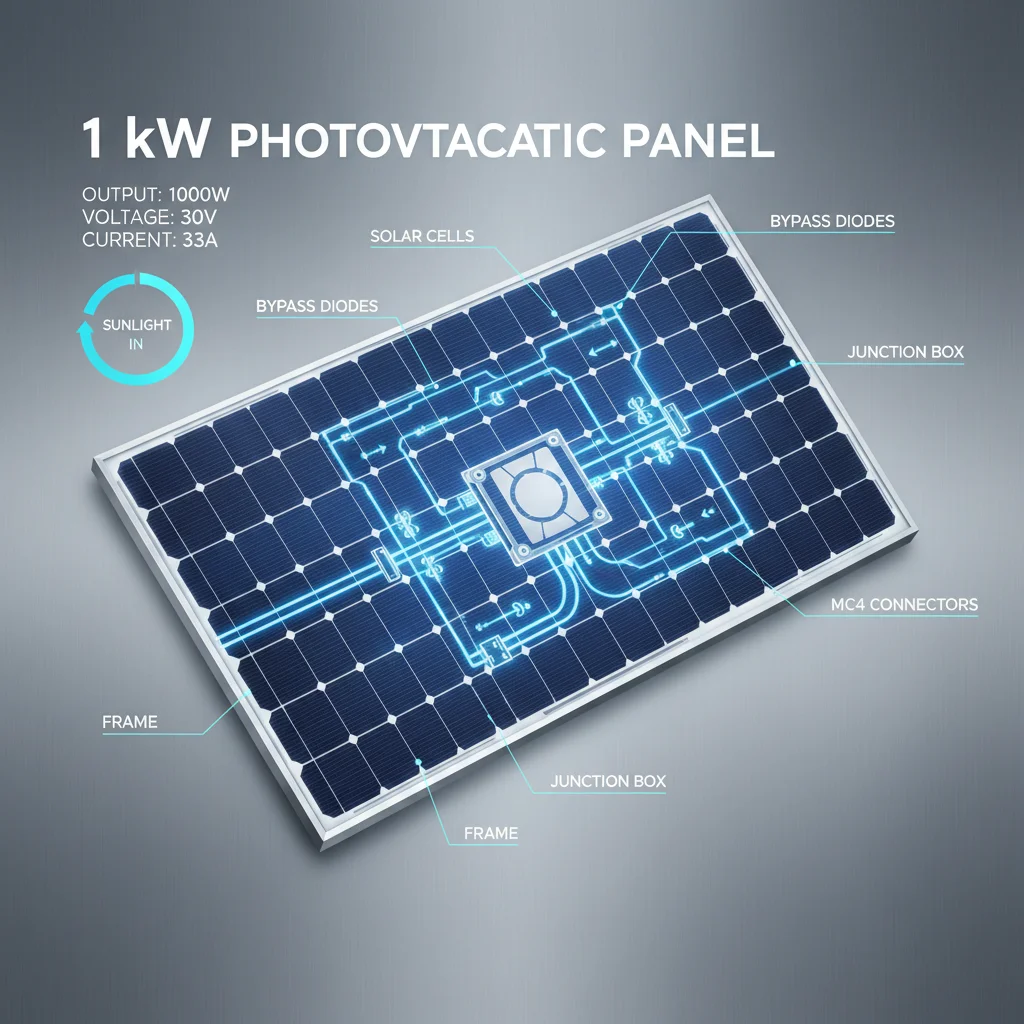
Solar panel companies encompass a diverse range of businesses involved in the entire lifecycle of solar energy systems. This includes companies that research and develop new solar technologies, manufacture solar cells and modules, distribute and install solar systems for residential, commercial, and utility-scale applications, and provide ongoing maintenance and monitoring services.
These companies operate within a complex ecosystem, collaborating with suppliers, installers, financiers, and policymakers. They are integral to converting sunlight into electricity, and they're vital components of modern, sustainable infrastructure. The success of these companies depends on their ability to innovate, reduce costs, and deliver reliable, efficient solar solutions.
The connection to modern industry and humanitarian needs is also clear. Solar panel companies provide power to remote communities, support disaster relief efforts, and enable businesses to reduce their carbon footprint, aligning perfectly with the principles of sustainable development.
Core Aspects of Leading Solar Panel Companies
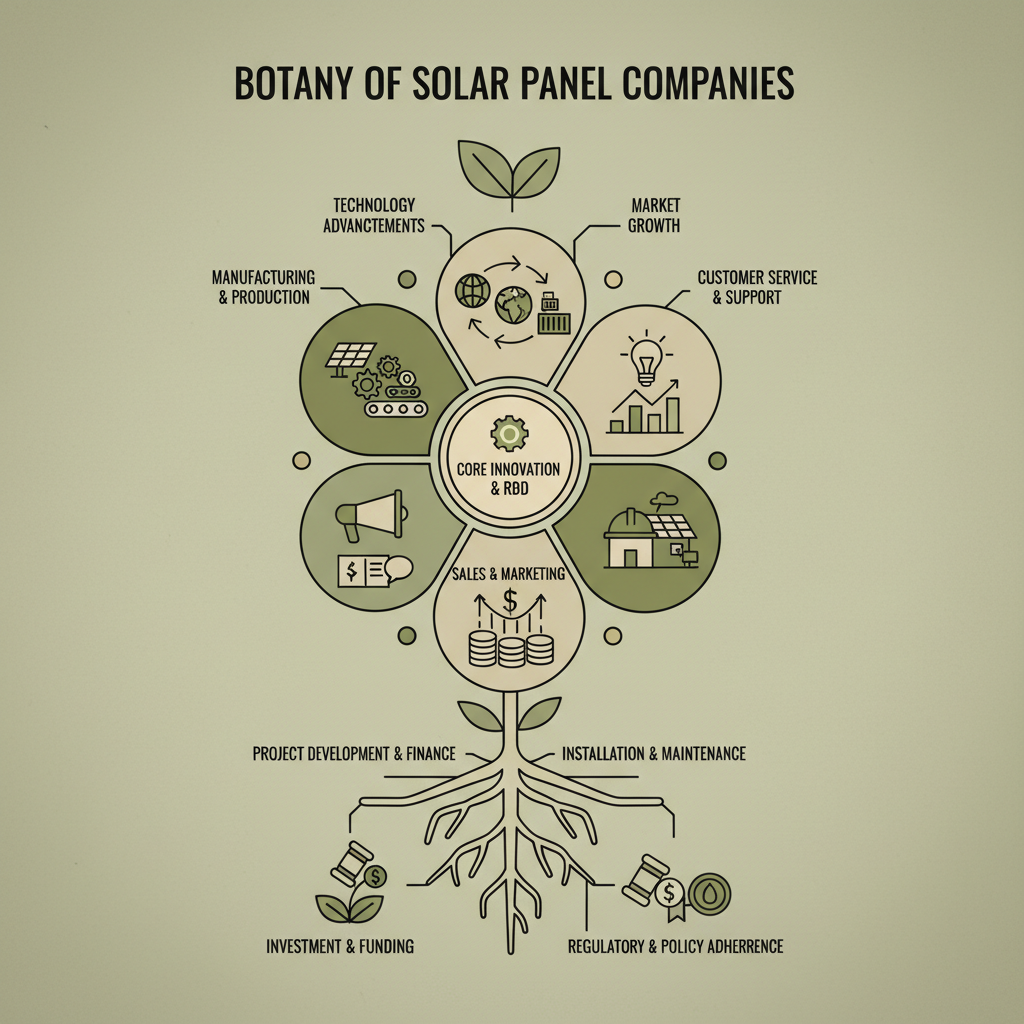
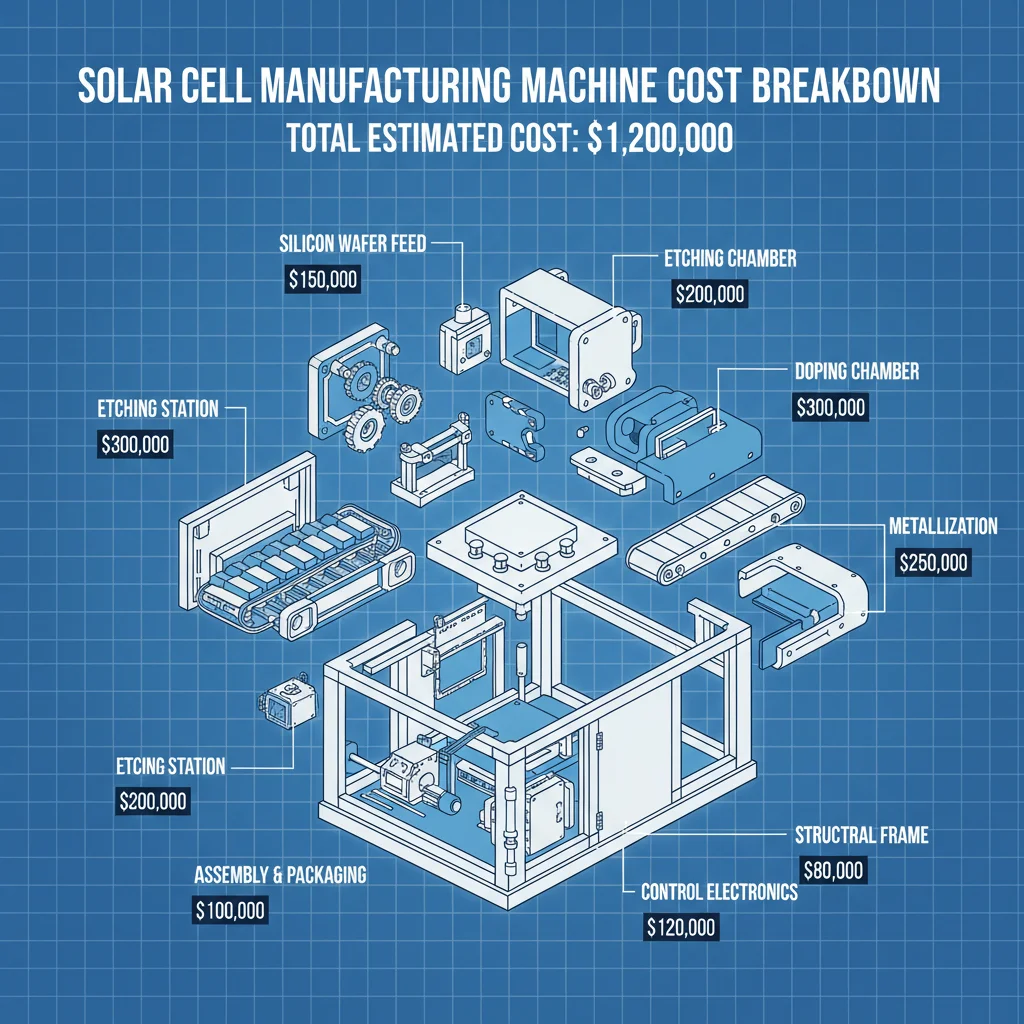
Several core aspects distinguish leading solar panel companies from their competitors. Firstly, **Technological Innovation** is paramount. Companies investing heavily in research and development, such as those exploring perovskite solar cells or bifacial modules, gain a competitive edge. Secondly, **Manufacturing Efficiency** impacts cost and scalability. Automated production lines and streamlined supply chains are crucial.
Thirdly, **Product Durability & Warranty** are essential for customer trust and long-term performance. Companies offering robust warranties and demonstrating proven reliability establish themselves as industry leaders. Fourthly, **System Integration Capabilities** are critical. Offering complete solutions, including inverters, mounting systems, and energy storage, streamlines the process for customers. Finally, **Financial Stability & Access to Capital** enables companies to invest in growth and navigate market fluctuations.
These aspects are not isolated; they are interconnected and mutually reinforcing. For example, technological innovation often leads to improved manufacturing efficiency, which in turn reduces costs and enhances product durability. Solar panel companies that excel in all these areas are best positioned to succeed in the increasingly competitive global market. These factors dictate practical applications by dictating price, suitability to different climates, and ease of installation.
A further crucial element is **Customer Service and Support**. Providing excellent pre- and post-sales support, including system design assistance, installation guidance, and ongoing maintenance services, builds customer loyalty and drives repeat business. Ultimately, a comprehensive approach encompassing all these factors is what separates the industry leaders from the rest.
Global Applications and Use Cases
The applications of solar panel companies' products are remarkably diverse. In residential settings, rooftop solar systems are becoming increasingly common, empowering homeowners to generate their own electricity and reduce their energy bills. Commercially, businesses are leveraging solar power to lower operating costs, demonstrate environmental responsibility, and enhance their brand image.
Utility-scale solar farms, often spanning vast areas of land, are contributing significantly to national energy grids, providing clean and reliable power to millions of homes and businesses. These large-scale projects are particularly prevalent in regions with abundant sunshine, such as the southwestern United States, Australia, and the Middle East.
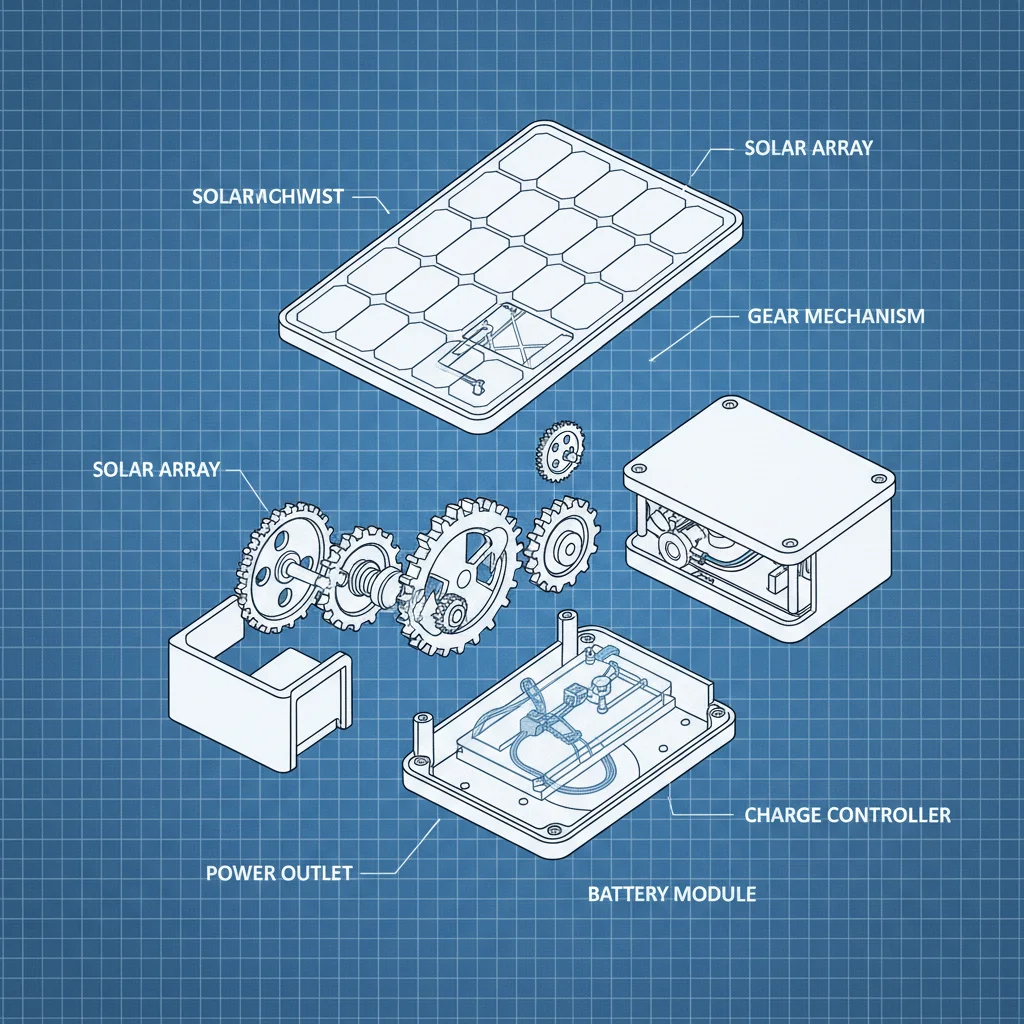
Beyond these mainstream applications, solar panel companies are playing a crucial role in providing power to remote and off-grid communities. In post-disaster relief operations, portable solar generators are providing essential power for communication, medical facilities, and emergency shelters. In remote industrial zones, solar power is enabling economic development and improving the quality of life for local populations.
Solar Panel Companies: Efficiency by Method
Advantages and Long-Term Value
The advantages of embracing solar energy solutions offered by these companies are multifaceted. Firstly, **Cost Savings** are significant. While the initial investment can be substantial, solar panels generate free electricity for decades, reducing or eliminating monthly utility bills. Secondly, **Environmental Sustainability** is a key benefit, drastically reducing carbon emissions and mitigating climate change.
Furthermore, **Energy Independence** empowers individuals and communities to control their energy supply, reducing vulnerability to price fluctuations and geopolitical instability. In terms of **Reliability**, modern solar panels are incredibly durable and require minimal maintenance. They contribute to long-term energy security and foster innovation.
Future Trends and Innovations
The future of solar panel companies is brimming with exciting possibilities. Advancements in **Perovskite Solar Cells** promise to significantly increase efficiency and lower costs. **Bifacial Solar Panels**, capable of generating electricity from both sides, are gaining traction. **Integrated Energy Storage Solutions**, combining solar with battery technology, are becoming increasingly popular.
Digital transformation is also playing a crucial role, with **AI-powered monitoring systems** optimizing performance and predicting maintenance needs. The integration of **blockchain technology** is enhancing transparency and traceability in the solar supply chain. These innovations, coupled with supportive government policies and growing public awareness, are poised to accelerate the adoption of solar energy worldwide.
Challenges and Solutions in the Solar Panel Industry
Despite the immense potential, solar panel companies face several challenges. **Intermittency** – the fluctuating nature of sunlight – requires effective energy storage solutions. **Supply Chain Disruptions** can impact manufacturing and raise costs. **Grid Integration** issues can hinder the seamless integration of solar power into existing electricity grids.
However, innovative solutions are emerging to address these challenges. **Advanced Battery Technologies** are improving energy storage capacity and reducing costs. **Diversifying Supply Chains** and investing in domestic manufacturing are enhancing resilience. **Smart Grid Technologies** are enabling more efficient grid management and improving the integration of renewable energy sources.
Solar panel companies are also actively engaging with policymakers to advocate for supportive regulations and incentives that promote the growth of the solar industry.
Summary of Key Challenges and Solutions within the Solar Panel Industry
| Challenge | Impact | Potential Solution | Implementation Difficulty (1-10) |
|---|
| Intermittency of Solar Resource | Unreliable power supply, grid instability | Energy Storage (Batteries, pumped hydro) | 7 |
| High Initial Investment Cost | Barriers to adoption, particularly for low-income households | Government Incentives (tax credits, rebates), financing options | 5 |
| Supply Chain Vulnerabilities | Component shortages, price volatility | Diversification of suppliers, domestic manufacturing | 8 |
| Grid Integration Challenges | Transmission congestion, grid instability | Smart grid technologies, grid modernization | 6 |
| Environmental Concerns (Manufacturing) | Waste generation, resource depletion | Sustainable manufacturing practices, recycling programs | 4 |
| Regulatory Hurdles & Permitting | Slow project timelines, increased costs | Streamlined permitting processes, supportive policies | 7 |
FAQS
Most solar panels offered by reputable solar panel companies come with a 25-30 year performance warranty, guaranteeing at least 80-85% of their initial power output. However, many panels continue to generate electricity well beyond this timeframe, often for 40-50 years, albeit at a slightly reduced efficiency. Degradation is a natural process, but high-quality panels from established companies are designed for long-term reliability. Proper installation and maintenance also contribute to maximizing lifespan.
Most solar panel companies offer comprehensive maintenance packages, including regular inspections, cleaning, and performance monitoring. These services can detect and address potential issues before they escalate into major problems. In the event of a repair, companies typically have teams of qualified technicians who can diagnose and fix issues quickly and efficiently. Many also offer remote monitoring services to proactively identify and resolve problems.
Several factors influence the cost, including the size of the system (based on your energy needs), the type of solar panels chosen (monocrystalline, polycrystalline, etc.), the complexity of the installation, and any additional components like battery storage. Geographic location and local permitting fees also play a role. Reputable solar panel companies will provide transparent and detailed quotes outlining all costs involved. Government incentives and rebates can significantly reduce the overall cost.
The manufacturing of solar panels does have an environmental footprint, involving the use of energy and materials. However, this impact is significantly less than that of fossil fuel-based energy production. Solar panel companies are increasingly adopting sustainable manufacturing practices, such as using recycled materials, reducing energy consumption, and implementing responsible waste management programs. They are also investing in research and development of more eco-friendly manufacturing processes.
Yes, in many regions, net metering programs allow you to sell excess electricity generated by your solar panels back to the grid. This can offset your electricity bills and even earn you credits. The specific policies and rates vary depending on your location and utility provider. Solar panel companies can help you understand the net metering policies in your area and determine the potential financial benefits.
When selecting a solar panel company, consider factors like their experience, reputation, certifications, warranty offerings, and customer reviews. Ensure they are licensed and insured. Obtain multiple quotes and compare them carefully. Look for a company that provides a comprehensive solution, including system design, installation, and ongoing support. A commitment to quality, transparency, and customer satisfaction is crucial.
Conclusion
Solar panel companies are fundamentally reshaping the energy landscape, offering a clean, sustainable, and increasingly affordable alternative to fossil fuels. Their continued innovation in technology, manufacturing, and business models is driving down costs and expanding access to solar energy for individuals, businesses, and communities worldwide. The benefits extend far beyond environmental sustainability, encompassing economic growth, energy independence, and enhanced reliability.
Looking ahead, the role of these companies will only become more critical as the world transitions towards a decarbonized future. Investing in solar energy is not only a smart financial decision but also a responsible step towards a healthier planet. We encourage you to explore the possibilities of solar power and consider partnering with a leading solar panel company like Shaobo Solar to unlock the power of the sun.