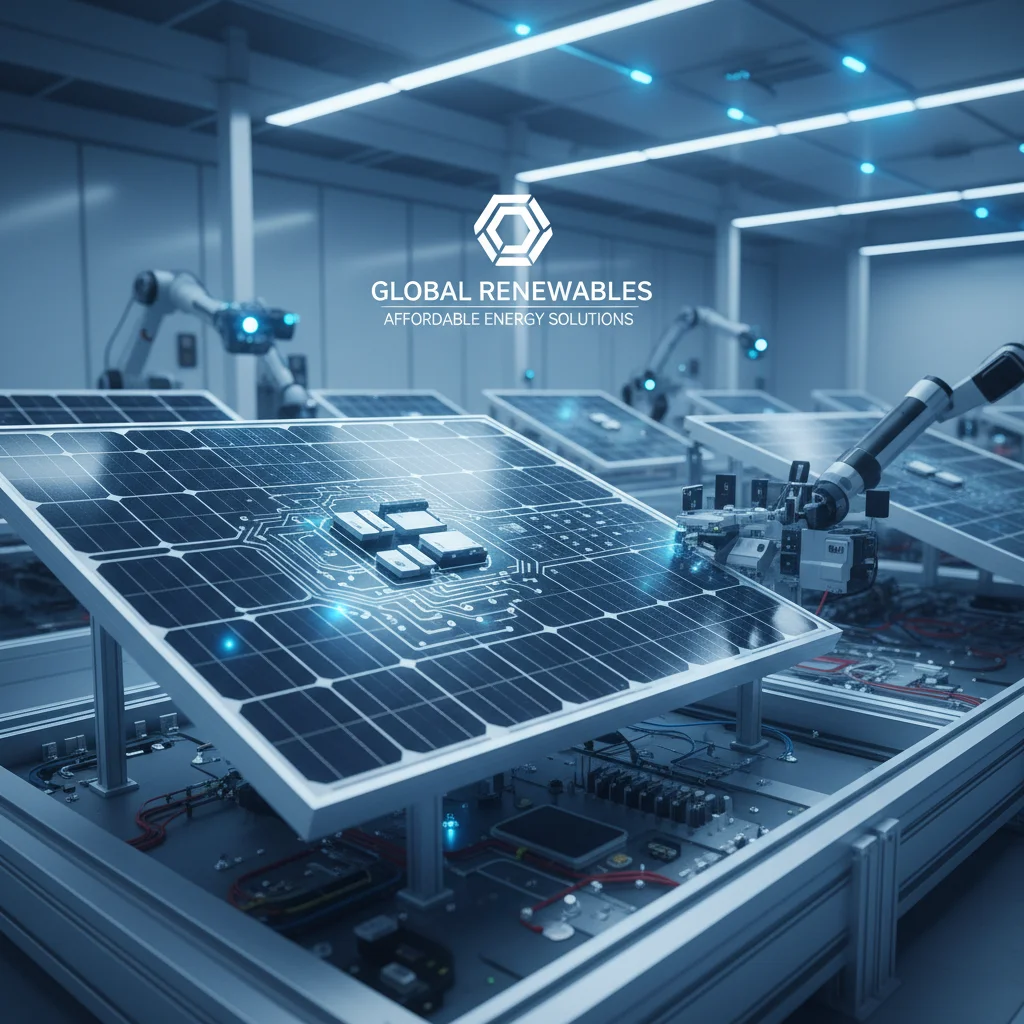
Look, the whole solar cell manufacturing scene… it's shifting fast. Used to be, everyone just wanted the cheapest machines, right? Made in China, slapped together, and hoped for the best. Now, though, folks are realizing you get what you pay for. Durability is the big one. These things are running 24/7, grinding silicon, sputtering coatings... they need to hold up. I’ve seen machines fall apart after six months, and the downtime…forget about it. That’s a lost fortune.
And it’s not just the machines themselves, it’s the integration. Everyone's talking about smart manufacturing, IoT… but honestly, half the time it’s just a gimmick. The real value comes from having machines that talk to each other and to the operators, providing real-time feedback.
To be honest, a lot of companies are still figuring this out. They're throwing money at automation without thinking about the workflow. I swear, I saw one factory last month that had a robot arm trying to load wafers into a machine that was designed for manual loading. It was… a disaster. Anyway, I think the demand for high-quality, reliable solar cell manufacturing machines is only going to increase.
Understanding the Current Landscape of solar cell manufacturing machine cost
Have you noticed, the push for higher efficiency cells is driving up the demand for more precise, and therefore more expensive, equipment? It’s not enough to just churn out cells anymore, you need to be able to consistently produce cells with a certain power output and lifespan. That requires tighter tolerances, better monitoring systems, and frankly, just better engineering.
The cost of solar cell manufacturing machine cost is directly tied to global energy policies and the price of polysilicon. When subsidies are generous and polysilicon is cheap, everyone’s building factories. When things tighten up… well, that's when the weaker players get squeezed. And those cheap machines? They get left to rust.
Key Components Defining solar cell manufacturing machine cost
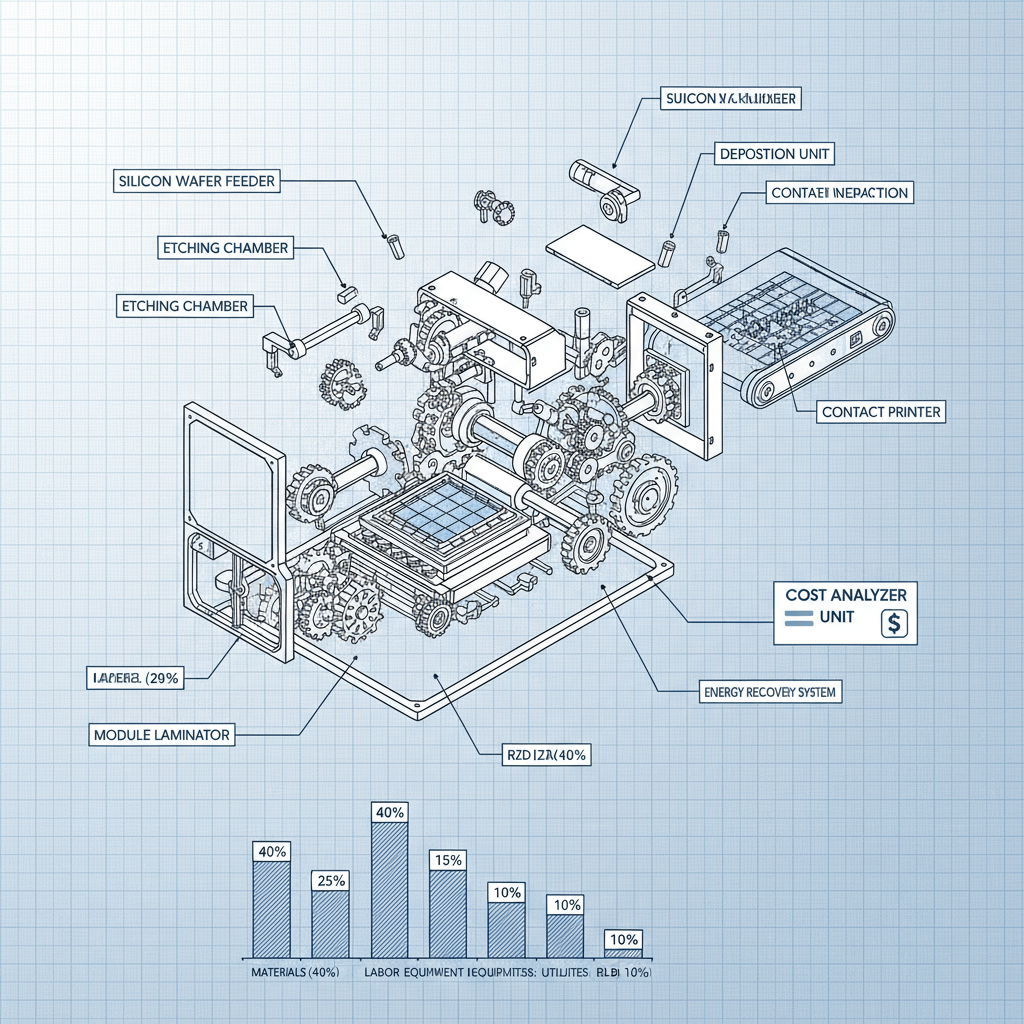
The big cost drivers are things like diffusion furnaces – those are expensive. And the sputtering systems for applying the anti-reflective coatings. Those need to be incredibly precise and reliable. Then you've got the stringers, the tabbers, the laminators... It all adds up. Strangely, the automation control systems are getting cheaper, but the core machinery is still where the money goes.
I encountered this at a factory in Vietnam last time. They were trying to save money on the stringer, and it was causing a huge bottleneck. They ended up spending more on fixing the issues than they would have saved by buying a better machine in the first place.
Scalability matters too. A machine that's great for a pilot line might not be suitable for mass production. You need to consider throughput, maintenance requirements, and the availability of spare parts. Those are all factors that impact the overall solar cell manufacturing machine cost.
Material Choices and their Impact on solar cell manufacturing machine cost
The materials used in the machines themselves are critical. You want stainless steel that won't corrode, ceramics that can withstand high temperatures, and high-quality seals that prevent contamination. I tell you, you can smell a cheap machine a mile away – it’s that chemical smell from the inferior materials off-gassing. It’s not a good sign.
The plasma chambers, for instance, they use a lot of quartz. The quality of that quartz, the purity, directly affects the lifespan of the chamber and the uniformity of the coating. Cheap quartz cracks and contaminates the process. It's a headache. And don’t even get me started on the vacuum pumps. A good vacuum pump is essential for a lot of these processes, and a cheap one will fail quickly and ruin your wafers.
Even the lubricants matter. You need specialized lubricants that can withstand extreme temperatures and pressures without breaking down. And you need to have a proper lubrication schedule to prevent wear and tear. It’s the little things, honestly. Those little things are what separates a reliable machine from a lemon.
Rigorous Testing Protocols for solar cell manufacturing machine cost
Look, the lab tests are important, sure. But they don’t tell the whole story. You need to test these machines in a real-world environment, under real-world conditions. That means running them 24/7 for weeks, maybe months, with actual wafers. You need to simulate the fluctuations in temperature, humidity, and power that they'll experience in a factory setting.
I’ve seen machines pass all the lab tests and then fall apart after a week on the production line. It’s because the tests didn’t accurately reflect the actual operating conditions. That’s why I always insist on seeing a machine running in a factory before I recommend it to a customer.
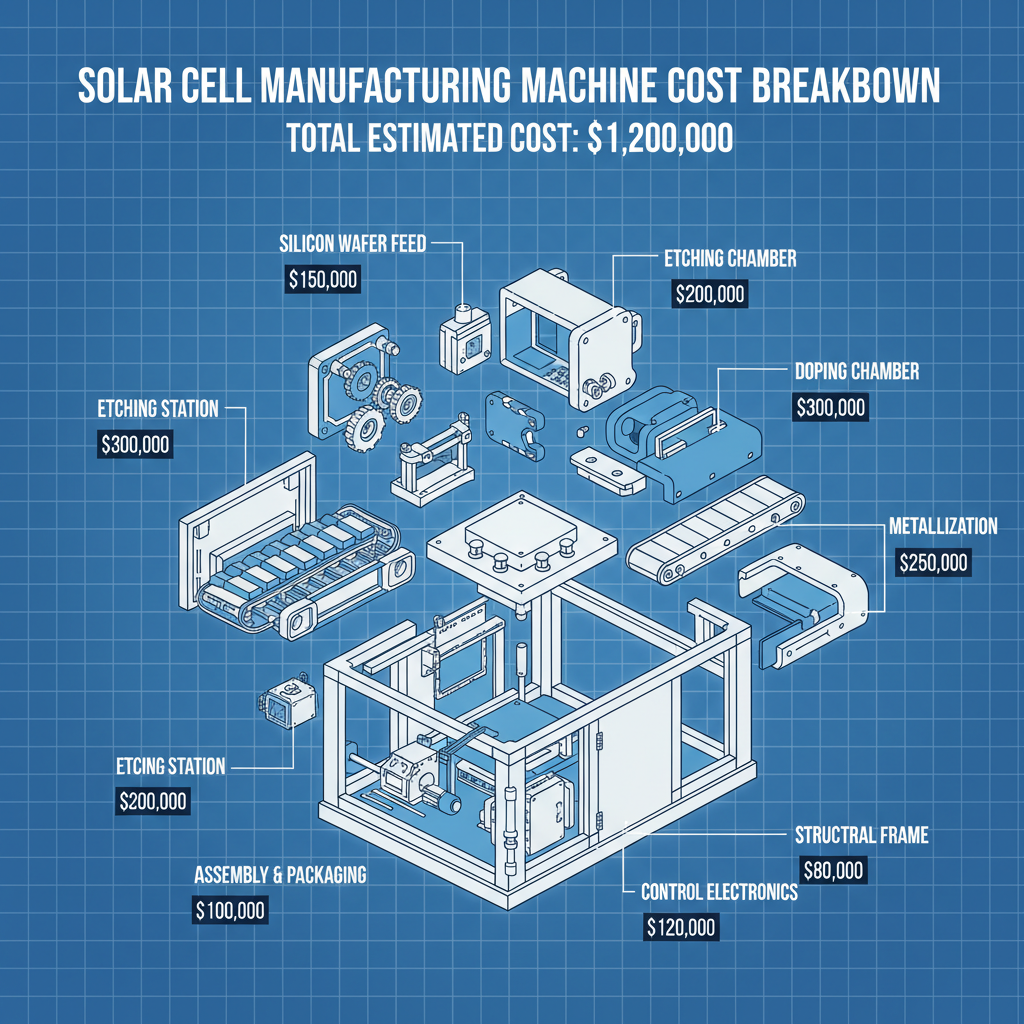
Solar Cell Manufacturing Machine Cost Breakdown
Real-World Application and User Behavior of solar cell manufacturing machine cost
It’s funny, you design these machines with a certain workflow in mind, but the operators always find a way to do things differently. They’ll bypass safety interlocks, they’ll ignore warning messages, they’ll… improvise. It’s just human nature. So, you need to design the machine to be robust enough to handle those deviations.
I’ve seen operators use a machine as a temporary workbench! Or lean on it while they’re on a phone call. You have to account for that kind of abuse.
Advantages, Disadvantages, and Customization Options of solar cell manufacturing machine cost
The advantages of a well-built machine are obvious: higher throughput, better quality, lower downtime. But the disadvantages? Well, they're expensive. And they require skilled technicians to operate and maintain. And sometimes, they’re just… over-engineered. Too many bells and whistles that no one actually uses.
Customization is key. Every customer has different requirements. Last month, that small boss in Shenzhen who makes smart home devices insisted on changing the interface to , and the result was... a three-week delay because the control system couldn't handle it. Anyway, customization is possible, but it always adds to the solar cell manufacturing machine cost.
A Case Study: Balancing Cost and Functionality in solar cell manufacturing machine cost
There's this one factory in Malaysia that was really struggling to improve their cell efficiency. They kept buying cheap machines, and they kept breaking down. Finally, they decided to invest in a higher-quality diffusion furnace. The initial solar cell manufacturing machine cost was significantly higher, but the improvement in cell efficiency more than paid for it within a year.
They went from producing cells with an average efficiency of 18% to 20%. That's a huge jump, and it made a massive difference to their bottom line.
It just goes to show you that sometimes, you have to spend money to make money. And, in the long run, a reliable machine will always be cheaper than a series of cheap machines.
Factors Influencing Solar Cell Manufacturing Machine Cost
| Machine Type |
Automation Level |
Material Quality |
Supplier Reputation |
| Diffusion Furnace |
Fully Automated |
High-Grade Quartz & Steel |
Tier 1 Supplier |
| Sputtering System |
Semi-Automated |
Standard Grade Materials |
Tier 2 Supplier |
| Stringer/Tabber |
Manual |
Basic Materials |
Local Supplier |
| Laminator |
Fully Automated |
High-Grade Materials |
Tier 1 Supplier |
| Wafer Sorting Machine |
Semi-Automated |
Standard Grade Materials |
Tier 2 Supplier |
| Quality Control System |
Fully Automated |
Basic Materials |
Local Supplier |
FAQS
A well-maintained, high-end machine should last at least 10-15 years. However, that depends heavily on how well it's cared for, the type of wafers it's processing, and the operating environment. Replacing key components like vacuum pumps and control systems will be necessary over time, adding to the total cost of ownership. Don't forget about the skilled technicians required to keep it running smoothly.
Higher automation generally increases the initial solar cell manufacturing machine cost, but it can significantly reduce labor costs and improve throughput. However, it also requires a more skilled workforce to operate and maintain the automated systems. Finding the right balance between automation and manual labor is crucial for maximizing efficiency and minimizing costs.
Beyond the initial purchase price, you need to factor in costs like installation, training, maintenance, spare parts, utilities (electricity, water, gas), and potential downtime. Unexpected repairs can be a major expense, so it’s important to have a contingency plan. Don't forget about the cost of consumables, like gases and chemicals. These add up quickly.
Yes, several financing options are available, including loans from banks and specialized equipment leasing companies. Government incentives and tax credits can also help offset the cost. It’s important to shop around and compare different financing options to find the best terms for your specific situation. Be sure to understand the interest rates, repayment terms, and any associated fees.
Reputation, experience, and after-sales service are key considerations. Look for a supplier that has a proven track record and can provide reliable support. Ask for references and visit other factories that have used their machines. Ensure they have a local service team for quick repairs and maintenance. Consider the availability of spare parts, too. You don’t want to be stuck waiting weeks for a critical component.
Extremely important. These machines consume a lot of energy, so choosing energy-efficient models can significantly reduce your operating costs. Look for machines with variable frequency drives, energy-recovery systems, and optimized designs. Energy efficiency also demonstrates a commitment to sustainability, which is increasingly important for attracting investors and customers.
Conclusion
Ultimately, the solar cell manufacturing machine cost isn't just about the upfront price tag. It’s about the total cost of ownership, the reliability of the machine, and the impact on your overall production efficiency. A cheap machine might seem appealing initially, but it can end up costing you more in the long run through downtime, repairs, and lost production.
To be frank, whether this thing works or not, the worker will know the moment he tightens the screw. Invest in quality, prioritize reliability, and don't be afraid to spend a little extra to get a machine that will last. Visit our website at shaobosolar.com to learn more about our range of high-performance solar cell manufacturing machines.