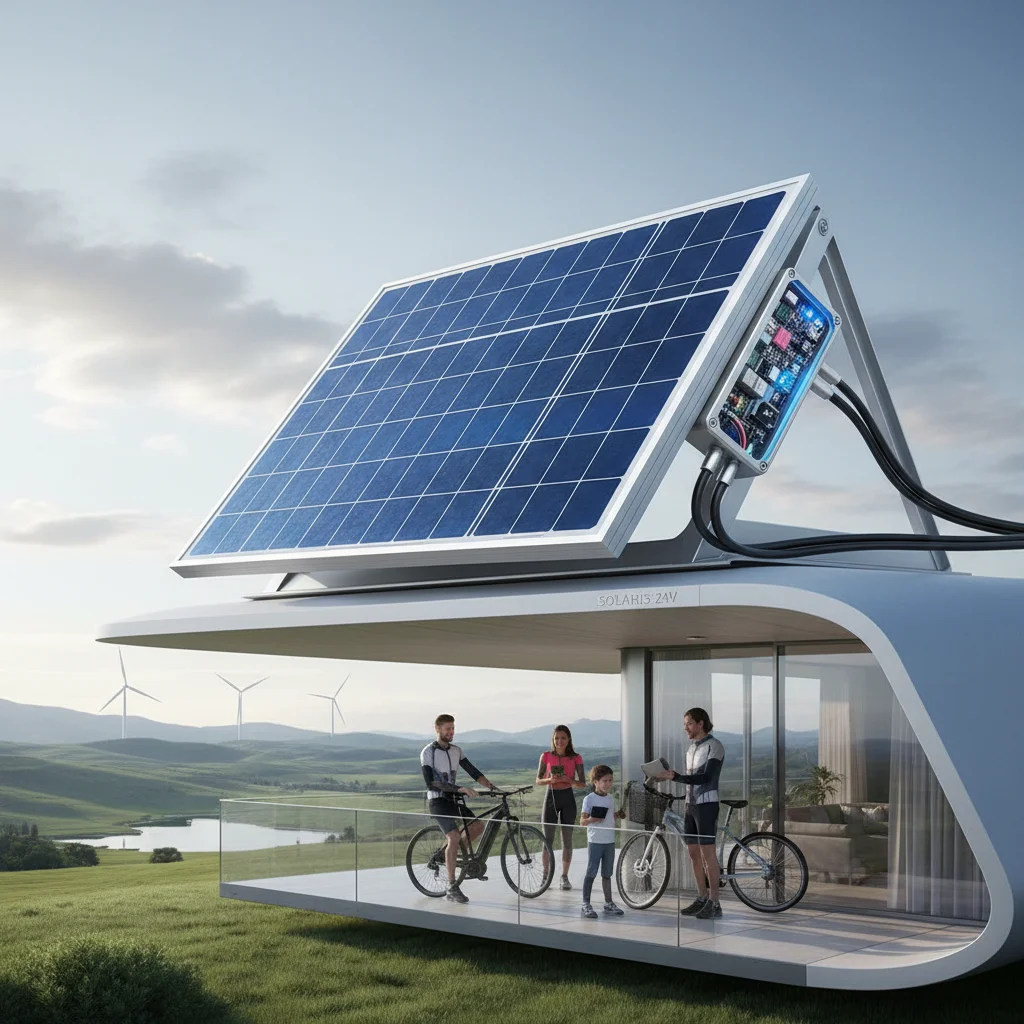
Navigating the transition to renewable energy requires a clear understanding of the hardware driving this revolution. When exploring the 4 types of solar panels, it becomes evident that the choice of technology directly impacts energy yield, installation costs, and long-term sustainability for both residential and industrial projects.
The global shift toward decarbonization has accelerated the development of photovoltaic (PV) technologies, moving beyond basic silicon wafers to advanced hybrid structures. Understanding the 4 types of solar panels allows stakeholders to optimize their energy harvesting strategies based on specific geographic constraints, budget limitations, and efficiency requirements.
Whether you are designing a large-scale solar farm or a remote off-grid power system, selecting the right technology from the 4 types of solar panels is the cornerstone of a successful energy investment. This guide delves into the technical nuances and practical applications of these technologies to ensure a high return on investment.

Global Context and Relevance of 4 Types of Solar Panels
The global energy landscape is undergoing a seismic shift as nations strive to meet the ambitious goals set by the Paris Agreement and UN Sustainable Development Goals. Central to this transition is the deployment of the 4 types of solar panels, which provide the versatility needed to electrify everything from dense urban centers to the most remote corners of the globe.
According to data from the International Renewable Energy Agency (IRENA), the cost of solar PV has plummeted over the last decade, making the 4 types of solar panels more accessible than ever. However, the challenge remains in matching the specific panel type to the local climate and infrastructure to avoid efficiency losses and maximize the lifespan of the energy system.
Defining the 4 Types of Solar Panels and Their Mechanics
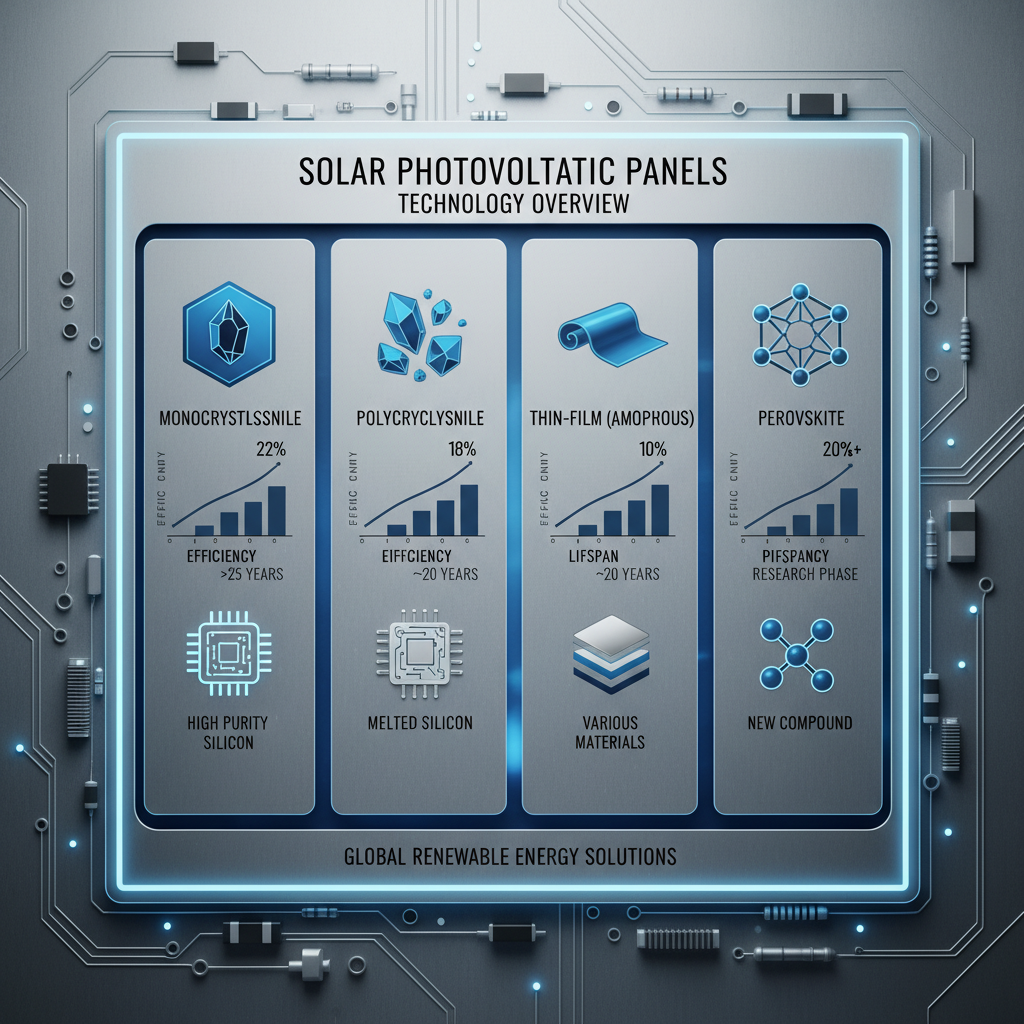
To understand the 4 types of solar panels, we must first distinguish between the primary silicon-based technologies and the emerging thin-film alternatives. Monocrystalline panels, characterized by their dark, uniform appearance, are made from a single high-purity silicon crystal, offering the highest efficiency and space-saving capabilities. Polycrystalline panels, conversely, are composed of multiple silicon fragments melted together, resulting in a blue-tinted, slightly less efficient but more cost-effective solution.
Beyond these two, we encounter Thin-Film solar cells, which utilize layers of photovoltaic material (such as CdTe or CIGS) deposited on glass or metal. While they generally have lower efficiency per square meter, they are incredibly flexible and lightweight. Finally, the emerging category of Bifacial panels represents a leap in innovation, capable of absorbing light from both the front and rear sides, significantly increasing the energy yield in reflective environments.
These 4 types of solar panels address different humanitarian and industrial needs. For instance, thin-film is ideal for portable military equipment or curved architectural surfaces, while monocrystalline is the gold standard for residential rooftops where space is at a premium. By diversifying the technology, the industry ensures that solar energy is a viable option regardless of the installation environment.
Core Performance Factors Across Solar Technologies
When evaluating the 4 types of solar panels, the primary metric is conversion efficiency. This refers to the percentage of sunlight hitting the panel that is converted into usable electricity. High-efficiency monocrystalline cells typically lead the pack, ensuring that owners get the most power possible from a limited roof area.
Durability and Temperature Coefficient are equally critical when comparing the 4 types of solar panels. For example, thin-film panels often perform better in high-heat environments compared to crystalline silicon, which can experience a drop in voltage as temperatures rise. This makes material selection a strategic decision based on the local climate of the project.
Finally, cost-efficiency and scalability define the economic viability of the 4 types of solar panels. While the initial capital expenditure for monocrystalline is higher, the long-term Levelized Cost of Energy (LCOE) may be lower due to superior output. Polycrystalline remains a favorite for large-scale utility farms where land is abundant and budget constraints are tight.
Global Applications and Industrial Use Cases
The practical application of the 4 types of solar panels varies significantly across different global regions. In Northern Europe, where sunlight is limited and diffused, high-efficiency monocrystalline and bifacial panels are preferred to capture every possible photon. In contrast, in the vast deserts of the Middle East, the heat-tolerance of thin-film and the cost-effectiveness of polycrystalline are highly valued for massive energy arrays.
Beyond traditional power grids, these technologies are vital in specialized sectors. In post-disaster relief operations, lightweight thin-film panels are deployed to provide immediate power for medical equipment and communication hubs. In remote industrial zones, such as mining sites in Australia or oil rigs in the North Sea, hybrid solar systems combining these 4 types of solar panels ensure a reliable, autonomous power supply.
Efficiency and Value Comparison of 4 Types of Solar Panels
Strategic Advantages and Long-Term Value
The adoption of the 4 types of solar panels offers more than just electrical savings; it provides a strategic hedge against volatile fossil fuel markets. By investing in high-quality monocrystalline or bifacial systems, businesses can lock in their energy costs for 25 years or more, fostering financial predictability and operational stability.
Moreover, the social impact of these technologies cannot be overstated. In developing nations, the deployment of affordable polycrystalline and thin-film solutions brings dignity and opportunity to off-grid communities, enabling education through lighting and healthcare through refrigeration. This blend of economic logic and humanitarian value makes solar technology a cornerstone of global trust and innovation.
Future Trends in Photovoltaic Innovation
The evolution of the 4 types of solar panels is moving toward "Tandem Cells," where different materials are layered to capture a wider spectrum of sunlight. Perovskite silicon tandem cells are currently the most promising, potentially pushing efficiency levels far beyond the theoretical limits of current monocrystalline technology.
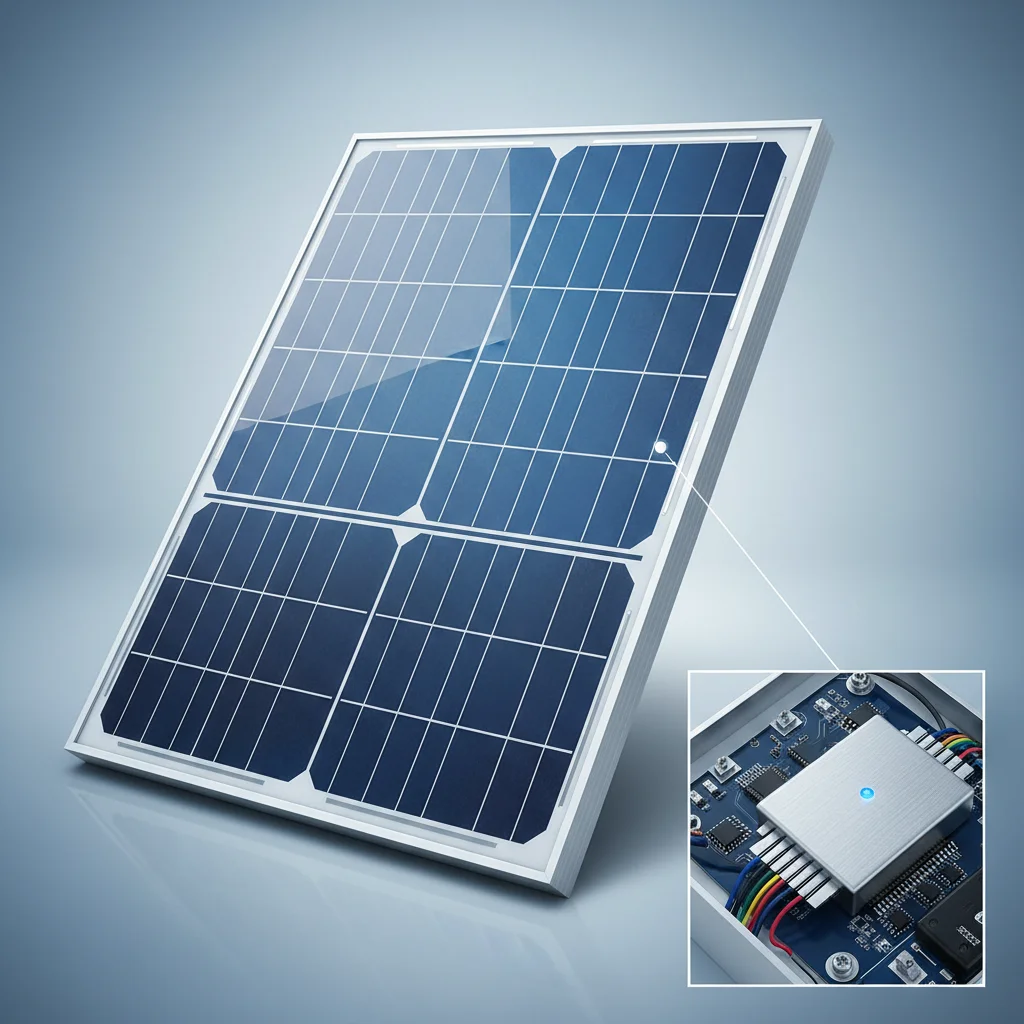
Digital transformation is also integrating with solar hardware. The rise of "Smart Panels" equipped with IoT sensors allows operators to monitor the performance of the 4 types of solar panels in real-time, predicting failures before they occur and automating cleaning cycles to maintain peak efficiency.
Sustainability in manufacturing is the final frontier. The industry is shifting toward "Circular PV," focusing on the recyclability of the materials used in the 4 types of solar panels. Reducing the reliance on rare earth metals and improving the recovery of silicon and glass will ensure that the green energy transition is truly sustainable from cradle to grave.
Overcoming Challenges in Solar Panel Implementation
Despite the benefits, implementing the 4 types of solar panels is not without hurdles. Intermittency remains the primary challenge, as solar power is only generated during daylight hours. However, the integration of advanced Battery Energy Storage Systems (BESS) is effectively solving this, allowing users to store excess energy for nighttime use.
Another limitation is the degradation of panels over time. While most panels are warrantied for 25 years, efficiency naturally drops. Expert insights suggest that implementing proactive maintenance schedules and choosing panels with lower annual degradation rates—typically found in the premium monocrystalline category—can mitigate these losses.
Lastly, the initial cost of installation can be a barrier for small enterprises. Innovative financing models, such as Solar Power Purchase Agreements (PPAs) and government subsidies, are making the 4 types of solar panels accessible to a broader demographic, transforming solar from a luxury into a standard utility.
Comparative Summary of the 4 Types of Solar Panels
|
Panel Technology
|
Avg. Efficiency
|
Cost Per Watt
|
Best Use Case
|
| Monocrystalline |
17% - 22% |
High |
Residential Rooftops |
| Polycrystalline |
15% - 17% |
Medium |
Large Solar Farms |
| Thin-Film |
10% - 13% |
Low |
Portable/Flexible Apps |
| Bifacial |
18% - 24% |
High |
High-Albedo Surfaces |
| Tandem (Emerging) |
25% - 30%+ |
Very High |
Premium Energy Needs |
| Hybrid Systems |
Variable |
Medium-High |
Mixed-Environment Sites |
FAQS
Monocrystalline panels are the best choice for small roofs. Because they are made from a single crystal structure, they have the highest energy density, meaning they can produce more electricity per square foot than polycrystalline or thin-film options. This allows homeowners with limited space to maximize their energy independence.
No, durability varies. Crystalline panels (Mono and Poly) are generally more robust and have longer lifespans. However, thin-film panels are often more resistant to high temperatures and partial shading, meaning they might perform more consistently in scorching desert climates where silicon panels might suffer from efficiency drops.
Unlike traditional panels that only capture light on the top surface, bifacial panels have photovoltaic cells on both the front and back. This allows them to capture reflected sunlight from the ground (albedo), potentially increasing energy yield by 10-30% depending on the surface beneath them, such as white gravel or snow.
Generally, thin-film is less cost-effective for typical residential roofs because its lower efficiency requires a much larger installation area to produce the same amount of power as a monocrystalline system. It is more cost-effective for commercial warehouses or integrated building materials (BIPV) where surface area is plentiful.
While technically possible, it is not recommended to mix panel types in a single string. Different panels have different voltage and current characteristics; the lowest-performing panel would limit the output of the entire string. To mix types, you would need separate inverters or DC optimizers for each group of panels.
Polycrystalline panels often have the fastest payback period for large-scale installations due to their lower upfront cost. However, for residential users with high electricity rates, monocrystalline panels may pay for themselves faster by producing significantly more energy and reducing monthly bills more aggressively.
Conclusion
Selecting from the 4 types of solar panels is a decision that balances efficiency, cost, and environmental conditions. From the high-performance monocrystalline cells and the budget-friendly polycrystalline options to the versatile thin-film and innovative bifacial technologies, each serves a unique purpose in the global energy transition. The key to a successful installation lies in aligning these technical strengths with the specific needs of the site.
As we look toward the future, the integration of tandem cells and smart monitoring will further enhance the value of solar energy. We encourage developers and homeowners alike to look beyond the initial price tag and consider the long-term LCOE and sustainability of their choice. For professional guidance on selecting the right system, visit our website: www.shaobosolar.com