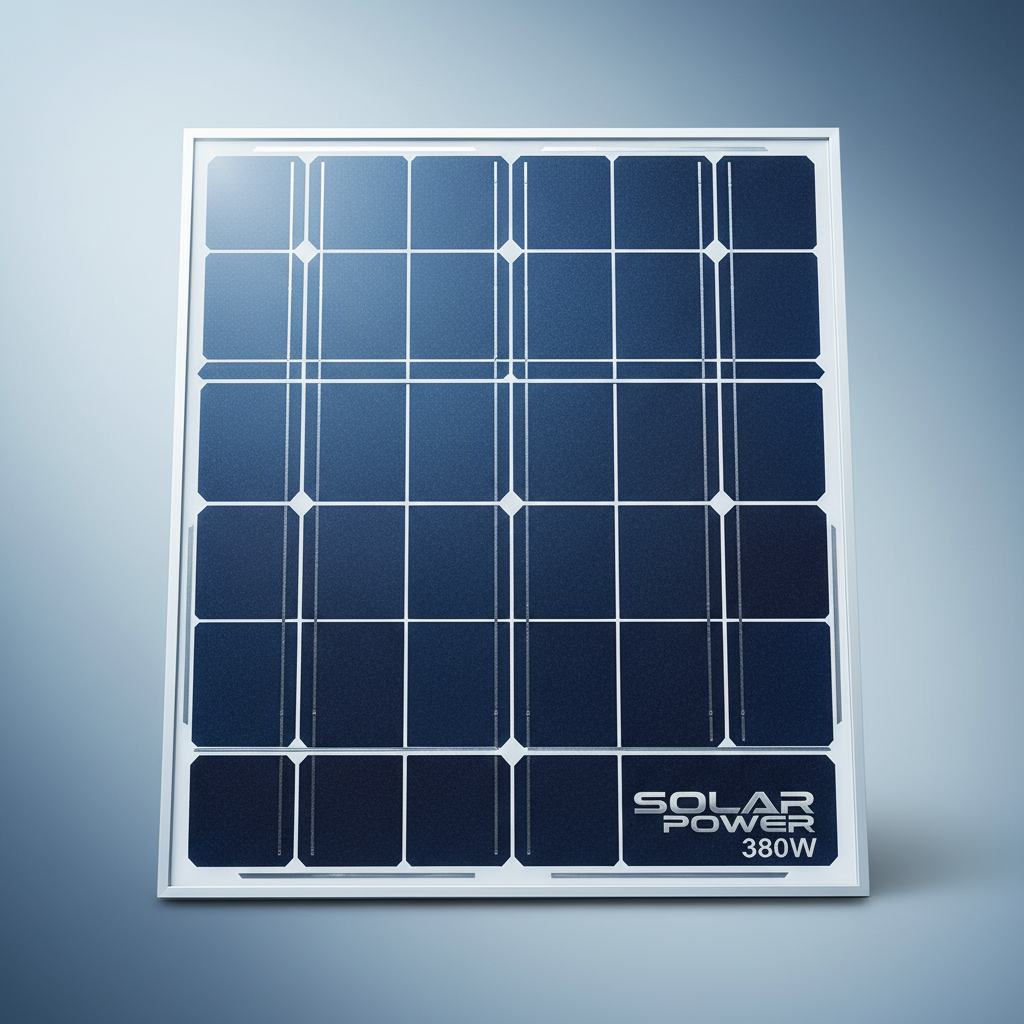
The transition toward sustainable energy has accelerated globally, placing high-efficiency modules at the center of the green revolution. A 380 watt solar panel represents a pivotal balance between spatial footprint and energy yield, making it a preferred choice for both residential rooftops and small-scale commercial installations. By converting sunlight into usable electricity with optimized precision, these panels provide a reliable foundation for energy independence.
Across the globe, the demand for standardized yet powerful energy solutions has led to the widespread adoption of the 380W capacity. This specific wattage is often seen as the "sweet spot" for many installers because it integrates seamlessly with standard mounting hardware while delivering enough power to significantly reduce monthly utility bills. As costs continue to decline, the accessibility of this technology is empowering more homeowners to decouple from volatile fossil fuel markets.
Understanding the technical nuances and practical advantages of a 380 watt solar panel is essential for anyone looking to maximize their return on investment (ROI). From the purity of the monocrystalline silicon to the durability of the tempered glass, every component is engineered to withstand harsh environments while maintaining peak performance. In the following guide, we will explore how this technology is shaping the modern energy landscape.
Global Relevance of the 380 Watt Solar Panel
The global push toward carbon neutrality, as outlined by the UN Sustainable Development Goals, has catalyzed a massive shift toward decentralized power. The 380 watt solar panel has emerged as a cornerstone of this movement, particularly in emerging economies where grid stability is a persistent challenge. By providing a scalable and modular power source, these panels allow communities to leapfrog traditional energy infrastructure.
Statistically, the adoption of mid-to-high wattage panels has reduced the overall cost per watt of installed capacity globally. The 380W module is specifically designed to address the challenge of limited roof space in urban environments, ensuring that residents can generate a substantial amount of energy without requiring massive industrial footprints. This efficiency makes solar energy a viable reality for millions of urban dwellers worldwide.
Defining the 380 Watt Solar Panel Technology
In simple terms, a 380 watt solar panel is a photovoltaic (PV) module capable of producing 380 watts of direct current (DC) electricity under Standard Test Conditions (STC). This means that when exposed to a specific intensity of sunlight and temperature, the panel converts photons from the sun into electrons, creating a flow of electricity. Most modern 380W panels utilize monocrystalline silicon, which is known for its higher purity and efficiency compared to polycrystalline alternatives.
Beyond the basic physics, this technology serves a critical humanitarian and industrial need. In remote regions, a small array of these panels can power essential medical refrigeration or satellite communications, providing life-saving services where no power lines exist. For industry, it represents a move toward "distributed generation," where factories produce their own energy on-site, reducing transmission losses and lowering operational overhead.
The significance of the 380W rating lies in its versatility. It is powerful enough to be used in a residential solar system to run high-draw appliances, yet compact enough to be transported and installed in rugged terrains. This makes it an essential tool for both the fight against climate change and the drive for global energy equity.
Core Components Driving Performance
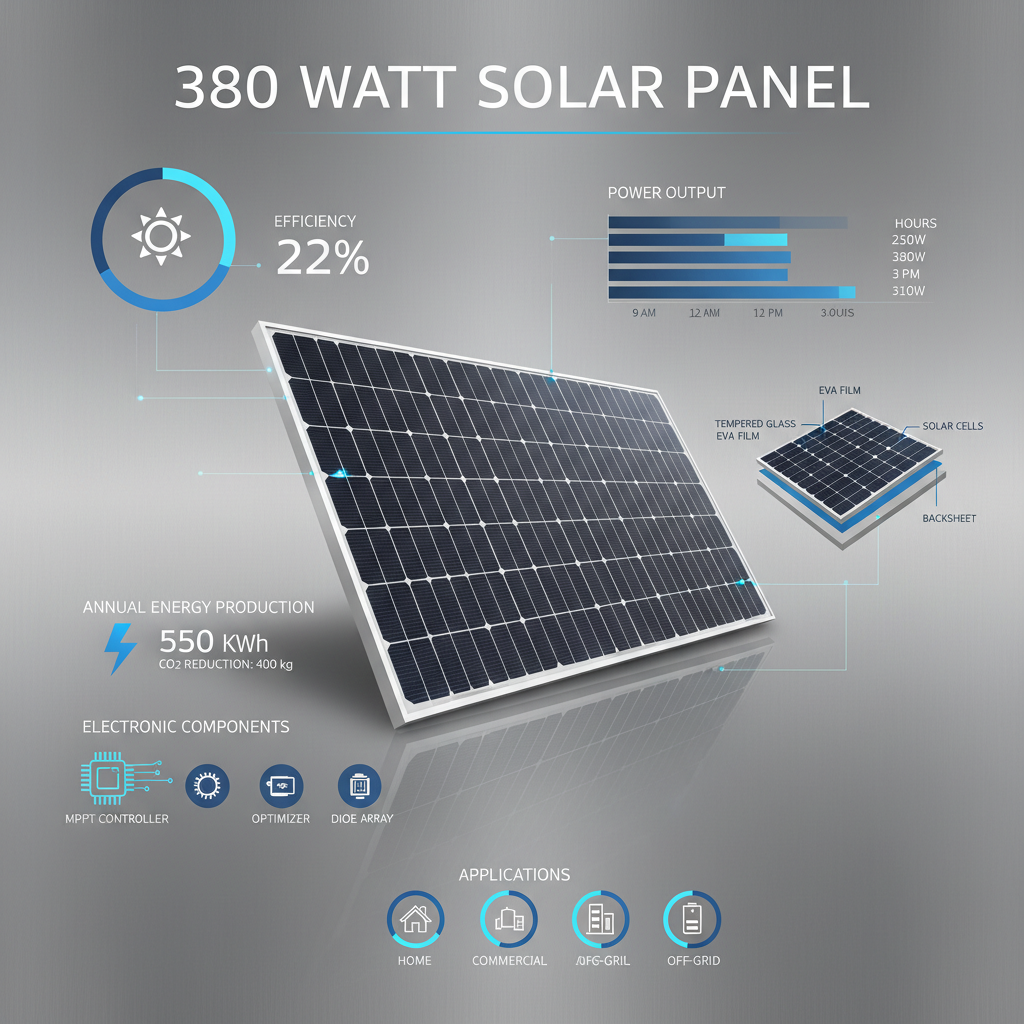
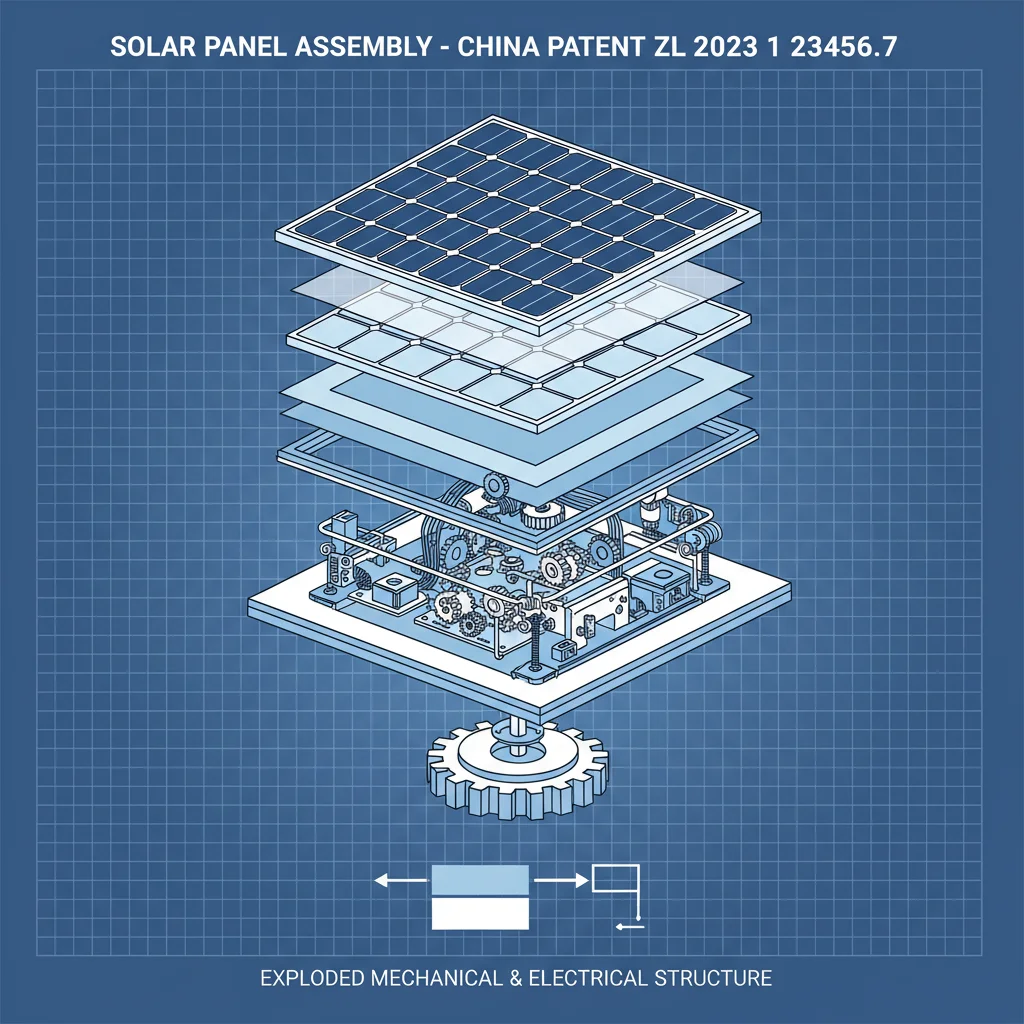
The efficiency of a 380 watt solar panel begins with its silicon wafers. High-grade monocrystalline cells are meticulously sliced and treated to minimize electron recombination, ensuring that a higher percentage of sunlight is converted into electricity. This primary component is what allows the panel to achieve a 380W output without becoming prohibitively large.
To protect these sensitive cells, an advanced encapsulation process using Ethylene Vinyl Acetate (EVA) is employed. This layer acts as a cushion and a moisture barrier, preventing the 380 watt solar panel from degrading due to humidity or thermal expansion. Combined with a high-transparency tempered glass front, the module remains resilient against hail and wind while maximizing light penetration.
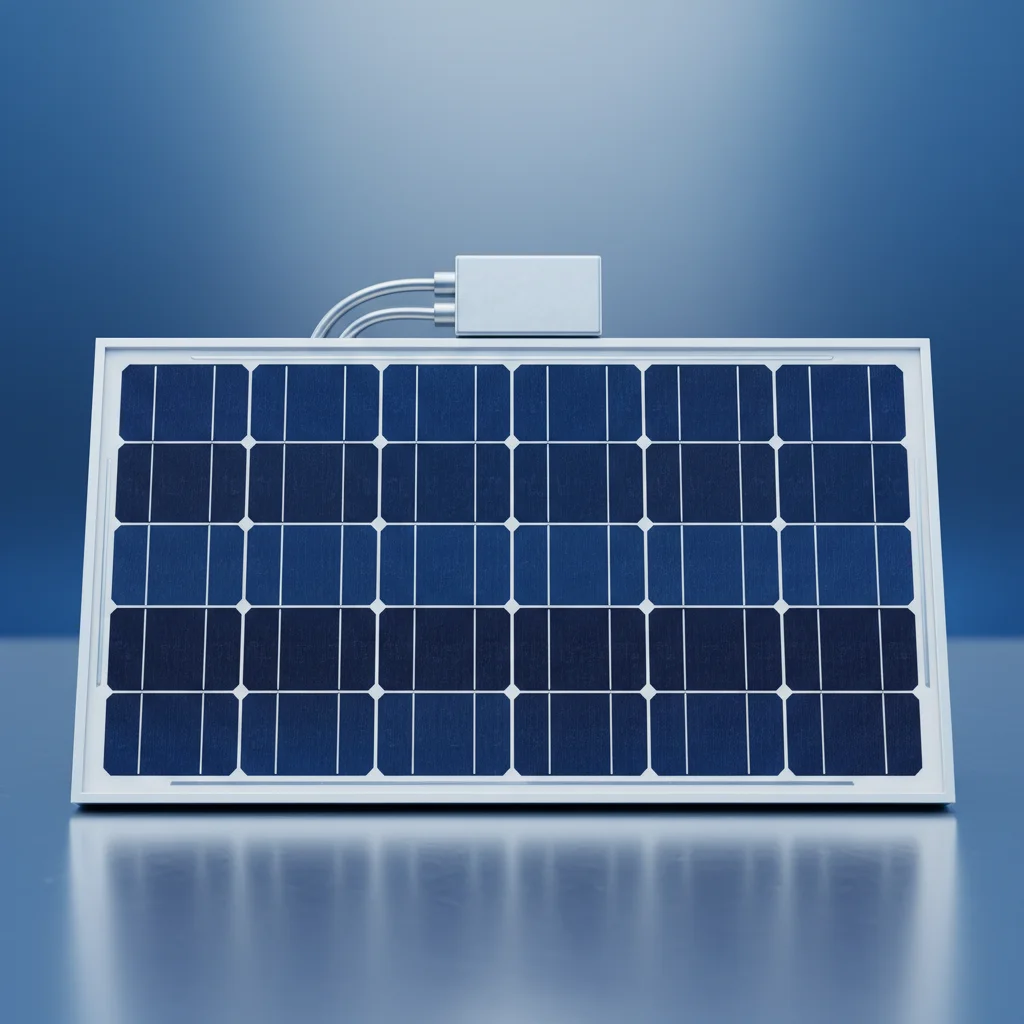
Finally, the structural integrity is reinforced by an anodized aluminum frame. This frame not only provides the necessary rigidity for mounting but also protects the edges of the glass from impact. The junction box on the rear, usually IP67 or IP68 rated, ensures that the electrical connections of the 380 watt solar panel remain airtight and safe from the elements for decades.
Key Factors for Practical Application
When deploying a 380 watt solar panel, scalability and cost-efficiency are the primary drivers. Because these panels are standardized, they can be easily linked in series or parallel to meet the specific energy needs of a building. Whether it is a 5kW residential system or a 100kW commercial array, the 380W module provides a predictable power curve that simplifies the design of the inverter and battery storage system.
Furthermore, the durability of these panels ensures a low total cost of ownership (TCO). With a typical lifespan of 25 to 30 years, the initial investment is amortized over decades of free energy. The high energy density of the 380W design means fewer mounting rails and less labor are required compared to lower-wattage panels, further driving down the installation cost per kilowatt.
Performance Comparison of 380 Watt Solar Panel Variants
Global Applications and Real-World Use Cases
In real-world contexts, the 380 watt solar panel is utilized across a vast array of sectors. In remote industrial zones, such as mining sites in Australia or oil rigs in the North Sea, these panels power critical monitoring equipment and safety lighting. Their ability to operate independently of a central grid makes them indispensable for operational safety and reliability in extreme environments.
Beyond industrial use, the humanitarian sector has embraced 380W modules for post-disaster relief. In the wake of hurricanes or earthquakes, rapid-deployment solar kits featuring these panels are used to establish emergency communication hubs and power mobile clinics. This capability restores dignity and safety to affected populations by providing a reliable source of light and power during the most critical hours of recovery.
Long-Term Value and Sustainability Benefits
The tangible benefits of adopting a 380 watt solar panel extend far beyond simple electricity savings. From a logical standpoint, it is an investment in asset appreciation; properties equipped with high-efficiency solar arrays typically see a significant increase in market value. Furthermore, the reliability of these systems reduces the risk of power outages, providing a sense of security and stability for families and businesses alike.
Sustainability is the core emotional driver for many users. By installing a 380 watt solar panel, an individual actively reduces their carbon footprint, contributing to the mitigation of global warming. This shift toward clean energy fosters a culture of innovation and trust in technology, proving that we can maintain a modern standard of living without compromising the health of the planet for future generations.
Moreover, the social impact of decentralized energy is profound. In rural areas, the availability of affordable solar power enables education through digital literacy and improves healthcare outcomes. The 380W panel acts as a catalyst for socio-economic growth, turning sunlight into a tool for empowerment and poverty reduction.
Future Trends in Solar Module Innovation
The evolution of the 380 watt solar panel is currently being driven by breakthroughs in material science. Perovskite tandem cells are the next frontier, promising to push efficiency levels far beyond the current limits of silicon. We are likely to see "smart" 380W panels integrated with IoT sensors that can detect dust buildup or cell failure in real-time, notifying the owner via a smartphone app for immediate maintenance.
Digital transformation is also altering how these panels are deployed. Automation in installation and the use of AI-driven energy management systems allow for the dynamic optimization of power flow between the panels, the battery, and the grid. This ensures that every single watt produced by the 380W module is used with maximum efficiency, minimizing waste and maximizing ROI.
As policies shift toward "Net Zero" targets, we can expect more integrated solar solutions, such as Building-Integrated Photovoltaics (BIPV). The technology behind the 380 watt solar panel will eventually be woven directly into the glass of skyscrapers and the shingles of roofs, making energy generation an invisible but omnipresent part of our urban architecture.
Comparative Analysis of 380 Watt Solar Panel Implementation Factors
|
Deployment Metric
|
Residential Scale
|
Commercial Scale
|
Remote/Industrial
|
| Installation Complexity |
Low to Medium |
Medium to High |
High (Logistics) |
N/A |
| Energy Payback Time |
3-5 Years |
2-4 Years |
1-2 Years |
N/A |
| Space Efficiency |
9/10 |
8/10 |
7/10 |
N/A |
| Maintenance Requirement |
Minimal |
Scheduled |
Critical/Rigorous |
N/A |
| ROI Projection |
High (10y+) |
Very High |
Immediate |
N/A |
| Environmental Impact |
Positive |
Significant |
Essential |
N/A |
FAQS
The number of panels depends on your monthly energy consumption and the average sunlight hours in your region. For a typical US home consuming 900 kWh per month, you might need roughly 20 to 25 of these panels to cover 100% of your electricity needs, assuming an average of 4.5 peak sun hours per day. It is always recommended to consult with a certified engineer to calculate the exact array size based on your specific roof orientation and shading.
Yes, but at a reduced efficiency. Solar panels utilize both direct and diffuse sunlight. While a 380W panel will produce its maximum output under clear skies, it can still generate electricity on cloudy days, typically producing 10% to 25% of its rated capacity. This is why pairing your panels with a battery storage system is crucial, as it allows you to store excess energy from sunny days for use during overcast weather.
Monocrystalline 380W panels are made from a single silicon crystal, offering higher efficiency and better performance in low-light conditions, though they are usually more expensive. Polycrystalline panels are made from multiple silicon crystals; they are generally more affordable but require more roof space to achieve the same 380W output because their overall efficiency is lower. For most modern residential installs, Mono is the preferred choice due to space constraints.
Most high-quality 380W panels come with a linear power output warranty of 25 years. While they don't "stop working" after 25 years, their efficiency slowly degrades over time (typically by 0.5% to 0.7% per year). Even after a quarter-century of use, a well-maintained panel will likely still produce about 80% to 85% of its original 380W capacity, making it a very durable long-term investment.
Not all, but most modern string or micro-inverters can handle them. The key is to match the panel's Open Circuit Voltage (Voc) and Maximum Power Current (Imp) with the inverter's input specifications. If you are using a 380W panel, you must ensure the inverter can manage the specific voltage of the module to avoid clipping or damaging the equipment. A professional system design will always ensure electrical compatibility.
Absolutely. The cost of photovoltaic technology has plummeted over the last decade, while the efficiency of the 380W module has remained high. When you factor in government tax credits, rebates, and the elimination of monthly electricity bills, the payback period is shorter than ever. Furthermore, as traditional energy prices rise, the fixed-cost nature of solar provides an essential hedge against inflation.
Conclusion
The 380 watt solar panel stands as a testament to the efficiency and scalability of modern photovoltaic technology. By bridging the gap between compact design and high energy output, these modules enable a diverse range of applications—from urban residential rooftops to critical emergency infrastructure in remote zones. The combination of monocrystalline purity, structural durability, and long-term financial ROI makes the 380W panel an optimal choice for those seeking a sustainable and reliable energy future.
Looking forward, the integration of smarter materials and AI-driven management will only enhance the value of these systems. As we move toward a decentralized energy grid, investing in high-efficiency solar components is no longer just an environmental choice, but a strategic economic decision. We encourage you to evaluate your energy needs and take the first step toward independence. Visit our website for professional guidance and high-quality solutions: www.shaobosolar.com