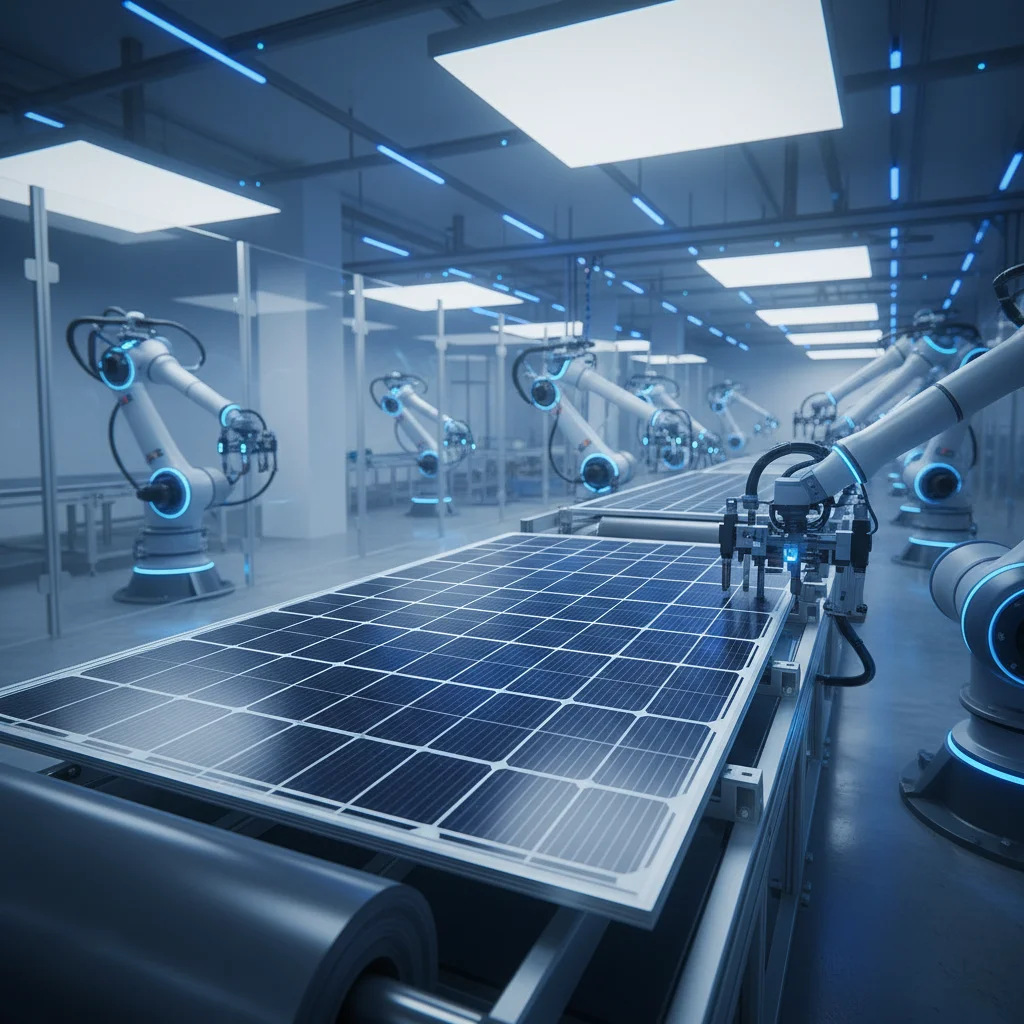
The global shift towards renewable energy is accelerating, and solar power stands at the forefront of this transformation. Among the various solar panel options available, the 360w solar panel has emerged as a popular choice for residential, commercial, and industrial applications. Its efficiency, affordability, and ease of installation make it a compelling solution for reducing carbon footprints and energy costs. Understanding the nuances of the 360w solar panel is crucial for anyone looking to invest in a sustainable energy future.
The demand for 360w solar panels is driven by a growing awareness of climate change and the need for cleaner energy sources. Government incentives, decreasing production costs, and increasing efficiency are all contributing factors to its widespread adoption. Furthermore, the modular nature of these panels allows for scalability, making them suitable for projects of any size, from small rooftop installations to large-scale solar farms. The 360w solar panel offers a tangible pathway to energy independence and a more sustainable lifestyle.
Investing in a 360w solar panel isn't simply about reducing your electricity bill; it's about contributing to a healthier planet and securing a cleaner energy future for generations to come. The technology continues to evolve, offering even greater efficiency and reliability. As the solar industry matures, the 360w solar panel remains a cornerstone for both individual consumers and large-scale energy producers.
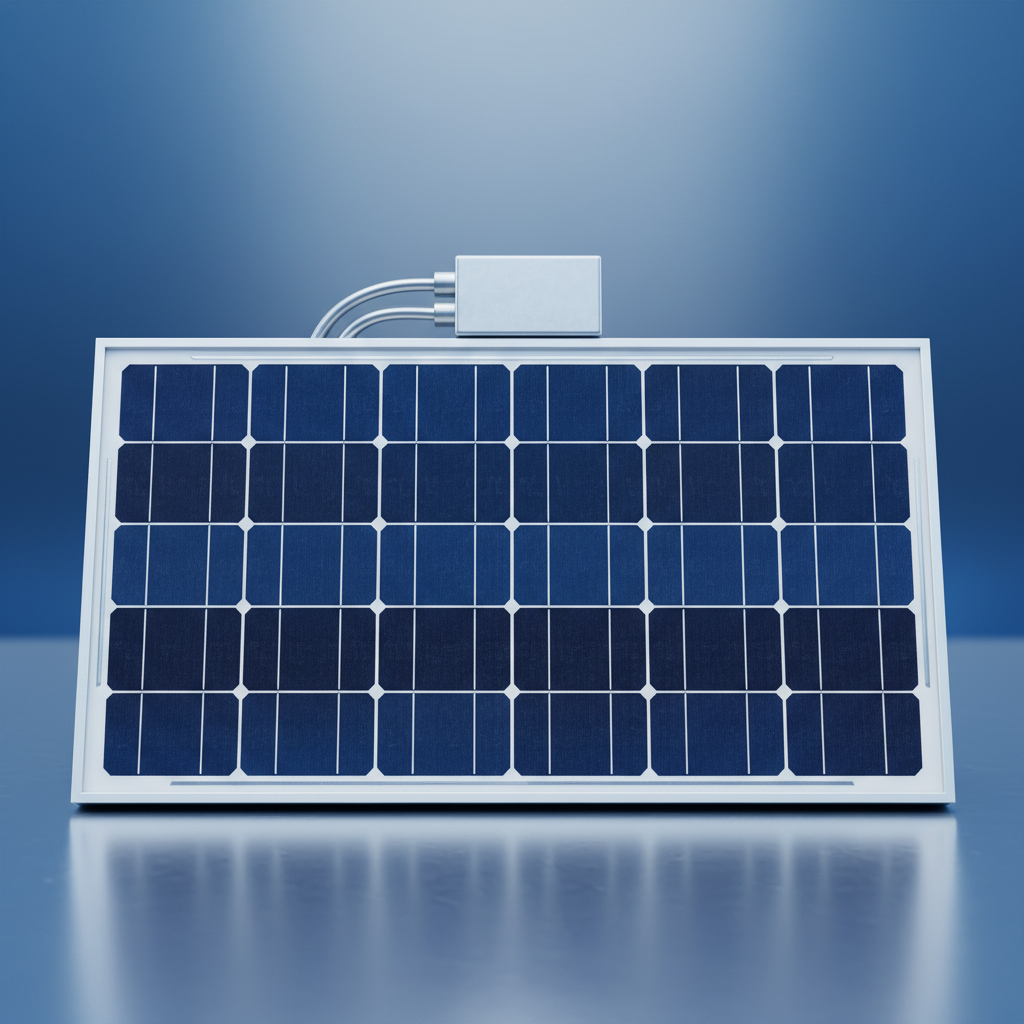
The Global Significance of 360w Solar Panels
The global demand for energy is continuously increasing, placing immense pressure on traditional fossil fuel resources and accelerating environmental concerns. According to the International Energy Agency (IEA), solar power is now the cheapest form of electricity in many parts of the world. The 360w solar panel plays a crucial role in addressing this demand sustainably, offering a viable alternative to conventional energy sources. Its efficiency and cost-effectiveness make it an increasingly attractive option for both developed and developing nations.
The widespread adoption of 360w solar panels aligns with the United Nations Sustainable Development Goal 7 (Affordable and Clean Energy), aiming to ensure access to affordable, reliable, sustainable, and modern energy for all. These panels empower individuals and communities to generate their own electricity, reducing reliance on centralized grids and fostering energy independence. They are particularly impactful in remote areas where access to traditional energy infrastructure is limited or non-existent.
Defining the 360w Solar Panel
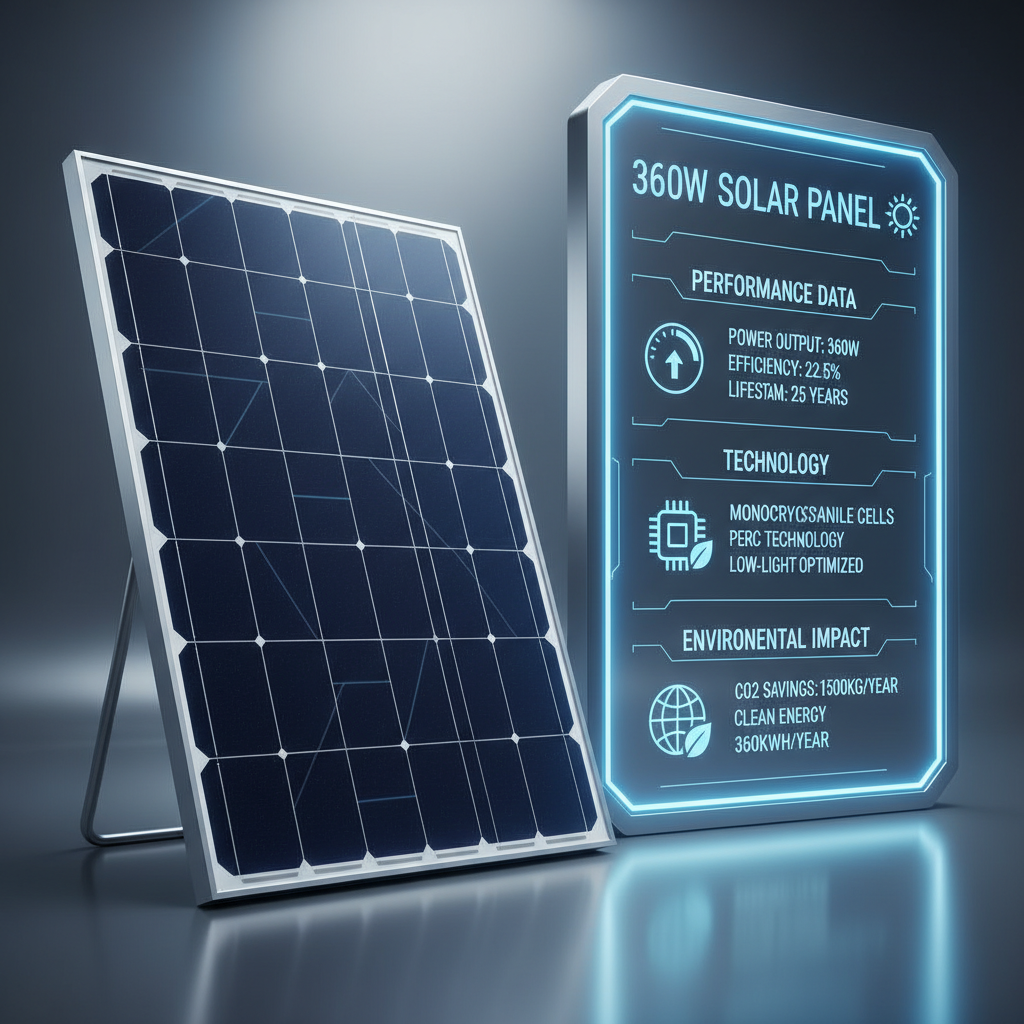
A 360w solar panel is a photovoltaic (PV) module designed to convert sunlight directly into electricity. The "360w" designation refers to the panel's peak power output under Standard Test Conditions (STC) – typically 1000W/m² irradiance, 25°C cell temperature, and an air mass of 1.5. This rating represents the maximum power the panel can produce under ideal laboratory conditions, providing a standardized benchmark for performance comparison.
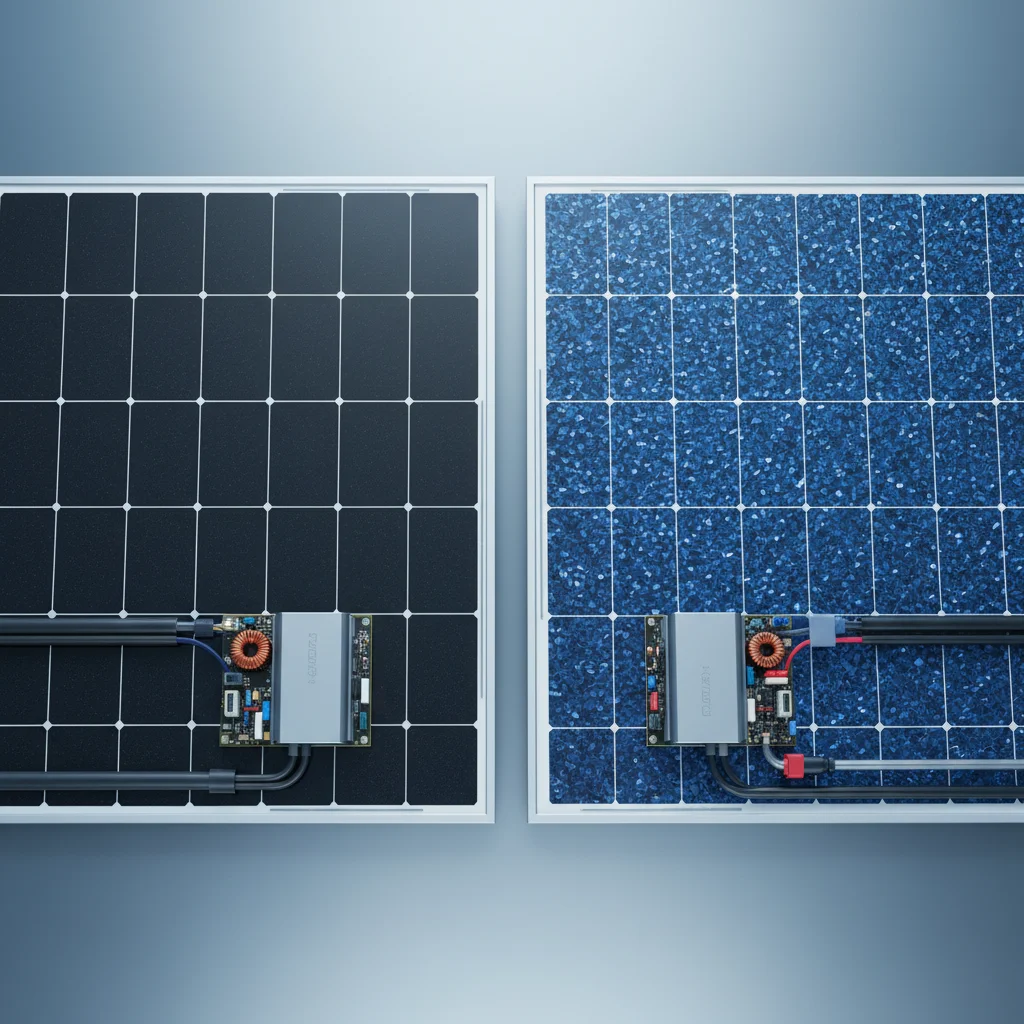
These panels are typically constructed using crystalline silicon solar cells, either monocrystalline or polycrystalline. Monocrystalline panels generally offer higher efficiency but are also more expensive, while polycrystalline panels are more affordable but slightly less efficient. The 360w solar panel represents a sweet spot for many applications, balancing performance and cost-effectiveness. 360w solar panel are increasingly becoming the standard for residential and commercial installations.
The increasing adoption of 360w solar panels isn't just driven by environmental concerns. The long-term cost savings associated with reduced electricity bills and potential government incentives make them a financially sound investment, addressing both environmental and economic needs.
Core Characteristics of 360w Solar Panels
Efficiency: 360w solar panels typically boast efficiencies ranging from 18% to 22%, meaning they convert 18-22% of the sunlight that hits them into usable electricity. This efficiency is continually improving with advancements in solar cell technology. Higher efficiency translates to more power generation from the same surface area.
Durability: Designed to withstand harsh weather conditions, 360w solar panels are built to last. They are typically covered by 25-year performance warranties, guaranteeing a certain level of power output over their lifespan. Features like tempered glass, robust frames, and weather-resistant materials ensure long-term reliability.
Cost-Effectiveness: The price of 360w solar panels has significantly decreased in recent years, making them increasingly affordable. Coupled with government incentives and the long-term savings on electricity bills, they offer a compelling return on investment. 360w solar panel present a practical solution for reducing energy expenses.
Real-World Applications of 360w Solar Panels
360w solar panels are versatile and can be deployed in a wide range of applications. Residential rooftops are a common sight, providing homeowners with clean energy and reducing their dependence on the grid. Commercial buildings, such as offices and factories, utilize these panels to offset their energy consumption and lower operating costs.
Large-scale solar farms, consisting of thousands of 360w solar panels, contribute significantly to the overall energy supply, feeding electricity into the grid and powering entire communities. In remote areas, where grid access is limited, 360w solar panels provide a reliable source of electricity for schools, hospitals, and businesses.
360w Solar Panel Performance Comparison
The Advantages and Long-Term Value of 360w Solar Panels
Investing in 360w solar panels offers a multitude of advantages, extending beyond just cost savings. The most obvious benefit is the reduction in electricity bills, providing financial relief to homeowners and businesses. This translates to increased disposable income and improved profitability. Furthermore, the long lifespan of these panels, often exceeding 25 years, ensures a sustained return on investment.
From a sustainability perspective, 360w solar panels significantly reduce carbon emissions, contributing to a cleaner environment and mitigating the effects of climate change. This aligns with corporate social responsibility goals and enhances brand reputation. The increasing energy independence offered by solar power enhances resilience and reduces vulnerability to grid outages.
Future Trends in 360w Solar Panel Technology
The future of 360w solar panels is bright, with ongoing research and development focused on improving efficiency and reducing costs. Perovskite solar cells, a promising new technology, have the potential to significantly increase efficiency while utilizing more abundant and less expensive materials. Bifacial solar panels, which generate electricity from both sides, are also gaining traction, increasing energy output.
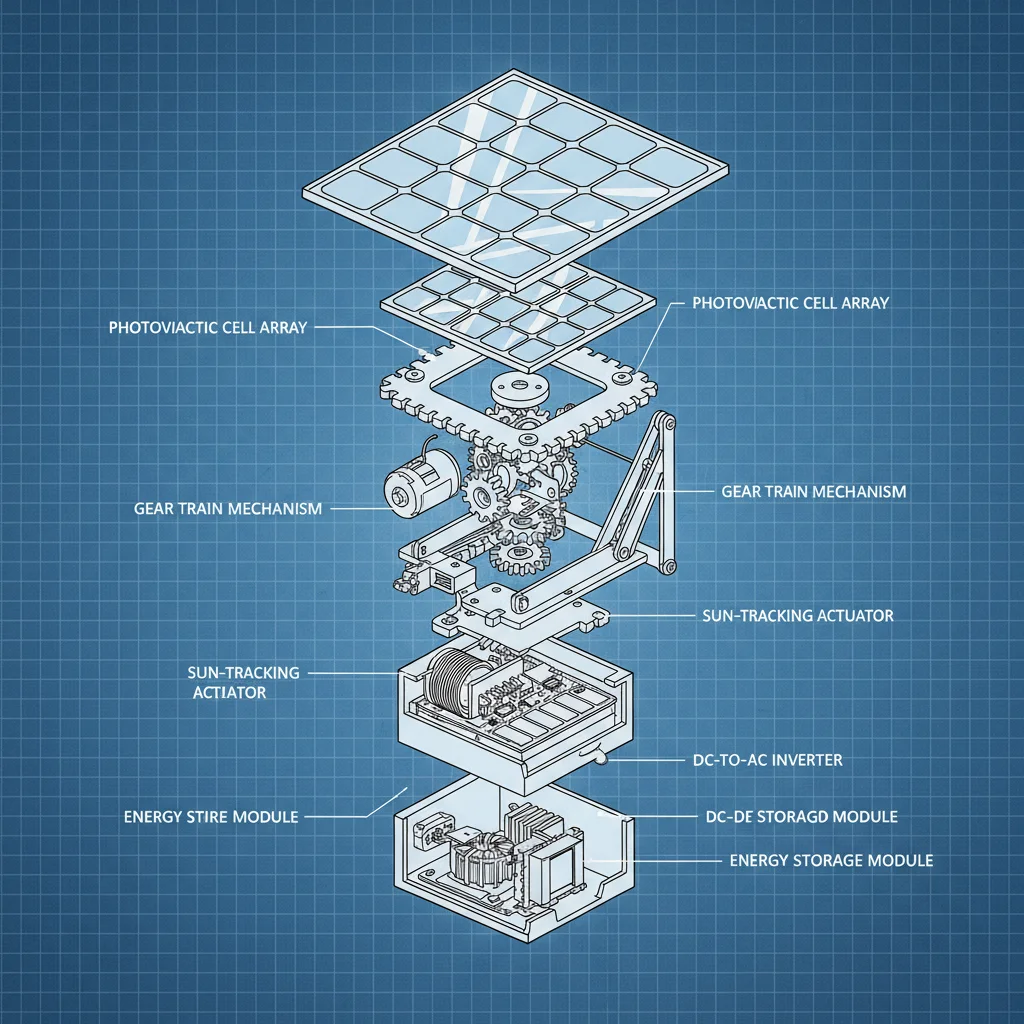
Integration with energy storage systems, such as batteries, is becoming increasingly common, allowing for the storage of excess energy generated during peak sunlight hours for use when the sun isn't shining. Smart solar panels, equipped with monitoring and control capabilities, provide real-time performance data and optimize energy production. The synergy between 360w solar panel and smart grid technologies will continue to drive innovation.
Furthermore, advancements in manufacturing processes and materials are expected to further reduce the cost of 360w solar panels, making them even more accessible and competitive with traditional energy sources.
Challenges and Solutions in 360w Solar Panel Implementation
Despite the numerous benefits, implementing 360w solar panels isn't without its challenges. Intermittency – the dependence on sunlight – remains a key concern. This can be addressed through energy storage solutions, grid integration, and diversification of energy sources. Initial installation costs can also be a barrier, although financing options and government incentives are becoming more readily available.
Another challenge is the land use requirements for large-scale solar farms. Innovative solutions, such as integrating solar panels into agricultural landscapes (agrivoltaics) and utilizing brownfield sites, are being explored to minimize land impact. Proper recycling and disposal of end-of-life solar panels are crucial to prevent environmental pollution, and robust recycling infrastructure is needed. 360w solar panel manufacturers are actively working towards more sustainable manufacturing practices and recycling solutions.
Supply chain disruptions and geopolitical factors can also impact the availability and cost of materials. Diversifying supply chains and investing in domestic manufacturing capabilities can help mitigate these risks.
Summarizing Core Challenges and Solutions for 360w Solar Panel Implementation
| Challenge |
Impact Level (1-5) |
Potential Solution |
Implementation Cost (1-5) |
| Intermittency of Sunlight |
4 |
Energy Storage Systems (Batteries) |
3 |
| High Initial Installation Cost |
3 |
Government Incentives and Financing Options |
2 |
| Land Use for Solar Farms |
2 |
Agrivoltaics and Brownfield Site Utilization |
3 |
| Recycling and Disposal Challenges |
3 |
Robust Recycling Infrastructure Development |
4 |
| Supply Chain Vulnerabilities |
2 |
Diversification of Supply Chains |
2 |
| Grid Integration Complexities |
3 |
Smart Grid Technologies and Upgrades |
4 |
FAQS
Most 360w solar panels come with a 25-year performance warranty, guaranteeing at least 80% of their original power output after that period. However, many panels continue to generate electricity well beyond 25 years, albeit at a slightly reduced efficiency. Proper maintenance and environmental conditions play a significant role in determining the actual lifespan. The robust construction of modern 360w solar panels makes them a long-term investment.
A typical 360w solar panel measures approximately 65-70 inches long and 40-42 inches wide, requiring around 17-18 square feet of roof space. However, the actual space needed will depend on the number of panels required to meet your energy needs and the layout of your roof. It's always best to consult with a qualified solar installer for a precise assessment.
While solar panels perform best in direct sunlight, they can still generate electricity on cloudy or rainy days. Diffused sunlight is still captured by the panels, although at a reduced output. The amount of electricity generated will vary depending on the cloud cover and the intensity of the rain. Modern panels are designed to maximize energy capture even in less-than-ideal conditions.
360w solar panels require minimal maintenance. Regular cleaning to remove dust, dirt, and debris is recommended, especially in areas with high levels of pollution. However, rain often provides sufficient cleaning. Periodic inspections by a qualified technician are advised to ensure optimal performance and identify any potential issues.
The number of 360w solar panels needed depends on your energy consumption, roof space, and sunlight availability. A qualified solar installer can assess your energy bills, evaluate your roof, and recommend the appropriate system size. They will consider factors such as your location, shading, and energy goals.
Yes, many governments offer incentives to encourage the adoption of solar energy, including tax credits, rebates, and net metering programs. The specific incentives vary depending on your location. Consult with your local authorities or a solar installer to learn about available programs. These incentives can significantly reduce the upfront cost of a 360w solar panel system.
Conclusion
The 360w solar panel represents a pivotal technology in the transition towards a sustainable energy future. Its efficiency, affordability, and durability, combined with government incentives and decreasing costs, make it an increasingly attractive option for homeowners, businesses, and large-scale energy producers. By embracing 360w solar panel technology, we can reduce our reliance on fossil fuels, mitigate climate change, and create a cleaner, more sustainable world for future generations.
Investing in a 360w solar panel system is not just an environmentally responsible choice; it's also a sound financial investment. As technology continues to advance and costs continue to decline, the benefits of solar power will only become more pronounced. We encourage you to explore the possibilities of harnessing the power of the sun and contribute to a brighter, greener future. Visit our website at www.shaobosolar.com to learn more and request a quote.