The global demand for renewable energy sources is surging, making the role of solar panel system suppliers increasingly critical. These suppliers are the backbone of the solar energy industry, providing the essential components for both large-scale solar farms and individual residential installations. Their efficiency, reliability, and ability to meet growing demand are pivotal to the world's transition towards a sustainable energy future. Understanding the landscape of these suppliers is key to unlocking the full potential of solar power.
The importance of selecting the right solar panel system suppliers extends beyond simply acquiring panels. It encompasses quality assurance, technological innovation, logistical efficiency, and ongoing support. A robust supply chain is essential for lowering the cost of solar energy, improving its accessibility, and ensuring the longevity of solar power infrastructure. This impacts everything from national energy security to individual household budgets.
Ultimately, the success of global solar energy initiatives depends heavily on the capabilities and responsiveness of solar panel system suppliers. Their ability to adapt to evolving technologies, meet stringent quality standards, and navigate complex global markets will determine how quickly and effectively we can harness the power of the sun.

The Global Significance of solar panel system suppliers
The global solar energy market is experiencing exponential growth, driven by factors such as decreasing costs, supportive government policies, and growing environmental concerns. According to the International Energy Agency (IEA), solar power is poised to become the leading source of electricity generation worldwide within the next few decades. This expansion directly translates to increased reliance on dependable solar panel system suppliers.
However, supply chain vulnerabilities and geopolitical tensions pose significant challenges to this growth. Recent disruptions, including raw material shortages and shipping delays, have highlighted the importance of diversified and resilient supply chains. The ability of solar panel system suppliers to mitigate these risks and maintain a consistent flow of high-quality components is crucial for ensuring the continued expansion of solar energy.
Defining solar panel system suppliers
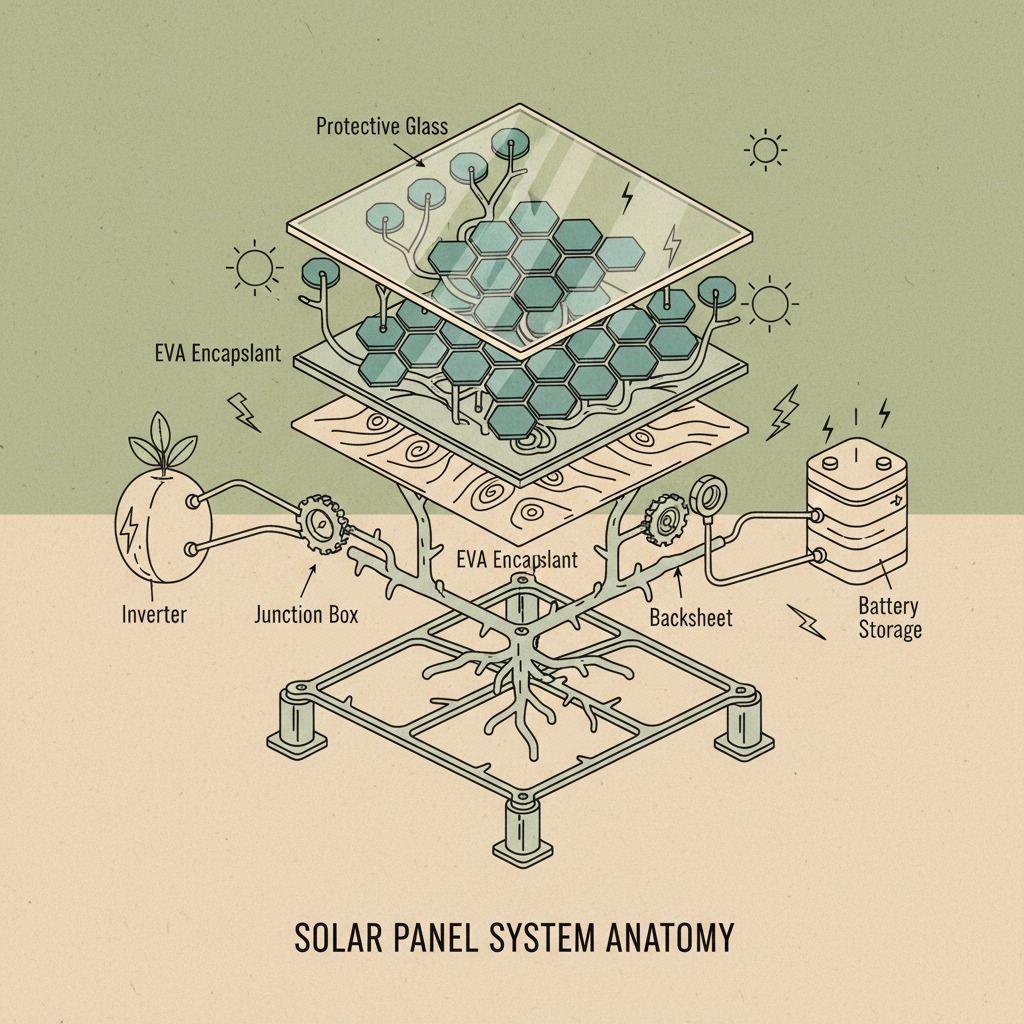
Solar panel system suppliers are companies involved in the manufacturing, distribution, and sale of components required for building solar power systems. This encompasses a broad range of products, including photovoltaic (PV) panels, inverters, mounting structures, cabling, and other essential accessories. Some suppliers specialize in specific components, while others offer complete, integrated solutions.
These suppliers play a vital role in the entire solar energy ecosystem, connecting manufacturers with installers, developers, and end-users. They often provide technical support, logistical services, and warranty programs. The quality and reliability of solar panel system suppliers directly impact the performance and longevity of solar installations, making careful selection a critical step in any solar project.
Moreover, increasingly, suppliers are incorporating value-added services like system design assistance, project financing options, and monitoring solutions. This holistic approach is reshaping the industry, transforming suppliers from simple component providers into full-service energy partners.
Key Factors in Selecting Suppliers
When evaluating solar panel system suppliers, several key factors must be considered. First and foremost is product quality and performance, verified by independent testing and certifications like IEC and UL. Suppliers should provide comprehensive product specifications, performance guarantees, and warranty coverage.
Secondly, financial stability and long-term viability are crucial. The solar industry is dynamic, and suppliers need to demonstrate a commitment to ongoing investment and innovation. A track record of consistent performance and a strong financial position indicate a supplier’s ability to meet future demand and honor warranty obligations. Third, supply chain resilience and logistical capabilities are critical for on-time delivery and minimizing project delays.
Finally, excellent customer service and technical support are invaluable. Responsive and knowledgeable support teams can help resolve issues quickly and efficiently, ensuring smooth project execution and long-term system performance. Considering these factors will help ensure a successful partnership with a solar panel system suppliers.
Performance Metrics of Solar Panel Suppliers
Assessing the performance of solar panel system suppliers requires evaluating several key metrics. One crucial indicator is manufacturing capacity and lead times. Suppliers should be able to reliably meet demand without causing significant delays. Another important metric is product efficiency, measured by the percentage of sunlight converted into electricity. Higher efficiency translates to greater energy output for a given area.
Warranty terms are also a significant performance indicator. Longer and more comprehensive warranties demonstrate a supplier’s confidence in the quality and durability of their products. Finally, ongoing innovation and R&D investment are indicators of a supplier’s commitment to improving performance and reducing costs.
Supplier Performance Ratings
Global Applications and Industry Impact
Solar panel system suppliers are critical to a wide range of applications. Large-scale solar farms, powering entire cities, rely heavily on their consistent supply of high-efficiency panels. Residential rooftop solar installations, enabling homeowners to generate their own electricity, depend on the availability of quality components and reliable installation support.
In remote and off-grid communities, where access to traditional electricity is limited, solar panel system suppliers are providing life-changing energy solutions. These systems power schools, hospitals, and businesses, improving the quality of life and fostering economic development. They also facilitate humanitarian aid efforts in disaster-stricken areas.
Advantages and Long-Term Value Proposition
The advantages of partnering with reputable solar panel system suppliers are multifaceted. Firstly, the cost of solar energy has dramatically decreased in recent years, making it increasingly competitive with fossil fuels. Secondly, solar power is a sustainable and environmentally friendly energy source, reducing carbon emissions and mitigating climate change.
Furthermore, solar energy enhances energy independence and reduces reliance on volatile global energy markets. The long-term value proposition includes reduced energy bills, increased property values, and a positive contribution to a cleaner, more sustainable future. Selecting a reliable supplier ensures these benefits are realized over the lifespan of the solar installation.
These benefits extend beyond economics and encompass social responsibility and environmental stewardship, fostering trust and building a more resilient energy infrastructure.
Future Trends and Innovation in Sourcing
The future of solar panel system suppliers is shaped by emerging technologies and evolving market dynamics. Innovations in panel materials, such as perovskites and bifacial panels, are driving increased efficiency and reducing costs. Digitalization and automation are streamlining supply chains and improving logistical efficiency.
Sustainability is becoming increasingly important, with a growing focus on responsible sourcing of materials and circular economy principles. The rise of energy storage solutions, such as batteries, is creating new opportunities for solar panel system suppliers to offer integrated energy systems.
Furthermore, blockchain technology is being explored for enhancing transparency and traceability in solar supply chains, ensuring ethical sourcing and combating counterfeit products.
Key Factors Influencing Supplier Selection
| Supplier Reputation | Product Quality & Certifications | Supply Chain Resilience | Cost Competitiveness |
|---|
| Industry Standing & Customer Reviews | IEC, UL, and other relevant certifications | Geographic diversification and inventory management | Pricing structures and long-term cost projections |
| Years of experience and market presence | Panel efficiency and degradation rates | Relationships with raw material providers | Payment terms and financing options |
| Financial stability and credit rating | Warranty length and coverage details | Risk mitigation strategies and contingency plans | Bulk discount opportunities and volume pricing |
| Commitment to sustainability and ethical sourcing | Durability testing and performance guarantees | Logistics network and shipping capabilities | Total cost of ownership analysis |
| Customer support and technical assistance | Compliance with industry standards and regulations | Inventory levels and lead times | Value-added services (design, installation support) |
| Innovation and R&D investment | Product lifecycle assessment and environmental impact | Supply chain transparency and traceability | Long-term partnership potential and scalability |
FAQS
When selecting a solar panel system supplier, prioritize product quality and certifications (IEC, UL), financial stability, supply chain reliability, warranty terms, and customer support. Consider their track record, reputation, and commitment to sustainability. Investigate their manufacturing capacity and ability to meet your project timelines. A thorough evaluation will help you choose a supplier that aligns with your needs and ensures a successful solar installation.
Verify panel quality by checking for certifications from reputable organizations like IEC and UL. Request data sheets that detail performance specifications, including efficiency, temperature coefficient, and degradation rates. Consider independent testing reports and customer reviews. A reputable solar panel system supplier will readily provide this information and offer samples for inspection.
A strong warranty is crucial, protecting your investment against defects and performance issues. Look for warranties covering both product defects and power output degradation. Pay attention to the warranty period, coverage scope, and claims process. A longer warranty with comprehensive coverage indicates the supplier's confidence in their product and their commitment to customer satisfaction. A reliable solar panel system supplier will stand behind their product.
Assess supply chain resilience by inquiring about the supplier’s sourcing practices, manufacturing locations, and inventory management strategies. Diversified sourcing and robust inventory control can mitigate risks from disruptions like raw material shortages or geopolitical events. A transparent and reliable solar panel system supplier will be able to demonstrate a resilient supply chain.
Many solar panel system suppliers offer valuable support services, including system design assistance, component selection guidance, and installation training. This expertise can optimize system performance and ensure compliance with local regulations. Look for suppliers with experienced engineers and technical support teams who can provide comprehensive assistance throughout the project lifecycle.
A supplier’s commitment to sustainability is increasingly important. Consider their environmental practices, ethical sourcing policies, and efforts to reduce their carbon footprint. Look for suppliers with certifications like ISO 14001 and a demonstrated commitment to responsible manufacturing. Choosing a sustainable solar panel system supplier aligns with the environmental benefits of solar energy.
Conclusion
In conclusion, selecting the right solar panel system suppliers is paramount to the success of any solar energy project. Prioritizing quality, reliability, financial stability, and sustainable practices ensures long-term performance, cost-effectiveness, and environmental responsibility. The evolving landscape of solar technology demands a proactive approach to sourcing, with a focus on innovation and resilience.
Looking ahead, collaboration between solar developers, installers, and suppliers will be crucial for driving continued growth and innovation in the industry. By embracing digitalization, automation, and circular economy principles, we can create a more efficient, transparent, and sustainable solar energy ecosystem. Visit our website at www.shaobosolar.com to learn more about how we can help you with your solar energy needs.