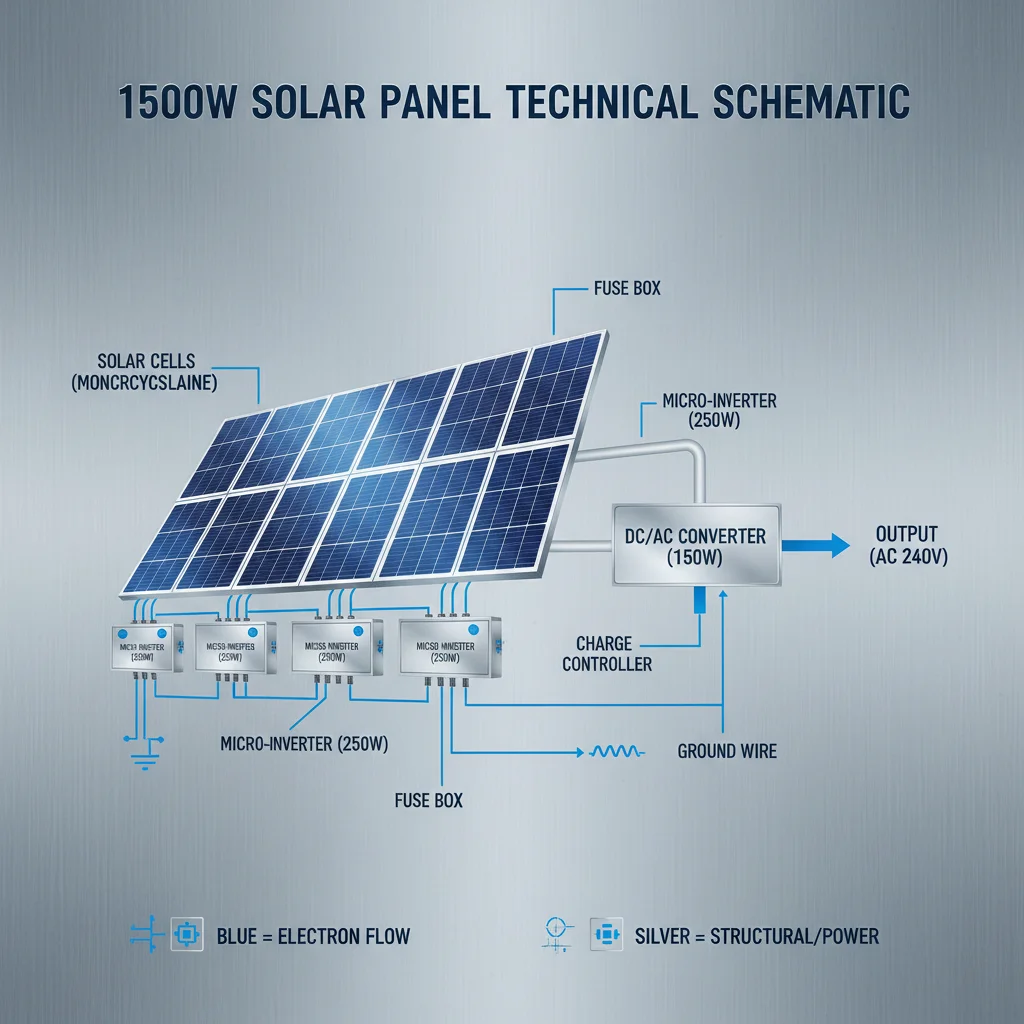
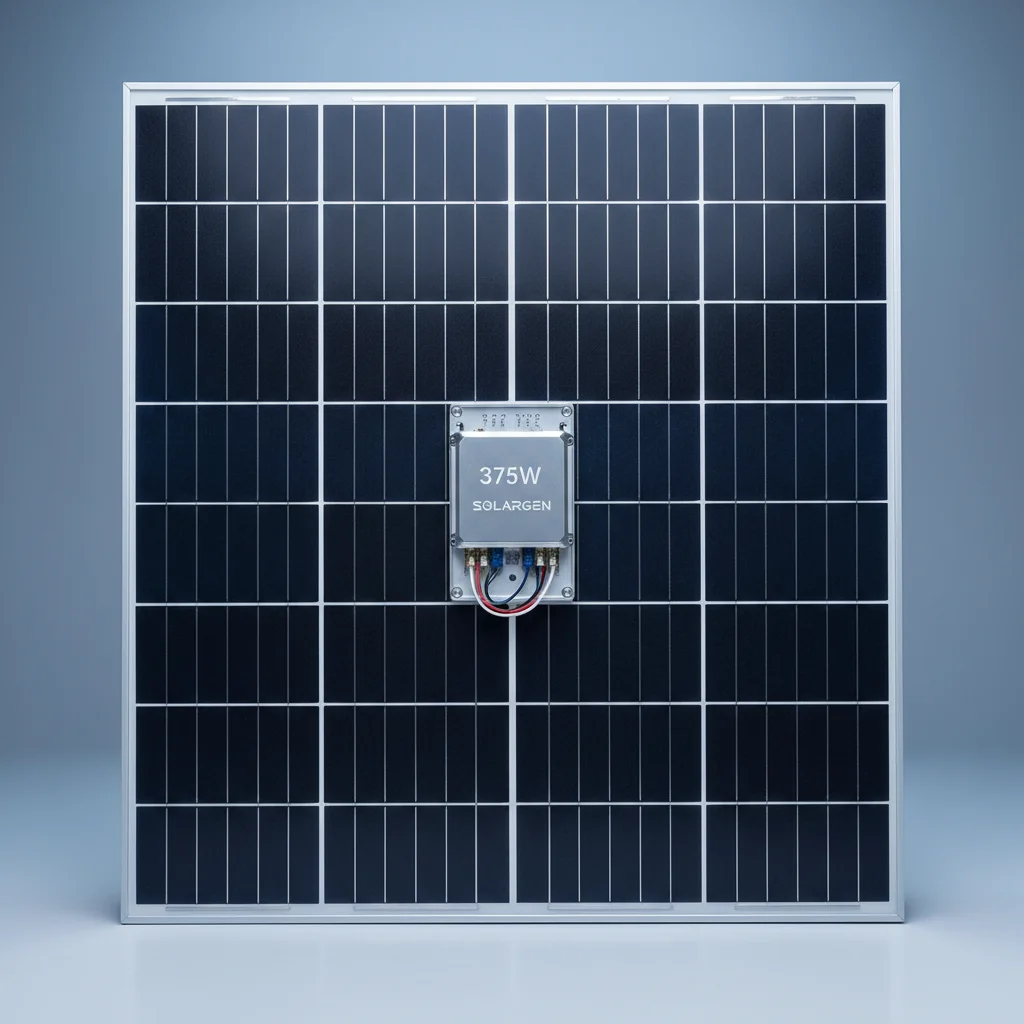
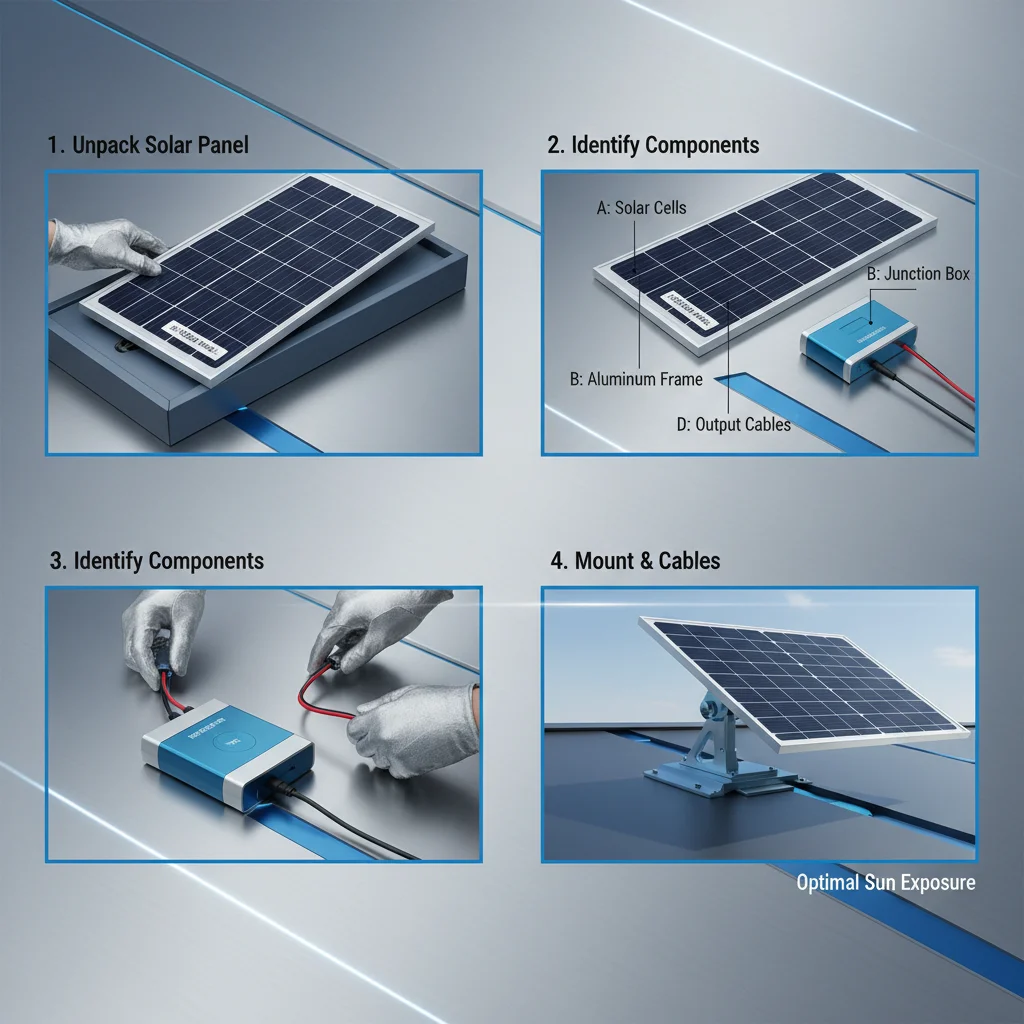
Mono poly solar panel technology represents a pivotal advancement in renewable energy, offering a compelling pathway towards a sustainable future. The increasing global demand for clean energy sources, driven by environmental concerns and dwindling fossil fuel reserves, has propelled mono poly solar panel solutions to the forefront of the energy sector. Understanding the nuances of these systems, from their fundamental components to their diverse applications, is crucial for policymakers, investors, and consumers alike. These panels are increasingly becoming a cornerstone of efforts to mitigate climate change and secure energy independence.
The significance of mono poly solar panel extends beyond mere energy generation; it encompasses economic development, job creation, and social empowerment. From large-scale solar farms powering entire cities to off-grid systems providing electricity to remote communities, mono poly solar panel solutions are adaptable and scalable to address a wide range of energy needs. The falling costs of solar technology, coupled with supportive government policies, are further accelerating its adoption worldwide, creating new opportunities for innovation and investment.
Ultimately, the widespread implementation of mono poly solar panel is not just an environmental imperative but a smart economic strategy. It reduces reliance on volatile fossil fuel markets, fosters energy security, and creates a cleaner, healthier planet for future generations. Investing in and understanding this technology is essential for a sustainable and prosperous future.
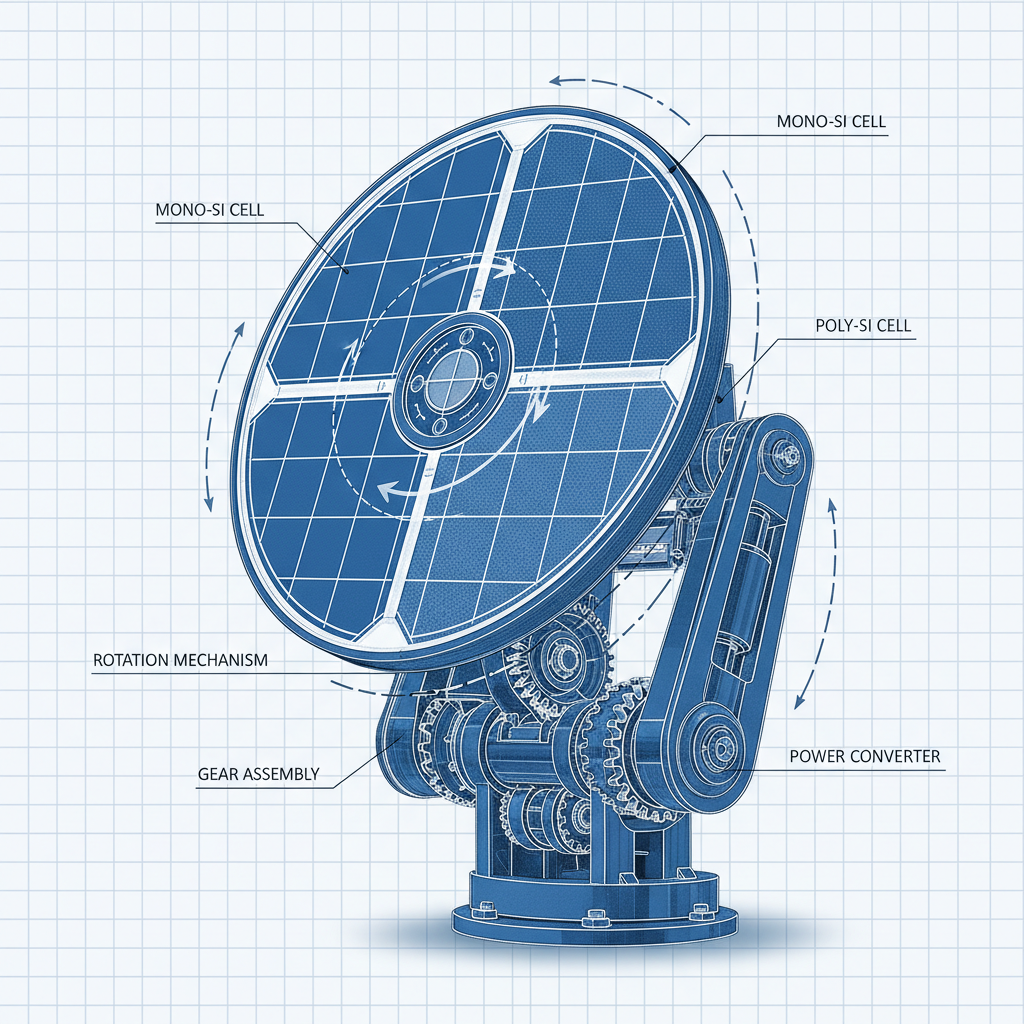
Mono poly solar panel represent a crucial element in the global transition towards renewable energy sources. These panels harness the power of the sun to generate electricity, offering a clean and sustainable alternative to traditional fossil fuels. Their versatility allows for deployment in a wide range of applications, from residential rooftops to large-scale power plants.
The core appeal of mono poly solar panel lies in their ability to reduce carbon emissions and mitigate the effects of climate change. As the world strives to meet the goals of the Paris Agreement and reduce its dependence on polluting energy sources, mono poly solar panel are poised to play an increasingly important role in shaping a cleaner and more sustainable future.
Most mono poly solar panel come with a 25-30 year performance warranty, guaranteeing at least 80-85% of their original output after that period. However, many panels continue to generate electricity beyond this timeframe, albeit at a reduced capacity. Proper maintenance and environmental conditions can significantly impact lifespan. Degradation rates are typically less than 1% per year, meaning a panel will still be producing substantial power decades after installation.
While mono poly solar panels perform optimally in direct sunlight, they can still generate electricity in cloudy or shaded conditions. However, the output will be reduced. Modern panels incorporate technologies like bypass diodes to minimize the impact of shading. The amount of power generated will depend on the intensity of the cloud cover or the extent of the shading.
The manufacturing of solar panels does involve the use of energy and materials, and proper disposal is essential. However, the environmental benefits of solar energy far outweigh these impacts over the panel’s lifespan. The solar industry is actively developing more sustainable manufacturing processes and recycling technologies to minimize waste and recover valuable materials. Efforts are focused on improving circular economy models within the solar sector.
Mono poly solar panel systems require minimal maintenance. Typically, an annual inspection and cleaning are sufficient. Cleaning removes dust, dirt, and debris that can reduce energy output. Monitoring system performance through remote monitoring software can help identify potential issues early on. In most cases, the system operates autonomously with little intervention needed.
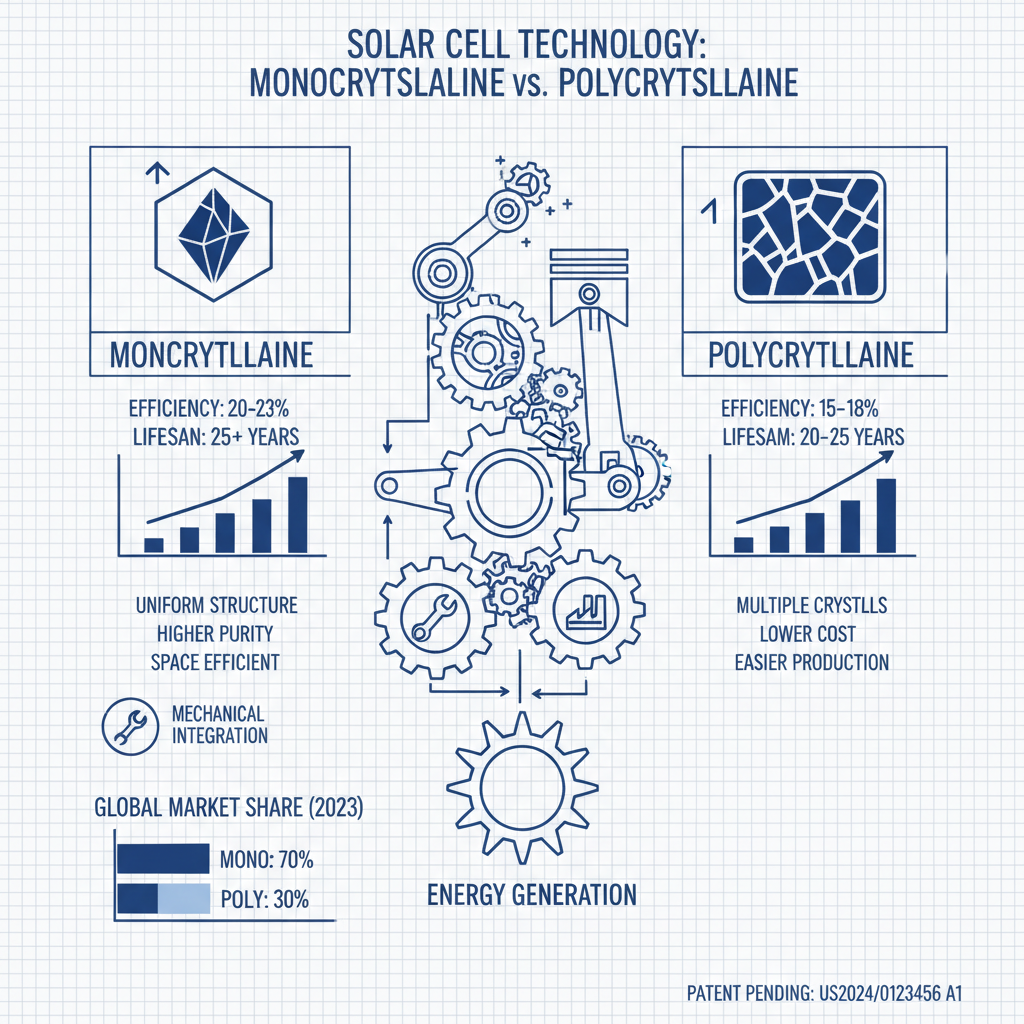
Monocrystalline panels are made from a single silicon crystal, resulting in higher efficiency and a sleek appearance, but generally at a higher cost. Polycrystalline panels are made from multiple silicon fragments, offering a more affordable option with slightly lower efficiency. “Better” depends on your needs; monocrystalline is preferred for limited space, while polycrystalline is good for larger areas where cost is a primary concern. Mono poly panels are a good hybrid option.
Yes, studies have shown that homes with solar panel systems often have higher property values. Buyers appreciate the reduced energy costs and the environmental benefits. A solar panel system is viewed as an upgrade and can make a home more attractive in the real estate market. The exact increase in value will vary depending on location, system size, and local market conditions.
Mono poly solar panel represent a transformative technology with the potential to reshape the global energy landscape. Their versatility, affordability, and environmental benefits make them a compelling solution for addressing the world’s growing energy needs and combating climate change. From powering homes and businesses to providing electricity in remote communities, these panels are driving a cleaner, more sustainable future.
Embracing mono poly solar panel requires continued investment in research and development, supportive government policies, and increased public awareness. By fostering innovation, addressing challenges, and promoting widespread adoption, we can unlock the full potential of this technology and create a brighter, more sustainable world for generations to come. Visit our website at www.shaobosolar.com to learn more about how mono poly solar panel can benefit you.



Hit enter to search or ESC to close