Mono and poly solar panels represent the cornerstone of modern renewable energy, offering a viable pathway towards a sustainable future. Their increasing adoption globally isn't merely a technological shift; it’s a response to pressing environmental concerns and a growing demand for energy independence. Understanding the nuances between mono and poly crystalline silicon, their performance characteristics, and their applications is crucial for anyone involved in energy production, infrastructure development, or environmental sustainability.
The global solar energy market is experiencing exponential growth. According to the International Renewable Energy Agency (IRENA), total installed solar PV capacity reached over 1 TW in 2022, and projections indicate continued expansion. This surge is driven by declining costs, government incentives, and a heightened awareness of climate change. Mono and poly solar panels are central to this growth, powering homes, businesses, and entire communities.
A key challenge remains in optimizing the efficiency, durability, and cost-effectiveness of these technologies. Choosing between mono and poly panels isn't always straightforward, requiring a careful assessment of specific project needs and environmental conditions. This understanding is critical for maximizing return on investment and achieving long-term energy goals.
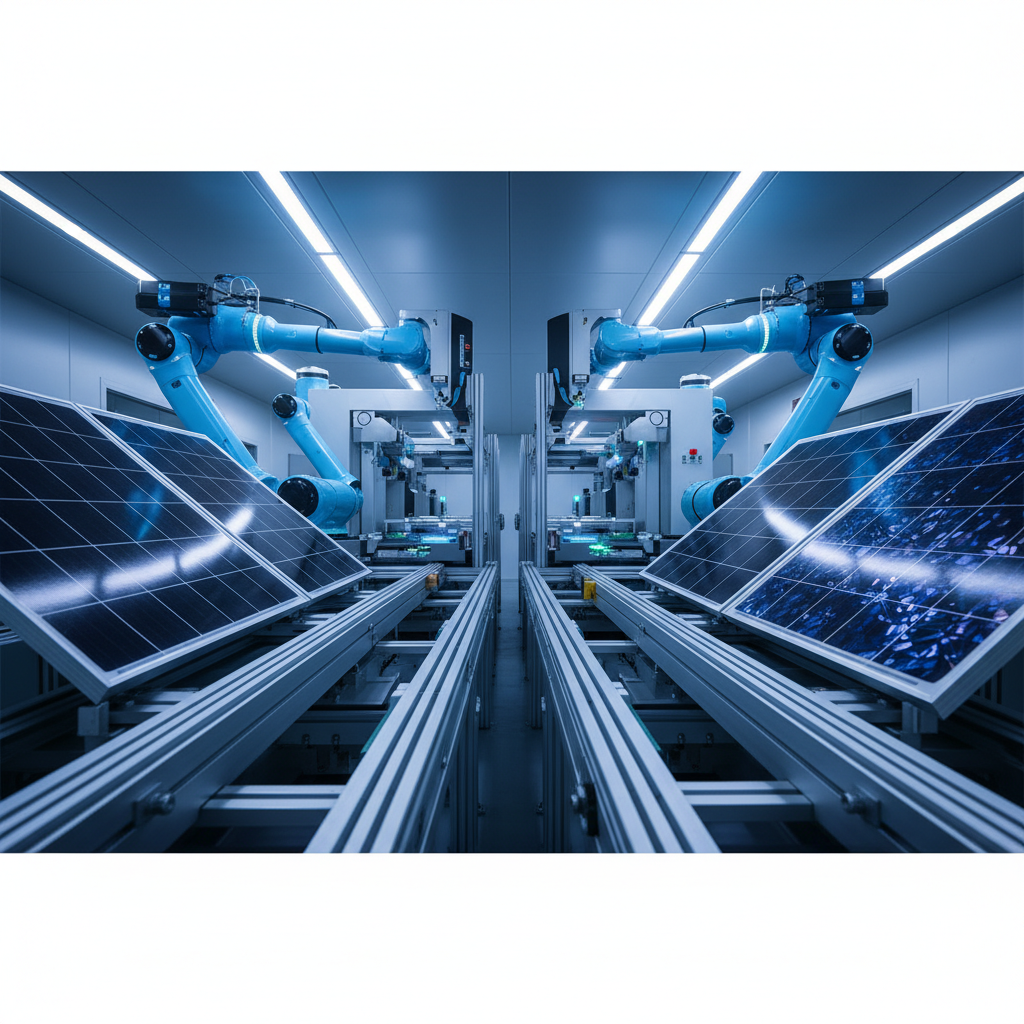
Mono and poly solar panels are the two dominant technologies driving the solar revolution, both converting sunlight into electricity through the photovoltaic effect. Understanding their fundamental differences – stemming from the silicon crystal structure – is vital for informed decision-making. While both contribute to a cleaner energy future, they exhibit distinct advantages and disadvantages in terms of efficiency, cost, and aesthetic appeal.
The application of mono and poly solar panel spans a wide range of sectors, from residential rooftop installations to large-scale solar farms. The choice between the two often depends on factors such as available space, budget constraints, and desired energy output. Continued research and development efforts are focused on improving the performance and reducing the cost of both technologies, paving the way for even wider adoption.
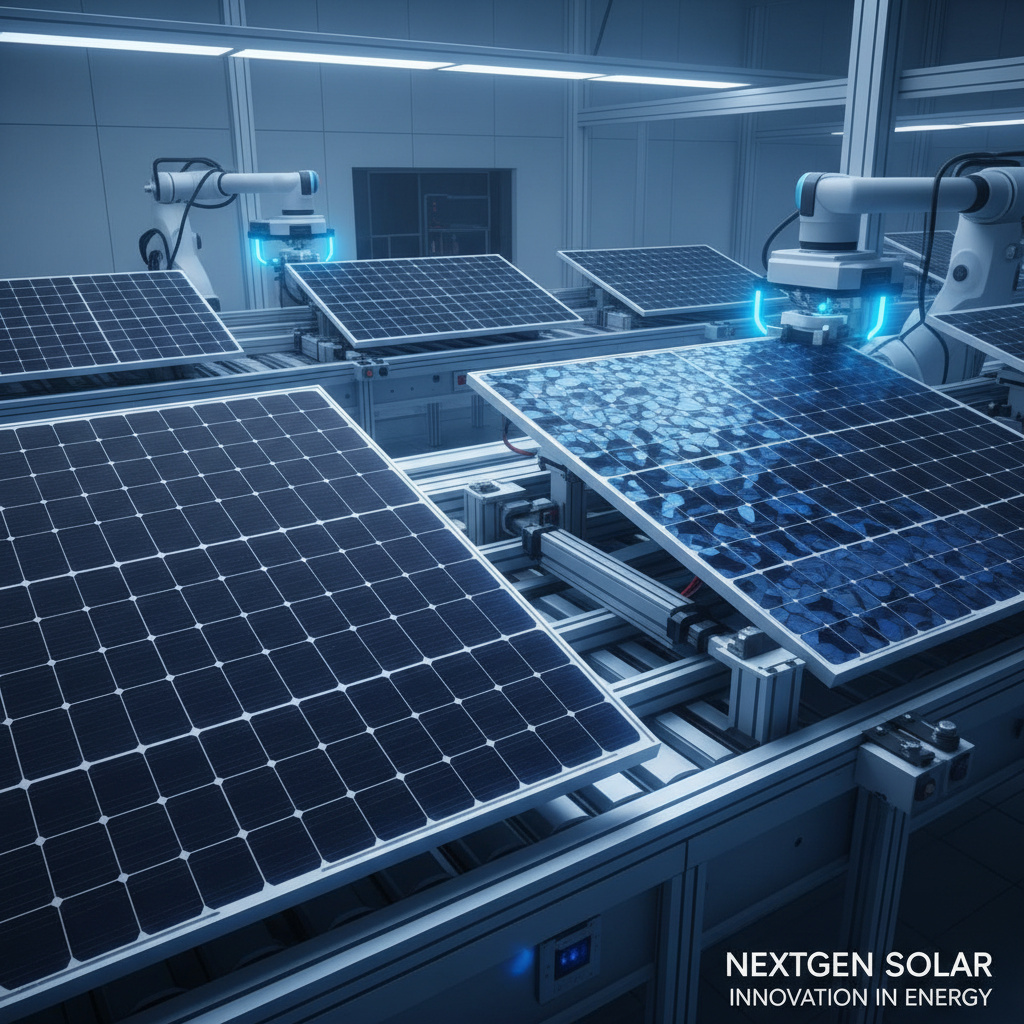
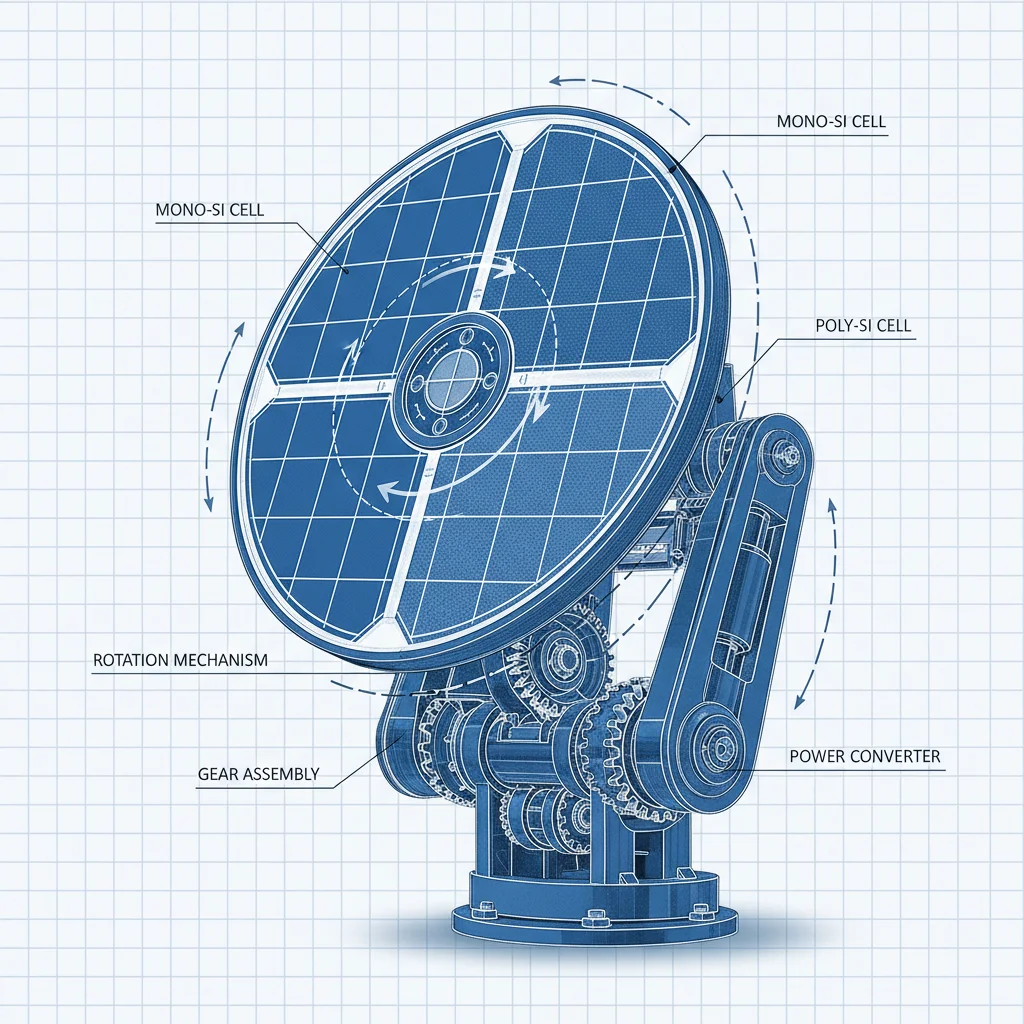
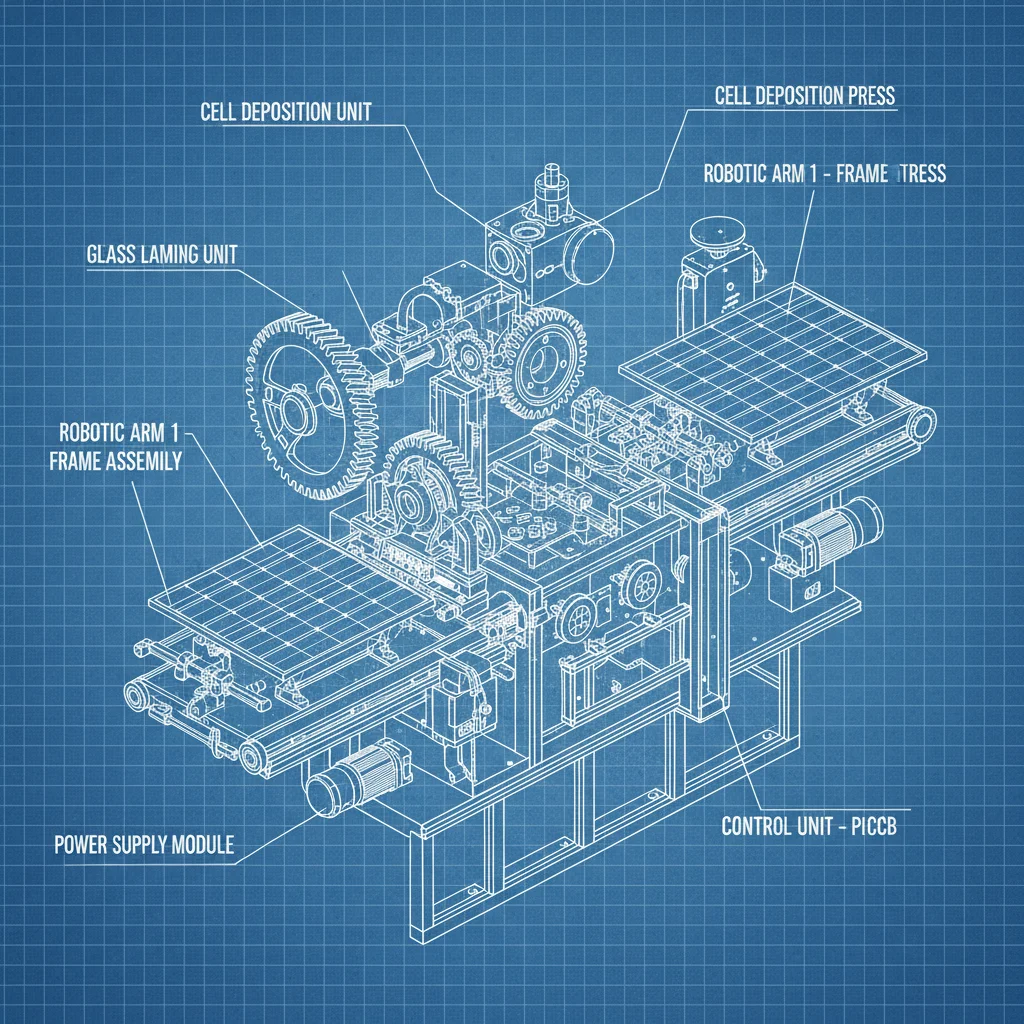
Monocrystalline solar panels are manufactured from a single, pure silicon crystal. This process involves growing a cylindrical silicon ingot, which is then sliced into wafers. The resulting panels are characterized by their uniform dark black appearance and higher efficiency. The purity of the silicon contributes to a more efficient conversion of sunlight into electricity.
Polycrystalline solar panels, on the other hand, are made by melting multiple silicon fragments together. This molten silicon is then poured into a square mold and cooled, resulting in a panel with a speckled blue appearance. While generally less efficient than monocrystalline panels, polycrystalline panels are typically more affordable to produce.
Both types of panels operate based on the photovoltaic effect, where photons from sunlight excite electrons in the silicon material, creating an electrical current. The difference lies in the crystal structure and the resulting efficiency of this process, impacting the overall power output of the panel.
Durability is a crucial factor when considering solar panel investment. Monocrystalline panels, due to their uniform structure, often exhibit slightly better long-term durability and resistance to microcracks caused by thermal stress. Polycrystalline panels, while also durable, may be more susceptible to degradation over time.
Scalability refers to the ability to expand a solar energy system. Both mono and poly panels are readily scalable, allowing users to add more panels as their energy needs grow. The modular nature of solar panels makes it easy to customize systems to fit specific requirements, regardless of the panel type.
Cost efficiency is often a deciding factor for many consumers. Polycrystalline panels generally offer a lower upfront cost compared to monocrystalline panels, making them an attractive option for budget-conscious buyers. However, the higher efficiency of monocrystalline panels can lead to lower long-term costs due to greater energy production.
Monocrystalline panels typically boast efficiencies ranging from 17% to 22%, meaning they convert a larger percentage of sunlight into usable electricity. This higher efficiency translates to more power generation per square foot, making them ideal for installations with limited roof space.
Polycrystalline panels generally have efficiencies between 15% and 17%. While slightly lower, this efficiency is still sufficient for many applications, particularly where space is not a major constraint. The cost savings associated with polycrystalline panels often outweigh the slight reduction in efficiency.
The applications of mono and poly solar panel are diverse. In residential settings, rooftop installations are common, providing homeowners with a clean and sustainable energy source. Commercial and industrial buildings are increasingly adopting large-scale solar arrays to reduce their carbon footprint and energy costs.
Large-scale solar farms are becoming increasingly prevalent globally. Countries like China, the United States, and India are leading the way in solar energy deployment, with significant investments in utility-scale solar projects. These farms provide a reliable source of renewable energy for entire communities and regions.
Investing in mono and poly solar panels offers significant long-term financial benefits. Reduced electricity bills, government incentives, and potential revenue generation through net metering can result in substantial savings over the lifespan of the system.
From an environmental perspective, solar energy is a clean and sustainable alternative to fossil fuels. It reduces greenhouse gas emissions, mitigates climate change, and conserves natural resources. Choosing solar energy demonstrates a commitment to environmental responsibility and a sustainable future.
The reliability of modern solar panels is also a key advantage. Most panels come with 25-30 year warranties, guaranteeing a certain level of performance over time. With proper maintenance, a solar energy system can provide decades of clean and affordable energy.
Ongoing research and development are focused on improving the efficiency and reducing the cost of both mono and poly solar panels. Emerging technologies such as perovskite solar cells and bifacial panels hold the potential to further enhance performance.
One significant challenge is improving energy storage solutions. Pairing solar panels with battery storage systems allows for greater energy independence and resilience, particularly during periods of low sunlight. Advances in battery technology are crucial for maximizing the benefits of solar energy.
Furthermore, advancements in smart grid technologies are essential for integrating solar energy into the existing electricity infrastructure. Smart grids enable more efficient energy distribution and management, maximizing the use of renewable energy sources.
| Environmental Conditions | Panel Material | System Size | Overall Performance Score (1-10) |
|---|---|---|---|
| High Temperature, Low Humidity | Monocrystalline Silicon | 5kW Residential | 8 |
| Moderate Temperature, High Humidity | Polycrystalline Silicon | 10kW Commercial | 7 |
| Cold Climate, High Snowfall | Monocrystalline Silicon | 20kW Industrial | 9 |
| Hot, Dry Climate | Polycrystalline Silicon | 3kW Residential | 6 |
| Temperate Climate, Consistent Sunlight | Monocrystalline Silicon | 50kW Utility Scale | 10 |
| Cloudy Climate, Intermittent Sunlight | Polycrystalline Silicon | 1kW Off-Grid | 5 |
Most mono and poly solar panels come with a 25-30 year performance warranty, guaranteeing at least 80% of their original power output after that period. However, with proper maintenance, many panels can continue to generate electricity for 40 years or more, though at a gradually declining efficiency. Factors like climate, panel quality, and installation practices influence longevity.
Monocrystalline panels generally have a higher upfront cost due to the more complex manufacturing process. However, their superior efficiency means you can generate more power from a smaller area. If space is limited or maximizing power output is critical, the added investment can be worthwhile. Consider your energy needs and available space when making a decision.
Solar panel efficiency decreases as temperature increases. This is a common characteristic of silicon-based solar cells. While modern panels are designed to mitigate this effect, extreme heat can reduce power output. Proper ventilation and panel placement can help minimize temperature-related losses. Some newer technologies are less susceptible to this effect.
Solar panels require relatively little maintenance. Periodic cleaning to remove dirt, dust, and debris is recommended, especially in areas with high pollution or pollen. Regular visual inspections can identify any potential issues, such as cracked panels or damaged wiring. Professional maintenance checks every few years are also advisable.
Yes, solar panels can be recycled, but the process is complex and not yet widely available. Solar panel recycling involves recovering valuable materials like silicon, glass, and aluminum. As the number of decommissioned panels increases, investment in robust recycling infrastructure is crucial for minimizing environmental impact.
The best panel type for a residential rooftop depends on several factors including roof size, energy needs, and budget. Monocrystalline panels are often preferred for smaller roofs due to their higher efficiency. Polycrystalline panels can be a cost-effective option for larger roofs with ample space. A professional solar installer can assess your specific situation and recommend the most suitable panel type.
Mono and poly solar panels are revolutionizing the way we generate and consume energy. From their fundamental differences in manufacturing to their varying levels of efficiency and cost, understanding these technologies is paramount for making informed decisions. Whether it's powering a home, a business, or an entire community, both mono and poly panels offer a sustainable and increasingly affordable alternative to traditional fossil fuels.
Looking ahead, continuous innovation in materials science, panel design, and energy storage will further enhance the performance and reduce the cost of solar energy. Embracing these advancements and promoting widespread adoption of mono and poly solar panel technology is essential for building a cleaner, more sustainable future. Visit our website at www.shaobosolar.com to learn more and explore our range of solar solutions.

Hit enter to search or ESC to close
If you are interested in our products, you can choose to leave your information here, and we will be in touch with you shortly.