24 March 2026
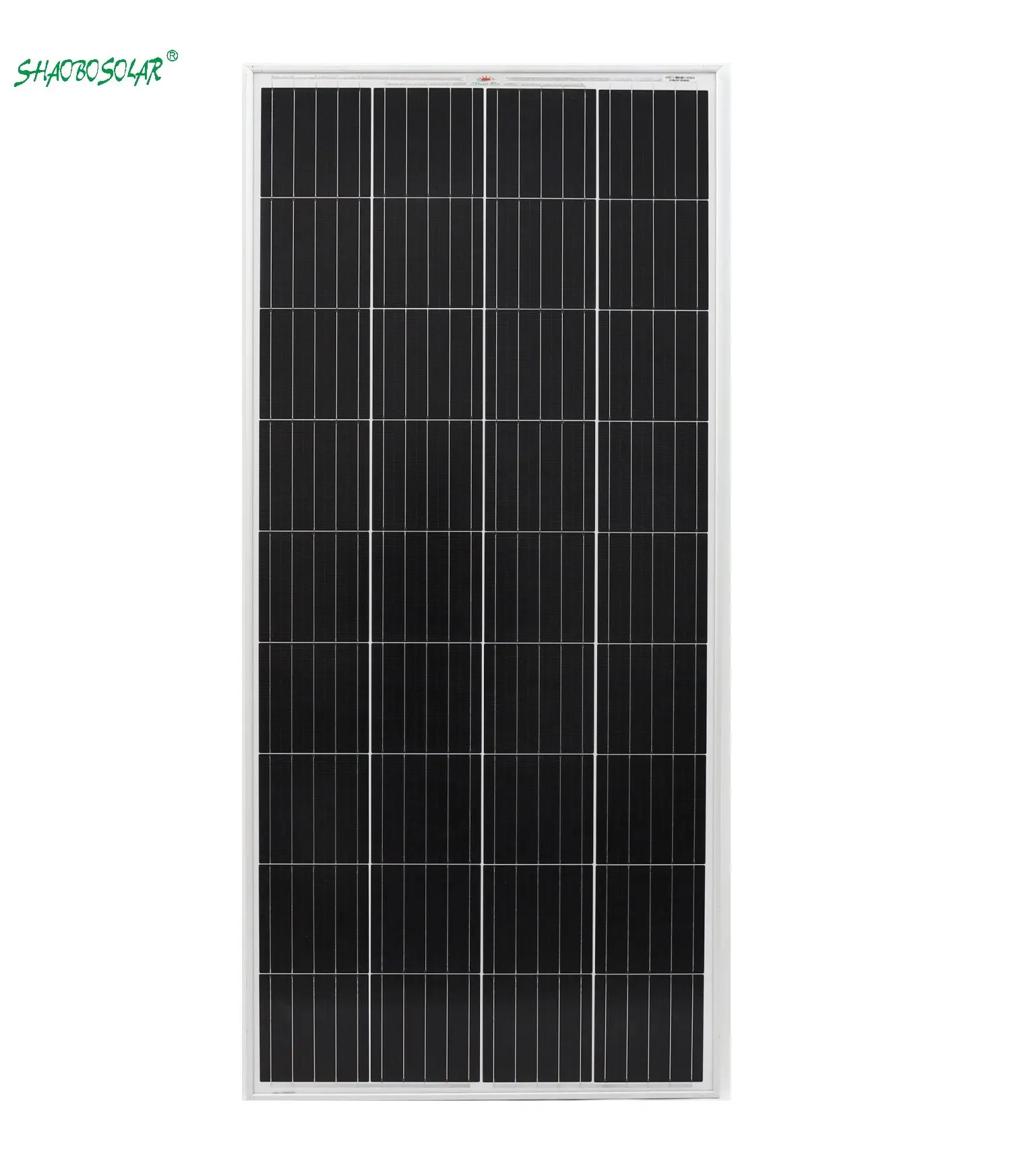
Considering a switch to solar energy? A 160 watt solar panel is a fantastic starting point, offering a balance of power, portability, and affordability. Whether you're looking to power a cabin, RV, or simply reduce your carbon footprint, understanding the capabilities of a 160W panel is crucial. This article delves into everything you need to know about these versatile solar solutions, including their applications, benefits, and how they compare to other options. Let's explore how a 160 watt solar panel can empower your energy needs.
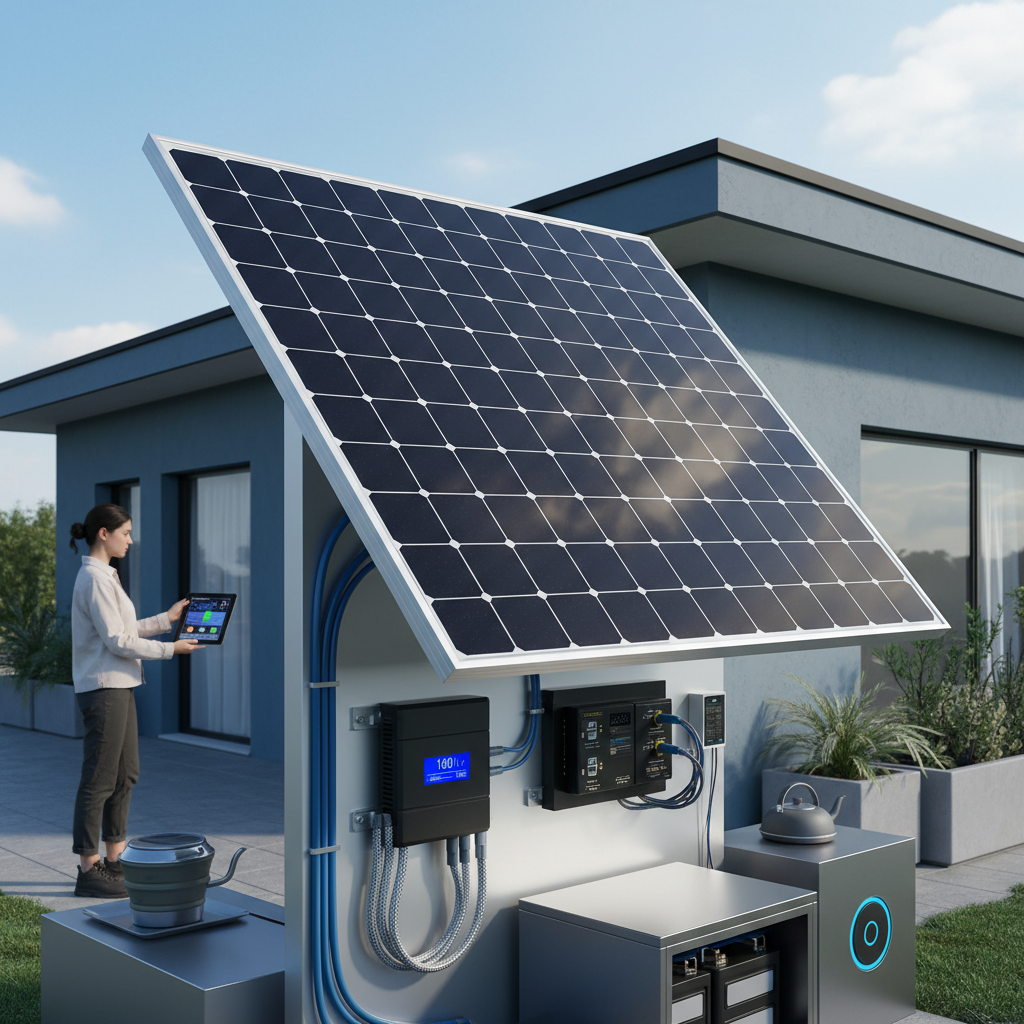
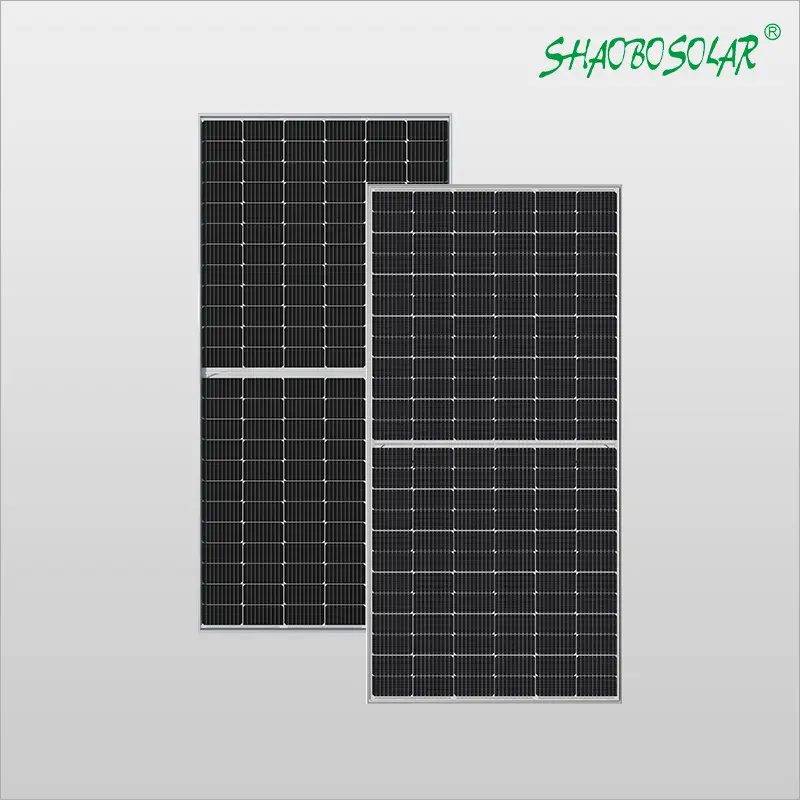
A 160W solar panel is a versatile option capable of powering a variety of devices and systems. On average, a 160W panel can generate around 800-1000 Watt-hours (Wh) of electricity per day, depending on sunlight conditions. This is sufficient to charge smartphones, laptops, and small appliances. It can also keep lights on for several hours, run a small fan, or power a portable refrigerator. For off-grid living, a 160W panel can be part of a larger system to provide consistent power. Understanding your energy consumption is key to determining if a 160W panel meets your specific requirements. Shaobo Solar offers a range of options to help you calculate your energy needs and choose the right panel.
Key Takeaway: A 160W solar panel is ideal for powering smaller appliances and devices, and can be scaled up as part of a larger off-grid system.
The applications for a 160W solar panel are incredibly diverse. Popular uses include:
The portability of many 160W panels makes them an excellent choice for those on the go. Explore Shaobo Solar's portable options for convenient and reliable power wherever you are.
When choosing a 160W solar panel, several specifications are important to consider. These factors influence performance, durability, and overall value.
The best wattage for your needs depends on your energy consumption. Here’s a quick comparison:
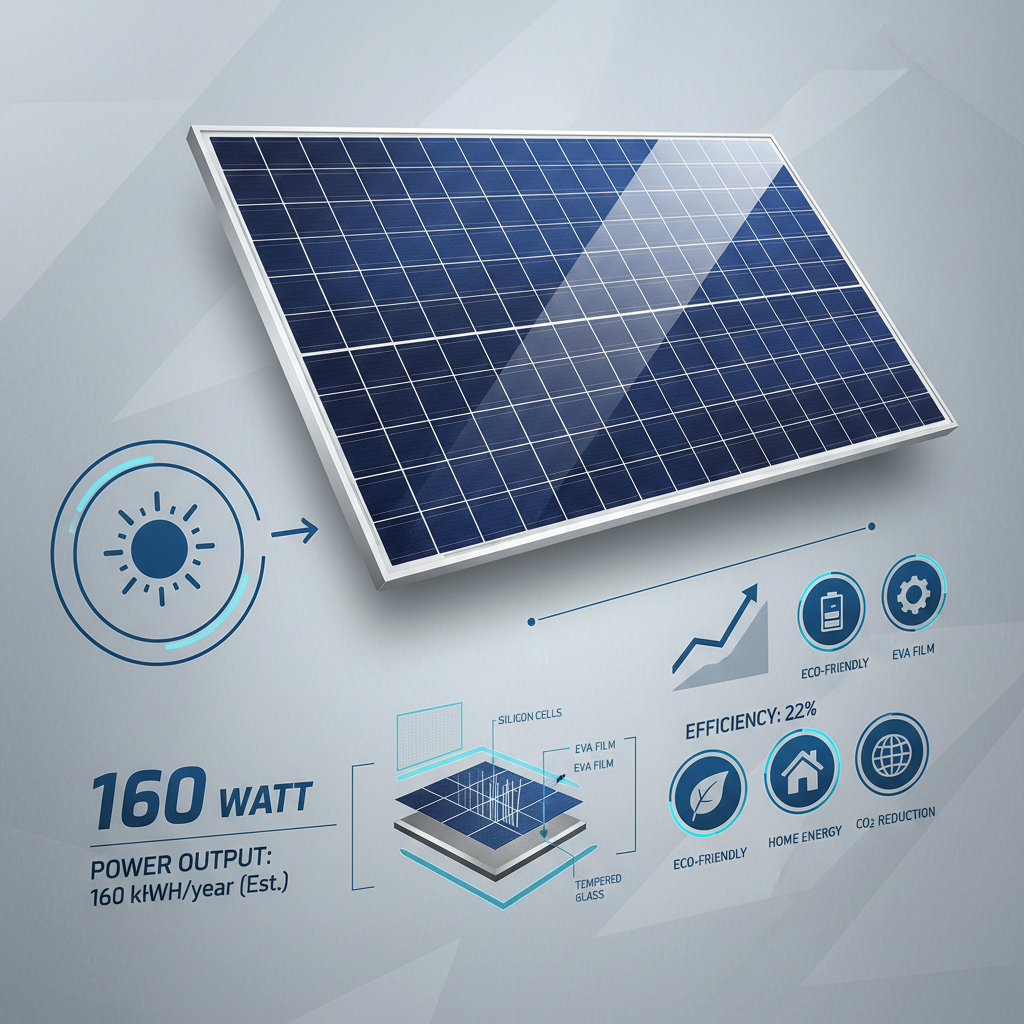
As you can see, a 160W panel offers a great balance for smaller applications. For larger power needs, consider panels with higher wattages. Shaobo Solar provides a wide range of wattage options to suit any requirement.
To get the most out of your 160W solar panel, consider these tips:
A 160 watt solar panel is an excellent entry point into the world of renewable energy. Its versatility, affordability, and ease of use make it a compelling option for a wide range of applications. By understanding its capabilities and following best practices for installation and maintenance, you can harness the power of the sun and reduce your reliance on traditional energy sources. Invest in a sustainable future with Shaobo Solar.
The charging time depends on the battery's capacity (Ah) and sunlight conditions. Assuming an average of 5 hours of peak sunlight per day and an 80% charging efficiency, a 160W panel can deliver approximately 800Wh of energy. To calculate the charging time for a 100Ah 12V battery (1200Wh capacity), you’d divide 800Wh by 12V, resulting in about 66.67Ah per day. This means it would take approximately 1.5-2 days to fully charge a depleted 100Ah battery. A charge controller is essential to prevent overcharging and protect the battery.
Monocrystalline panels are made from a single silicon crystal, resulting in higher efficiency and a sleek, black appearance. They perform better in low-light conditions but are typically more expensive. Polycrystalline panels are made from multiple silicon fragments, offering a lower cost but also lower efficiency and a speckled, blue appearance. For a 160W panel, the performance difference might not be significant for most applications, but monocrystalline panels are generally preferred for space-constrained installations.
Yes, a charge controller is highly recommended, especially when charging batteries. It regulates the voltage and current flowing from the solar panel to the battery, preventing overcharging, which can damage the battery. There are two main types: PWM (Pulse Width Modulation) and MPPT (Maximum Power Point Tracking). MPPT controllers are more efficient, especially in cooler temperatures or partial shading, but also more expensive. For a 160W panel and smaller battery systems, a PWM controller might be sufficient.


Hit enter to search or ESC to close