6 March 2026
Choosing the right solar panel for your needs can be complex. Two of the most common types are monocrystalline and polycrystalline panels, often referred to as 'mono' and 'poly' respectively. Each offers unique advantages and disadvantages in terms of efficiency, cost, and aesthetics. This article will break down the key differences between mono and poly solar panels, helping you make an informed decision for your energy solution. We’ll cover everything from manufacturing processes to real-world performance, all geared towards maximizing your return on investment and contributing to a sustainable future.
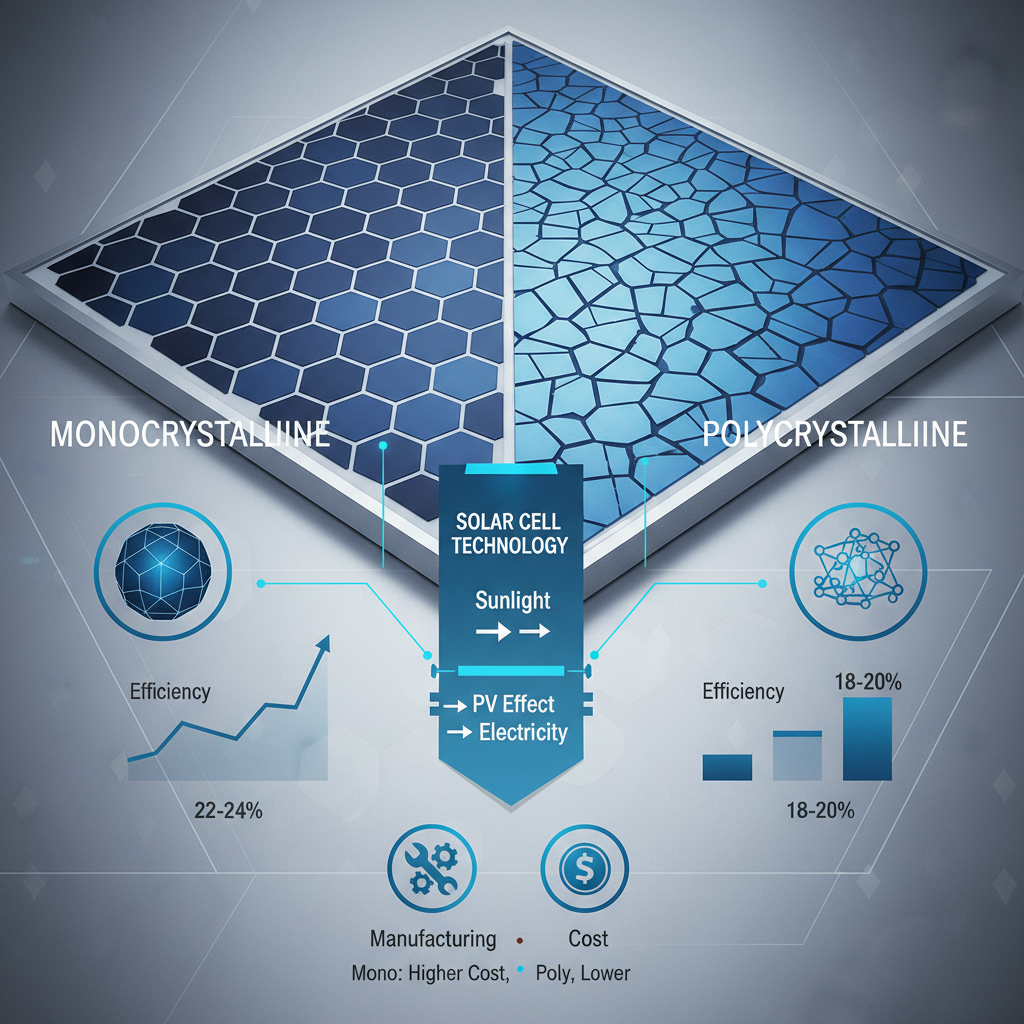
The primary difference between mono and poly solar panels lies in the manufacturing process. Monocrystalline panels are created from a single crystal of silicon. This involves a complex and costly process called the Czochralski method, where a silicon seed crystal is used to draw silicon from molten polycrystalline silicon, forming a cylindrical ingot. This ingot is then sliced into wafers. Polycrystalline panels, on the other hand, are made by melting multiple silicon fragments together. This molten silicon is then poured into a square mold and allowed to cool and solidify. Because this process is simpler, it results in lower production costs. Understanding this difference is key to comprehending the cost variations between the two panel types. Shaobo Solar utilizes advanced manufacturing techniques for both panel types.
Key Takeaway: The single-crystal structure of monocrystalline silicon leads to higher efficiency, but also higher manufacturing costs compared to the multi-crystal structure of polycrystalline silicon.
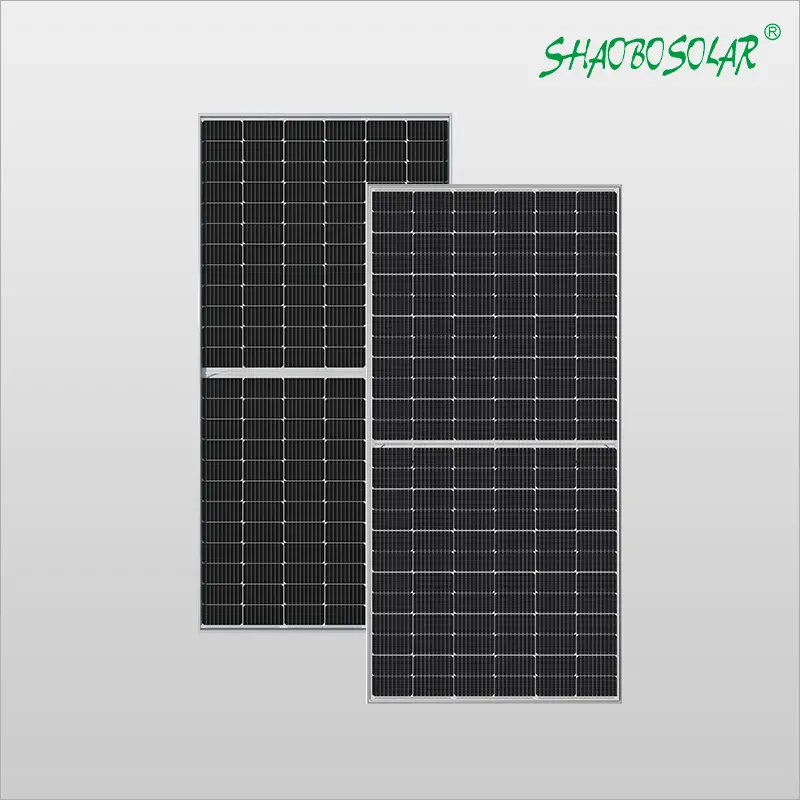
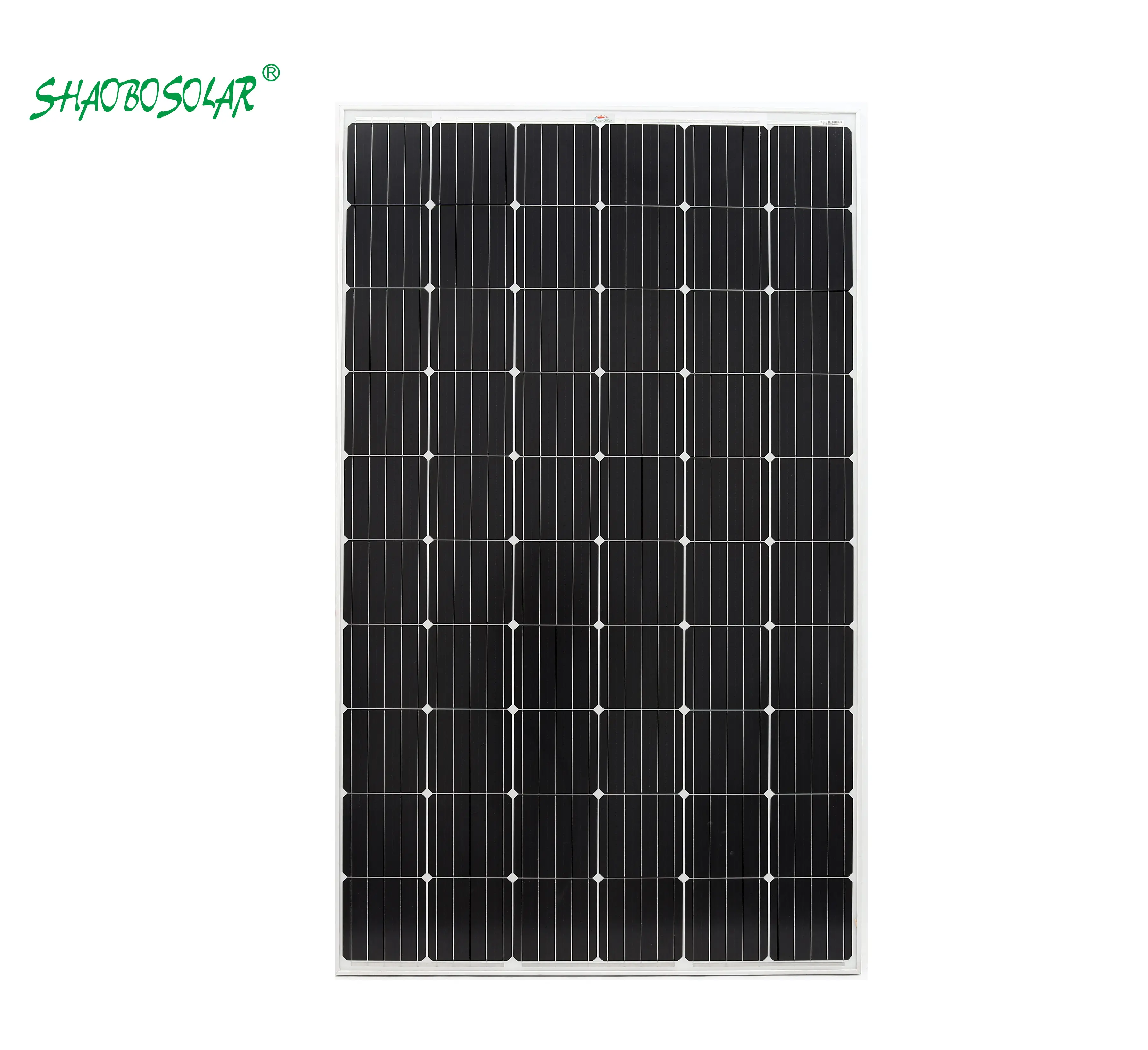
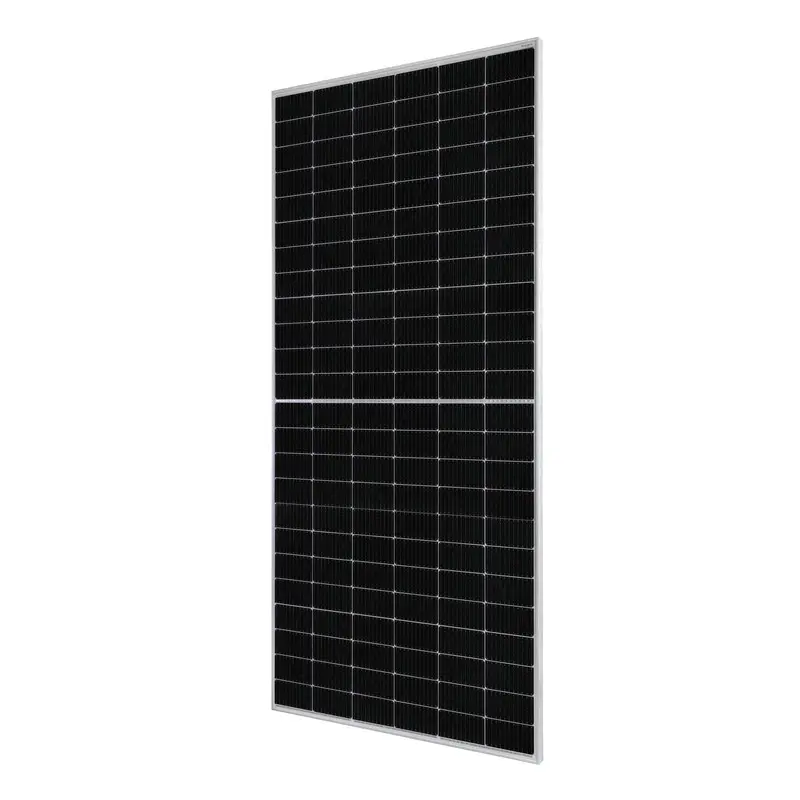
Beyond the manufacturing process, several key characteristics differentiate mono and poly panels. These include efficiency, appearance, performance in high temperatures, and cost. Monocrystalline panels generally boast higher efficiency rates (typically 17-22%), meaning they convert a larger percentage of sunlight into electricity. This makes them ideal for situations where space is limited. Polycrystalline panels, with efficiency rates ranging from 15-17%, require more surface area to generate the same amount of power. Visually, mono panels have a uniform black appearance due to the single crystal structure, while poly panels have a speckled, blueish appearance. Shaobo Solar offers both panel types to suit diverse project needs.
Key Differences at a Glance:
• Efficiency: Mono > Poly
• Cost: Mono > Poly
• Appearance: Mono – Uniform Black, Poly – Speckled Blue
• Space Requirement: Mono
Solar panel performance can be affected by temperature. Generally, as temperature increases, efficiency decreases. Monocrystalline panels tend to have a slightly better temperature coefficient – meaning their performance drops less significantly in hotter conditions – compared to polycrystalline panels. This makes them a potentially better choice for regions with consistently high temperatures. While the difference isn't drastic, it’s a factor to consider, especially for large-scale installations. Shaobo Solar panels are rigorously tested to ensure reliable performance across a range of climates.
Typically, polycrystalline panels are more affordable upfront than monocrystalline panels. This makes them a popular choice for large-scale installations where cost is a major concern. However, it's important to consider the long-term cost-benefit analysis. Because mono panels are more efficient, you may need fewer panels to generate the same amount of power, potentially offsetting the higher initial cost, especially if roof space is limited. Shaobo Solar provides detailed cost comparisons and customized quotes to help you determine the most economically viable option for your specific needs.
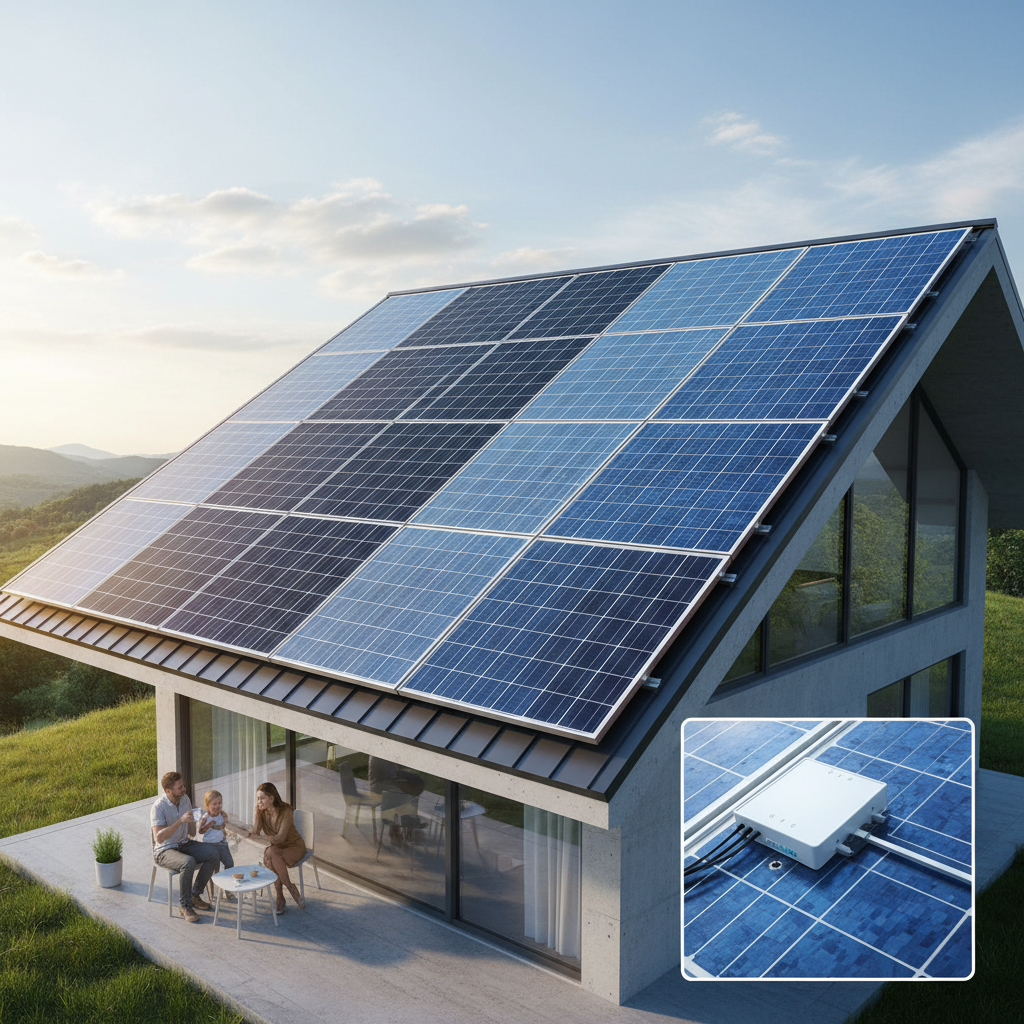
Ultimately, the best choice between mono and poly solar panels depends on your individual circumstances. If you have limited space and prioritize maximum efficiency, monocrystalline panels are the better option. If you have ample space and are looking for a more budget-friendly solution, polycrystalline panels are a viable choice. Consider your climate, energy needs, and long-term goals when making your decision. Shaobo Solar's experienced team can provide personalized guidance to help you select the ideal panels for your project.
Choosing between mono and poly solar panels isn’t about one being definitively ‘better’ than the other. It’s about aligning the panel’s characteristics with your specific energy needs, budget, and available space. Both technologies are reliable and contribute to a sustainable future. By carefully considering the factors outlined in this guide, you can make a well-informed decision that maximizes your return on investment and helps you harness the power of the sun.
Most solar panels are designed to last for 25-30 years. However, their performance gradually degrades over time. Typically, a panel will maintain around 80-85% of its original output after 25 years. Factors like climate, installation quality, and panel maintenance can affect lifespan. Shaobo Solar offers panels with industry-leading warranties to ensure long-term performance and peace of mind. Regular cleaning and inspections can help maximize the lifespan of your panels.
Yes, solar panels are recyclable, although the recycling process can be complex. The materials used in solar panels, such as silicon, glass, and aluminum, can be recovered and reused. However, there are currently limited dedicated solar panel recycling facilities. As the number of decommissioned solar panels increases, the recycling infrastructure is expected to grow. Shaobo Solar is committed to sustainable practices and supports the development of responsible recycling programs.
The amount of roof space needed depends on your energy consumption and the efficiency of the panels you choose. Monocrystalline panels require less space for the same power output compared to polycrystalline panels. A typical residential system might require between 250 and 400 square feet of unshaded roof space. A professional solar installer, like Shaobo Solar, can accurately assess your roof space and energy needs to determine the optimal system size.
Several factors can affect solar panel efficiency, including temperature, shading, angle of incidence (how directly sunlight hits the panel), and panel age. Higher temperatures typically reduce efficiency, while shading significantly impacts output. Properly orienting and tilting the panels towards the sun is crucial for maximizing energy generation. Regular cleaning to remove dust and debris also helps maintain optimal performance.


Hit enter to search or ESC to close