5 March 2026
When transitioning to solar energy, one of the first decisions you'll face is choosing between monocrystalline and polycrystalline solar panels. Both types convert sunlight into electricity, but they differ in efficiency, cost, appearance, and suitability for various applications. Understanding these differences is crucial for maximizing your return on investment and ensuring a sustainable energy solution. This article will provide a comprehensive overview of both technologies, helping you determine which panel type best aligns with your energy goals. Shaobo Solar offers both options to meet diverse customer needs.
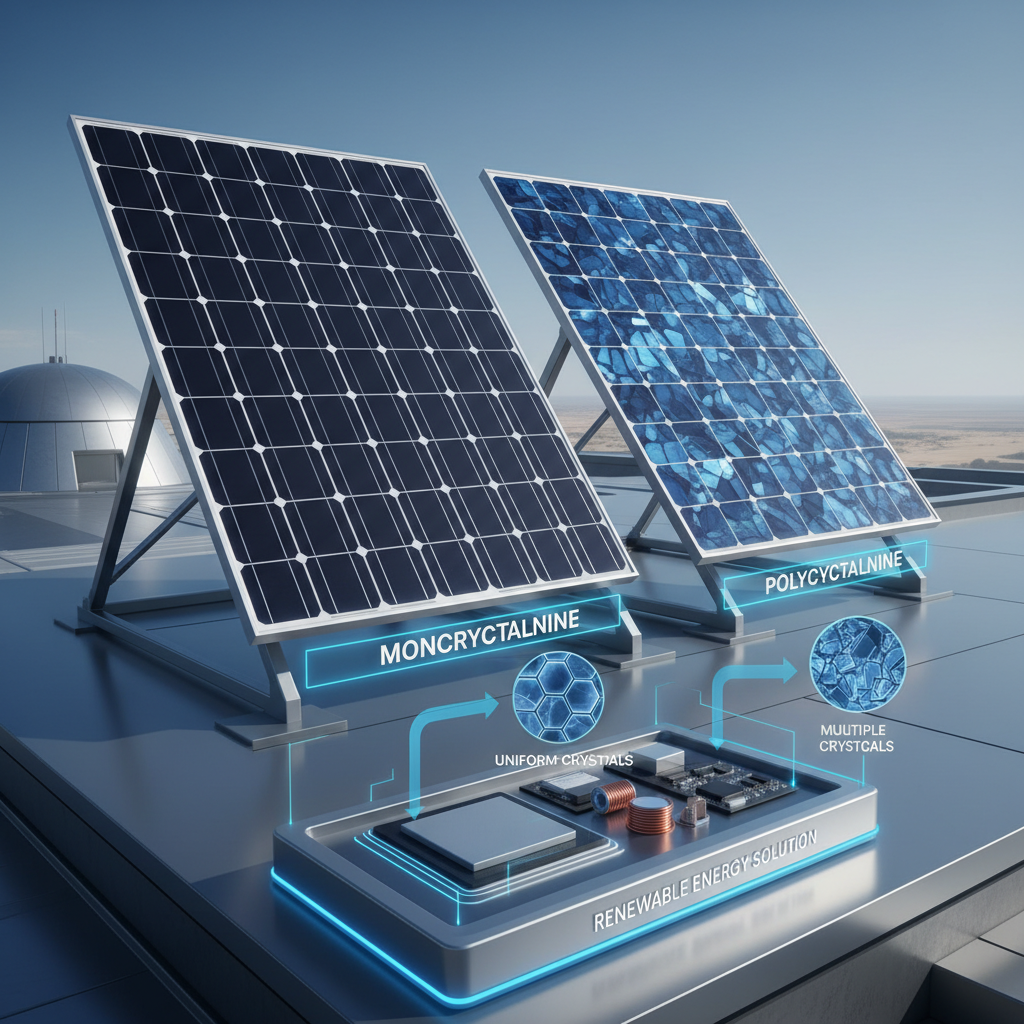
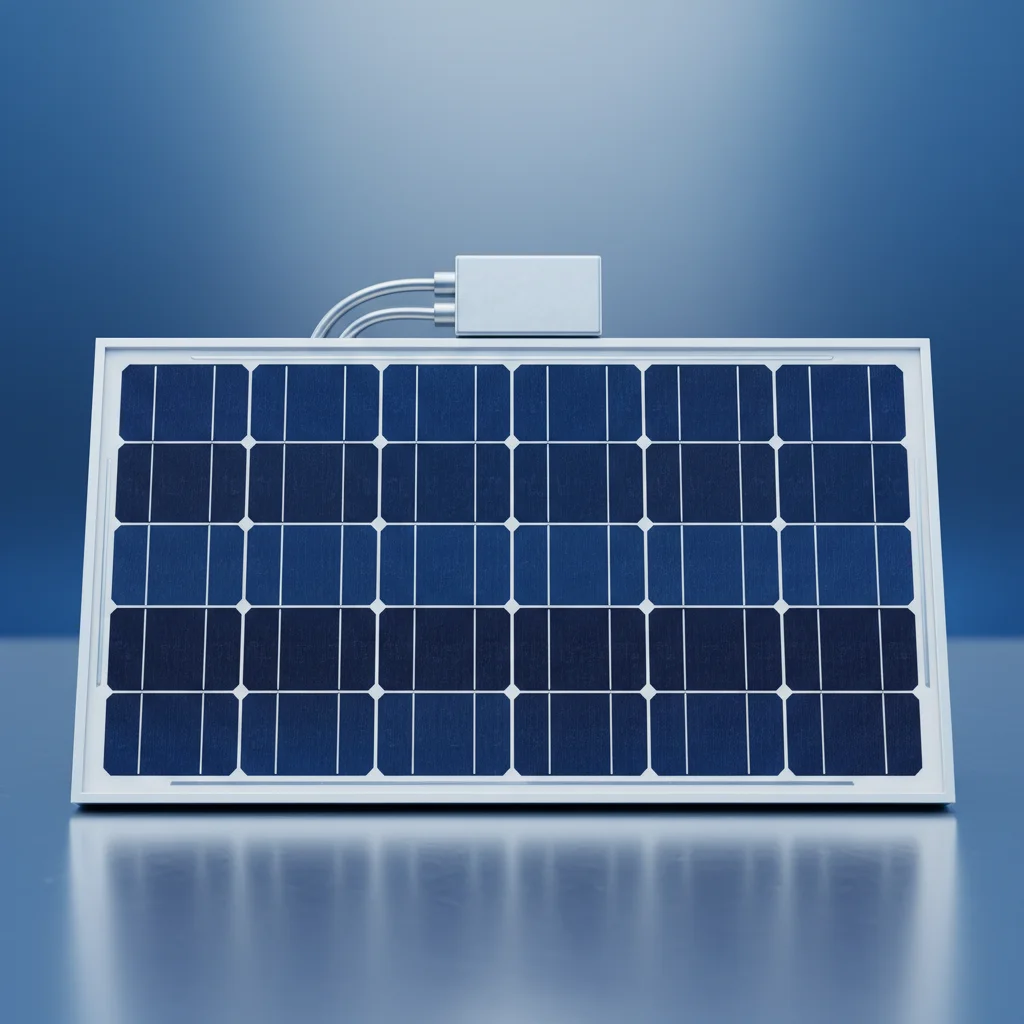
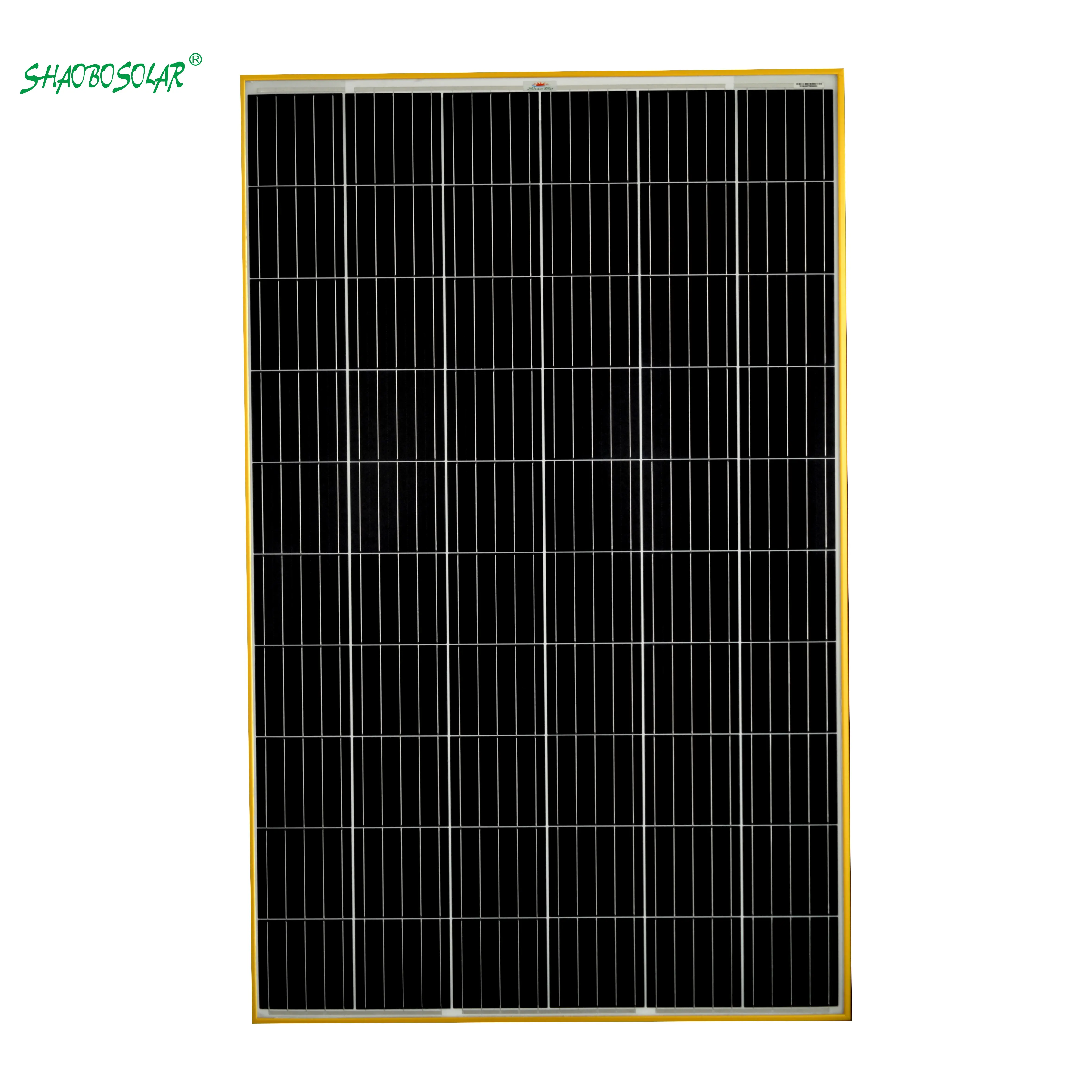
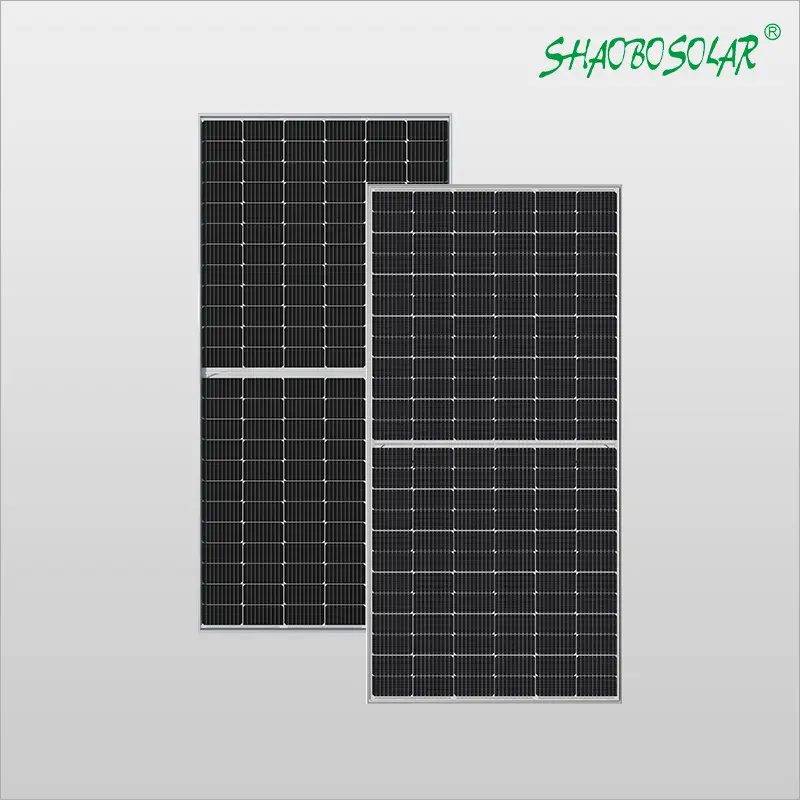
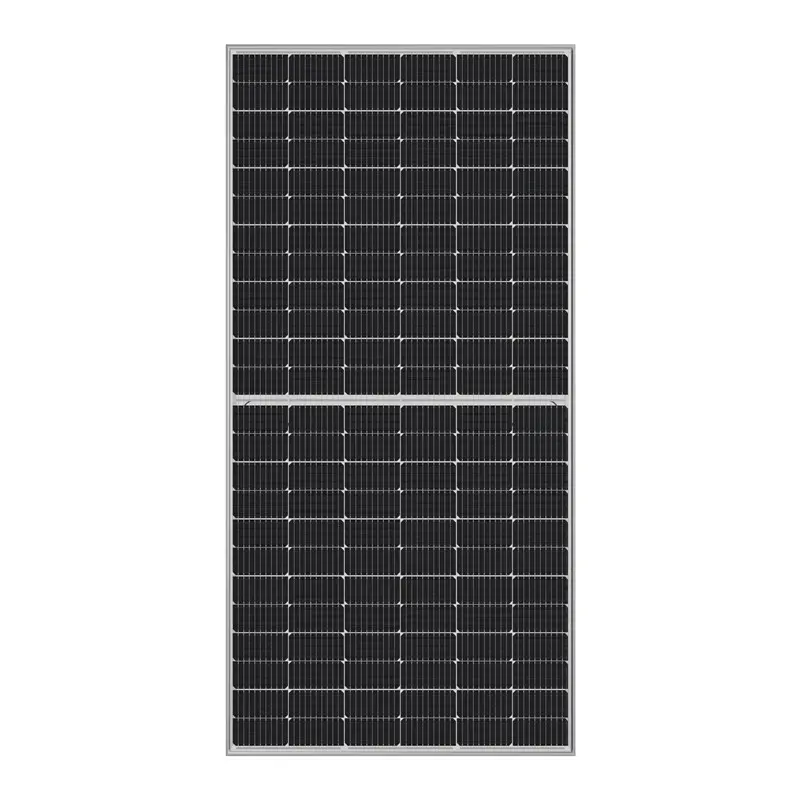
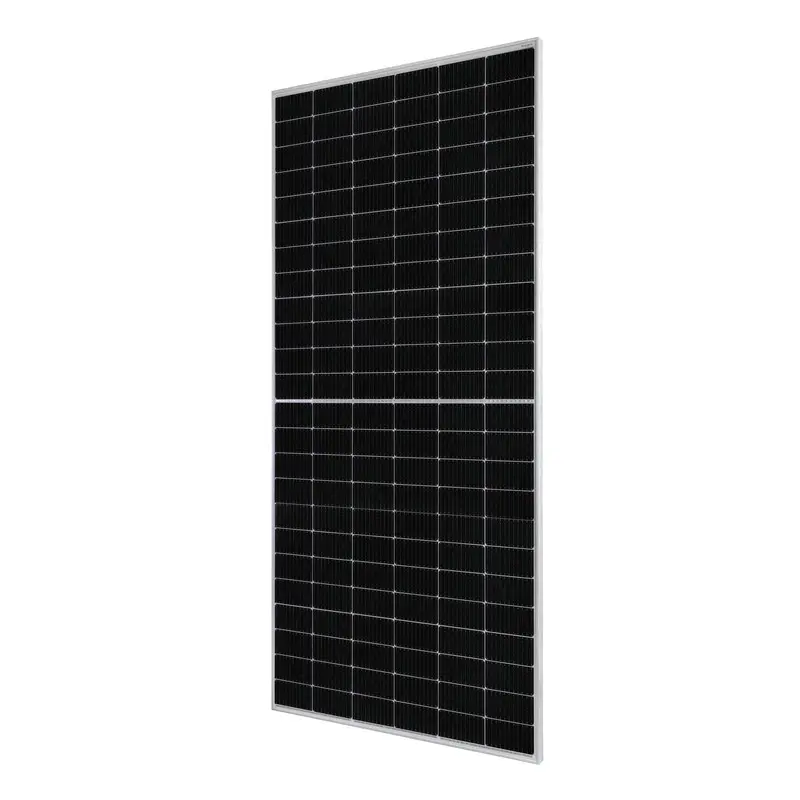
Monocrystalline solar panels are manufactured from a single crystal of silicon. This process results in panels with a uniform dark black appearance. Due to the single crystal structure, these panels generally have higher efficiency rates, typically ranging from 17% to 22%. This means they require less surface area to generate the same amount of power compared to polycrystalline panels. However, the complex manufacturing process makes them more expensive. Monocrystalline panels from Shaobo Solar are known for their durability and long lifespan.
Key Highlights: High efficiency, sleek appearance, and durable construction. Ideal for limited roof space or demanding energy needs.
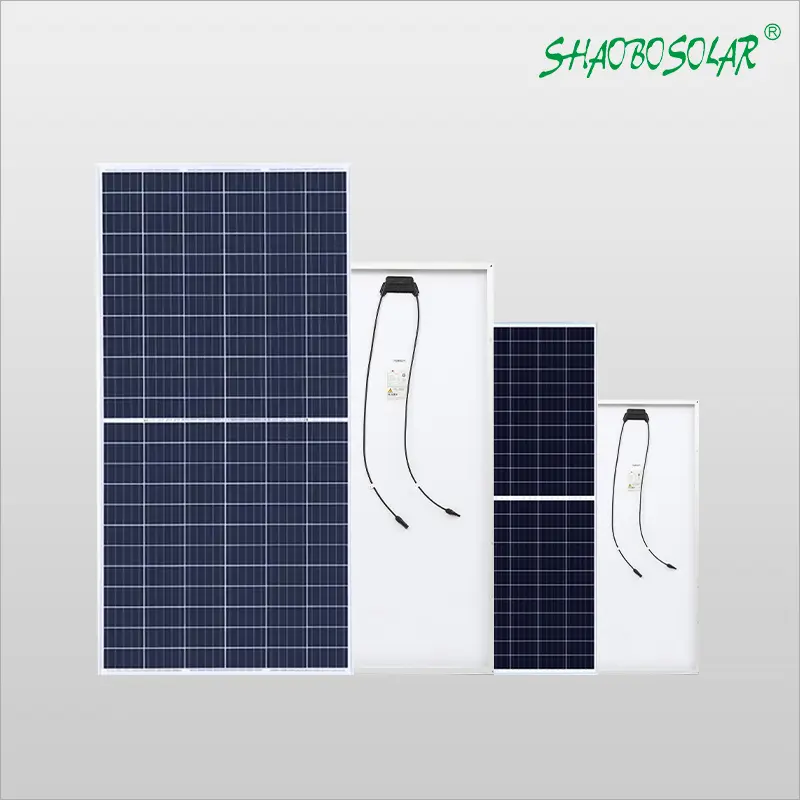
Polycrystalline solar panels are created by melting many silicon fragments together. This simpler manufacturing process results in a lower production cost, making them a more budget-friendly option. However, the multiple crystals within the panel lead to lower efficiency rates, typically between 15% and 17%. Polycrystalline panels have a distinctive blue, speckled appearance. They are a good choice for large installations where roof space isn’t a constraint. Shaobo Solar's polycrystalline panels provide a reliable and cost-effective entry point to solar energy.
Polycrystalline Panel Benefits:
• Lower cost compared to monocrystalline panels
• Suitable for large-scale installations
• Environmentally friendly manufacturing process
• Reliable performance in various climates
Choosing between mono and poly panels requires careful consideration of your specific needs and budget. The following table summarizes the key differences between the two technologies.
Both monocrystalline and polycrystalline panels experience a slight reduction in performance over time, known as degradation. Typically, solar panels are guaranteed to produce at least 80% of their original power output after 25 years. However, degradation rates can vary slightly between the two types. Monocrystalline panels often exhibit a slower degradation rate due to their higher purity silicon. Shaobo Solar provides detailed warranty information and performance guarantees for all our panels.
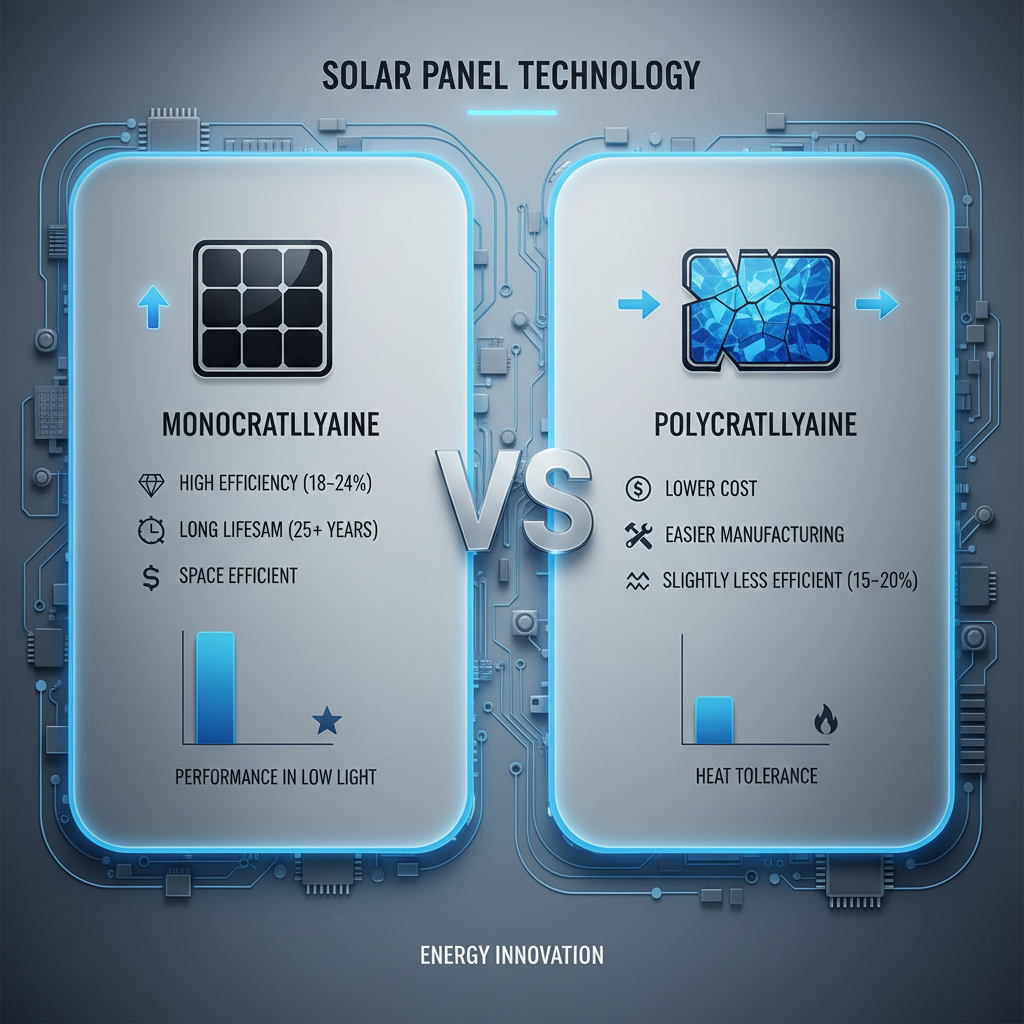
The best panel type depends on your specific circumstances. If you have limited roof space and require maximum power output, monocrystalline panels are the superior choice. If you have ample space and are looking for a cost-effective solution, polycrystalline panels are an excellent option. Consider your long-term energy goals, budget, and available space to make an informed decision. Consulting with a solar expert from Shaobo Solar can provide personalized recommendations tailored to your needs.
Ultimately, both monocrystalline and polycrystalline solar panels offer a viable path to sustainable energy. By understanding their respective strengths and weaknesses, you can choose the option that best aligns with your budget, energy needs, and long-term goals. Investing in solar energy is a smart choice for both your wallet and the environment.
Most solar panels are designed to last at least 25-30 years. However, their performance gradually decreases over time. Manufacturers typically guarantee that panels will produce at least 80% of their original power output after 25 years. Factors like climate, maintenance, and the quality of the panel itself can influence its lifespan. Shaobo Solar panels are rigorously tested to ensure long-term reliability and performance.
Solar panels do still generate electricity on cloudy days, but their output is reduced. The amount of electricity generated depends on the thickness and density of the clouds. Even on overcast days, diffuse sunlight can still be converted into power, although at a lower rate than on sunny days. Modern solar panel technology is becoming increasingly efficient at capturing diffuse light.
Solar panels require very little maintenance. Typically, an occasional cleaning to remove dust, dirt, and debris is sufficient. Rain usually provides enough cleaning, but in areas with low rainfall or high pollution, periodic cleaning may be necessary. It’s also important to have your system inspected annually by a qualified technician to ensure optimal performance and identify any potential issues.
While solar panel production does require energy and resources, the environmental benefits of solar energy far outweigh the impact of manufacturing. The lifecycle greenhouse gas emissions of solar panels are significantly lower than those of fossil fuels. Proper disposal and recycling of solar panels are crucial to minimize environmental impact. Shaobo Solar is committed to sustainable practices and responsible panel recycling.


Hit enter to search or ESC to close