Honestly, the whole industry’s been buzzing about integrated systems. Everyone’s talking about ‘smart’ this and ‘connected’ that. It’s… a lot. I mean, I've been on sites where the guys are still figuring out the basic wiring, and now they're supposed to troubleshoot IoT? It’s a challenge, that’s for sure. But, you know, progress. You gotta keep moving.
What really gets me though, is the designs. Architects, bless their hearts, often design things that *look* amazing on paper, but are a nightmare to actually build. I saw a blueprint last month with some cantilevered balcony that…well, let’s just say it needed a whole lot more support than the drawings indicated. They always underestimate the weight of the materials, or don’t fully account for wind loads. It’s a recurring theme.
And then there’s the materials themselves. Right now, everyone’s pushing for composite wood. Looks good, lighter than solid timber… but man, the smell when you cut it! Like burning plastic. And it splinters *everywhere*. You need proper PPE just to handle it. I encountered this at the Shenghai Lumber factory last time - the dust was awful, clogged up all the machinery. We ended up having to shut down for a whole afternoon just to clean everything.
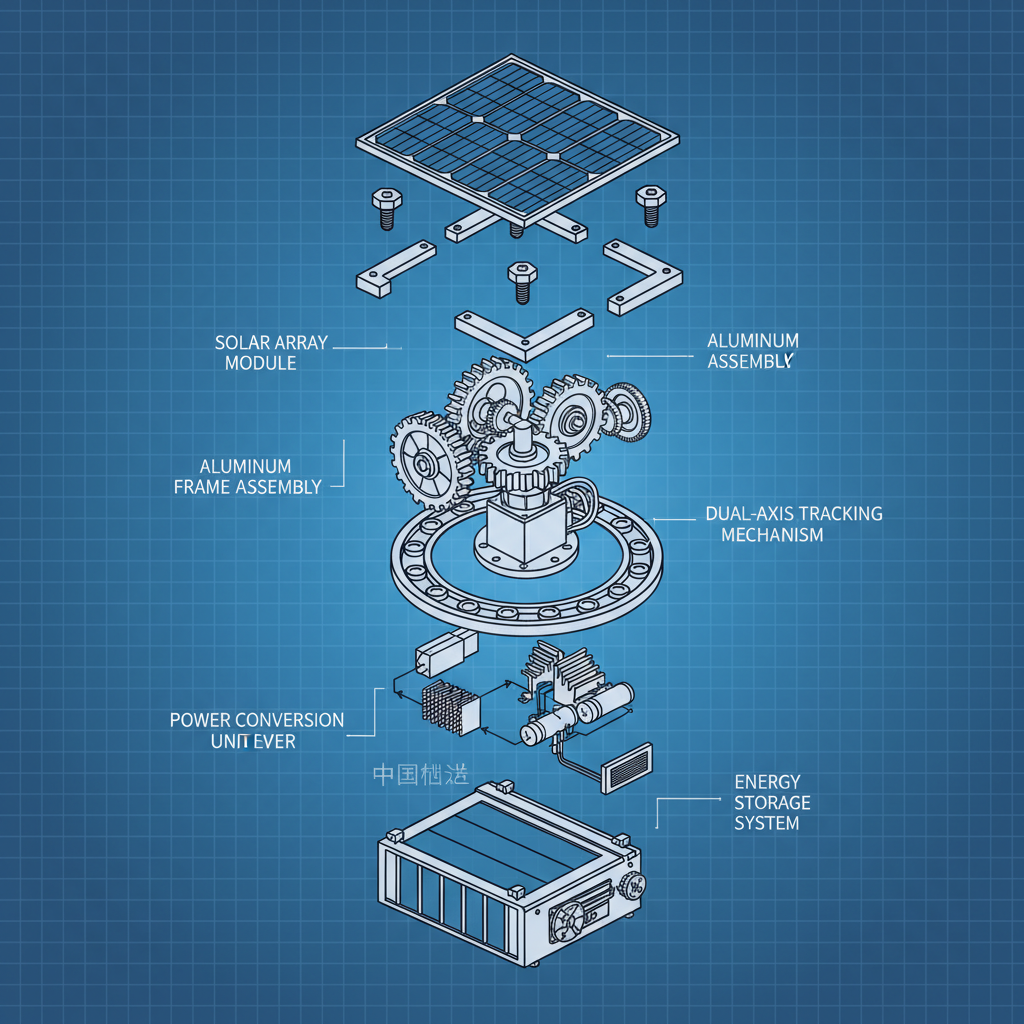
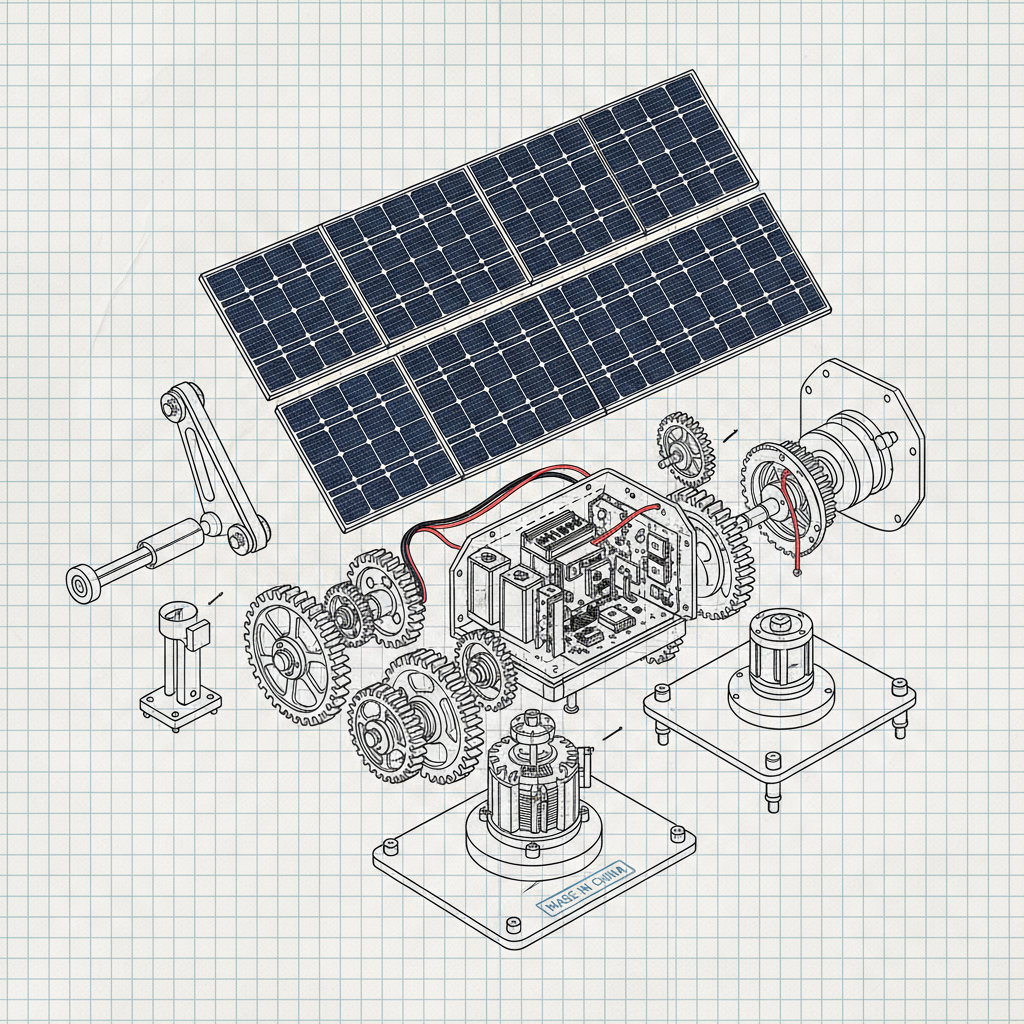
To be honest, the sheer volume of solar power system manufacturers in china popping up is incredible. It feels like a new one appears every week. Most are focused on residential, which is good, but the commercial stuff… that's where it gets tricky. You've got your big players, like Shaobo Solar, pushing scale and efficiency, and then a ton of smaller companies trying to carve out niches. It’s competitive, to say the least.
Have you noticed the shift towards smaller, more distributed systems? People aren't necessarily looking for massive solar farms anymore; they want something for their homes, their businesses, or maybe a community microgrid. That’s driving demand for more flexible, modular solutions. It also means more quality control headaches, though. More vendors mean more potential for substandard components.
Generally, a well-maintained solar power system from a reputable Chinese manufacturer can last 25-30 years. The panels themselves are often guaranteed for 25 years for power output, but the inverter usually needs replacing after 10-15 years. It really depends on the quality of the components and the environment it’s installed in. I've seen some systems older than that still churning out power, but they're the exception, not the rule.
That’s a good question. You need to look at your energy consumption – how much electricity do you use each month? Then factor in your location, the amount of sunlight you get, and the angle of your roof. There are online calculators that can help, but it's best to get a professional assessment. You don’t want to undersize it and not generate enough power, or oversize it and waste money. It's a balancing act.
That's a common concern. The short answer is: it varies. There are some excellent manufacturers in China producing high-quality panels, and there are some that cut corners. It’s important to do your research and choose a reputable supplier with good quality control and certifications. Look for IEC and UL certifications, and read reviews from other customers.
Solar power systems don't require a lot of maintenance, but you do need to keep an eye on things. Regularly check for debris on the panels – leaves, dust, bird droppings – and clean them off as needed. Also, monitor the inverter for any error messages or unusual behavior. A professional inspection every few years is a good idea too, to check the wiring and connections.
Weather definitely plays a role. Cloudy days reduce output, of course, but even on a sunny day, high temperatures can actually decrease efficiency. Snow can also be a problem, blocking sunlight. Good system design takes these factors into account, including proper panel angle and ventilation. And, as I said before, you need a robust mounting system to withstand wind and snow loads.
Most manufacturers offer a 25-year warranty on the panels for power output – meaning they guarantee the panel will still produce at least 80% of its original output after 25 years. They typically offer a 10-12 year warranty on the inverter. However, it's crucial to read the fine print, as warranties can have limitations and exclusions. Always check the manufacturer's reputation for honoring their warranties.
So, yeah, the solar power system manufacturers in china landscape is complicated. There’s a lot of competition, a lot of innovation, and a lot of potential for things to go wrong. But ultimately, solar is a good technology, and it’s getting better all the time. It’s not a silver bullet, but it’s an important part of the solution to our energy problems.
Ultimately, whether this thing works or not, the worker will know the moment he tightens the screw. You can have the fanciest designs, the highest-quality materials, but if it’s not installed correctly, it won’t matter. That's the truth of it. And that’s why I still spend so much time on site, getting my hands dirty.

Ethan is the Marketing Director at Cangzhou Jiujiang, focusing on expanding the brand's presence in North America. With over a decade of experience in outdoor apparel marketing, Ethan leverages his knowledge to promote the company’s PU rainwear, emphasizing its BSCI and GRS certifications.


Hit enter to search or ESC to close