The 325 watt solar panel has become a cornerstone of modern energy production, and for good reason. We’re seeing a global push towards renewable sources, driven by climate concerns and a growing awareness of energy independence. But it's more than just a trend; it's a practical solution that’s getting cheaper and more efficient every year. From remote off-grid cabins to large-scale solar farms, these panels are showing up everywhere. What really impresses me, having spent years on construction sites, is how readily they integrate into existing infrastructure. It’s no longer a niche technology – it’s becoming mainstream.
What initially caught my attention, beyond the environmental benefits, was the increasing return on investment. I’ve seen projects where a 325 watt solar panel array not only drastically reduces electricity bills but actually generates revenue through net metering. That kind of tangible economic impact is hard to ignore. And it’s not just about the bottom line. Reliable power access opens up opportunities for communities and businesses in areas where traditional grid infrastructure is limited or non-existent.
From my perspective, constantly dealing with logistical challenges and real-world implementation, the simplicity and scalability of a 325 watt solar panel system is what sets it apart. Compared to other renewable technologies, the installation process is relatively straightforward, requiring less specialized labor. This makes it a viable option for a wider range of projects and locations. It’s a solid technology, and it’s getting better all the time.
The Global Rise of 325 watt solar panel
The demand for renewable energy sources is skyrocketing globally, with solar power leading the charge. According to the International Energy Agency (IEA), solar PV capacity additions reached a record high in 2023. This isn’t just a developed-world phenomenon; emerging economies are rapidly adopting solar power to meet growing energy demands and address energy poverty. The 325 watt solar panel, offering a good balance of power output and affordability, is at the forefront of this expansion.
The real challenge now isn’t just producing these panels, but integrating them effectively into existing grids and developing solutions for energy storage. Intermittency – the fact that the sun doesn’t always shine – is still a hurdle. But with advancements in battery technology and smart grid systems, we're getting closer to a fully sustainable energy future. From what I see on job sites, the industry is responding with more and more robust, integrated solutions.
Defining a 325 watt solar panel
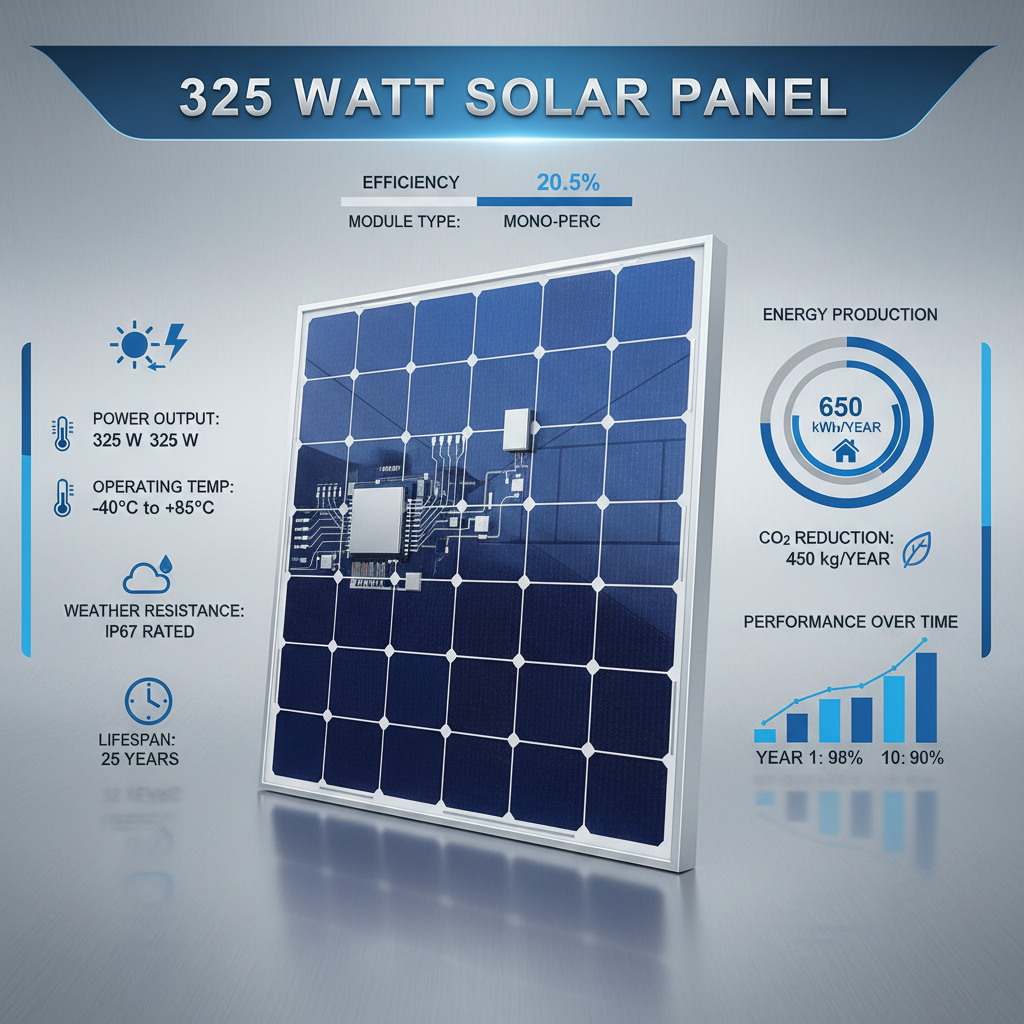
Simply put, a 325 watt solar panel is a photovoltaic (PV) module designed to convert sunlight directly into electricity. The "325 watt" refers to the panel’s peak power output under standard test conditions – basically, ideal sunlight and temperature. It’s a useful benchmark for comparing different panels, but real-world output will vary.
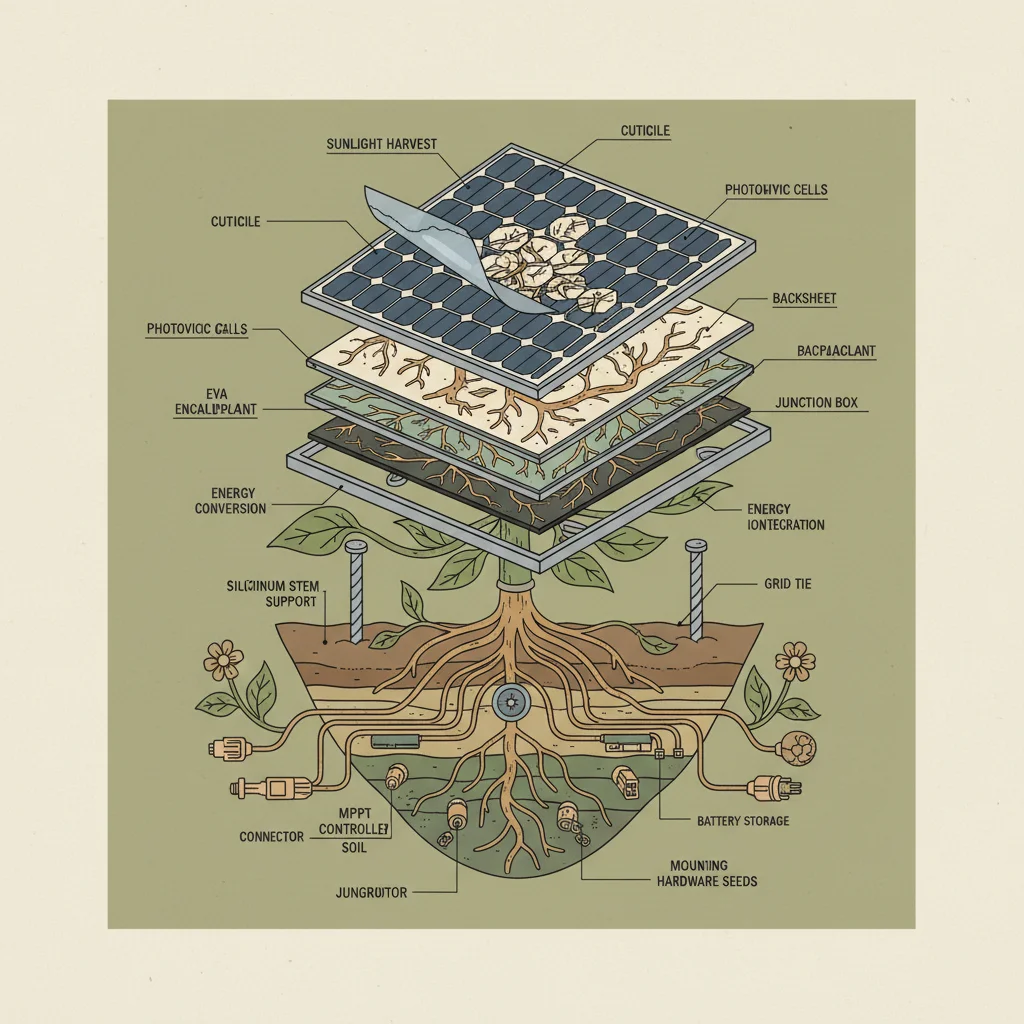
These panels are typically composed of silicon cells, encased in a protective layer of glass and framed with aluminum for durability. They connect to form larger arrays, and the DC electricity generated is then converted to AC electricity using an inverter for use in homes, businesses, or feeding back into the grid. It’s fairly straightforward technology, but the quality of the components and manufacturing process significantly impacts performance and lifespan.
From a practical standpoint, the 325 watt size is a sweet spot. It’s powerful enough to make a meaningful contribution to energy needs but not so bulky that it’s difficult to handle or install, especially on residential rooftops. It’s a size I’ve consistently seen used on a wide range of projects, and it strikes a good balance between cost and performance.
Key Components and Performance Metrics
Understanding the core components of a 325 watt solar panel is crucial. The silicon cells are the heart of the panel, and their efficiency determines how much sunlight is converted into electricity. Then you have the encapsulant, protecting the cells from moisture and damage, the backsheet providing insulation, and the glass covering for impact resistance. All these play a part.
Beyond wattage, several performance metrics matter. Efficiency (the percentage of sunlight converted to electricity) is a key indicator. Temperature coefficient tells you how much the panel’s output drops as temperature increases - a critical factor in hot climates. And then there’s the degradation rate, which indicates how much the panel’s output will decline over its lifespan. You really need to look at the whole package, not just the headline wattage.
As someone who’s handled these things on site, I can tell you build quality matters. The seals, the frame construction, the connections - they all need to be robust to withstand weather and handling. A well-built 325 watt solar panel will outperform a cheaper one over the long run, even if the initial specifications look similar.
Applications Across Diverse Sectors
The versatility of a 325 watt solar panel is remarkable. We’re seeing them deployed in residential rooftop systems, providing homeowners with clean energy and reduced electricity bills. Then there are commercial installations – offices, warehouses, factories – where large arrays offset significant energy costs. But it goes beyond that.
In rural areas, 325 watt solar panels are powering irrigation systems, providing electricity to schools and healthcare facilities, and enabling economic development. In remote industrial zones, they're supplying power to mining operations and construction sites where grid access is limited. I’ve even seen them used in disaster relief efforts, providing emergency power to communities affected by hurricanes or earthquakes.
325 watt solar panel Application Breakdown
Advantages and Long-Term Value Proposition
The benefits of using a 325 watt solar panel extend far beyond cost savings. Of course, reducing or eliminating electricity bills is a major draw. But there’s also the environmental aspect – decreasing your carbon footprint and contributing to a more sustainable future. That resonates with a lot of people, and rightfully so.
From an investment perspective, a solar panel system increases property value and offers a predictable return. And let’s not forget the energy independence it provides. Being less reliant on the grid means greater resilience in the face of power outages or fluctuating energy prices. That peace of mind is worth something.
Global Implementation and Regional Trends
China is currently the global leader in solar panel manufacturing and deployment, followed by the United States, Europe, and increasingly, India. However, the growth is far from uniform. We’re seeing particularly rapid adoption in sun-belt regions like the American Southwest, Australia, and parts of Africa.
Government policies – incentives, tax credits, and renewable energy mandates – play a significant role in driving adoption. But it’s also driven by consumer demand and falling prices. The cost of solar has plummeted in recent years, making it increasingly competitive with traditional energy sources. What used to be a premium technology is now becoming affordable for a broader range of consumers and businesses.
I’ve noticed that regional preferences also influence system design. In areas with severe weather, you’ll see more robust mounting systems and hail-resistant panels. In areas with limited space, higher-efficiency panels are favored. It’s all about tailoring the solution to the specific environment.
Durability, Maintenance & Future Innovations
A well-maintained 325 watt solar panel system can last for 25 years or more. That’s a long lifespan, but it requires some upkeep. Regular cleaning to remove dust and debris is essential, especially in dusty environments. Monitoring system performance and promptly addressing any issues are also important. From my experience, the maintenance is actually pretty minimal.
The industry is constantly innovating. We’re seeing advancements in cell technology – PERC, TOPCon, and heterojunction cells – that are pushing efficiency even higher. Bifacial panels, which generate electricity from both sides, are gaining popularity. And researchers are exploring new materials like perovskites, which promise even greater efficiency and lower costs.
I’m particularly excited about the potential of integrated solar solutions – building-integrated photovoltaics (BIPV) where solar cells are incorporated directly into building materials like roofing tiles or facades. That could transform how we generate electricity, turning every building into a potential power plant.
Summary of Factors Impacting 325 watt solar panel Longevity and Performance
| Component Quality |
Environmental Exposure |
Maintenance Frequency |
Technological Advancements |
| High-grade silicon cells and robust encapsulation materials (Rating: 9/10) |
Exposure to extreme temperatures, humidity, and UV radiation (Impact: Moderate) |
Annual cleaning and regular performance monitoring (Effectiveness: 7/10) |
Implementation of PERC and bifacial cell technology (Improvement: 8/10) |
| Durable aluminum frame and weather-resistant connectors (Rating: 8/10) |
Potential for physical damage from hail or debris (Risk Level: Low to Moderate) |
Bi-annual professional inspection for potential issues (Cost: Moderate) |
Development of advanced battery storage systems (Efficiency Gain: 6/10) |
| Effective backsheet protection against moisture ingress (Rating: 7/10) |
Corrosion potential in coastal environments (Mitigation: Corrosion-resistant materials) |
Proactive replacement of worn components (Long-term cost savings: High) |
Integration of smart grid technologies for optimized energy management (Reliability: 9/10) |
| High-quality glass covering for impact resistance (Rating: 8/10) |
Thermal stress caused by temperature fluctuations (Impact: Moderate) |
Remote monitoring systems for early fault detection (Response time: Fast) |
Exploration of perovskite solar cells for enhanced efficiency (Potential: High) |
| Robust electrical connections and wiring (Rating: 9/10) |
Exposure to wildlife (e.g., bird droppings) (Maintenance: Regular cleaning) |
Implementation of preventative maintenance schedules (Overall cost: Low) |
Advancements in panel recycling technologies (Sustainability: Increasing) |
| Compliance with industry standards and certifications (Rating: 10/10) |
Long-term effects of UV radiation on encapsulant materials (Mitigation: UV-resistant materials) |
Investment in predictive maintenance tools (Reduced downtime: Significant) |
Development of flexible solar panels for diverse applications (Versatility: High) |
FAQS
Most 325 watt solar panels come with a 25-year performance warranty, guaranteeing at least 80% of their original output after that period. However, many panels continue to generate power well beyond 25 years, albeit at a reduced efficiency. Proper installation, regular maintenance, and the quality of components all contribute to longevity. I’ve seen systems operating efficiently after 30 years, but those were particularly well-maintained and used high-quality panels to begin with.
The amount of roof space needed depends on your energy consumption and the size of the system you want to install. Generally, a 325 watt solar panel is about 65 inches x 39 inches. A typical residential system might require between 100 and 200 square feet of unshaded roof space. A professional installer can assess your roof and energy needs to provide an accurate estimate. Don’t forget to factor in space for walkways and clearances.
While solar panels perform best in direct sunlight, they can still generate electricity on cloudy days. The output will be reduced, but the panels still capture diffused sunlight. The reduction in output varies depending on the cloud cover, but you can expect to generate anywhere from 10% to 25% of the rated power on a heavily overcast day. Modern panels have improved performance in low-light conditions.
Net metering is a billing mechanism that credits solar panel owners for the excess electricity they send back to the grid. When your panels generate more electricity than you need, the excess is fed back into the grid, and your utility company credits your account. This effectively spins your meter backward. The details of net metering policies vary by state and utility company, but it’s a key component of making solar economically viable.
Solar panels require minimal maintenance. The primary maintenance task is regular cleaning to remove dust, dirt, and debris. Depending on your location, you may need to clean your panels a few times a year. It’s also a good idea to have a professional inspection every few years to check for any potential issues, such as loose connections or damaged panels.
Solar panel performance decreases as temperature increases. This is due to the properties of silicon. The "temperature coefficient" specification indicates how much the output will decrease per degree Celsius above a standard testing temperature (usually 25°C). While panels are designed to operate efficiently in a range of temperatures, excessive heat can reduce their output. Good ventilation and proper mounting can help mitigate this effect.
Conclusion
The 325 watt solar panel represents a powerful and increasingly accessible solution to our global energy challenges. From its technical specifications and diverse applications to its long-term economic and environmental benefits, it’s a technology that’s transforming the way we generate and consume electricity. As someone who works with these systems day in and day out, I've seen firsthand how they empower individuals, businesses, and communities.
Looking ahead, continued innovation in cell technology, energy storage, and smart grid integration will further enhance the performance and reliability of solar power. Investing in 325 watt solar panel systems isn't just a smart financial decision; it’s an investment in a cleaner, more sustainable future. To learn more about how a 325 watt solar panel system can benefit you, visit our website: shaobosolar.com