• Home
  • Top Blog
  • Navigating Trends and Pitfalls in Solar Panel Manufacturing Companies
0%

Table of Contents

You know, things are moving fast in the solar panel world. Everyone's chasing higher efficiency, thinner wafers, PERC this, TOPCon that… It’s a bit dizzying, to be honest. I spent a week at a factory in Jiangsu province last month, and they were already talking about HJT. HJT! Like we haven’t even fully rolled out TOPCon yet. It feels like chasing a shadow sometimes. But the pressure’s on, right? Demand’s up, costs need to come down… Anyway, I think the real trick isn’t always the newest tech, but making what you *have* work really, really well.

There’s a lot of design stuff that seems smart on paper but falls apart the second you get it on site. Have you noticed how many panels have these ridiculously tight frames? Sounds good for module integrity, yeah, but try getting a wrench in there when you’re rooftop mounting in July. Forget about it. Everything expands and contracts, and suddenly you’re fighting warped metal all day. And the glass… so many panels now using thinner glass to cut costs. It looks nice in the showroom, but it’s fragile. Really fragile. I saw a shipment get roughed up on a truck last year, and it was a disaster.

We primarily use aluminum alloy 6063 for the frames – it’s got good strength-to-weight ratio, easy to weld. The feel of it is... well, it’s aluminum. Cool to the touch, smells faintly metallic when you’re cutting it. Then you've got the encapsulant, EVA film mostly. Smells kinda sweet, almost like plastic fruit, when it's heated up during lamination. You gotta be careful with that stuff, gets sticky *fast*. And the backsheet, usually TPT. A bit rougher to the touch, feels durable. It's the stuff that keeps everything sealed up. Strangely, I still prefer handling the older materials sometimes - everything felt more solid.
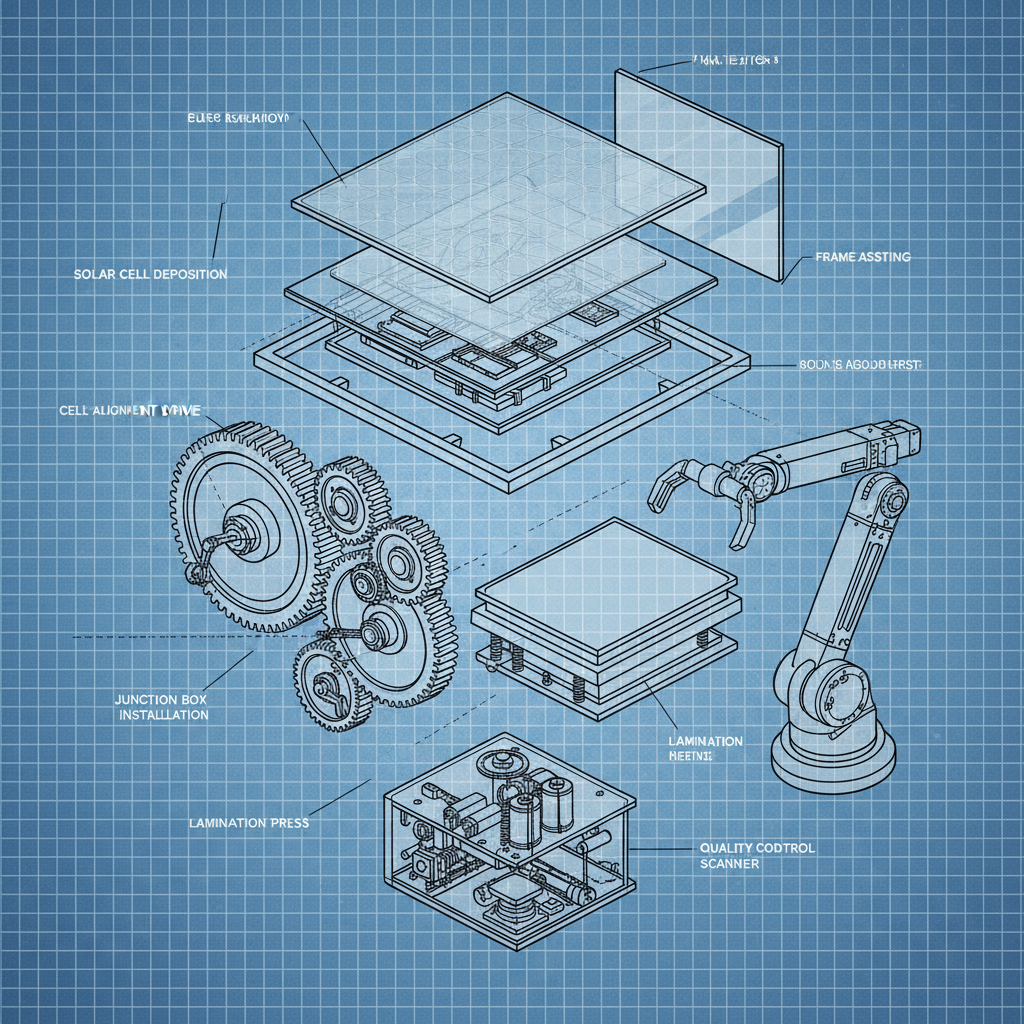
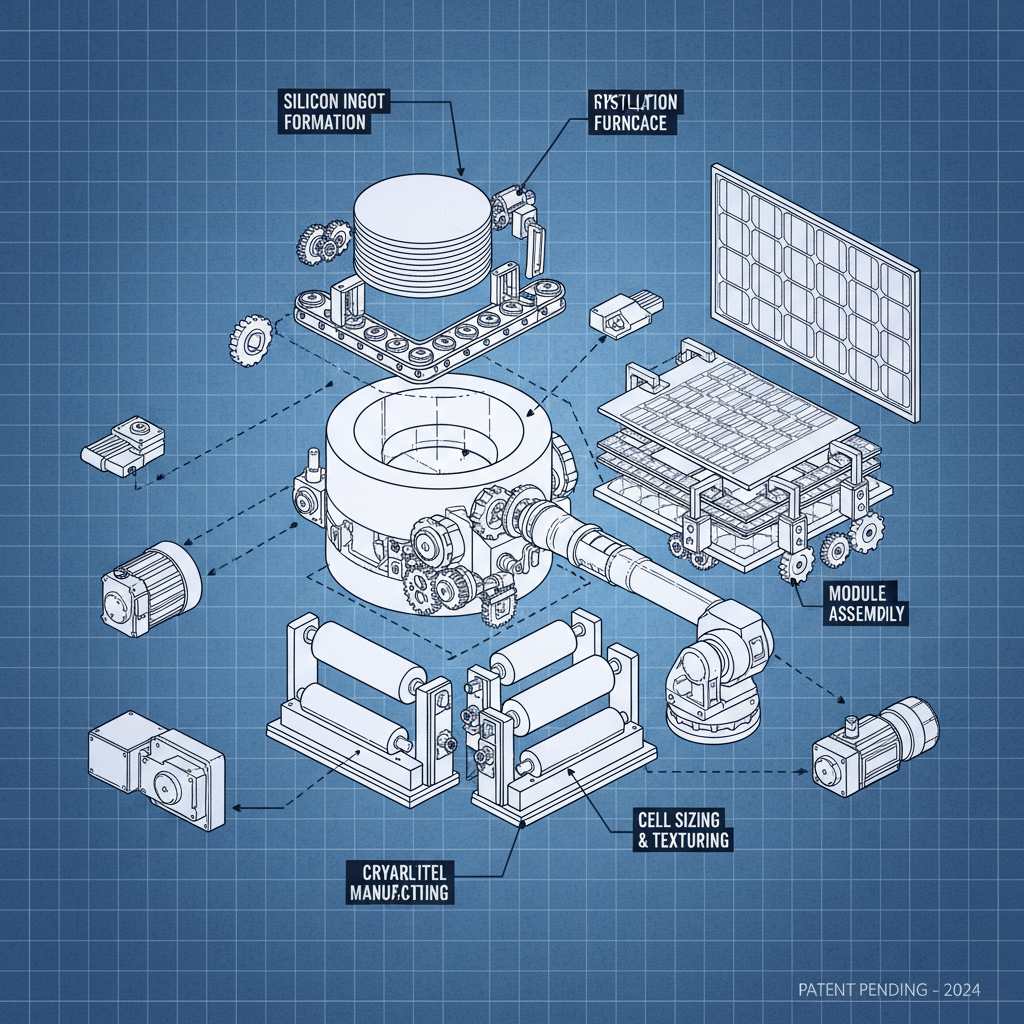
solar panel manufacturing companies

Industry Trends and Design Pitfalls

solar panel manufacturing companies

Look, the big push right now is towards bifacial panels. Makes sense, getting power from both sides. But it introduces a whole new set of challenges with mounting and shading. And these half-cut cell panels… they’re good for reducing internal resistance, that’s true, but they add complexity to the wiring. We've been seeing more microcracks because of the increased solder points. It's a trade-off. To be honest, sometimes I wonder if we're overthinking things.

Then there’s the whole issue of LID – light-induced degradation. It’s a pain. You can mitigate it with better materials and manufacturing processes, but it’s always lurking. You test for it, of course, but it still pops up in the field. Later… forget it, I won't mention it.

Materials Used in Solar Panel Construction

Besides the aluminum and EVA I mentioned, the silicon wafers themselves are obviously crucial. Mono vs. poly? That’s a whole debate. Mono's generally more efficient, but poly is cheaper. We’re seeing a lot of n-type wafers now too, which promise higher efficiency and lower degradation. But they’re more expensive to produce. It's all about balancing cost and performance, really. The junction box is another critical component – that's where all the wiring comes together. Those things have to be waterproof, obviously. And the diodes… gotta make sure they’re reliable, or you’ll have hotspots and reduced output.

And the glass, don’t even get me started. Tempered glass, low-iron content… it’s got to be strong, clear, and able to withstand years of UV exposure. We had a batch of glass from a new supplier that turned slightly yellow after a year. Slightly. But enough that it affected the output. The client wasn't happy, to say the least.

The backsheets are important too. They’ve got to protect the cells from moisture and UV damage. I encountered this at a factory in Vietnam last time, the backsheets were peeling off after just six months. It turned out they were using a cheaper material that wasn't designed for the tropical climate.

Rigorous Testing Procedures

We don’t just rely on the factory’s testing. We do our own, and it's *brutal*. We have a thermal cycling chamber that simulates years of temperature fluctuations. We do damp heat testing – basically, we bake the panels in a humid environment. Hail impact testing is fun, too. We shoot steel balls at them at different speeds to see how they hold up. And then there’s the salt mist corrosion test – for panels going near the ocean.

But the best testing is real-world testing. We install panels in different locations – deserts, mountains, coastal areas – and monitor their performance over time. That’s where you really see what’s going to happen. The lab tests are good for weeding out obvious defects, but they can’t simulate everything.

We also do electroluminescence (EL) testing, which uses a special camera to detect microcracks in the cells. It's like an X-ray for solar panels. It can pick up problems that you wouldn’t see with the naked eye.

Real-World Application and User Habits

You'd be surprised how people use these things. We had one customer who wanted to mount panels directly onto a corrugated metal roof without any ventilation. I told him it was a bad idea, but he insisted. Said he didn’t want to spend the money on a racking system. I figured he’d learn his lesson, but…well, he did. Panels overheated and degraded quickly.

Another thing I’ve noticed is that people often underestimate the importance of shading. A single tree branch can significantly reduce the output of an entire string of panels. It’s basic stuff, but you’d be surprised how often it happens.

Solar Panel Manufacturing Companies Testing Parameters

Advantages, Disadvantages, and Customization Options

The advantages are obvious: clean energy, reduced electricity bills, environmental benefits. But they’re not perfect. They’re still relatively expensive upfront, and their output is dependent on weather conditions. And let’s not forget the disposal issue. What do you do with a panel after 25 years? It’s a growing problem.

Customization? Sure, we can do some things. We can adjust the dimensions, the voltage, the connector type. Last month, that small boss in Shenzhen who makes smart home devices insisted on changing the interface to , and the result was a nightmare. Completely impractical for outdoor use. But he was adamant. "It's the future!" he said. I just shook my head.

A Customer Story: The Debacle

It was last month, in Shenzhen, with this guy, Mr. Li, who runs a small smart home startup. He was convinced that everything needed to be , even solar panels. He wanted a sleek, modern look, and he figured a standard DC connector was…uncouth. I tried to explain the drawbacks – the lack of weatherproofing, the potential for corrosion, the lower current capacity – but he wouldn't listen.

He insisted we build a prototype. We did. It worked, sort of. But it failed miserably during a simple rain test. Water got into the connector, shorted everything out, and nearly caused a fire. He was furious, of course, but eventually, he saw the light. We ended up going with a standard MC4 connector, and he was much happier.

It's a reminder that sometimes, the simplest solution is the best. And that listening to your engineers is usually a good idea.

Material Performance Comparison

Summarizing core material characteristics for performance under different conditions.

This table is a rough guide, based on what I've seen over the years on construction sites. Numbers are approximate, based on observations, not lab data.

It's a gut feeling, really.

Material Performance Comparison

Material Durability (1-10) Cost (1-10) Weather Resistance (1-10)
Aluminum Alloy 6063 8 6 7
EVA Film 5 3 4
TPT Backsheet 7 5 8
Mono Silicon Wafer 6 7 6
Tempered Glass 9 4 9
MC4 Connector 10 2 10

FAQS

What's the biggest mistake people make when installing solar panels?

Honestly? Shading. They underestimate how much a little bit of shade can affect output. Even a small tree branch can kill a whole string of panels. Proper site assessment is key. And make sure the mounting system allows for proper airflow – overheating is a real problem, especially in hot climates. It's not about the panels themselves usually, it's about the install.

How long do solar panels really last?

The manufacturers claim 25-30 years, but that's just the warranty. They'll still produce power after that, but the output will degrade over time. I've seen panels still working after 40 years, but their efficiency is significantly reduced. It depends on the climate, the quality of the panels, and how well they were maintained. Proper cleaning and regular inspections are crucial.

Are bifacial panels worth the extra cost?

It depends. If you have a reflective surface underneath, like a white roof or gravel, then yes, they can provide a significant boost in output. But if they’re mounted over asphalt or dirt, the gains are minimal. You need to do the math to see if it makes sense for your specific application. And the mounting is more complex and expensive.

What's the deal with half-cut cell panels?

They reduce internal resistance, which means less energy loss and higher efficiency. They’re also more resistant to shading. But they have more solder joints, which can be a potential point of failure. It's a trade-off. We've been seeing more microcracks with those. It's something to watch.

How important is the inverter?

Critically important. It's the brain of the system. A cheap inverter can significantly reduce the overall efficiency and reliability of the system. Invest in a good one, from a reputable manufacturer. It’s one place you don’t want to cut corners. Trust me, I've seen what happens when you do.

What are the biggest challenges facing solar panel manufacturing companies today?

Supply chain disruptions, rising material costs, and the constant pressure to lower prices. And then there’s the whole issue of recycling. We need better solutions for dealing with end-of-life panels. It's a growing problem. Plus, finding skilled labor is getting harder and harder. It's a tough business.

Conclusion

So, there you have it. Solar panel manufacturing companies are complex, dynamic, and constantly evolving. It’s not just about the latest technology; it’s about understanding the materials, the installation process, the real-world conditions, and the user needs. It's about balancing cost, performance, and durability.

Ultimately, whether this thing works or not, the worker will know the moment he tightens the screw. And that's the truth. If it feels solid, if it looks right, and if it’s been installed properly, it’ll probably last. Don't overthink it. Just build it right. And if you're looking for a reliable partner in solar panel manufacturing companies, check out shaobosolar.com.

Ethan Turner

Ethan Turner

Ethan is the Marketing Director at Cangzhou Jiujiang, focusing on expanding the brand's presence in North America. With over a decade of experience in outdoor apparel marketing, Ethan leverages his knowledge to promote the company’s PU rainwear, emphasizing its BSCI and GRS certifications.

Previous Navigating Challenges in Industrial Solar Panel Manufacturers and Implementation
Next Navigating the Booming Market of Solar Kit Suppliers and System Quality

If you are interested in our products, you can choose to leave your information here, and we will be in touch with you shortly.