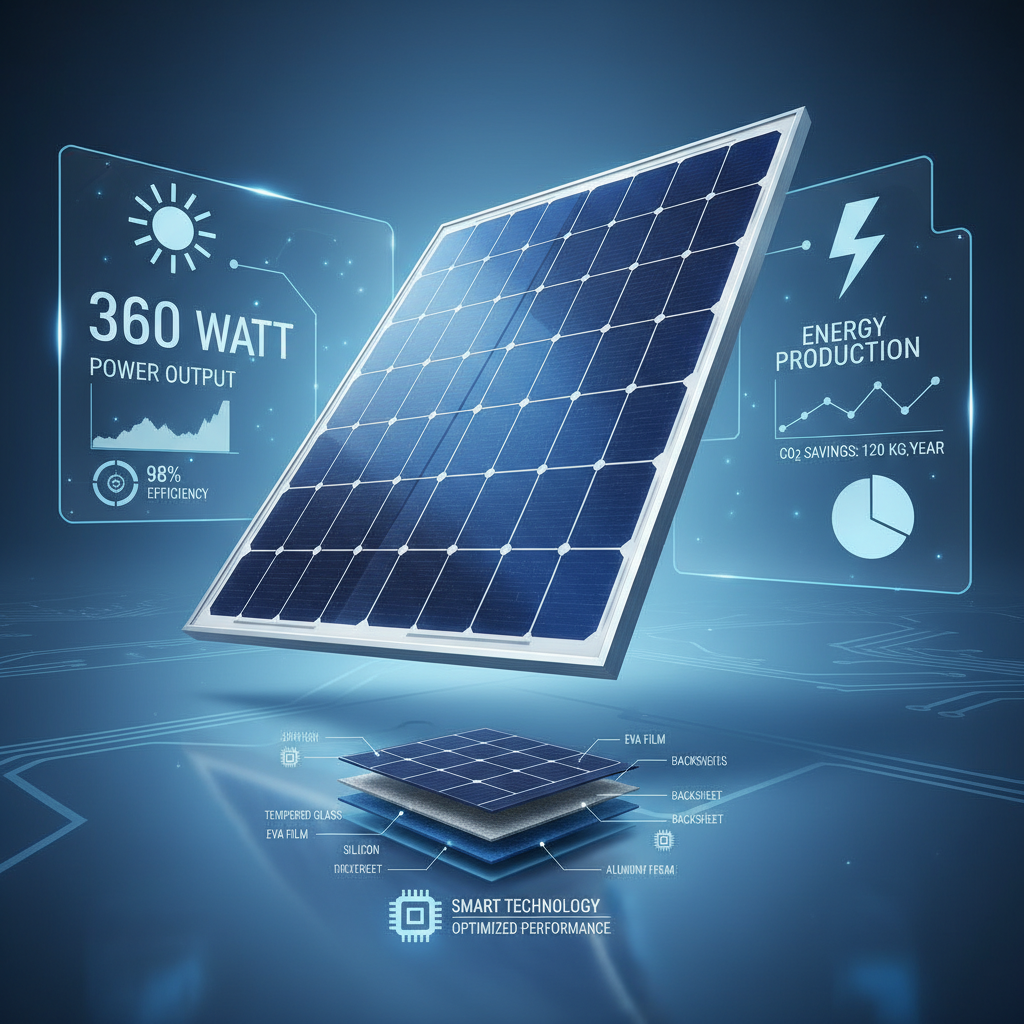
The demand for renewable energy is soaring globally, driven by concerns over climate change and energy security. A key player in this transition is the 360 watt solar panel. These panels are increasingly becoming a standard in residential, commercial, and utility-scale projects, offering a balance between efficiency, cost, and accessibility. The move towards distributed generation – where power is produced closer to the point of consumption – is heavily reliant on these units. I've seen first-hand, working with installation crews across the country, how a good 360 watt solar panel can fundamentally change a homeowner's energy bill.
It’s not just about saving money though. From a practical standpoint on the job site, handling these panels has become easier – improved packaging, standardized sizes, and better mounting systems are making installations faster and safer. We're moving beyond the early days of fragile, complex setups. The shift is important because quicker installs mean lower labor costs and a faster return on investment for customers. The industry is maturing, and the 360 watt solar panel is at the heart of it.
What I've noticed particularly is how adaptable these panels are. You see them on everything from tiny off-grid cabins to massive solar farms. They're becoming the workhorse of the solar revolution, and honestly, the durability improvements over the last five years have been incredible. I've pulled panels off sites that have been through hailstorms, and they’ve held up remarkably well.
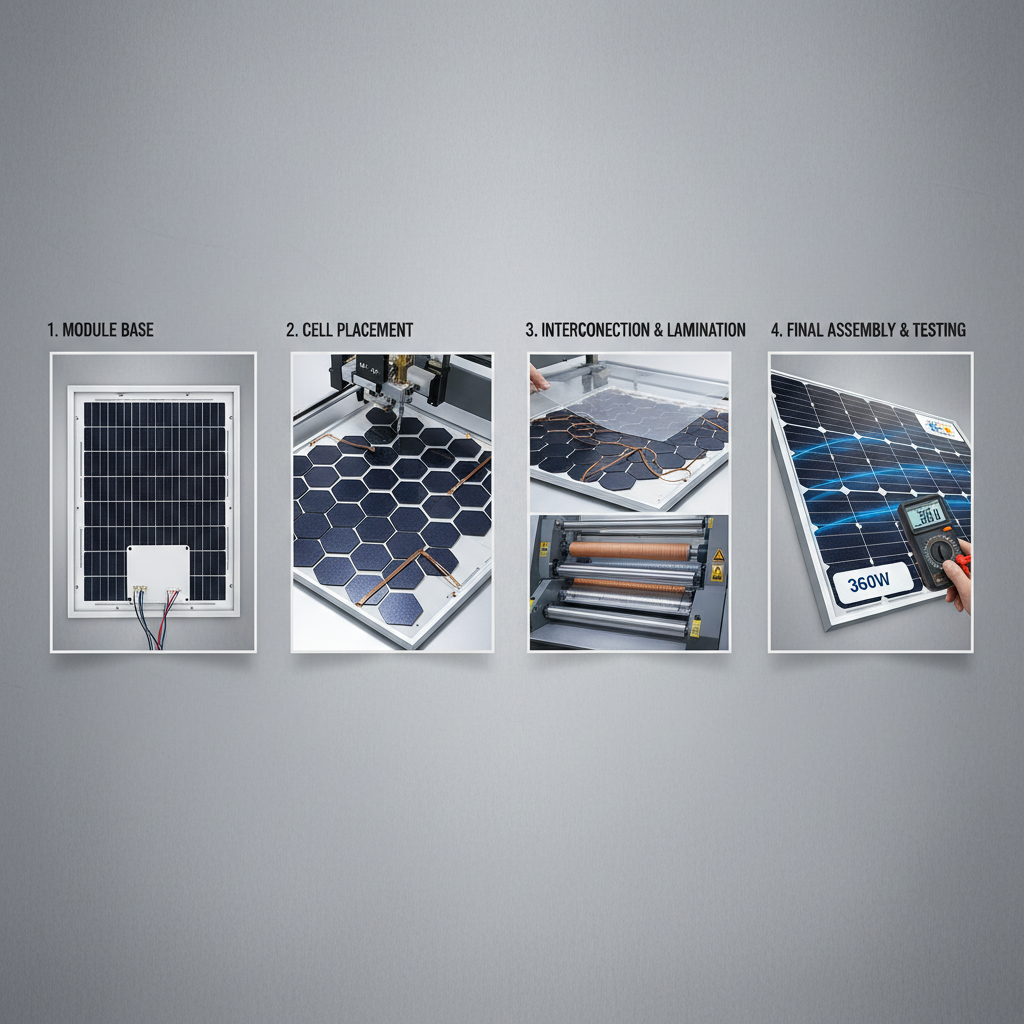
A 360 watt solar panel represents a sweet spot in the residential and small commercial solar market. It’s powerful enough to make a noticeable impact on energy bills, yet manageable in size and weight for typical roof installations. It's a workhorse – not the absolute highest wattage, but a reliable and cost-effective solution for a large percentage of installations.
I’ve seen a lot of changes in this industry, but the 360-watt class has consistently been a top seller. That tells you something. It's not just hype; it's proven performance in the real world. You can walk onto a job site and know you’re dealing with a fairly standardized product, which simplifies things considerably.
The International Energy Agency (IEA) forecasts massive growth in solar energy capacity over the next decade. A significant portion of this growth will be driven by panels in the 300-400 watt range – the 360 watt solar panel falls squarely into that category. The reason? It’s a blend of affordability and performance that works in diverse climates and economic conditions. The UN Sustainable Development Goal 7 – Affordable and Clean Energy – is fundamentally reliant on wider adoption of technologies like these.
I’ve been involved in projects in developing nations where access to reliable electricity is a huge challenge. These panels, often combined with battery storage, are game-changers for communities that previously relied on expensive and polluting diesel generators. They provide a clean, sustainable, and cost-effective alternative. It's rewarding to see that direct impact.
The pressure to reduce carbon emissions is also a major driver. Governments around the world are implementing policies to incentivize renewable energy adoption, and the 360 watt solar panel offers a viable path towards achieving those goals. It's about doing the right thing for the planet, but also making economic sense.
Simply put, a 360 watt solar panel is a photovoltaic (PV) module designed to convert sunlight directly into electricity, with a peak power output of 360 watts under standard test conditions. That’s the technical definition, but what it really means is that it can generate a significant amount of electricity, enough to power a substantial portion of a typical home’s energy needs.
The connection to modern industry and humanitarian needs is pretty straightforward. Industries are looking to reduce operating costs and their carbon footprint, and solar energy offers a solution on both fronts. For humanitarian aid, 360 watt solar panel are ideal for providing power to remote clinics, schools, and disaster relief operations. They are relatively easy to transport and deploy, even in challenging environments.
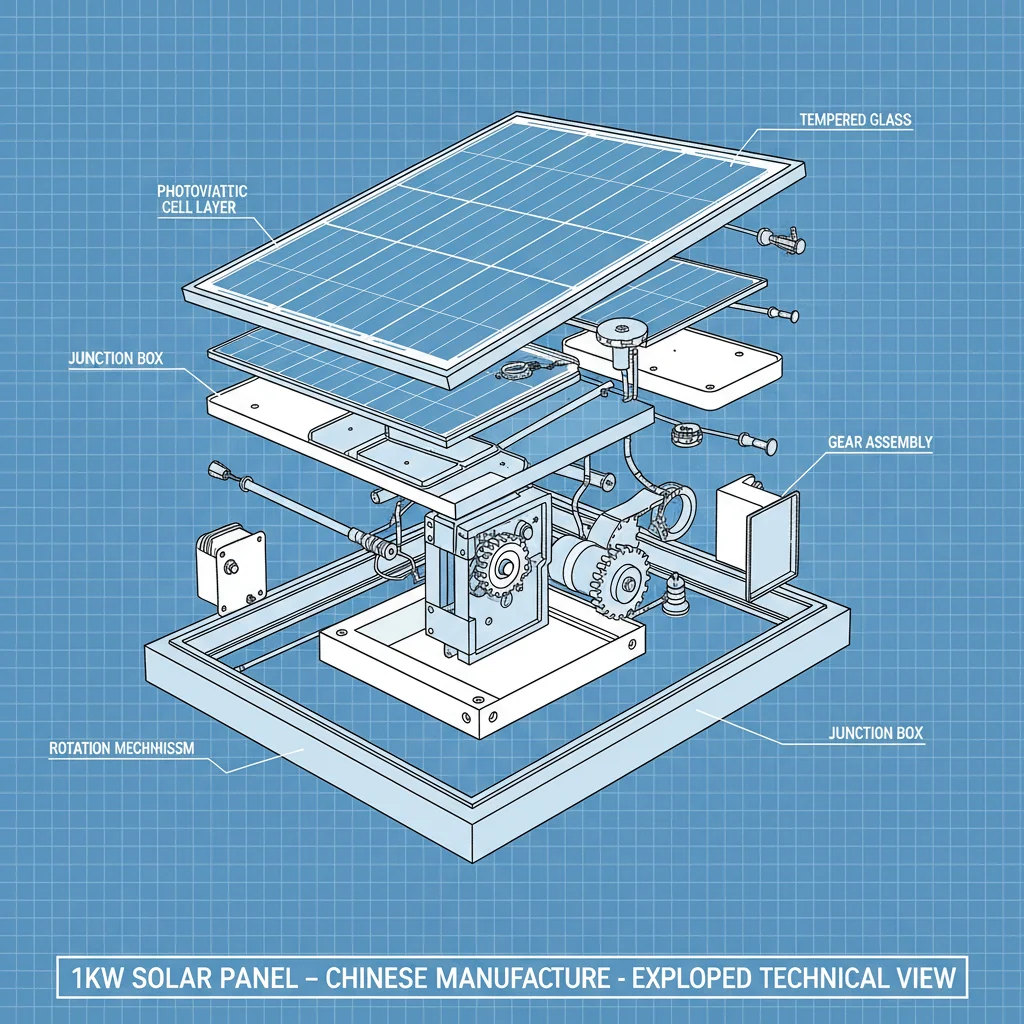
These panels are usually made up of silicon solar cells, encapsulated in a protective material and framed for durability. They connect to an inverter, which converts the direct current (DC) electricity produced by the panel into alternating current (AC) electricity that can be used to power our homes and businesses.
Let's talk about what matters when you’re actually working with these things. First, Durability is huge. You're mounting these on rooftops, exposing them to years of weather. I’ve seen cheap panels delaminate after just a few years, which is a nightmare for everyone involved. The quality of the encapsulant and the frame material are critical.
Second, Efficiency isn’t everything, but it’s important. A more efficient panel produces more power per square foot, which is valuable if you have limited roof space. But efficiency often comes at a cost. Finding the right balance between efficiency and price is key. Scalability is also a factor. 360 watt solar panel are easily scalable. You can add more panels to increase your power output as your needs grow.
I see these panels everywhere these days. Obviously, residential rooftops are a huge market. But they're also popping up on commercial buildings, schools, and even agricultural facilities. It's becoming increasingly common to see solar arrays integrated into building designs, rather than just bolted on as an afterthought.
In remote areas, where grid access is limited or unreliable, 360 watt solar panel are powering everything from water pumps to telecommunications equipment. In post-disaster relief operations, they provide a critical source of electricity for emergency responders and affected communities. I’ve worked with teams deploying these in Puerto Rico after the hurricanes, and they were a lifeline.
The most obvious benefit is cost savings. Once the initial investment is made, the electricity generated by a 360 watt solar panel is essentially free. That’s a huge deal for homeowners and businesses alike. Beyond that, it's a sustainable solution that reduces your carbon footprint and helps protect the environment.
From a societal standpoint, widespread solar adoption increases energy independence and resilience. We’re less vulnerable to fluctuations in fossil fuel prices and supply disruptions. And frankly, knowing you’re contributing to a cleaner future is a good feeling.
I think we're going to see continued improvements in panel efficiency and durability. New materials and manufacturing processes are constantly being developed. Perovskite solar cells, for example, are showing a lot of promise, although they still have some challenges to overcome.
We’ll also see greater integration of solar energy with battery storage and smart grid technologies. This will allow us to store excess energy generated during the day for use at night or during periods of low sunlight. The move towards bi-facial panels (panels that generate electricity from both sides) is also gaining traction.
Policy will also play a big role. Governments are likely to continue offering incentives and subsidies to encourage solar adoption, and stricter building codes may require new construction to include solar panels.
Most 360 watt solar panel come with a 25-year performance warranty, guaranteeing at least 80% of their initial output after that period. However, in practice, many panels continue to generate significant power well beyond 25 years, often lasting 30-40 years with minimal degradation. Proper installation and maintenance are key to maximizing lifespan.
A typical 360 watt solar panel measures around 65-70 inches long and 39-40 inches wide, requiring approximately 16-18 square feet of unobstructed roof space. The total space needed for a system depends on your energy needs and the number of panels required, and shading is a major factor that needs to be considered.
Yes, 360 watt solar panel still generate electricity even on cloudy days, although at a reduced output. Diffuse sunlight can still be converted into energy. The actual output will depend on the thickness of the cloud cover, but modern panels are designed to perform reasonably well under a variety of weather conditions.
Solar panel systems generally require minimal maintenance. Periodic cleaning to remove dirt and debris can help maintain optimal performance. It's also important to inspect the system for any signs of damage or wear and tear, such as loose wiring or cracked panels. Regular professional inspections are recommended every few years.
Interestingly, 360 watt solar panel performance can decrease slightly at higher temperatures. This is known as the temperature coefficient. However, modern panels are designed to minimize this effect, and the overall impact is typically relatively small. Proper ventilation around the panels can also help mitigate temperature-related losses.
While solar panel manufacturing does have an environmental impact, it's significantly lower than that of fossil fuel-based energy sources. The energy payback time – the time it takes for a panel to generate the same amount of energy used in its production – is typically around 2-3 years. Ongoing improvements in manufacturing processes are further reducing the environmental footprint of solar panels.
The 360 watt solar panel has become a cornerstone of the renewable energy revolution. It’s a proven, reliable, and cost-effective technology that's empowering homeowners, businesses, and communities around the world to generate their own clean energy. From the job site to the boardroom, it’s clear this technology is here to stay, and will continue to play an increasingly important role in shaping our energy future.
Looking ahead, continued innovation in materials science, manufacturing, and grid integration will further enhance the performance and affordability of these panels. If you’re considering making the switch to solar, now is a great time to explore your options. Visit our website at www.shaobosolar.com to learn more.

Hit enter to search or ESC to close
If you are interested in our products, you can choose to leave your information here, and we will be in touch with you shortly.