7 March 2026
Choosing the right solar panel for your energy needs is a significant decision. The two most common types are monocrystalline and polycrystalline. Both solar panels offer clean, renewable energy, but they differ in efficiency, cost, and appearance. This article will delve into the specifics of each, helping you understand their strengths and weaknesses to make an informed choice. We’ll cover everything from manufacturing processes to real-world performance, so you can confidently select the best option for your home or business.
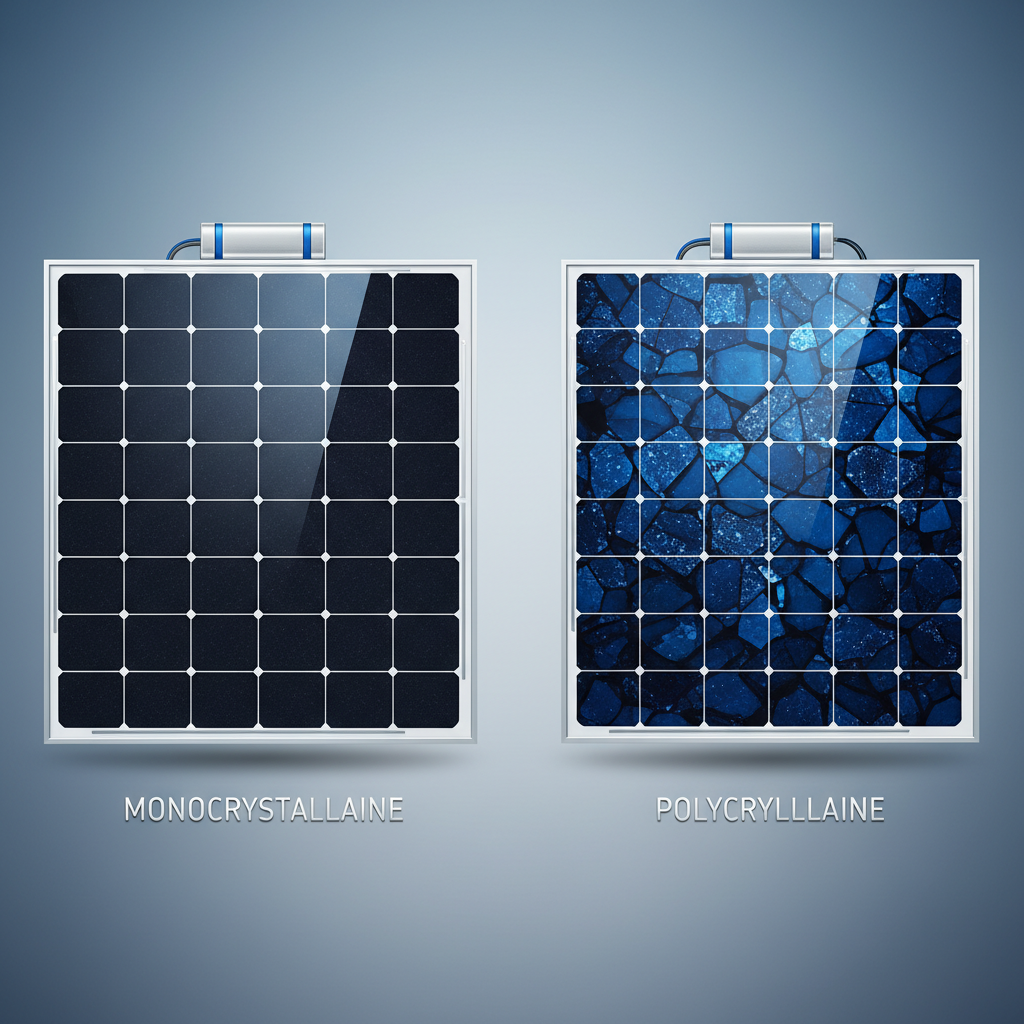
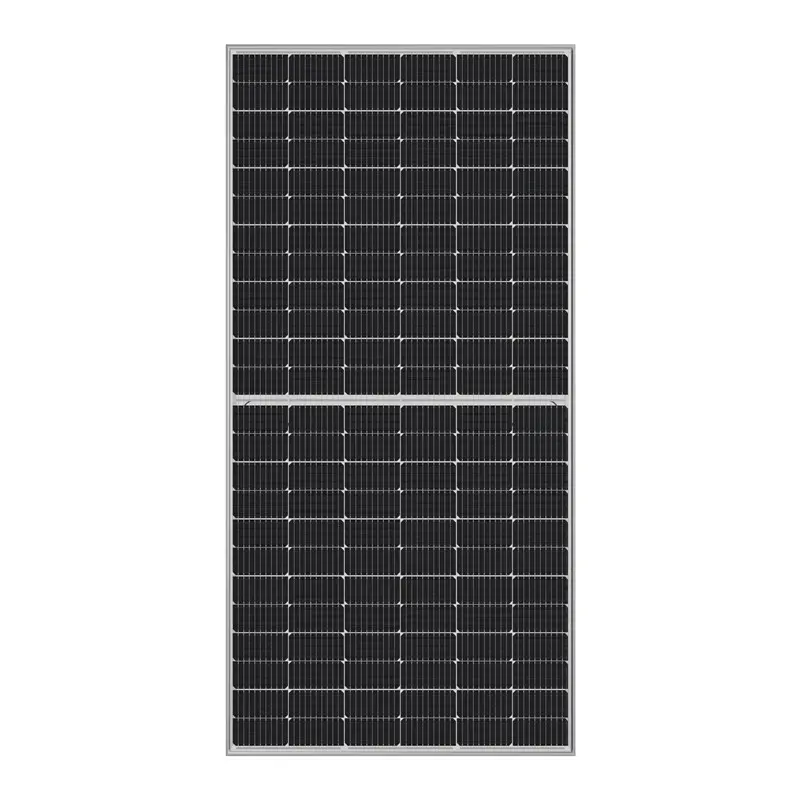
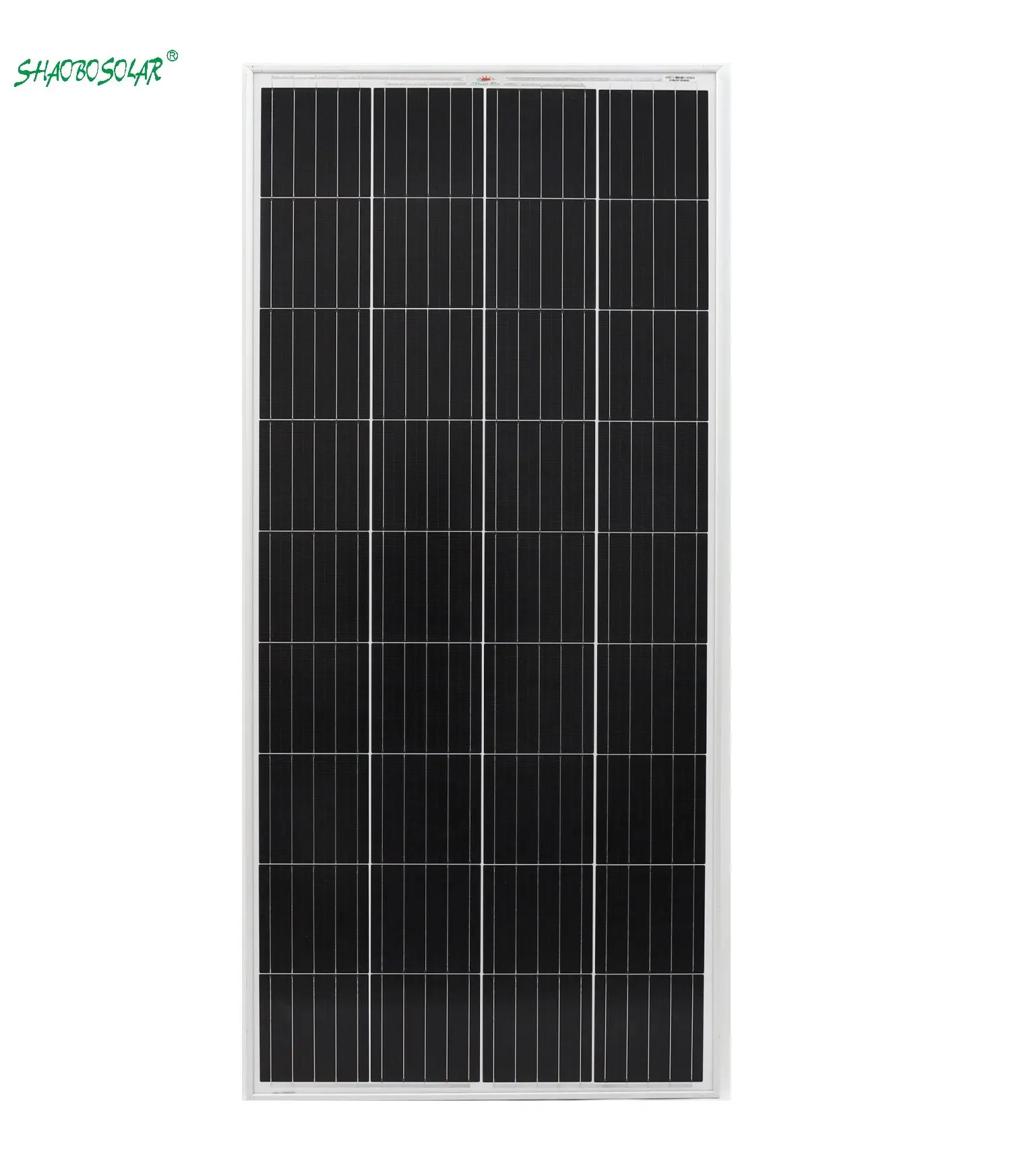
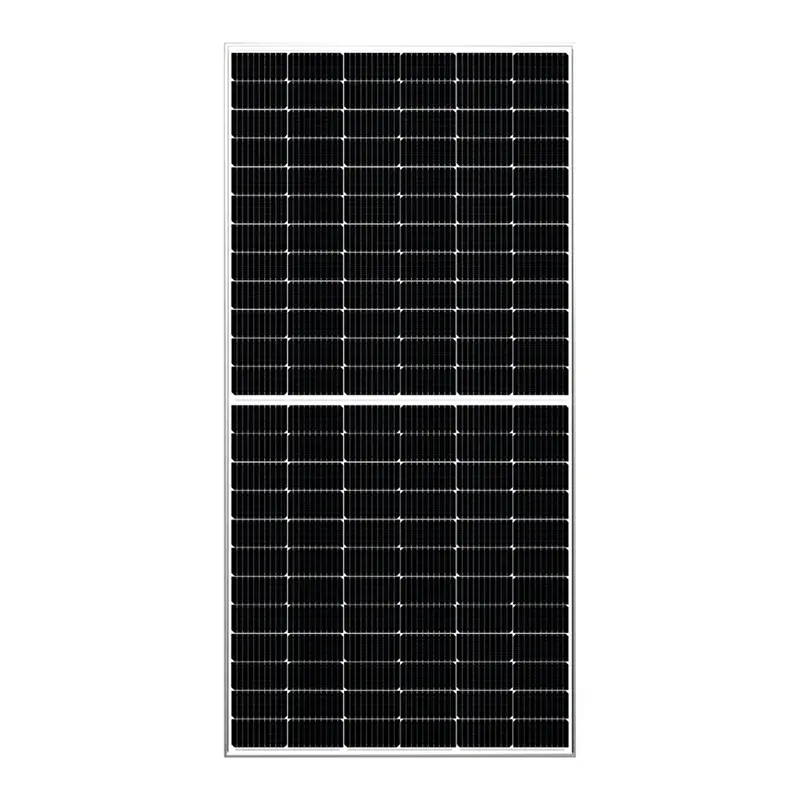
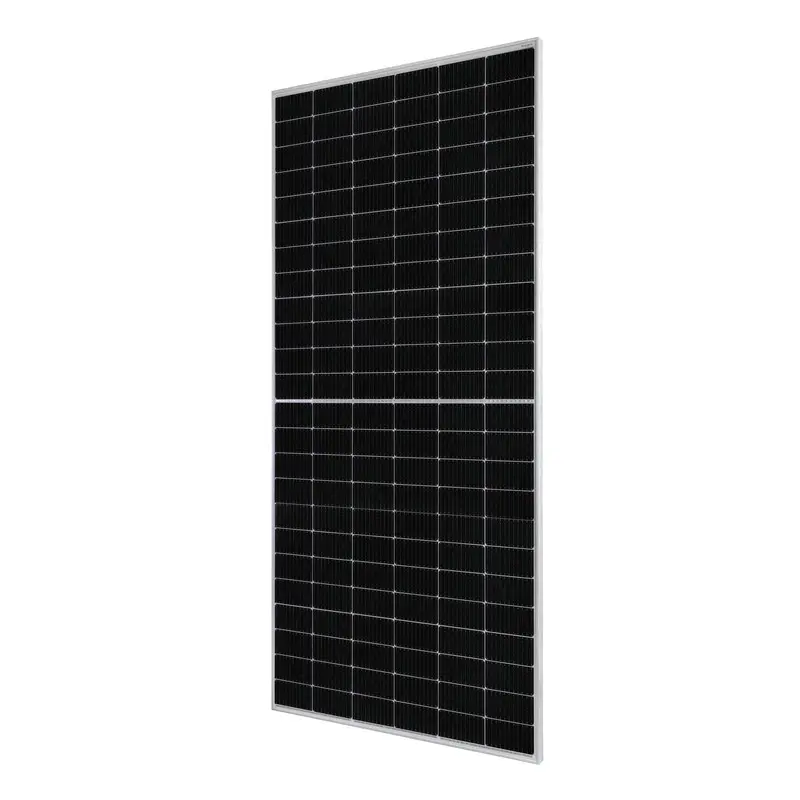
Monocrystalline solar panels are made from a single crystal of silicon. This is achieved through the Czochralski method, where a silicon crystal "seed" is dipped into molten silicon and slowly pulled upward, forming a cylindrical ingot. These ingots are then sliced into wafers, which are used to create the solar cells. Due to this intricate process, monocrystalline panels generally have a uniform dark black appearance. They are renowned for their high efficiency, typically ranging from 20% to 22%, making them a great choice when space is limited. Shaobo Solar offers a wide range of high-efficiency monocrystalline panels.
Key Highlights: High efficiency (20-22%), sleek black appearance, ideal for limited space, generally more expensive.
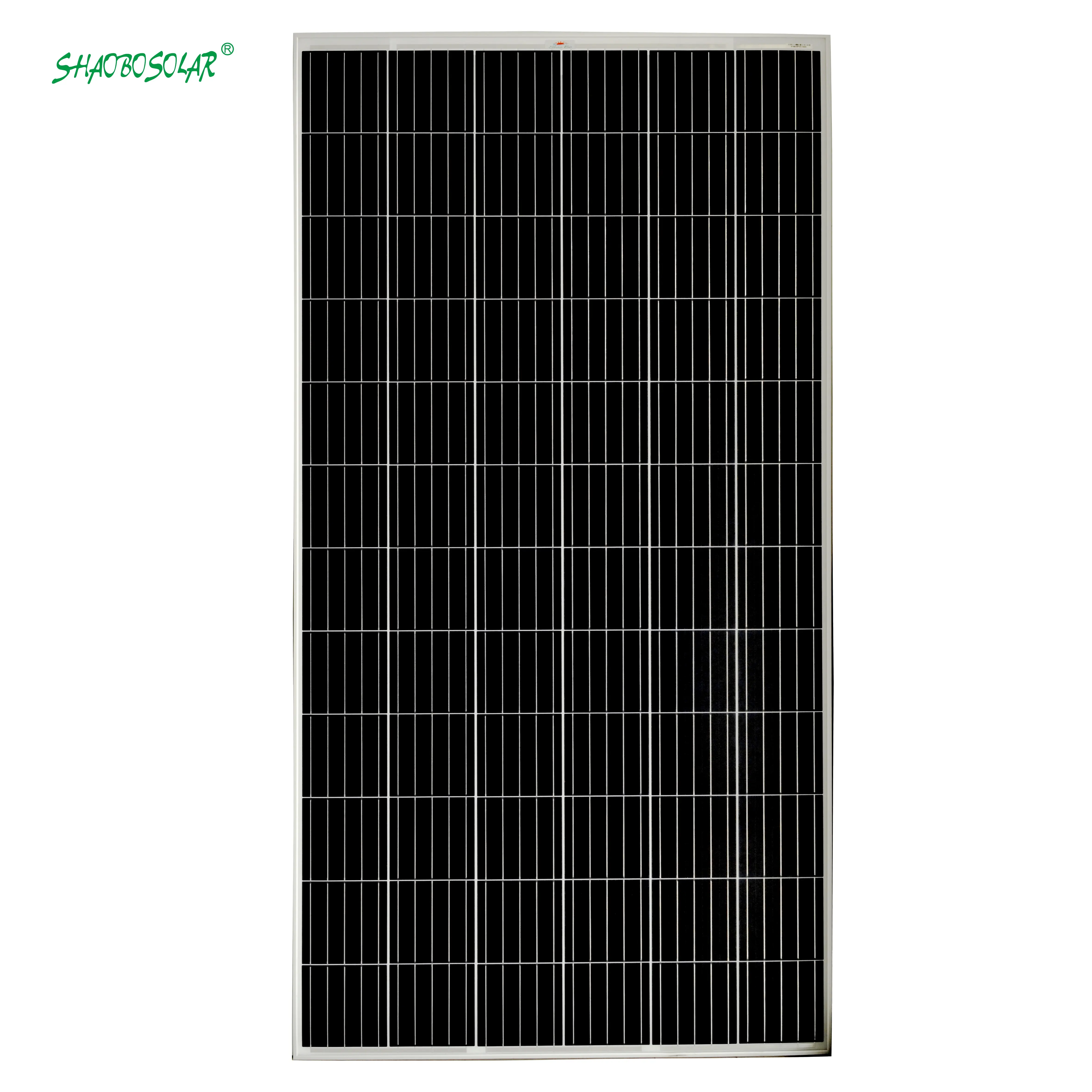
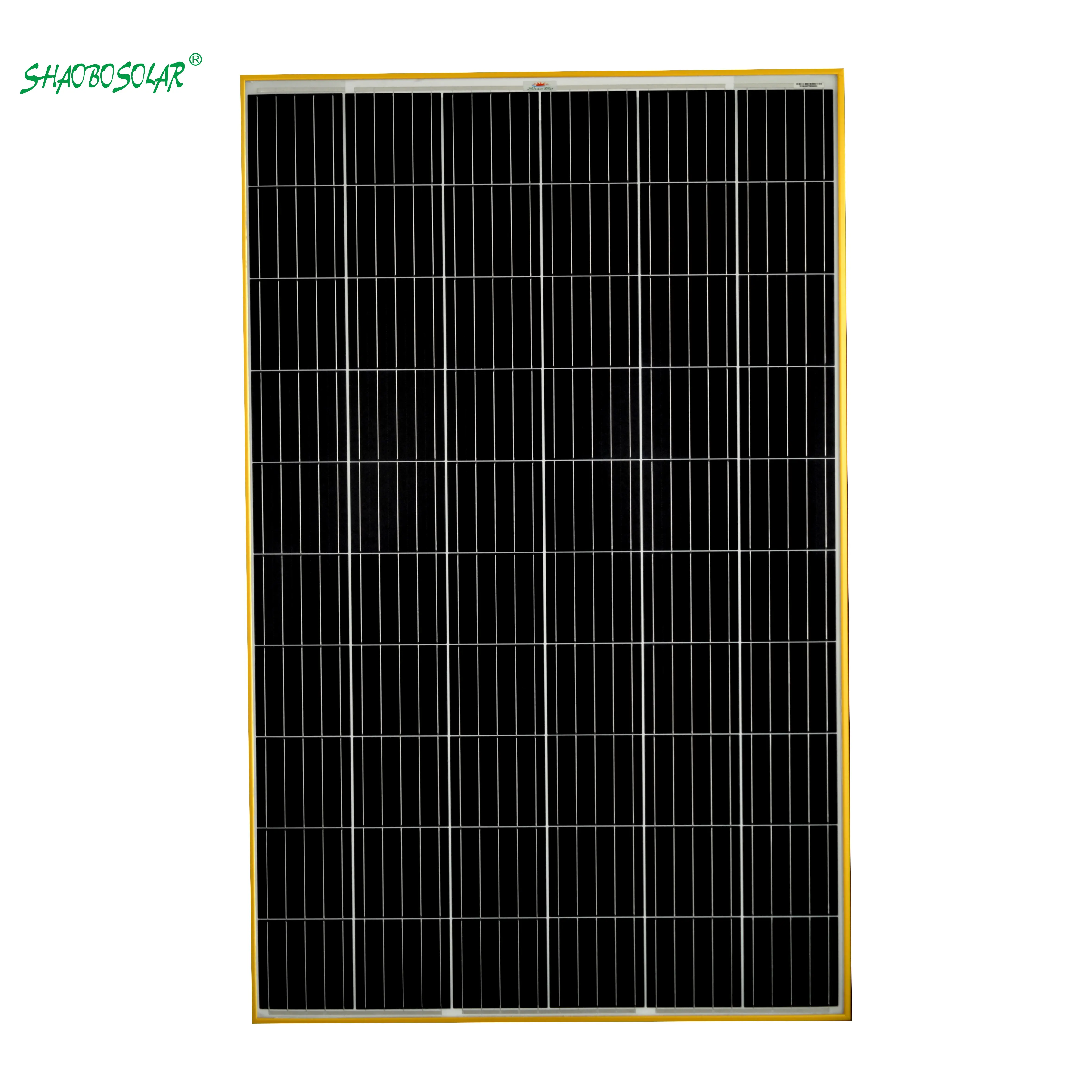
Polycrystalline solar panels, also known as multicrystalline, are created by melting multiple silicon fragments together. This molten silicon is then poured into a square mold and allowed to cool and solidify. This process results in a panel with a speckled blue appearance, as the different silicon crystals reflect light in varying directions. While less efficient than monocrystalline panels – typically around 15% to 17% – they are generally more affordable to manufacture. Polycrystalline panels are a good option if you have ample roof space and are looking for a cost-effective solution.
Polycrystalline Panel Benefits:
• Lower manufacturing cost
• Good performance in warm climates
• Readily available
Understanding the key differences between monocrystalline and polycrystalline panels is crucial for making the right investment. Here's a side-by-side comparison to help you visualize the distinctions:
While monocrystalline panels generally perform better in high temperatures, polycrystalline panels can sometimes maintain their output slightly better in warmer conditions. This is due to their different temperature coefficients. However, the difference is usually minimal. Both types of panels are reliable options for a wide range of climates. Shaobo Solar’s panels are rigorously tested to ensure optimal performance in diverse weather conditions.
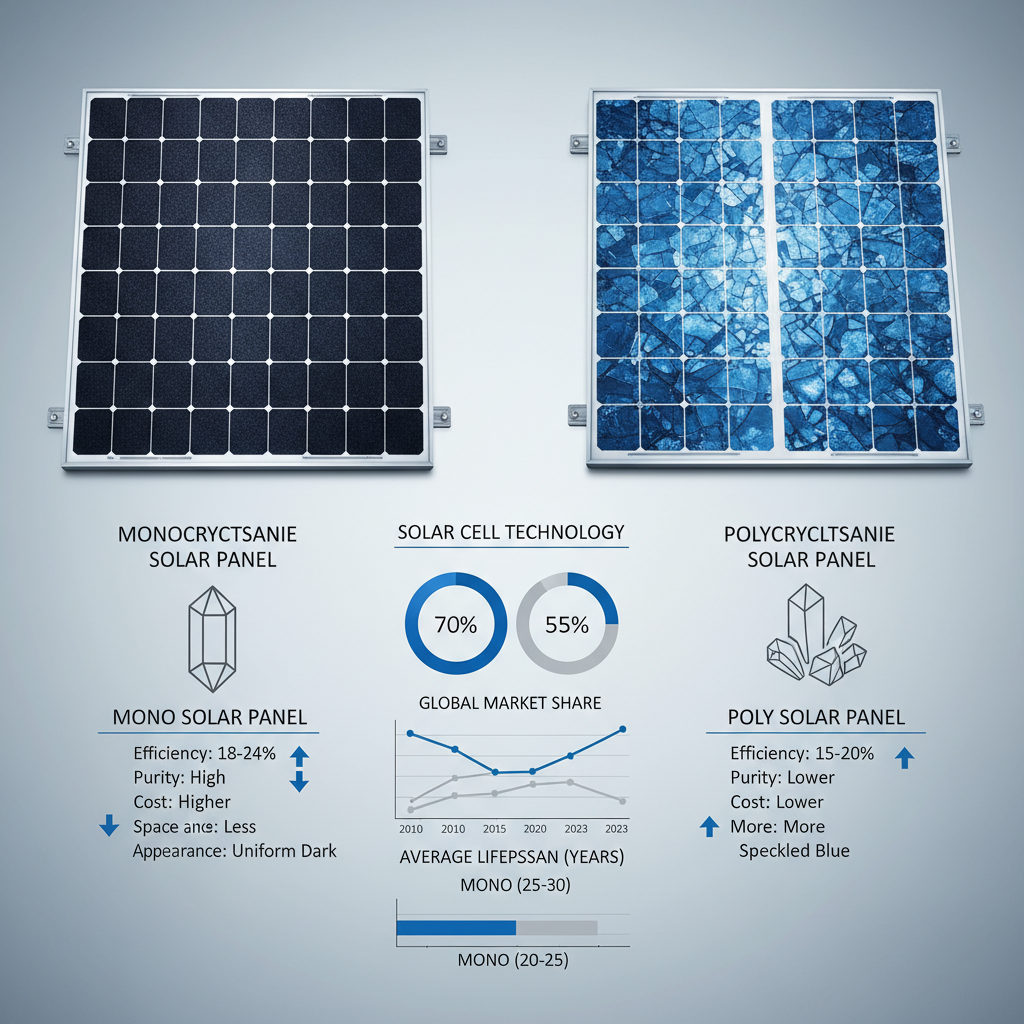
Ultimately, the best choice depends on your individual circumstances. If you have limited roof space and prioritize efficiency, monocrystalline panels are the way to go. If you have ample space and are looking for a more budget-friendly option, polycrystalline panels are a great choice. Consider your energy consumption, budget, and available space to make the most informed decision. We at Shaobo Solar are here to assist you in navigating these choices and finding the perfect solar solution.
Choosing between mono solar panels and polycrystalline panels is a critical step toward a sustainable future. By understanding the nuances of each technology, you can make a decision that aligns with your energy needs and financial goals. Investing in solar energy is an investment in a cleaner, more sustainable tomorrow.
Most solar panels are designed to last for 25-30 years. However, their performance gradually declines over time. Typically, a panel will still be producing around 80-85% of its original output after 25 years. Factors like climate, maintenance, and the quality of the panel itself can affect its lifespan. Regular inspections and cleaning can help maximize the performance and longevity of your solar panels.
Yes, solar panels still generate electricity on cloudy days, although at a reduced rate. The amount of electricity produced depends on the thickness and density of the clouds. Even on heavily overcast days, panels can generate 10-25% of their peak output. Modern solar panels are designed to capture diffuse light, which allows them to function even when direct sunlight is blocked.
Yes, solar panels are increasingly recyclable. While recycling processes are still evolving, a significant portion of the materials in solar panels – including glass, aluminum, and silicon – can be recovered and reused. Proper disposal and recycling of solar panels are crucial to minimizing environmental impact. Shaobo Solar is committed to responsible recycling practices.
Solar panels require very little maintenance. Generally, occasional cleaning to remove dirt, dust, and debris is sufficient. Rain often provides adequate cleaning, but in dry or dusty environments, occasional washing may be necessary. It's also recommended to have your system inspected by a professional every few years to ensure optimal performance and identify any potential issues.


Hit enter to search or ESC to close