9 April 2026
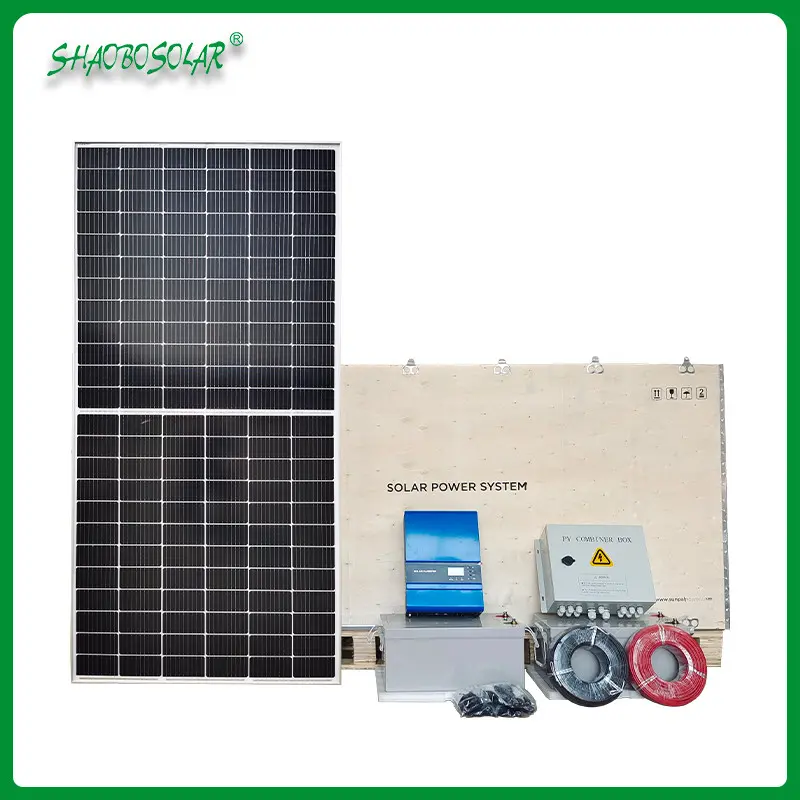
Transitioning to renewable energy is no longer just a trend; it is a strategic move toward sustainability and cost-reduction. Among the various options available, the 240 watt solar panel offers a perfect balance between size and power output, making it an ideal choice for residential rooftops, RVs, and small-scale commercial projects. By capturing sunlight and converting it into usable electricity, these panels help reduce reliance on the grid and lower monthly utility bills. In this guide, we will explore why this specific wattage is a "sweet spot" for many users and how to optimize its performance for maximum ROI.
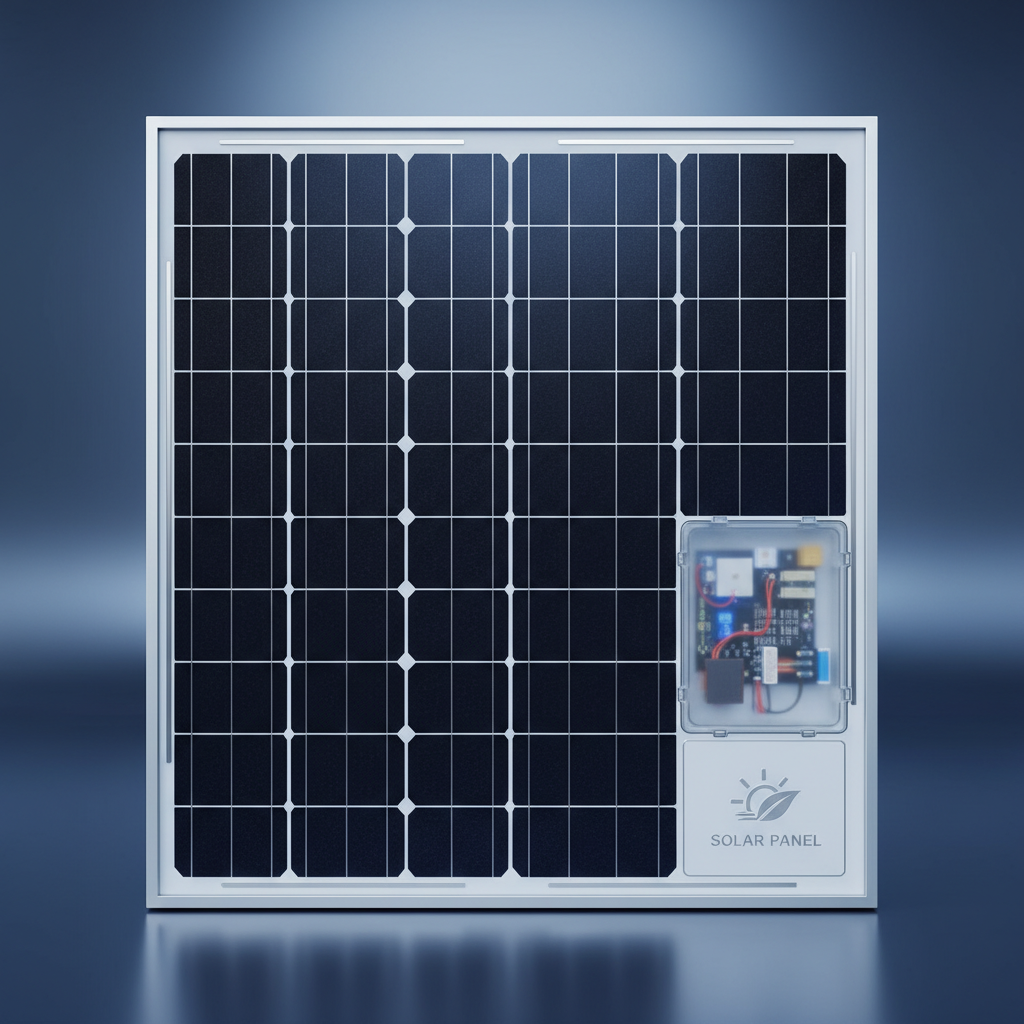
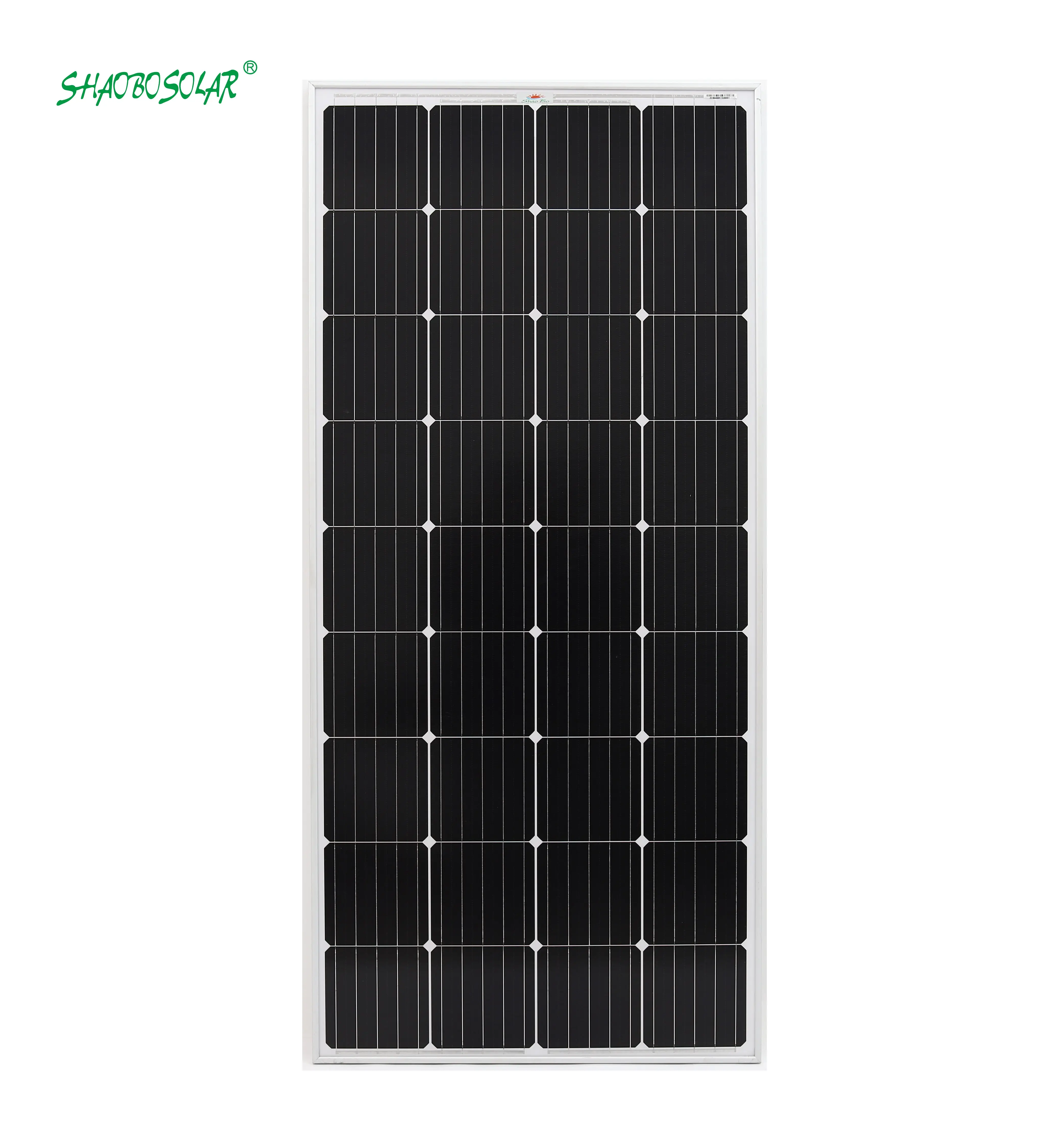
The primary appeal of a 240 watt solar panel lies in its versatility. Unlike massive industrial panels, the 240W variant is manageable in weight and dimensions, allowing for easier installation without requiring heavy machinery. Furthermore, it provides sufficient energy to power essential devices such as LED lighting, laptops, and small appliances. When connected in an array, these panels can be scaled up to meet larger energy demands effortlessly. High conversion efficiency and weather-resistant tempering ensure that the panels perform reliably even in suboptimal light conditions or harsh environments.
Efficiency Tip: To get the most out of your 240W panel, ensure it is installed at an angle that maximizes sun exposure based on your geographic latitude, reducing shading from nearby trees or structures.
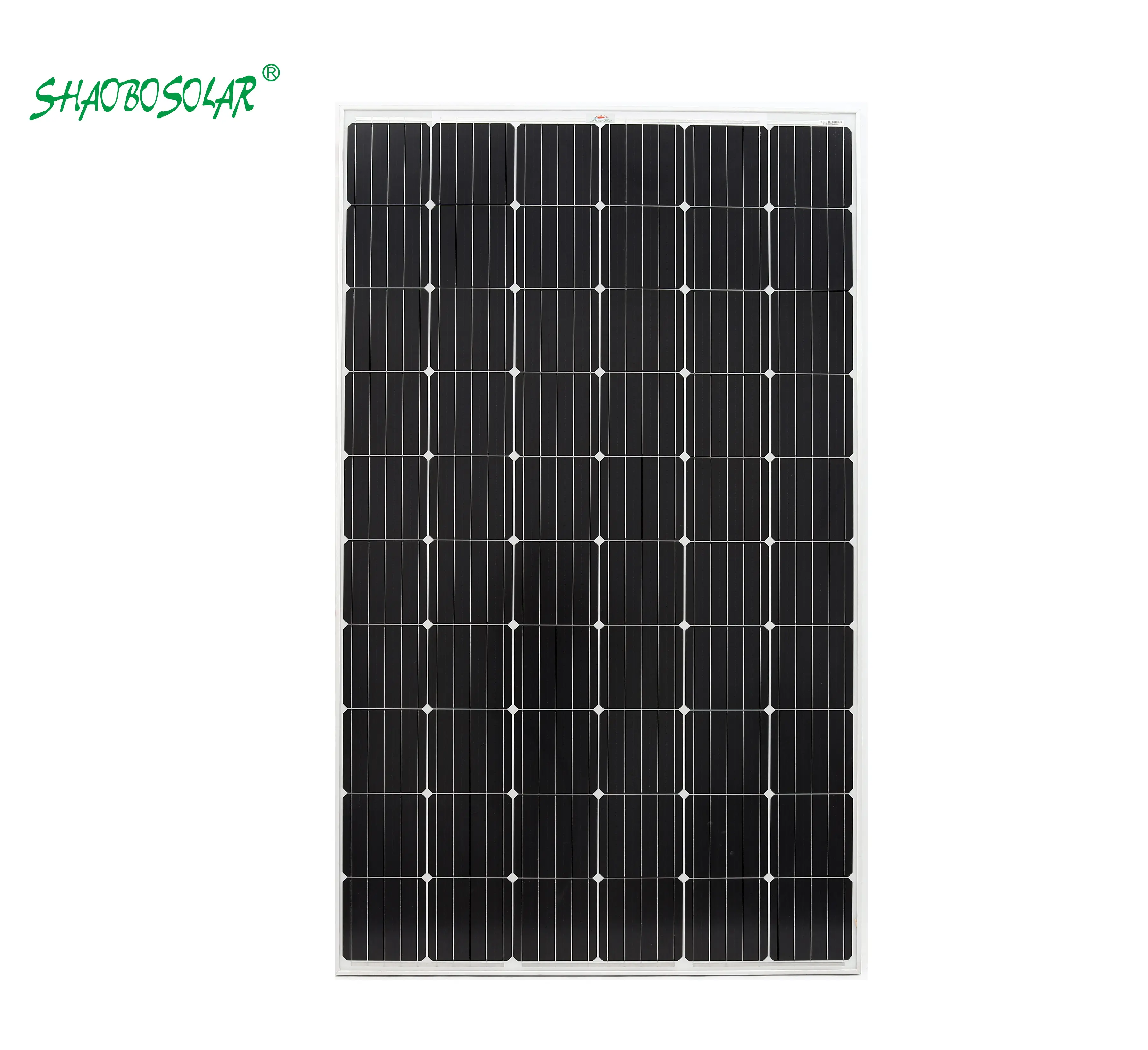
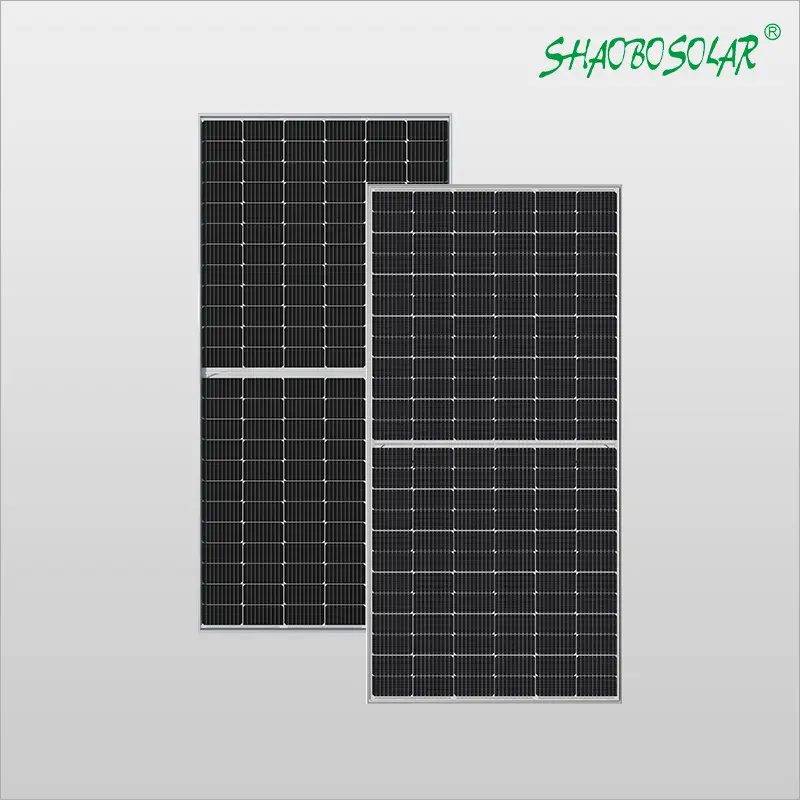
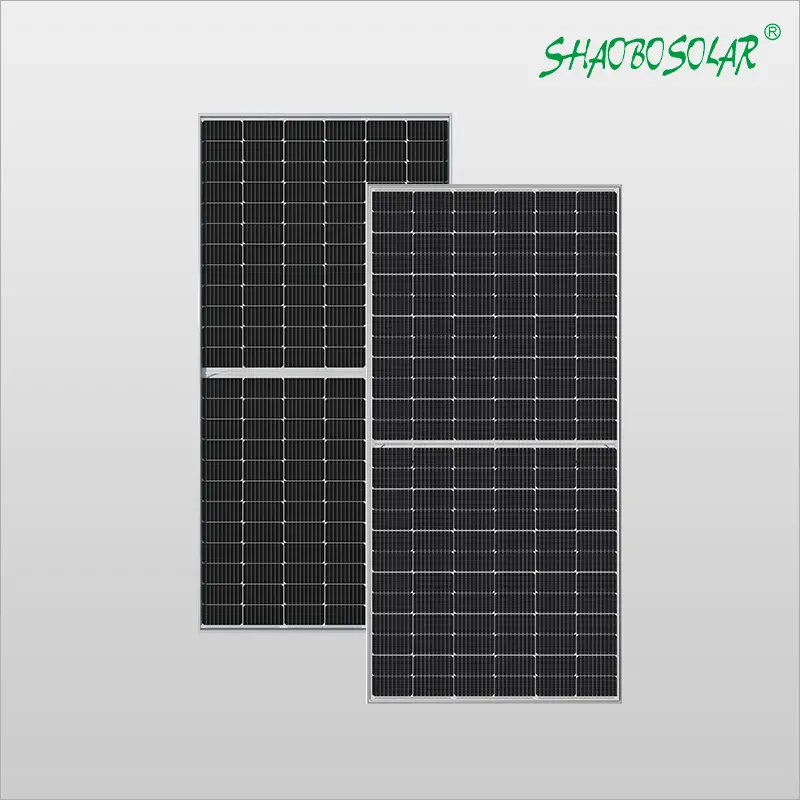
Understanding the technical parameters is crucial for choosing the right charge controller and battery bank. A standard 240 watt solar panel typically utilizes monocrystalline cells for higher efficiency. These cells are known for their dark appearance and ability to perform better in low-light conditions compared to polycrystalline alternatives. Below is a detailed breakdown of the typical specifications you can expect from a high-quality 240W module.
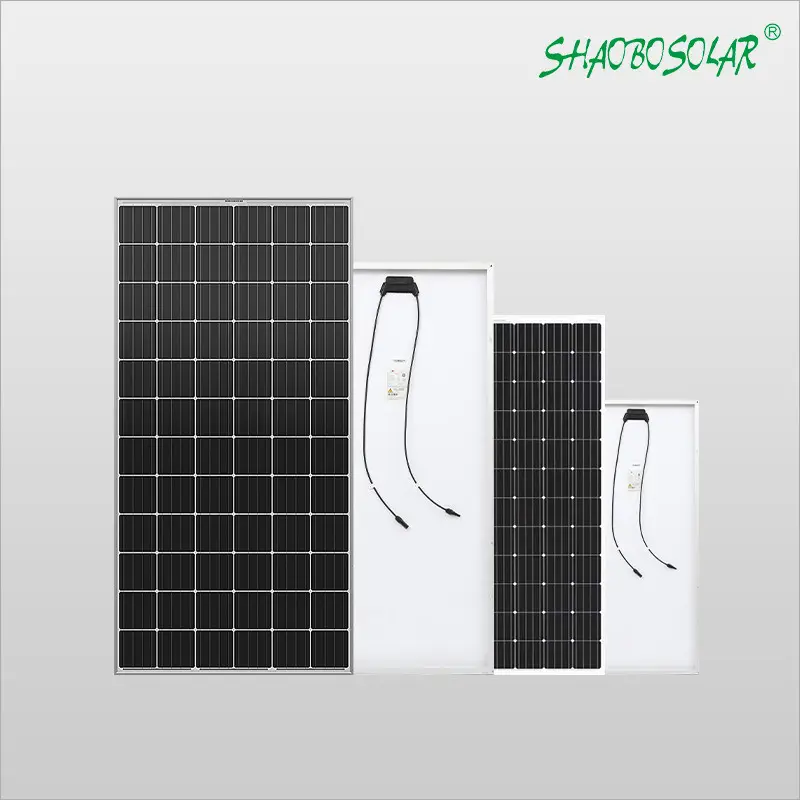
When selecting a system, users often debate between 100W, 240W, and 400W+ panels. While 100W panels are great for tiny gadgets, they often require too many units to power a small cabin. Conversely, 400W panels are heavy and may be overkill for simple off-grid setups. The 240 watt solar panel strikes the ideal middle ground. It provides enough "oomph" to charge deep-cycle batteries quickly while remaining light enough for mobile applications. This makes it the preferred choice for those who need a reliable energy source without the complexity of a massive industrial installation.
Where does the 240 watt solar panel truly shine? First, in RV and Camper Van conversions, where roof space is limited but energy needs for refrigerators and fans are constant. Second, for Remote Security Systems, where powering cameras and routers in areas without electricity is essential. Finally, for Small Garden Sheds or Cabins, where a few panels can provide sufficient lighting and tool charging. Its modular nature allows users to start small and expand their system as their power needs grow over time.
Recommended Use-Cases:
• Off-grid cabins and tiny homes
• Marine and sailing vessels
• Solar-powered street lighting
• Emergency backup power stations
To ensure your 240 watt solar panel lasts for 25 years or more, proper installation is key. Always use high-quality UV-resistant cables to prevent degradation from sun exposure. Additionally, employing an MPPT (Maximum Power Point Tracking) controller can increase the efficiency of the panel by up to 30% compared to traditional PWM controllers. Maintenance is surprisingly simple: a periodic cleaning with water and a soft cloth to remove dust and bird droppings can significantly boost energy harvest. Avoiding abrasive chemicals is essential to protect the anti-reflective coating of the glass.
Investing in a 240 watt solar panel is a balanced decision for anyone seeking reliable, scalable, and efficient energy. Whether you are venturing off-grid or simply reducing your carbon footprint, this wattage provides the necessary power without excessive bulk. By pairing high-quality panels from a trusted manufacturer with the right accessories, you can secure your energy independence for decades to come. Start your journey toward green energy today.
On average, a solar panel requires about 4 to 6 "peak sun hours" per day to operate at its full potential. In ideal conditions, a 240W panel can produce between 960Wh and 1,440Wh of energy daily. However, this varies based on your location, the season, and the angle of installation. To maximize output, it is recommended to use a mounting system that allows you to adjust the tilt throughout the year to follow the sun's path.
Absolutely. You can connect panels in series to increase the total voltage or in parallel to increase the total amperage. For example, two 240 watt solar panels connected in parallel will provide 480W of power at the same voltage. It is vital to ensure that all panels in the array are of the same wattage and voltage to avoid efficiency losses or potential damage to the cells. Always consult a professional for large-scale array configurations.
A good rule of thumb is to have enough battery capacity to store 2-3 days of energy to cover cloudy periods. If your 240W panel produces roughly 1kWh per day, a 200Ah 12V battery (which holds about 2.4kWh) is often a suitable match. This ensures you don't overcharge the battery during the day while having enough reserves for the night. Using Lithium (LiFePO4) batteries is highly recommended due to their deeper discharge cycles and longer lifespan compared to lead-acid options.
Yes, but it depends on the efficiency of the refrigerator. A high-efficiency DC compressor fridge (often used in RVs) typically consumes between 300Wh and 600Wh per day. A single 240 watt solar panel can easily produce this amount of energy in a few hours of sunlight. However, for a standard AC household refrigerator, you would need a much larger array and a powerful inverter, as those units have much higher energy demands and startup surges.


Hit enter to search or ESC to close