9 March 2026
As the world shifts towards sustainable energy solutions, solar power is becoming increasingly popular. At the heart of many home and small business solar setups lies the versatile 100 watt solar panel. This size panel offers a fantastic balance between affordability, portability, and power output. This article will delve into the features, applications, and benefits of 100-watt solar panels, helping you determine if it's the right choice for your energy needs. We’ll explore everything from powering small devices to contributing to off-grid living.
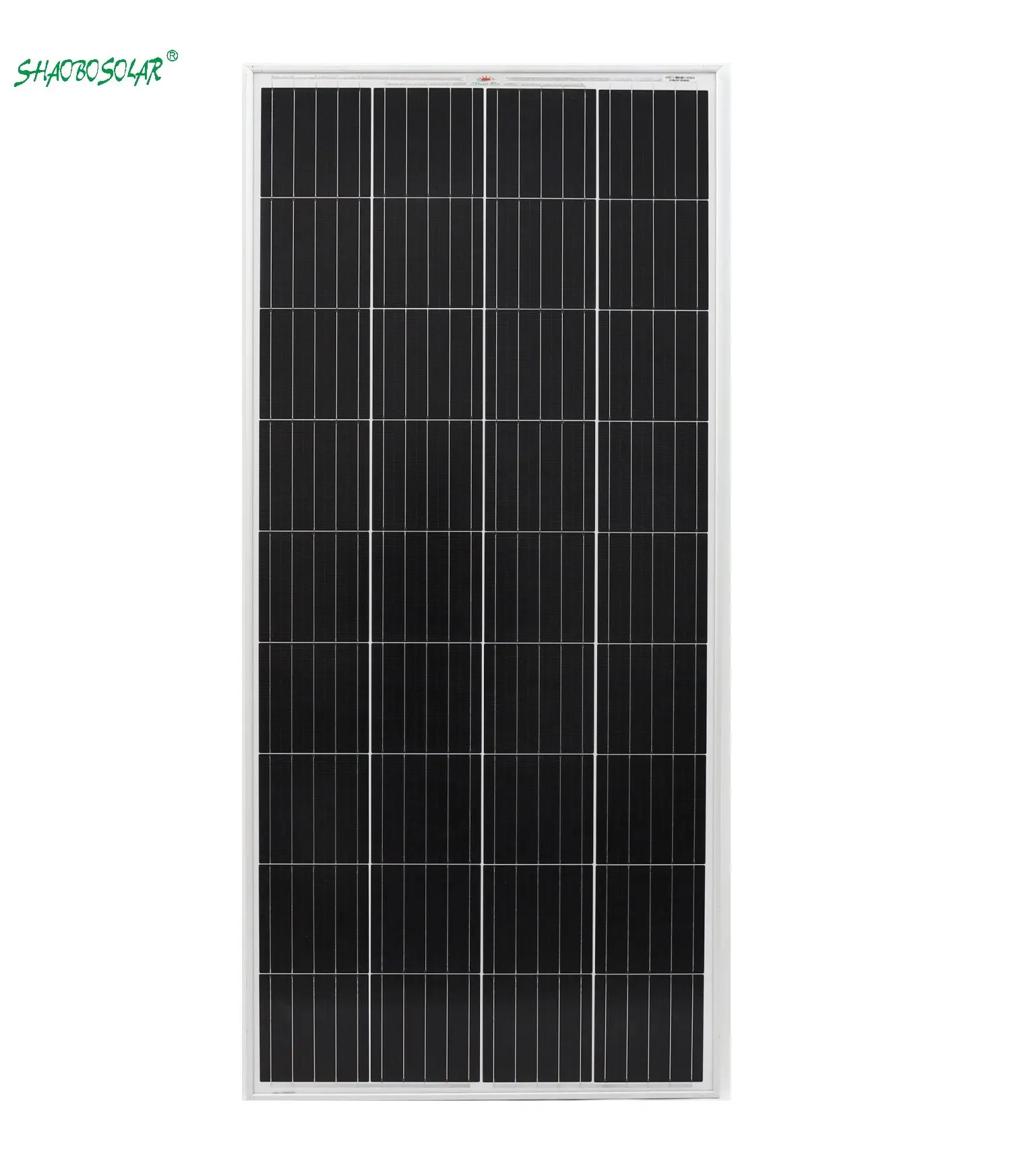
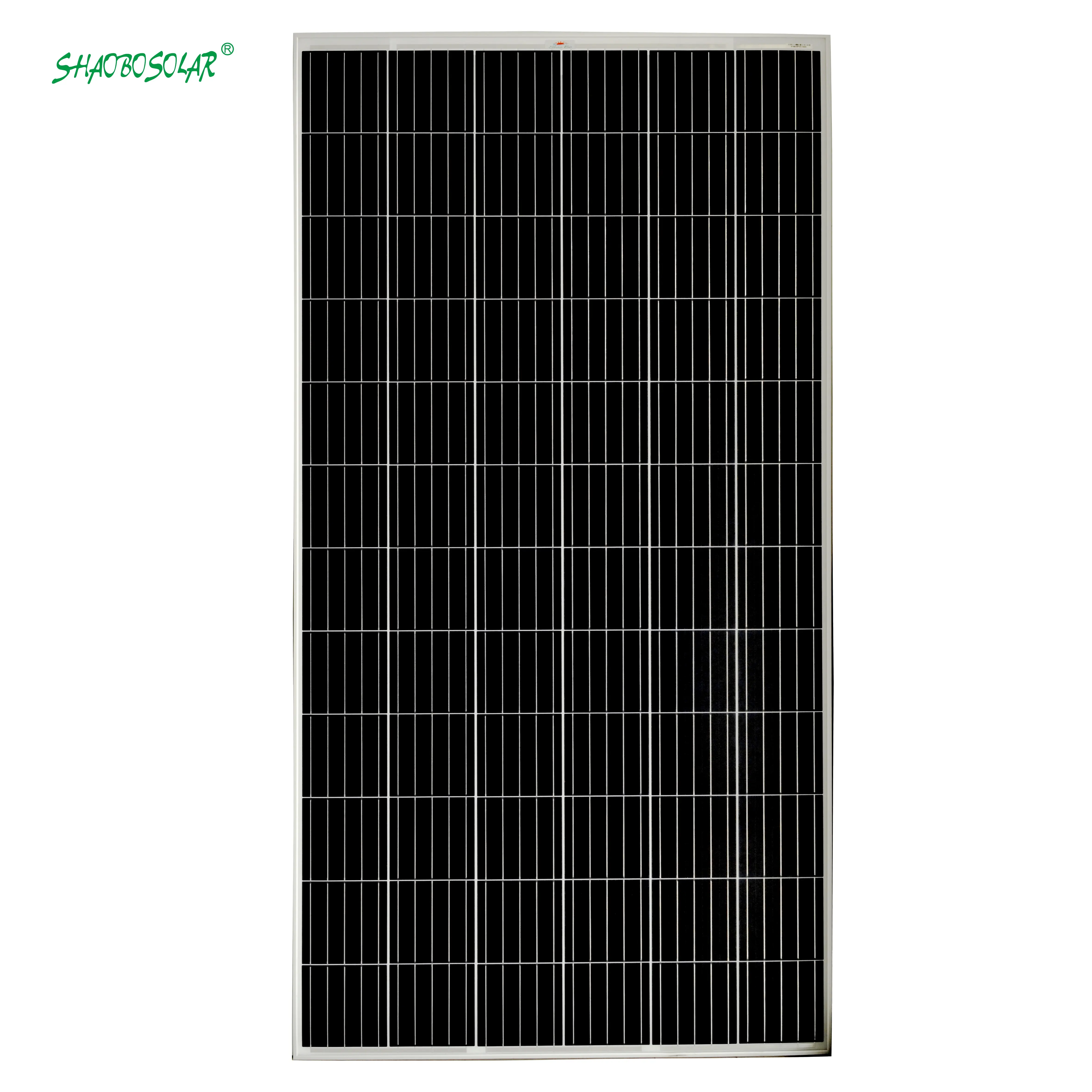
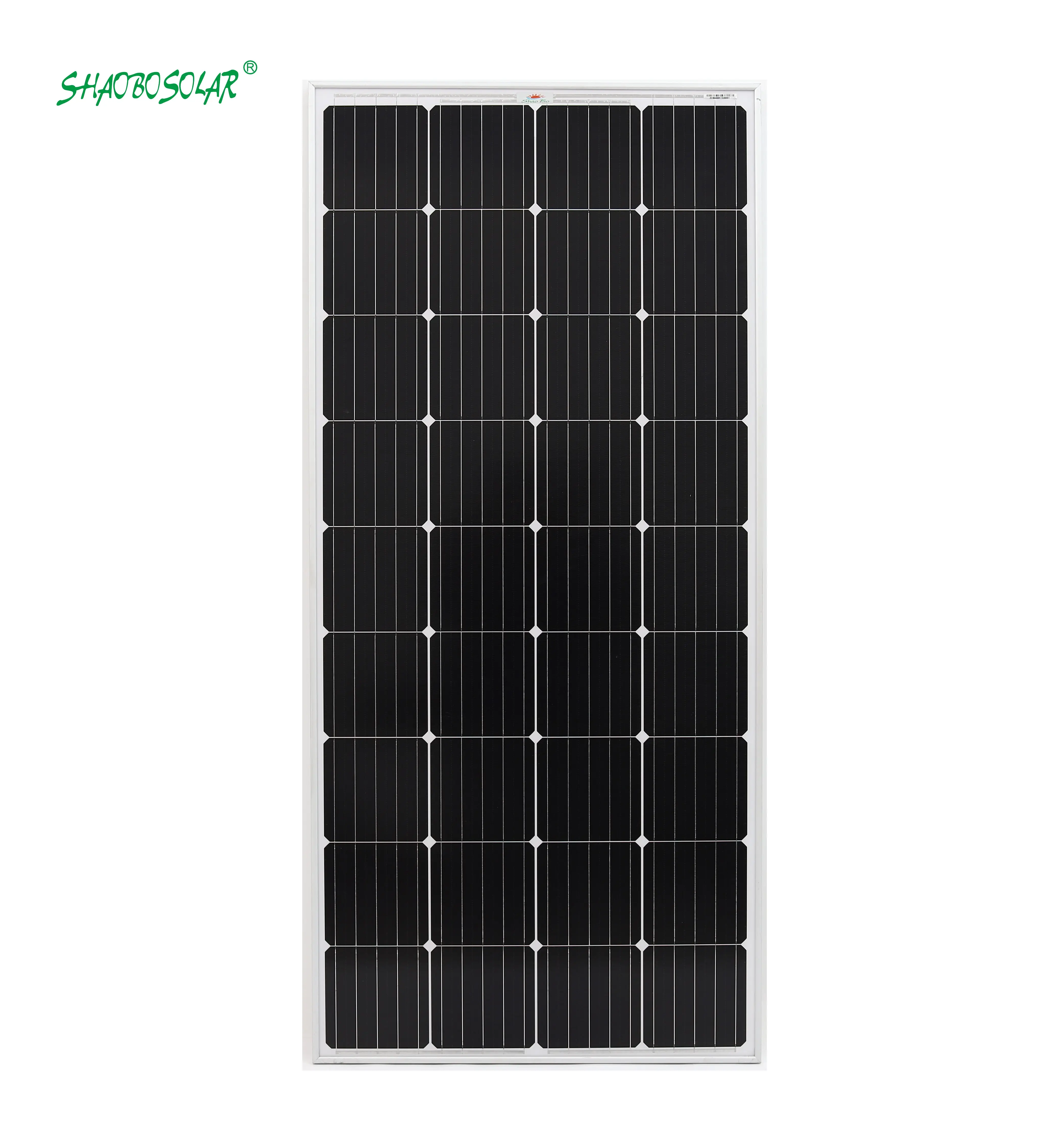
A 100-watt solar panel is a great starting point for many solar energy users. Its compact size (typically around 40 x 27 inches) makes it easy to transport and install. These panels are often used for smaller energy demands, like charging phones, powering lights, or running small appliances. They're a popular choice for RVs, boats, camping, and emergency preparedness kits because of their portability. Moreover, they are relatively inexpensive compared to larger wattage panels, making them accessible for a broader range of budgets. Shaobo Solar offers a range of high-efficiency 100-watt panels designed for optimal performance.
Key Highlights: Compact, portable, affordable, ideal for small to medium energy needs, suitable for various applications like RVs, camping, and emergency power.
The applications for a 100-watt solar panel are numerous. For recreational users, it can keep phones, tablets, and cameras charged during camping trips. RV owners can use them to supplement their battery banks, reducing reliance on shore power or generators. In off-grid scenarios, they can power essential lights and small appliances. They also serve as excellent emergency power sources during outages, providing crucial power for communication and safety equipment. Consider a 100-watt panel for maintaining battery charges for security systems or powering small water pumps.
Application Areas:
• Camping and Outdoor Adventures
• RV and Boat Power Supplementation
• Off-Grid Living and Small Cabins
• Emergency Power Backup
Understanding the technical specifications of a 100-watt solar panel is crucial for making an informed decision. Several factors influence performance, including cell type, voltage, current, and efficiency. Here's a breakdown of typical specifications:
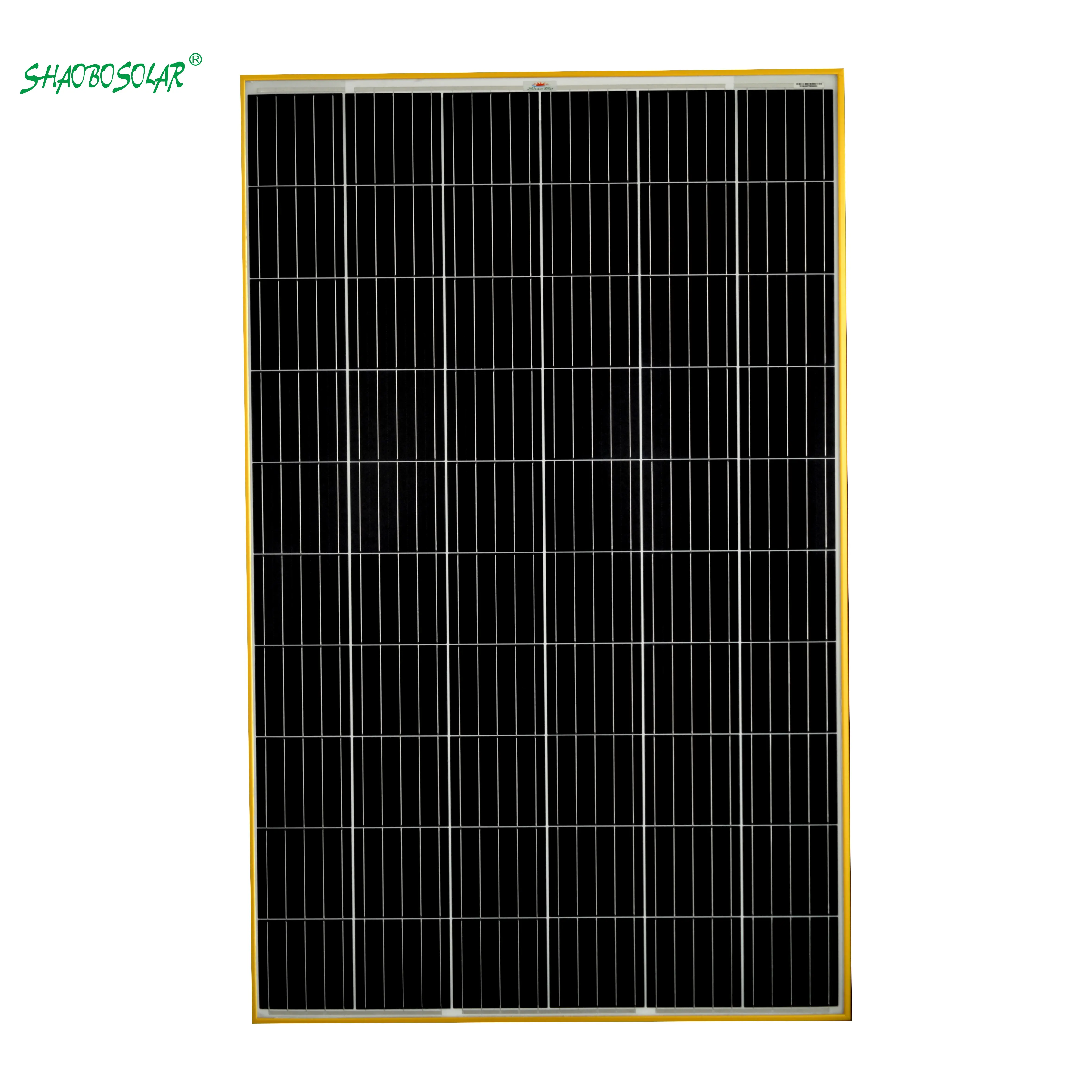
When choosing a 100-watt solar panel, you'll encounter two main cell types: monocrystalline and polycrystalline. Monocrystalline panels are typically more efficient and perform better in low-light conditions, but they are generally more expensive. Polycrystalline panels are more affordable but have slightly lower efficiency. The best choice depends on your budget, space constraints, and energy needs. Shaobo Solar offers both types, allowing you to choose the option that best suits your requirements.
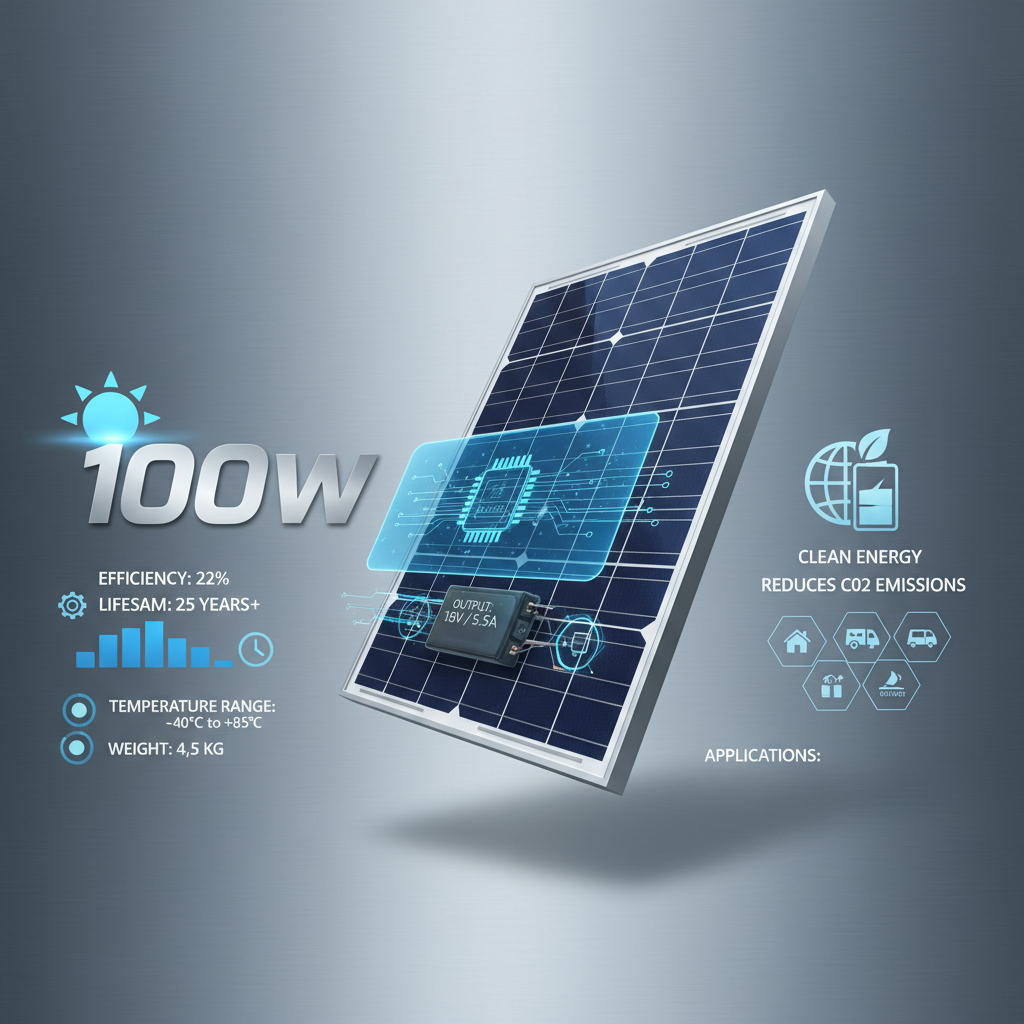
To get the most out of your 100-watt solar panel, proper installation is key. Ensure the panel is positioned to receive direct sunlight for the majority of the day. Adjusting the angle of the panel seasonally can also significantly improve energy production. Keep the panel clean from dirt, dust, and debris. Use a charge controller to regulate the voltage and prevent overcharging of your batteries. Finally, consider combining multiple 100-watt panels to increase your overall power output.
A 100 watt solar panel is an excellent entry point into the world of renewable energy. Whether you're an outdoor enthusiast, an RV owner, or simply looking for a reliable backup power source, these panels offer a cost-effective and environmentally friendly solution. Invest in quality components and proper installation to maximize your energy savings and reduce your carbon footprint.
The number of batteries a 100-watt solar panel can charge depends on the battery's voltage, capacity (Ah), and the amount of sunlight available. Generally, a 100-watt panel can charge a 12V deep-cycle battery, but it will take several hours to fully charge it, depending on its capacity and sunlight conditions. A smaller battery like a phone power bank will charge much faster. It's crucial to use a charge controller to prevent overcharging and damage to the battery. Consider your daily energy usage and the battery's capacity to determine if a single 100-watt panel is sufficient, or if you'll need to add more panels.
Most high-quality 100-watt solar panels have a lifespan of 25-30 years. However, their power output gradually decreases over time, typically at a rate of around 0.5% per year. This means that after 25 years, the panel may still be functioning but producing around 83-87% of its original rated power. Proper maintenance, such as regular cleaning and protection from extreme weather, can help extend the lifespan and maintain optimal performance. Shaobo Solar panels are built to withstand harsh conditions and offer excellent longevity.
Yes, absolutely. A charge controller is essential when using a 100-watt solar panel to charge batteries. It regulates the voltage and current coming from the panel, preventing overcharging, which can damage the battery and reduce its lifespan. There are two main types of charge controllers: PWM and MPPT. MPPT controllers are more efficient, especially in colder weather, but are also more expensive. Choosing the right charge controller depends on your battery type and system size.
It's unlikely a single 100-watt solar panel could continuously run a standard refrigerator. Refrigerators require significant energy, especially during the compressor's startup phase. However, a 100-watt panel could potentially supplement the power to a very efficient, small refrigerator, particularly if combined with battery storage to cover peak demand. You would likely need a larger solar array, potentially multiple 100-watt panels, along with a robust battery bank to reliably power a refrigerator.



Hit enter to search or ESC to close