4 April 2026
Looking for a portable and efficient way to harness solar energy? A 20 watt solar panel is a fantastic starting point. These panels are versatile, affordable, and ideal for a wide range of applications, from camping and RVing to powering small electronic devices. This guide will delve into the details of 20-watt solar panels, covering their uses, benefits, things to consider when purchasing, and how they stack up against other options. Let's explore how you can utilize the sun's power with a compact and reliable solar solution.
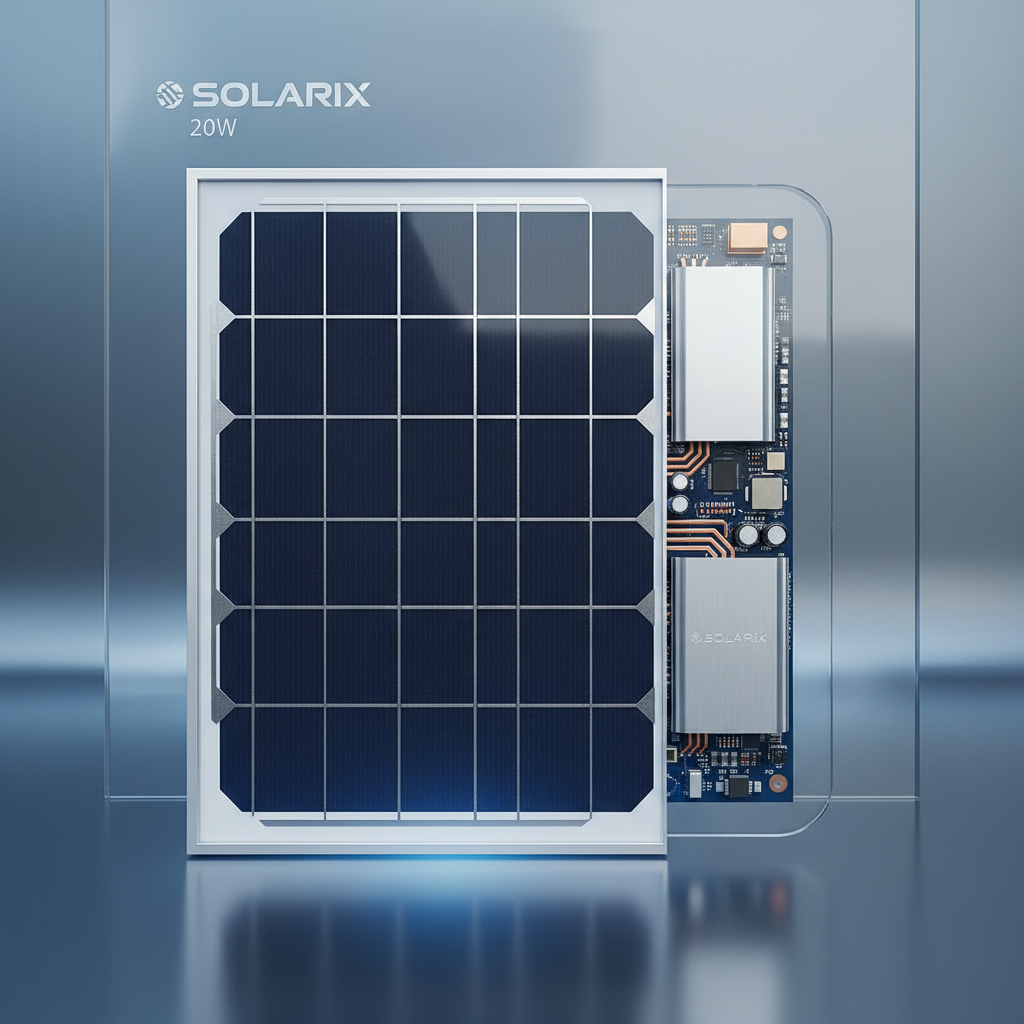
A 20-watt solar panel is capable of powering a surprising number of devices, especially when combined with a battery for storage. Common applications include charging smartphones, tablets, laptops, powering small fans, lights, and even running a portable refrigerator (though this would require a larger battery bank). The amount of power generated will vary based on sunlight intensity and panel efficiency, but a 20-watt panel can typically provide around 100-120 watt-hours of electricity per day under optimal conditions. This makes it a great choice for off-grid adventures or emergency preparedness. You can find a variety of high-quality 20W solar panels at Shaobo Solar.
Key Takeaway: 20-watt panels are perfect for keeping your essential electronics charged while off-grid or providing backup power during emergencies.
The popularity of 20-watt solar panels stems from several key benefits. First, they are incredibly portable, making them easy to transport and set up. Second, they are relatively inexpensive compared to larger solar systems, offering a low barrier to entry for those new to solar power. Third, they are environmentally friendly, providing a clean and renewable energy source. Finally, they require minimal maintenance, typically just occasional cleaning to remove dust and debris. Shaobo Solar offers panels built to withstand various weather conditions, ensuring long-term reliability.
Key Benefits:
• Portability – easy to carry and set up.
• Affordability – a cost-effective entry point to solar power.
• Eco-Friendly – a clean, renewable energy source.
• Low Maintenance – requires minimal upkeep.
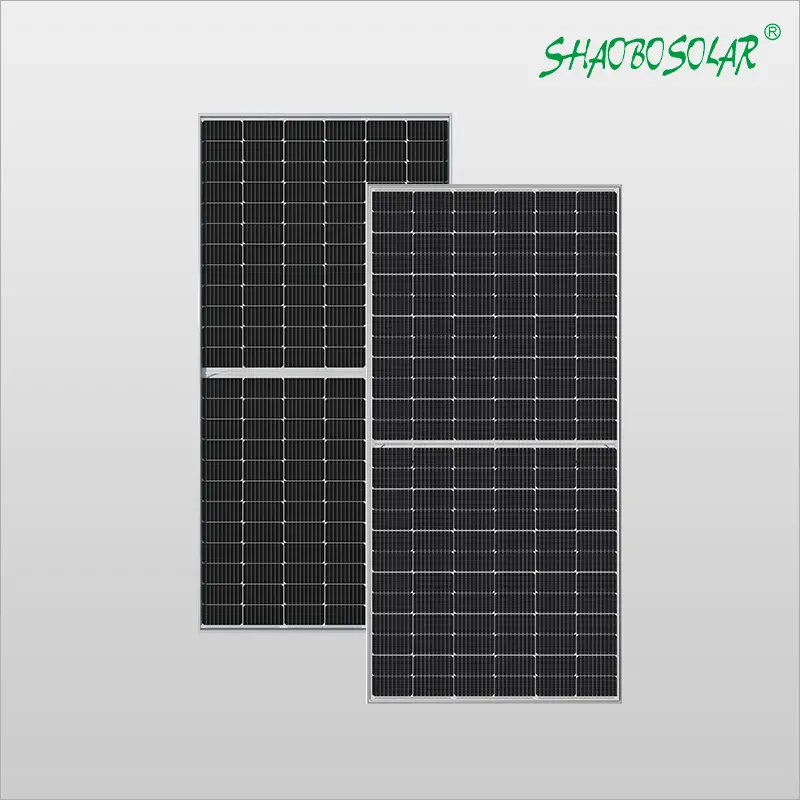
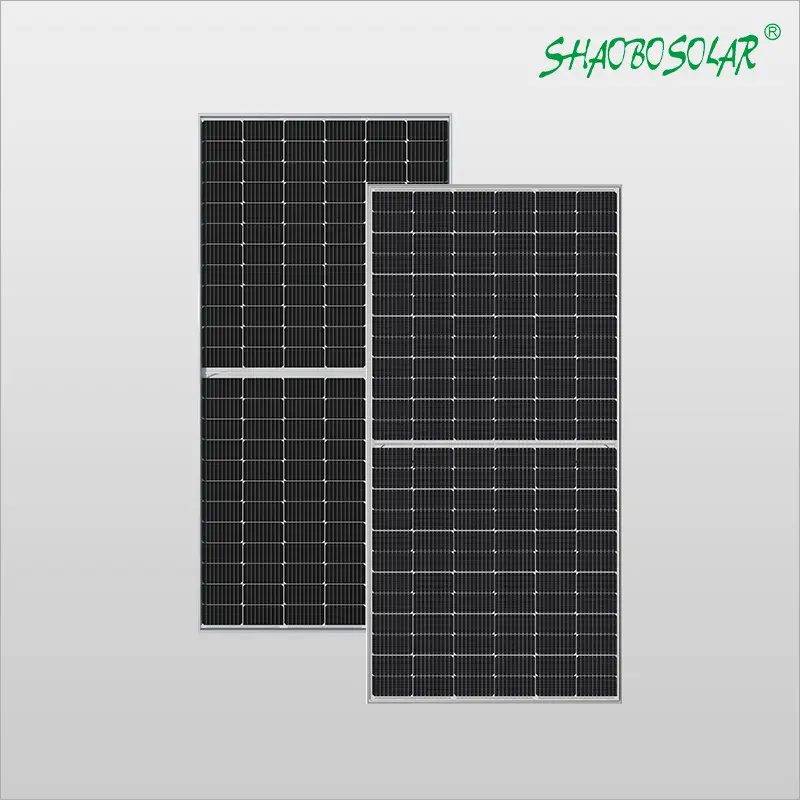
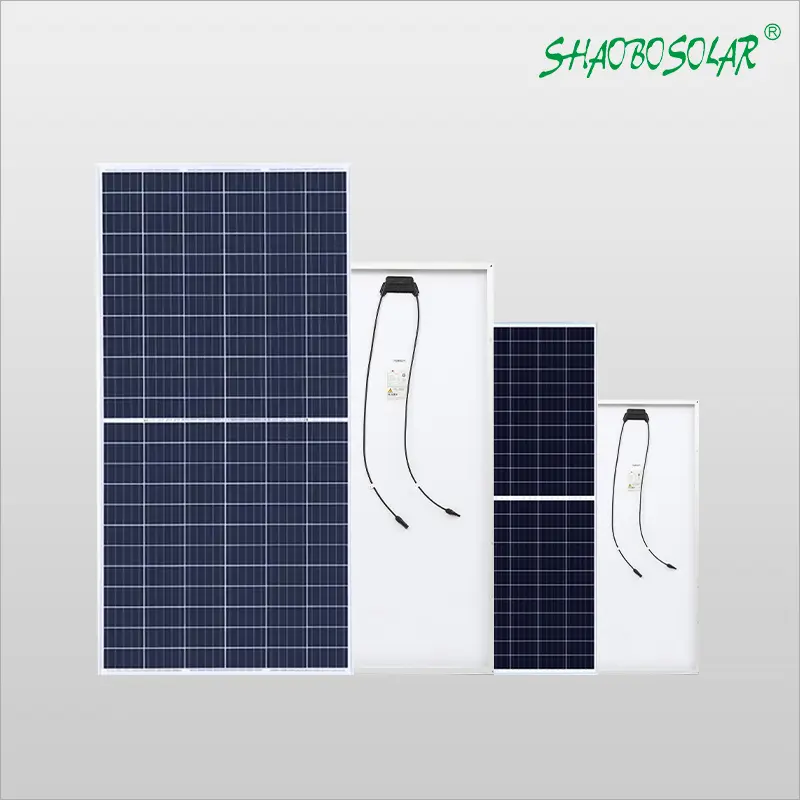
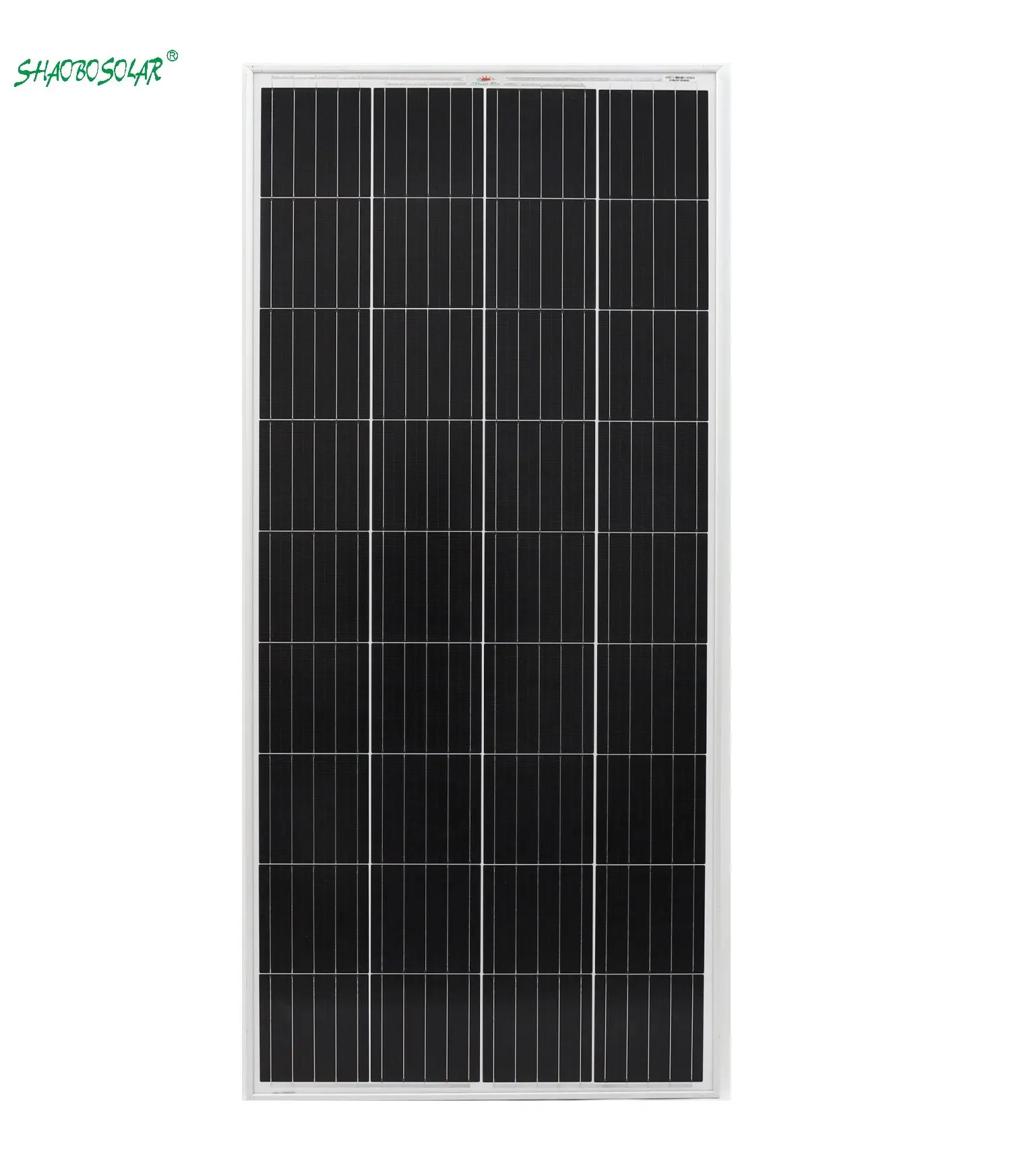
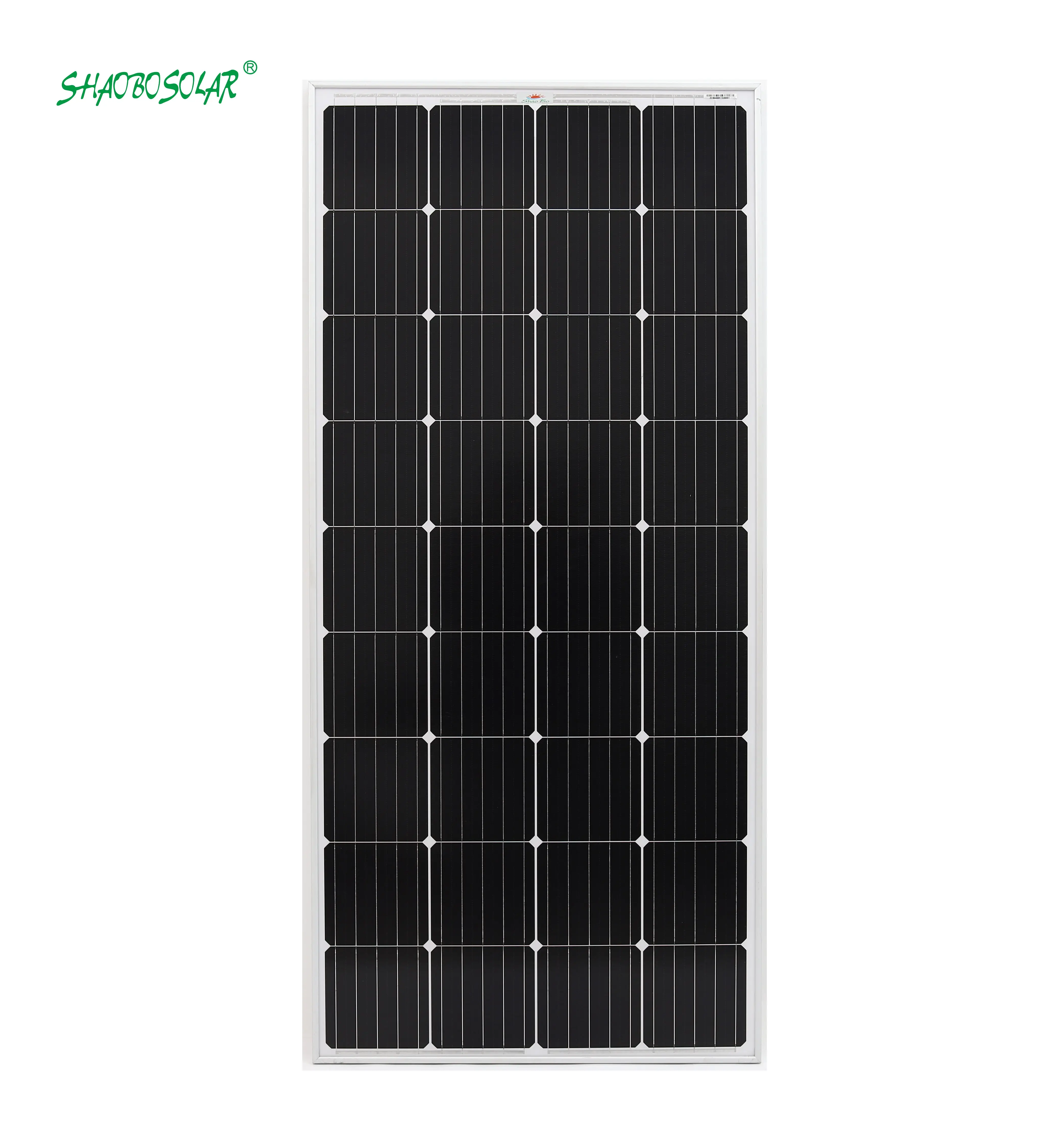
20-watt solar panels come in a few different types, each with its own pros and cons. Monocrystalline panels are the most efficient, meaning they produce the most power per square foot, but are also the most expensive. Polycrystalline panels are less efficient but more affordable. Thin-film panels are the least efficient and generally least expensive, but they are also more flexible and lightweight. The choice depends on your budget, space constraints, and power requirements. Shaobo Solar offers a range of panel types to suit diverse needs.
Before purchasing a 20-watt solar panel, consider several factors. First, think about your power needs. What devices do you plan to power, and how much energy do they consume? Second, assess the environment where you'll be using the panel. Is it likely to be exposed to harsh weather conditions? Third, check the panel's specifications, including its voltage, current, and efficiency. Finally, consider the warranty and customer support offered by the manufacturer. Investing in a quality panel from a reputable supplier like Shaobo Solar can save you headaches down the road.
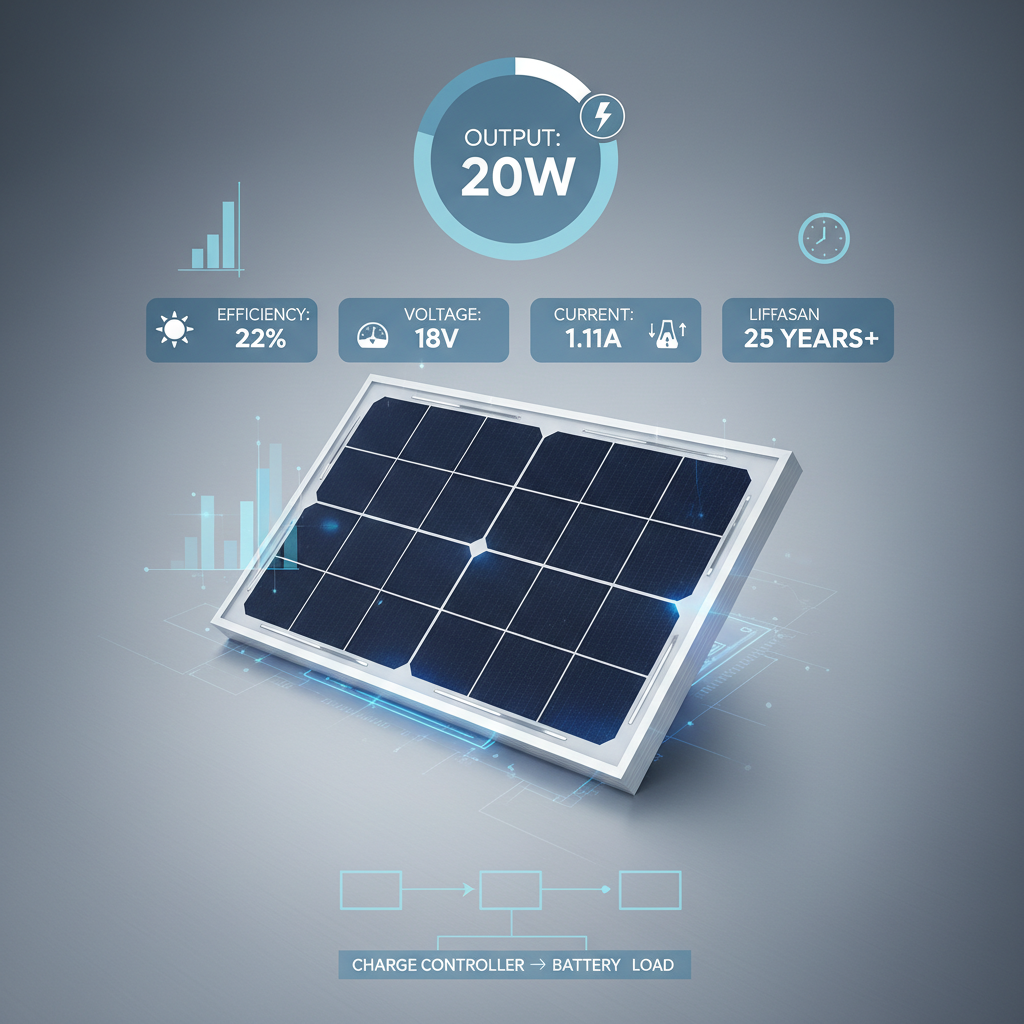
When evaluating a 20-watt solar panel, pay attention to key specifications. Open Circuit Voltage (Voc) indicates the maximum voltage the panel can produce when not connected to a load. Short Circuit Current (Isc) represents the maximum current the panel can deliver. Maximum Power Point Voltage (Vmp) and Maximum Power Point Current (Imp) are the voltage and current at which the panel operates most efficiently. Also, look for information about the panel’s efficiency rating and operating temperature range. Understanding these specifications will help you choose a panel that's well-suited to your specific application. You can find detailed specifications for all panels at Shaobo Solar.
The 20 watt solar panel offers a practical and affordable solution for harnessing solar energy. Whether you’re an avid camper, an off-grid enthusiast, or simply looking for a reliable backup power source, a 20-watt panel can provide the energy you need. With careful consideration of your power requirements and the factors discussed in this guide, you can choose the perfect panel to meet your needs.
The charging time depends on the smartphone's battery capacity and the amount of sunlight available. Generally, a 20-watt panel can fully charge a typical smartphone in approximately 2-4 hours under optimal conditions. However, cloudy weather or partial shading will significantly increase the charging time. Using a power bank between the solar panel and the phone can help to stabilize the charging process and improve efficiency. Remember that sunlight intensity directly impacts charging speed; more sun equals faster charging.
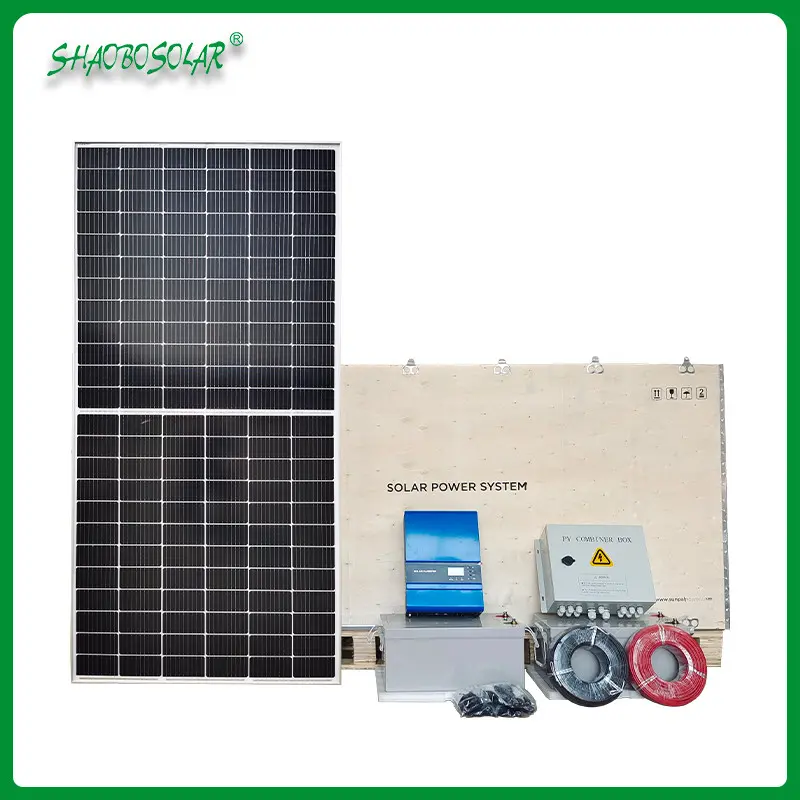
Yes, you can connect multiple 20-watt solar panels together to increase the total power output. You can connect them in series to increase the voltage, or in parallel to increase the current. However, it’s crucial to use a charge controller to regulate the voltage and prevent overcharging of your battery. Connecting panels incorrectly can damage the panels or the battery. Ensure you understand the proper wiring configurations before attempting to connect multiple panels together.
While 20-watt solar panels will still produce some power on cloudy days, the output will be significantly reduced. The amount of power generated depends on the thickness of the clouds. On heavily overcast days, the output may be as low as 10-20% of its rated power. However, even a small amount of power can be useful for trickle-charging a battery or powering low-energy devices. Consider investing in a larger battery bank to store energy for use on cloudy days.


Hit enter to search or ESC to close