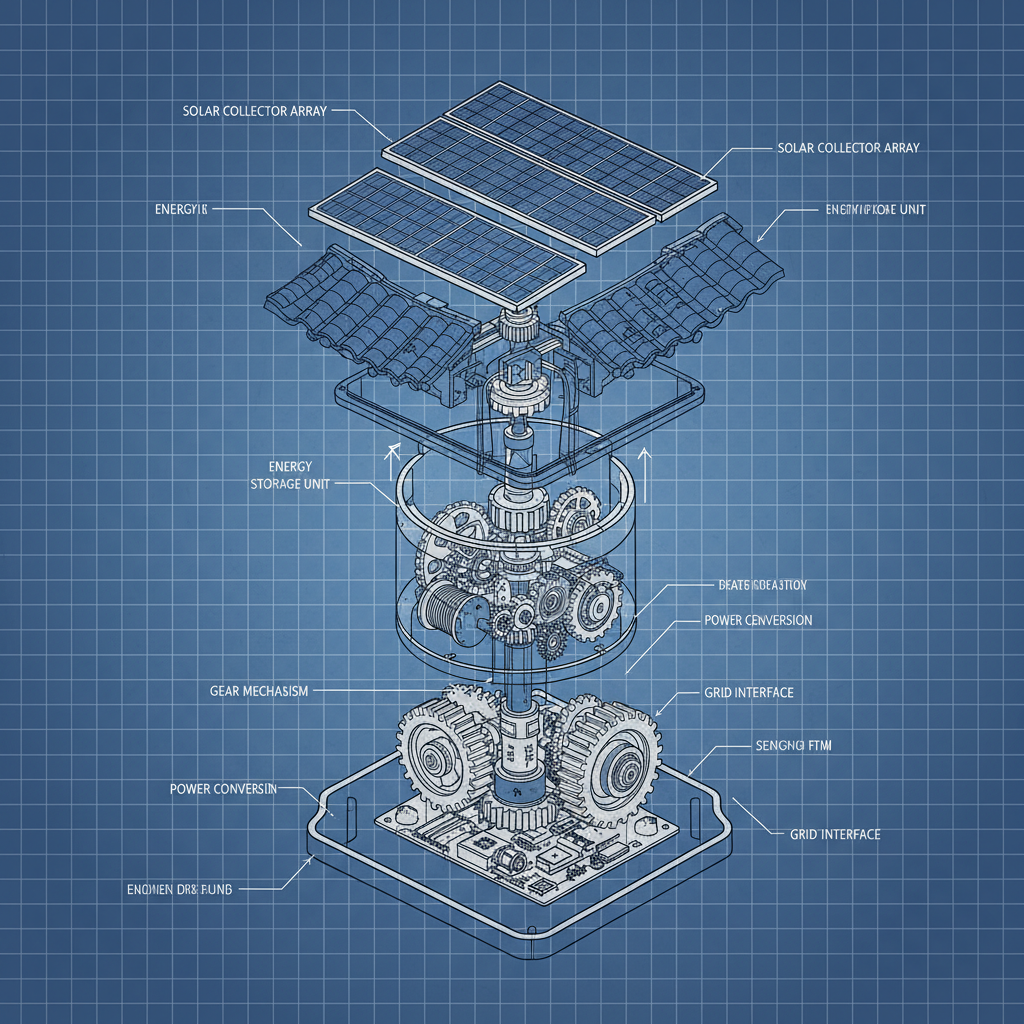
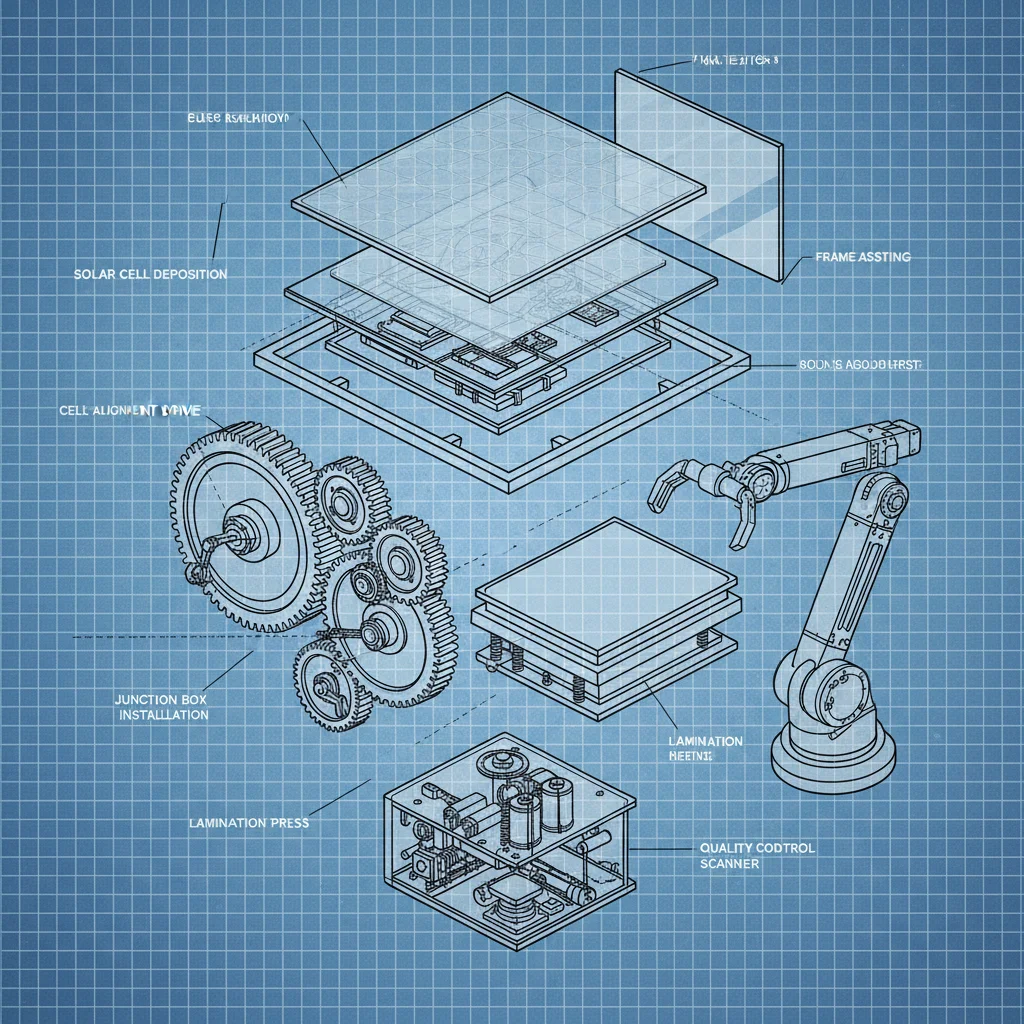
Look, things have been crazy busy lately with solar. Everyone's talking about bifacial panels, right? They claim more efficiency, but honestly, on a lot of these sites, the ground isn't prepped perfectly, so that back-side gain… it’s often less than advertised. And don't even get me started on tracking systems. Great in theory, chasing the sun all day. But dust, wind, maintenance… it's a headache. To be honest, a fixed-tilt system, well-maintained, often outpaces those fancy trackers in real-world returns.
Have you noticed how everyone’s obsessed with bigger inverters? More power, sure. But they’re massive, heavy, and getting them into position, especially on rooftops, is a nightmare. I saw a crew nearly drop one last month. Nearly. And the connectors… so many problems with those connectors. Corrosion, loose fits... little things that add up to big downtime.
It's funny, you spend so much time in the office designing, running simulations, but then you get out here, and things are… different.
The Evolving Landscape of solar power system china
Honestly, the speed of change in solar is ridiculous. A year ago, everyone was focused on PERC cells, now it's all about TOPCon and HJT. The Chinese manufacturers are driving a lot of that, pumping out new tech at a pace the rest of the world can barely keep up with. But it's not always about the newest shiny thing, is it? Reliability, longevity, cost… those still matter.
We're seeing a huge push for energy storage solutions too, obviously. Battery tech is improving, getting cheaper. But integrating them into the system… that's where it gets tricky. It’s not just plugging in a battery, you’ve got to think about thermal management, charge/discharge cycles, safety protocols. And the permitting process… don't even get me started.
Design Pitfalls in solar power system china
Strangely, a lot of designers forget about the installers. They’ll spec a system with all these custom angles and hard-to-reach components, and then expect us to put it together efficiently. It doesn’t work like that. Simplicity is key. Less is more. The more complicated it is, the more chances there are for something to go wrong.
Another common mistake is underestimating the impact of shading. A tree, a chimney, even a nearby building… It can kill the output of an entire string. We spend so much time doing shade analysis, using specialized software, but sometimes the simplest solution is just moving the panels a few feet.
And ventilation! People forget about ventilation. Panels get hot, and hot panels are less efficient. You need airflow, especially in hot climates. I encountered this at a factory in Guangdong last time – panels overheating, performance dropping, and everyone scratching their heads. A simple vent solved the problem.
Core Materials in solar power system china
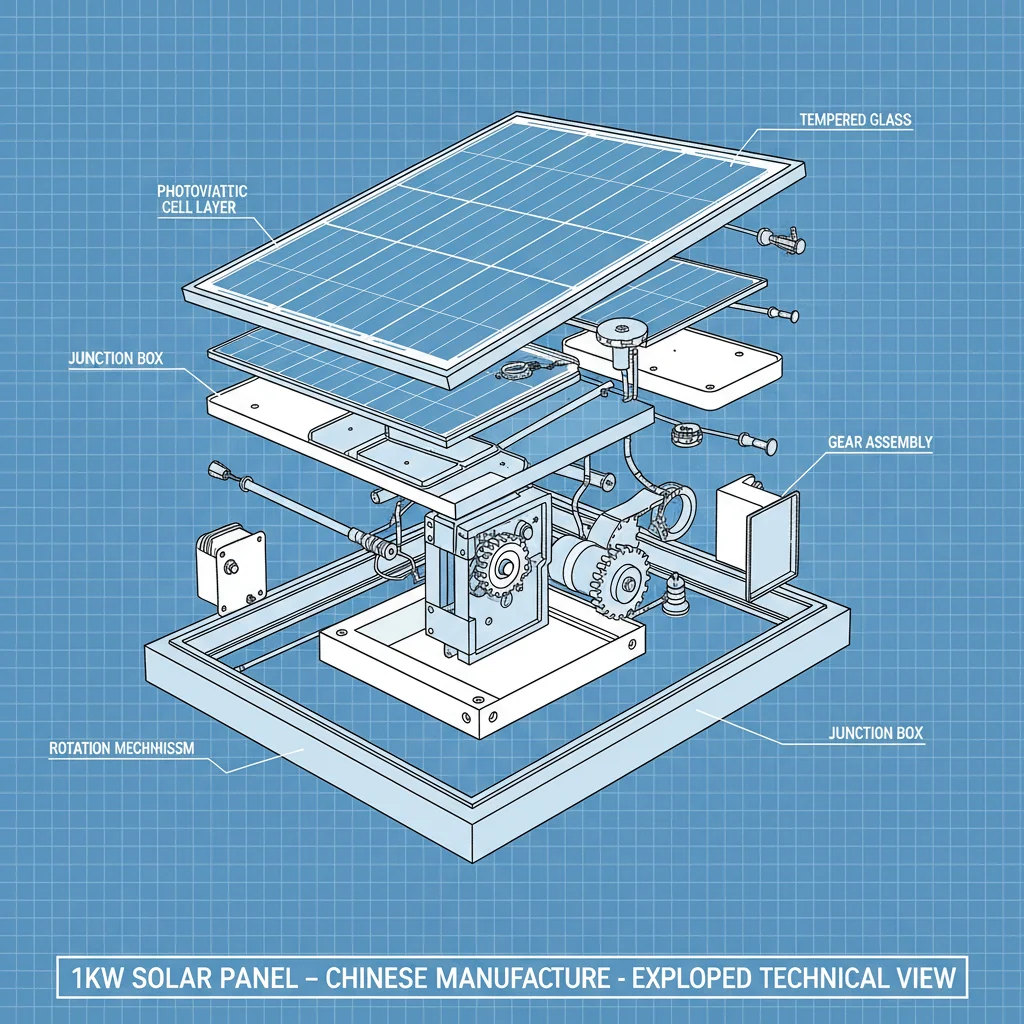
The panels themselves, obviously, are the core. We're using a lot of glass from Xinyi Solar, good stuff, feels solid. It has a slight greenish tint, you can tell it's quality. The aluminum frames are crucial too – needs to be corrosion-resistant, especially near the coast. We mostly use aluminum alloy 6005A. It’s got that nice, smooth finish, and doesn’t bend easily.
Then there are the cables. This is where things can get hairy. You need UV-resistant, weather-proof cables, designed for continuous outdoor use. Cheap cables degrade quickly, crack, and become a fire hazard. We mostly use cables from Huadong Cable, they smell a little rubbery when you first unroll them, but they hold up well.
And don't forget the mounting hardware. Stainless steel is the way to go, especially in coastal areas. Galvanized steel rusts like crazy. I’ve seen mounting systems completely fail after just a few years because they skimped on the hardware. It’s not worth the risk.
Rigorous Testing of solar power system china
Lab tests are fine, but they don't tell the whole story. We do a lot of real-world testing. Salt spray tests to simulate coastal conditions, thermal cycling tests to mimic day-night temperature swings, mechanical load tests to see how the panels hold up under wind and snow.
But the real test is putting them on a roof and letting them sit for a year. We have a test farm near Shanghai. It’s a mess, honestly. Panels covered in dust, bird droppings, everything. But it gives us a good idea of how they'll perform in the real world. We measure output, check for degradation, and look for any signs of failure.
solar power system china Performance Testing Metrics
Real-World Applications of solar power system china
We're seeing solar pop up everywhere. Huge utility-scale farms, obviously. But also a lot of commercial rooftop installations, powering factories, warehouses, shopping malls. And increasingly, residential systems. People want to reduce their electricity bills, and they want to do their part for the environment.
Interestingly, the way people actually *use* solar is often different than what the designers anticipate. For example, we did a system for a textile mill in Zhejiang province. They weren’t interested in feeding power back to the grid. They wanted to use the solar power to run their energy-intensive machinery during peak hours, reducing their demand charges. That required a different system design than a typical grid-tied system.
Benefits and Drawbacks of solar power system china
The benefits are obvious: clean energy, reduced electricity bills, energy independence. But there are drawbacks too. The initial cost can be high. It’s weather dependent – you don't get power at night or on cloudy days. And there’s the issue of disposal. What do you do with the panels when they reach the end of their life? That’s a growing problem.
Anyway, I think the biggest advantage is the long-term cost savings. Yes, it's an upfront investment, but over the lifespan of the system, it pays for itself many times over. Plus, you're doing your bit for the planet. It’s a good feeling.
Customization Options in solar power system china
We can customize almost anything. Panel size, inverter type, mounting system, even the color of the frames. Last month, that small boss in Shenzhen who makes smart home devices insisted on changing the interface to . Said it was more “future-proof.” It added cost and complexity, but he was adamant. I still don’t understand why, but hey, it’s his money.
We've also done systems with integrated energy storage, remote monitoring, and even automated cleaning robots. The possibilities are endless. It all depends on the customer’s needs and budget.
Summary of Key Design Considerations for solar power system china
| Component |
Critical Factor |
Potential Issue |
Mitigation Strategy |
| Solar Panels |
Efficiency |
Degradation over time |
Select high-quality panels with strong warranties |
| Inverters |
Reliability |
Overheating and failure |
Ensure proper ventilation and use surge protection |
| Cables |
UV Resistance |
Cracking and corrosion |
Use high-quality, UV-resistant cables |
| Mounting System |
Structural Integrity |
Corrosion and wind damage |
Use stainless steel hardware and robust design |
| Energy Storage |
Cycle Life |
Capacity fading |
Choose batteries with high cycle life and proper thermal management |
| System Monitoring |
Real-time Data |
Data Loss or inaccuracies |
Select reliable monitoring systems with data backup |
FAQS
Generally, you can expect around 25-30 years of reliable power generation from a solar panel. However, the inverter, which converts DC to AC power, typically lasts 10-15 years and will need replacing. The mounting system, if properly maintained, should last the entire lifespan of the panels. Degradation is a factor - panels lose a small percentage of efficiency each year, but it's usually minimal.
Surprisingly little, honestly. Mostly just keeping the panels clean – dust, bird droppings, tree leaves can reduce output. A quick wash a couple of times a year is usually enough. You also need to periodically check the wiring and connections for any signs of damage or corrosion. And, as I mentioned before, the inverter will eventually need replacing.
Yes, but the output will be lower. Solar panels still generate electricity on cloudy days, just not as much as on sunny days. Diffused sunlight still provides energy. The key is to design the system to account for the lower levels of sunlight in your area. You might need more panels to achieve the same output as in a sunnier location.
Lots of things! Panel type, inverter size, mounting system, labor costs, permitting fees, and location all play a role. The size of the system is obviously a big factor too. And don’t forget about energy storage – adding batteries will significantly increase the cost. To be honest, it’s a complex calculation.
Absolutely! Many governments offer tax credits, rebates, and other incentives to encourage solar adoption. The specifics vary depending on your location, so it’s worth doing some research to see what’s available in your area. Those incentives can significantly reduce the upfront cost of a system.
Generally, yes. Studies have shown that homes with solar panels tend to sell for more than comparable homes without. Buyers are increasingly interested in energy efficiency and sustainability, and solar is a visible sign of that. It’s a good investment, not just environmentally, but financially too.
Conclusion
So, there you have it. Solar power system china is evolving fast, there are design pitfalls to avoid, material choices matter, and real-world testing is crucial. It’s not always as simple as the brochures make it out to be, but the benefits – clean energy, cost savings, and energy independence – are undeniable.
Ultimately, whether this thing works or not, the worker will know the moment he tightens the screw. And that's the truth. If the installation is solid, the components are good, and the system is well-maintained, it will generate power for decades to come. Visit our website at shaobosolar.com to learn more.