The global transition toward sustainable energy has placed an unprecedented spotlight on the efficiency and scalability of photovoltaic technology. As nations strive to meet ambitious net-zero targets, the demand for high-performance energy solutions has surged, making the infrastructure behind a solar power system china a focal point for international energy procurement and industrial development.
Modern energy challenges require more than just standard panels; they demand integrated systems that can withstand extreme environmental stress while maintaining high conversion rates. From reducing cell series resistance to implementing advanced anti-soiling surfaces, the technical evolution of these components is critical for ensuring that renewable energy is both reliable and cost-effective on a global scale.
By leveraging cutting-edge manufacturing processes, businesses can now implement a solar power system china that maximizes power output even in low-light environments, ensuring a stable return on investment and a significant reduction in carbon footprints across diverse industrial sectors.

Technical Efficiency of Solar Power System China
The efficiency of a modern solar power system china is fundamentally driven by its cell architecture. By utilizing an SB 5BB design, these modules significantly reduce cell series resistance and minimize stress between cell interconnectors. This engineering refinement directly improves the conversion efficiency, allowing more sunlight to be transformed into usable electricity.
With a verified module efficiency of up to 17.5% by TUV Rheinland and a high power output exceeding 330W, these systems provide a robust energy foundation. The integration of high-efficiency poly-crystalline cells ensures that the system remains productive, providing a reliable power source for a wide range of commercial and industrial applications.
Core Components and Material Specifications
A high-quality solar power system china relies on precision materials to ensure longevity. The use of 72 poly-crystalline cells (156.75 x 156.75 mm) provides the core energy-harvesting capability, while the structure is supported by an anodized aluminum alloy frame available in silver, black, or golden finishes to meet specific aesthetic and functional requirements.
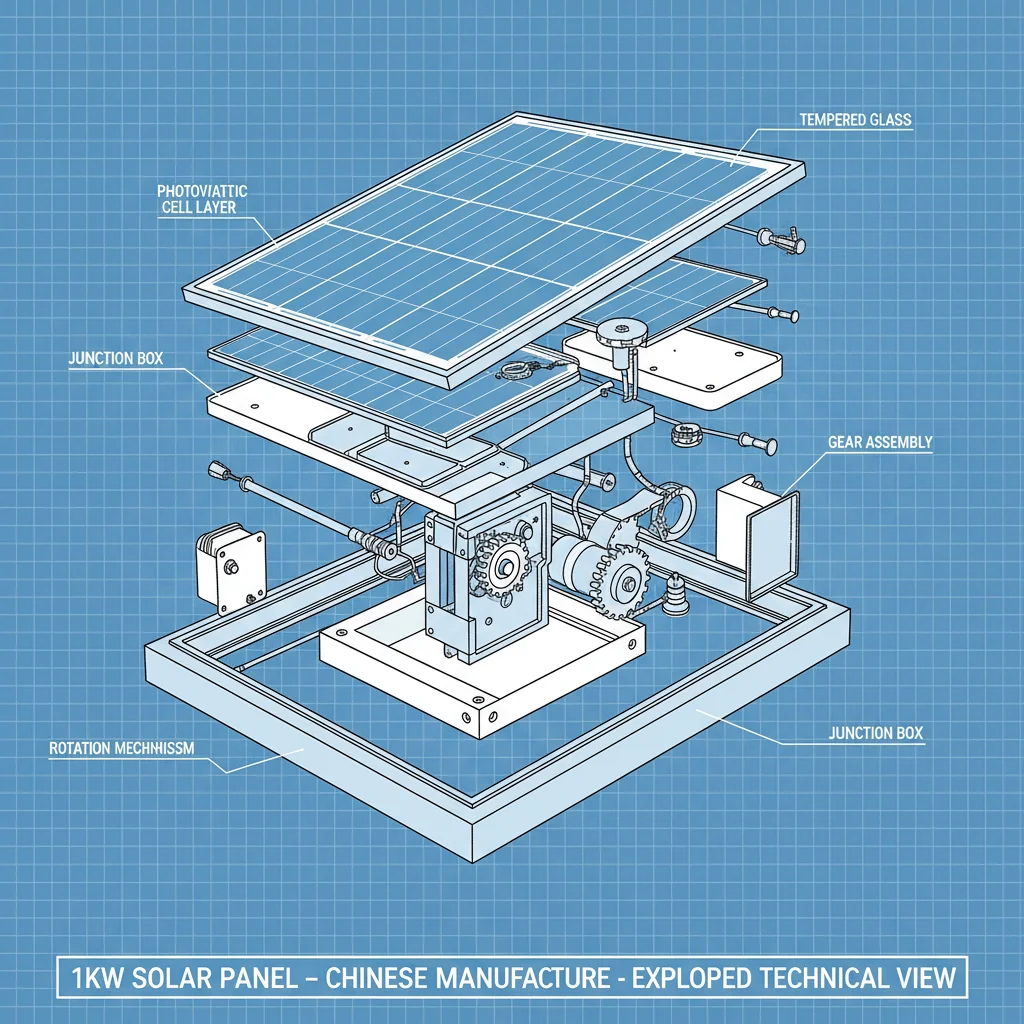
Protection is paramount, which is why these modules feature low-iron tempered glass with high transmission capabilities, typically in thicknesses of 3.2mm or 4.0mm. This is paired with a high-grade backsheet and a junction box rated at ≧IP65, ensuring that the internal electrical components are shielded from moisture and dust ingress.
Electrical stability is further maintained through the use of 4mm² cables with MC4 or compatible connectors, ensuring minimal power loss during transmission. With a positive power tolerance of 0+3%, the system guarantees that the delivered power meets or exceeds the rated specifications, providing peace of mind for system designers.
Environmental Resilience and Durability
To maintain consistent output, a solar power system china must be capable of operating in harsh climates. The implementation of anti-reflective and anti-soiling surface treatments is critical, as these features reduce power loss caused by the accumulation of dirt and dust, which often plagues large-scale installations.
Mechanical strength is another pillar of reliability. These modules are certified to withstand extreme weather, including high wind loads up to 2400Pa and heavy snow loads up to 5400Pa. This level of durability ensures that the solar power system china remains structurally sound even in the most challenging geographical regions.
Furthermore, the modules are engineered to be PID (Potential Induced Degradation) resistant. Combined with 100% EL double-inspection to ensure they are defect-free, these systems offer long-term stability, minimizing maintenance costs and preventing premature degradation of the photovoltaic cells.
Performance Metrics in Diverse Conditions
One of the standout features of this solar power system china is its outstanding performance in low-light irradiance environments. This ensures that energy production does not plummet during cloudy days or in regions with less intense sunlight, providing a more consistent energy curve throughout the year.
To optimize system-wide performance, modules are binned by current, ensuring that when multiple panels are connected in a string, they operate in harmony without creating bottlenecks. Bypass diodes are also integrated for array shading protection, preventing hotspots and maintaining efficiency when portions of the array are obscured.
Performance Ratings of Solar Power System China Components
Global Industrial Applications
The versatility of the solar power system china allows it to be deployed across various sectors. In remote industrial zones, where extending the national grid is cost-prohibitive, these high-output modules provide an autonomous energy source for machinery and facility lighting, reducing dependence on diesel generators.
Agricultural enterprises are also integrating these systems to power irrigation and climate control in greenhouses. Because of the high mechanical load resistance and anti-soiling properties, these panels are ideal for rural environments where dust and extreme weather are common.
Long-term Value and Sustainability
Investing in a solar power system china offers tangible economic benefits through the drastic reduction of operational energy costs. With a Maximum Power (Pmax) of 330W and a cell efficiency of 19%, the system accelerates the payback period while contributing to a corporate sustainability profile.
Beyond the financial aspect, the reliability of the system fosters trust. Knowing that the modules have undergone 100% EL double-inspection means that the risk of early-stage failure is nearly eliminated, ensuring a steady energy flow for decades.
The use of sustainable materials, such as anodized aluminum and tempered glass, ensures that the system itself has a lower environmental impact over its lifecycle, aligning with global ESG (Environmental, Social, and Governance) standards.
Future Innovations in Photovoltaic Systems
The evolution of the solar power system china is moving toward even higher integration and smarter monitoring. Future iterations are expected to further reduce the temperature coefficient of Pmax, allowing modules to maintain higher efficiency even as ambient temperatures rise in tropical regions.
Digital transformation is also playing a role, with the integration of smart inverters and AI-driven monitoring that can predict maintenance needs based on the current-binning data of the modules, further optimizing the total system yield.
As we look forward, the focus remains on maximizing the efficiency of poly-crystalline and mono-crystalline hybrids, ensuring that the cost-to-performance ratio continues to improve for end-users worldwide.
Core Technical Specifications of the Solar Power System China
| Parameter Category |
Technical Metric |
Value/Standard |
Impact on System |
| Power Output |
Maximum Power (Pmax) |
330W |
High energy density per panel |
| Efficiency |
Module Efficiency |
17.5% |
Optimized energy conversion |
| Durability |
Snow Load Resistance |
5400Pa |
Safe for cold climates |
| Electrical |
Max System Voltage |
1000VDC |
Compatible with large arrays |
| Build Quality |
Inspection Standard |
100% EL Double |
Zero-defect guarantee |
| Cell Tech |
Cell Type |
Poly-crystalline |
Balanced cost and efficiency |
FAQS
Based on our technical specifications, the module efficiency is up to 17.5%, while the individual cell efficiency reaches 19%. This is verified by TUV Rheinland, ensuring that the system delivers high energy conversion rates despite the cost-effective nature of poly-crystalline materials.
Yes, the system is specifically engineered for resilience. It is certified to withstand a high wind load of 2400Pa and a snow load of 5400Pa, making it an ideal choice for installations in geographically challenging or mountainous regions.
The SB 5BB design focuses on reducing cell series resistance and minimizing the mechanical stress between cell interconnectors. This optimization leads to higher overall module conversion efficiency and better long-term durability of the electrical connections.
Our modules feature specialized anti-reflective and anti-soiling surface treatments. These coatings reduce the adhesion of dust and pollutants, ensuring that maximum sunlight reaches the cells and reducing the frequency of cleaning required.
Electroluminescence (EL) inspection is like an X-ray for solar cells. By performing a double inspection on 100% of the modules, we can detect micro-cracks, inactive areas, or impurities that are invisible to the naked eye, ensuring every module is defect-free before shipment.
Yes, the modules are specifically designed to be PID resistant. PID is a common phenomenon that can cause power loss over time in large arrays, but our materials and manufacturing process prevent this degradation, ensuring stable long-term output.
Conclusion
In summary, a high-performance solar power system china represents the perfect intersection of technical precision and industrial durability. By combining an SB 5BB design, high mechanical load resistance, and rigorous EL double-inspection, these systems provide a reliable, high-efficiency energy solution that addresses the critical needs of modern commercial and industrial energy procurement.
As the world pivots toward a greener future, investing in verified, high-efficiency photovoltaic technology is no longer optional but a strategic necessity. We recommend choosing systems that balance cell efficiency with environmental resilience to ensure maximum ROI and long-term sustainability. Visit our website: www.shaobosolar.com