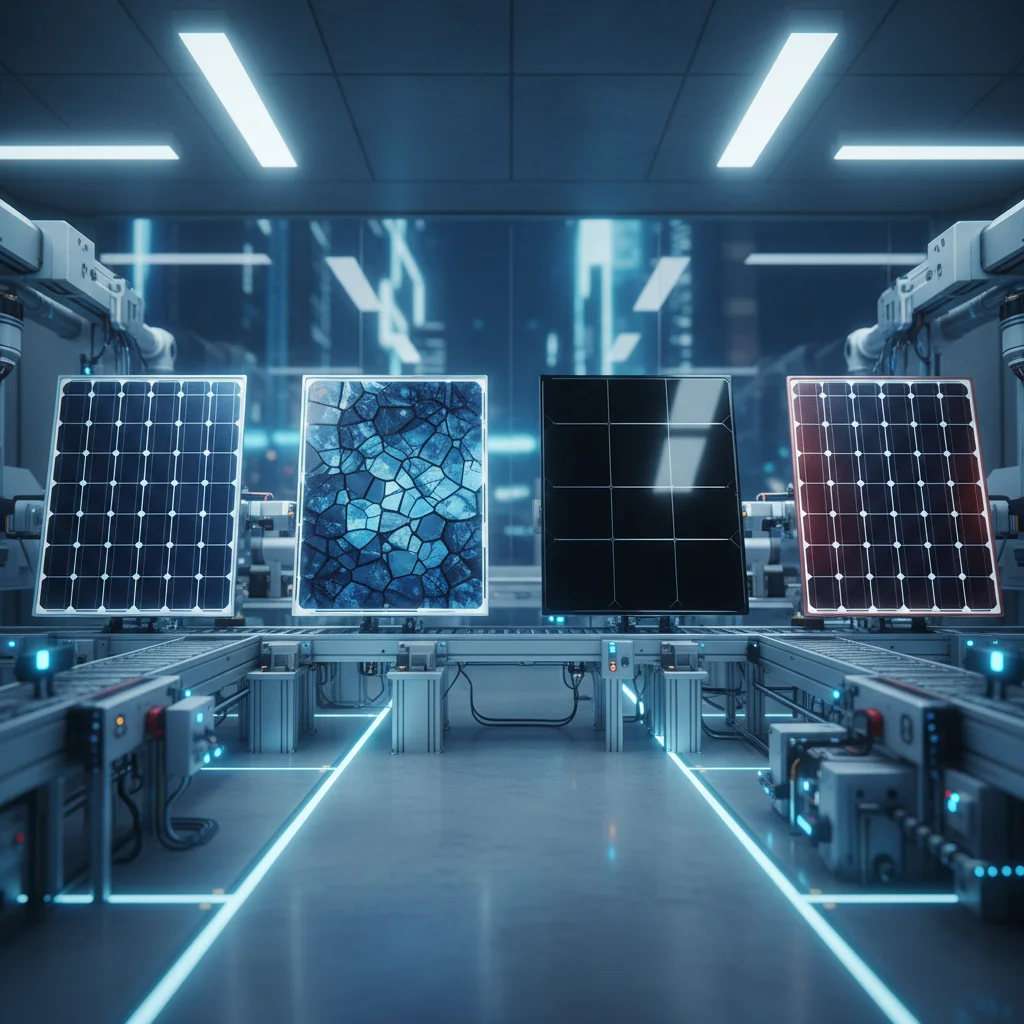
The global transition toward renewable energy has placed a significant spotlight on the efficiency and scalability of photovoltaic technology. As nations strive to meet ambitious carbon-neutrality goals, the role of high-performance energy solutions has become paramount in reducing reliance on fossil fuels. Integrating a reliable chinese solar system into residential and commercial infrastructure provides a viable pathway to energy independence and long-term cost savings.
From a technical perspective, the evolution of monocrystalline silicon has allowed for higher power densities and better performance in limited spaces. This advancement is critical for urban environments where roof area is restricted but energy demand remains high. By focusing on superior energy conversion and mechanical durability, modern solar modules are now capable of withstanding extreme weather while maintaining peak efficiency for decades.
Choosing the right components is essential for maximizing the return on investment in any sustainable energy project. Whether deploying 150W panels for remote cabins or 190W modules for large-scale arrays, the integration of a professional chinese solar system ensures that stability, safety certifications, and high conversion rates are prioritized for the end-user.

Engineering Excellence in Solar Hardware
The foundation of a high-performing solar installation lies in the quality of the cells. By utilizing 36 high-efficiency monocrystalline cells in series, these modules maximize energy harvest even under low-light conditions, ensuring a consistent power flow. This engineering approach allows for a versatile range of capacities, from 150W to 190W, making them adaptable to various energy requirements.
Beyond cell efficiency, the structural integrity is reinforced through the use of anodized aluminium alloy frames. This ensures that the chinese solar system remains stable under mechanical stress, preventing micro-cracks in the silicon wafers and extending the operational lifespan of the entire array.
Core Components of High-Efficiency Arrays
A comprehensive solar array consists of more than just silicon cells; it requires a synergy of high-grade materials. Low-iron tempered glass is employed to increase light transmittance, allowing more photons to reach the cells and boosting the overall Peak Power (Pmax). For a standard 180W module, this translates to a Max Power Voltage (Vmp) of 19V and a Max Power Current (Imp) of 9.6A.
Connectivity is another critical component that determines system efficiency. The use of standard MC4 connectors and 700mm copper cables facilitates a fast and secure integration process, reducing voltage drops during installation. This standardization ensures that the modules are compatible with a wide range of global inverters and charge controllers.
Finally, the internal circuitry is protected by three bypass diodes. These components are essential for preventing "hot-spotting" when partial shading occurs, ensuring that the rest of the panel continues to produce power efficiently without risking permanent cell damage.
Durability and Environmental Resilience
Environmental resilience is the benchmark of a professional chinese solar system. Modules must operate reliably in temperatures ranging from -40°C to +85°C, ensuring that whether the installation is in a frozen tundra or a scorching desert, the energy output remains stable.
To validate this resilience, our panels undergo rigorous hail tests, surviving impacts from 25mm diameter ice spheres at speeds of 23m/s. Furthermore, the structure is engineered to withstand mechanical loads up to 5400pa, which is significantly higher than standard residential requirements.
This level of robustness ensures that the investment is protected against unforeseen weather events. By combining high-transmittance glass with a rigid aluminium frame, the chinese solar system offers peace of mind and a guaranteed structural integrity over a 20+ year lifespan.
Performance Metrics and ROI Analysis
Analyzing the Return on Investment (ROI) requires a comparison between standard polycrystalline options and high-efficiency monocrystalline modules. While the initial installation cost may vary, the energy payback time is significantly shorter for mono panels due to their higher conversion rates and superior performance in low-light settings.
The financial viability is further enhanced by the long-term durability of the materials. With a projected lifespan exceeding 20 years, these panels reduce the need for frequent replacements, ensuring that the cost per kilowatt-hour continues to drop over the lifetime of the installation.
Performance Comparison of Solar System Components
Global Applications and Use Cases
The versatility of modules in the 150W to 190W range allows for diverse applications across different sectors. In off-grid scenarios, such as RVs, boats, and remote cabins, these panels provide a standalone power source that eliminates the need for expensive grid extensions.
For commercial enterprises, these modules are often used to expand existing arrays or to power specific auxiliary systems. The high power density makes them ideal for industrial zones where space is at a premium, allowing companies to reduce their operational carbon footprint without sacrificing performance.
Safety Standards and Certification
Safety is non-negotiable in electrical installations. Every module in our chinese solar system is SGS certified, meaning it has undergone independent third-party testing to ensure it meets strict international quality and safety standards.
Beyond electrical safety, the panels feature a Class C fire rating, which is critical for residential rooftop installations. This certification ensures that the materials used do not contribute to the spread of fire, providing an essential layer of protection for homeowners and businesses.
Furthermore, the integration of an anodized aluminium alloy frame and low-iron tempered glass ensures that the product remains physically safe during handling and installation, reducing the risk of breakage and electrical leakage.
Future Trends in Solar Integration
The future of solar energy is moving toward greater digital integration and telemetry. Advanced monitoring systems are now being paired with solar arrays to track Vmp and Imp in real-time, allowing operators to detect fluctuations and optimize series/parallel connections for maximum output.
We are also seeing a shift toward "smart" logistics and inventory control. Digital traceability for SGS certifications and batch quality assurance allows for rapid deployment and streamlined shipping of fragile components worldwide, ensuring that the hardware arrives in peak condition.
Ultimately, the goal is a fully automated energy ecosystem where solar harvest is optimized by AI-driven configuration tools, further reducing the energy payback time and increasing the total sustainability of the chinese solar system.
Comparison of Solar Module Specifications and Performance
| Module Variant |
Peak Power (Pmax) |
Mechanical Load |
Expected Lifespan |
| 150W Mono |
150W |
5400Pa |
20+ Years |
| 170W Mono |
170W |
5400Pa |
20+ Years |
| 180W Mono |
180W |
5400Pa |
20+ Years |
| 190W Mono |
190W |
5400Pa |
20+ Years |
| Standard Poly |
Variable |
2400Pa |
10-15 Years |
| Custom Array |
Scalable |
5400Pa |
20+ Years |
FAQS
Monocrystalline panels, like the ones featured in our range, are made from a single silicon crystal. This allows electrons more room to flow, resulting in higher efficiency and significantly better performance in low-light conditions compared to polycrystalline panels, which are made from multiple crystals.
Yes, they are specifically engineered for extreme conditions. With a maximum mechanical load capacity of 5400pa and a successful record in hail tests (25mm diameter at 23m/s), these panels are designed to maintain structural integrity and performance in high-wind and high-impact weather zones.
SGS certification provides an independent, third-party guarantee that the product meets strict international safety and quality standards. It ensures that the electrical components are safe for use, the materials are durable, and the stated performance parameters are accurate and reliable.
Our panels come equipped with industry-standard MC4 plugs and 700mm copper cables. This makes them "plug-and-play" compatible with the vast majority of standard solar inverters and charge controllers, ensuring a secure and low-resistance electrical connection during installation.
The three integrated bypass diodes protect the cells from overheating, a phenomenon known as "hot-spotting." If a portion of the panel is shaded, the diodes allow the current to bypass the shaded cells, preventing power loss and protecting the module from permanent thermal damage.
Absolutely. Due to their versatile wattage options (150W-190W) and high energy density, they are ideal for off-grid applications. They are frequently used to power RVs, boats, and remote cabins where access to the main power grid is unavailable or impractical.
Conclusion
In summary, the adoption of a high-efficiency chinese solar system offers a sophisticated blend of engineering durability, certified safety, and superior energy conversion. By utilizing monocrystalline technology and robust materials like low-iron tempered glass and aluminium alloy, these systems provide a reliable and sustainable energy source capable of withstanding the most demanding environments.
Looking forward, the integration of smart monitoring and scalable power options will continue to lower the barrier to renewable energy adoption. We recommend investing in SGS-certified hardware to ensure long-term ROI and operational safety. To start your transition to sustainable energy, visit our website: www.shaobosolar.com