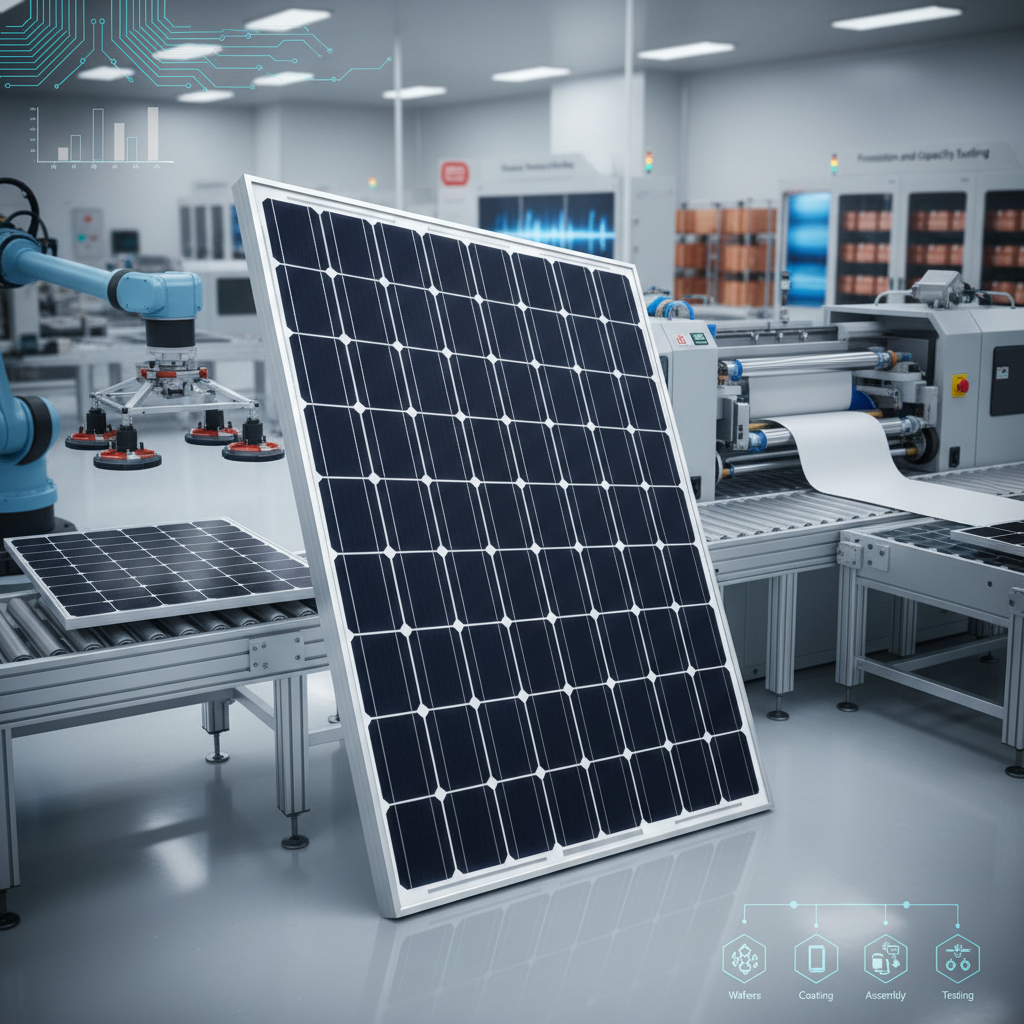
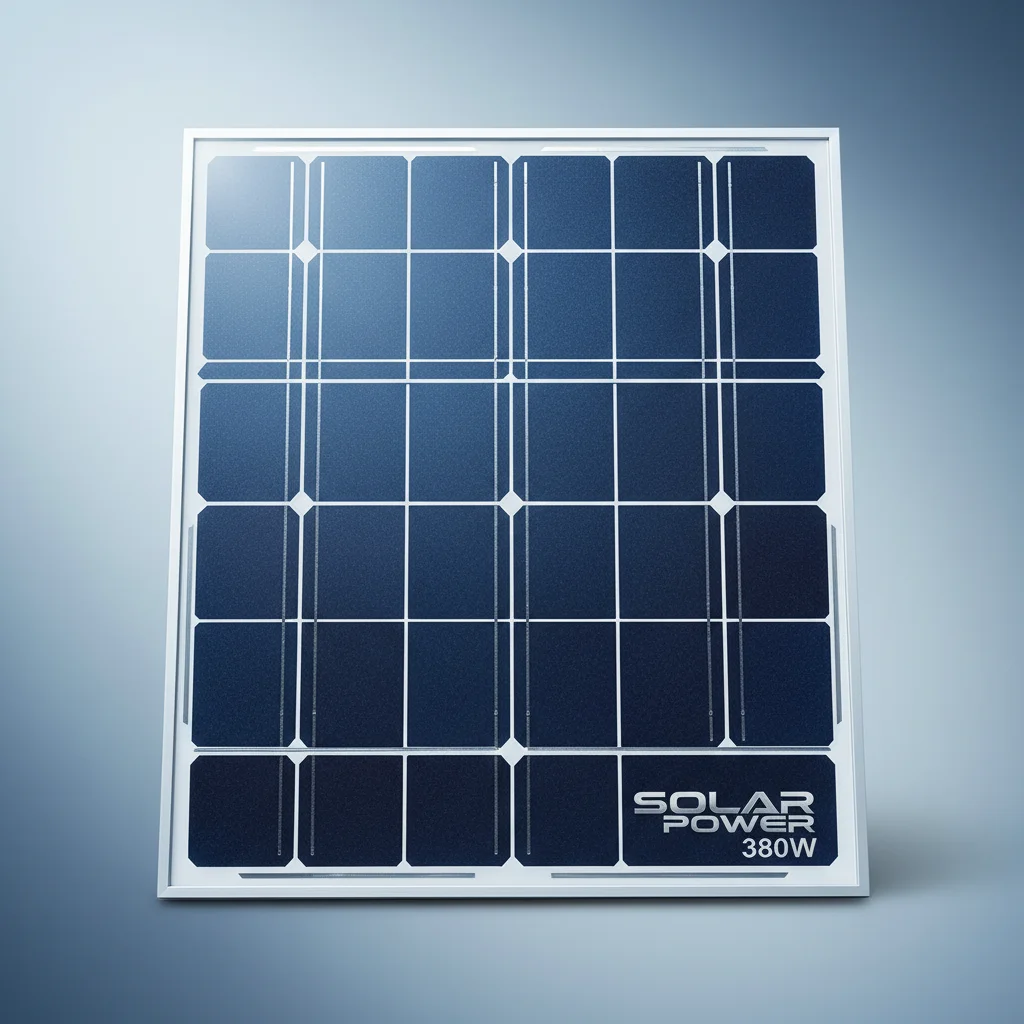
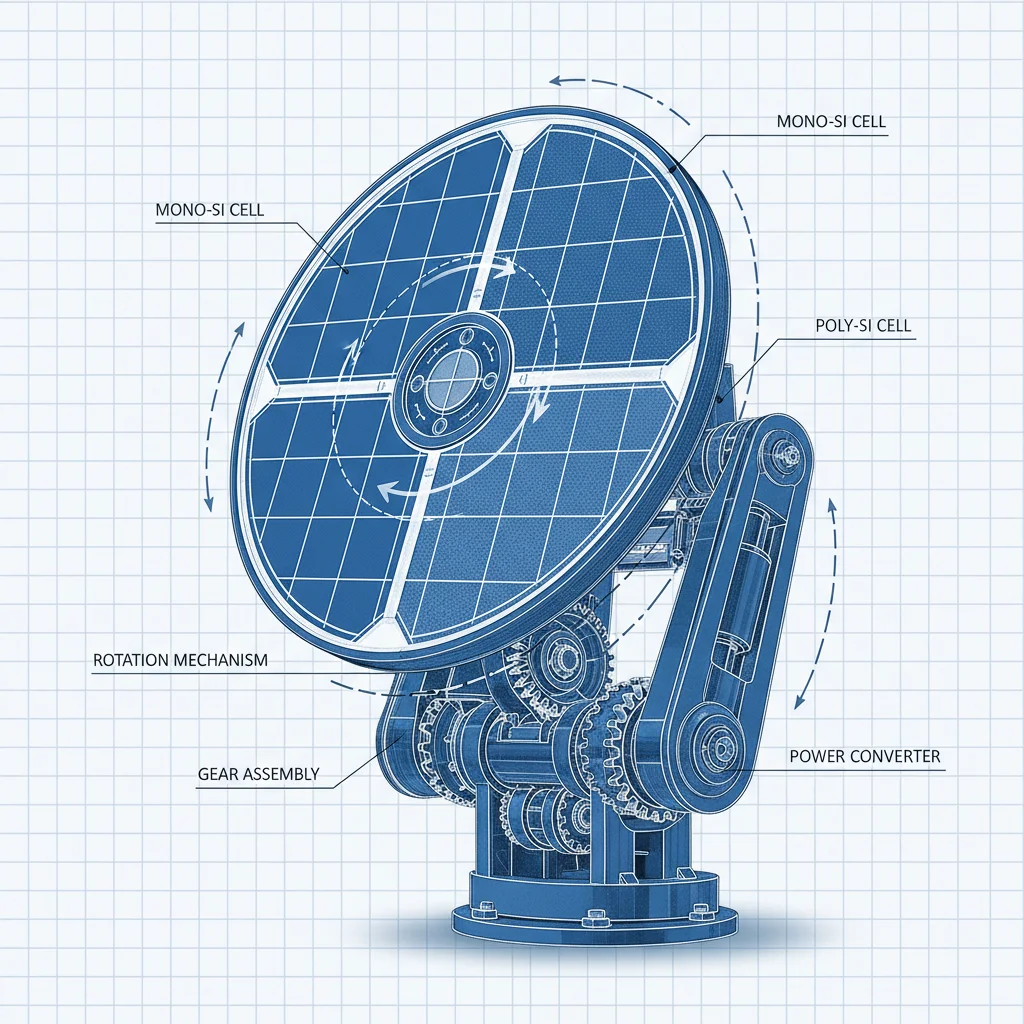
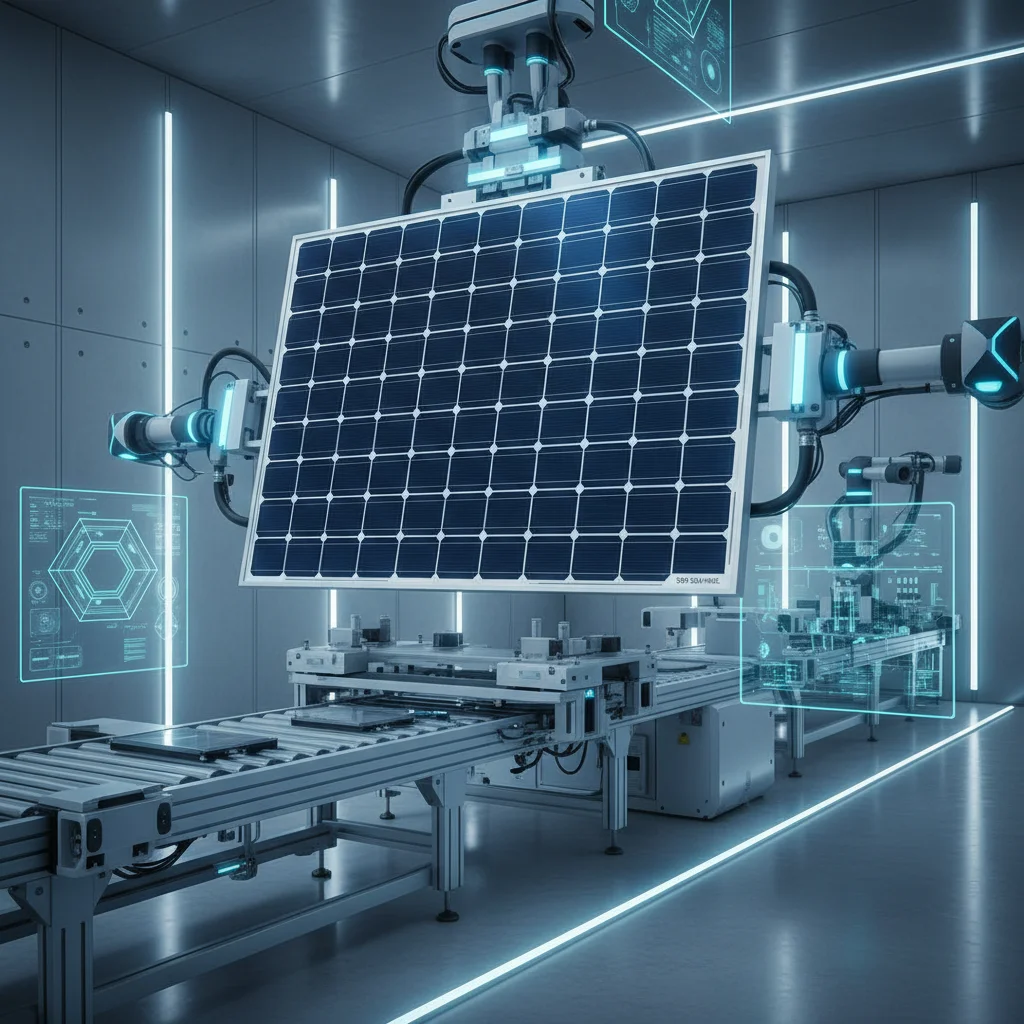
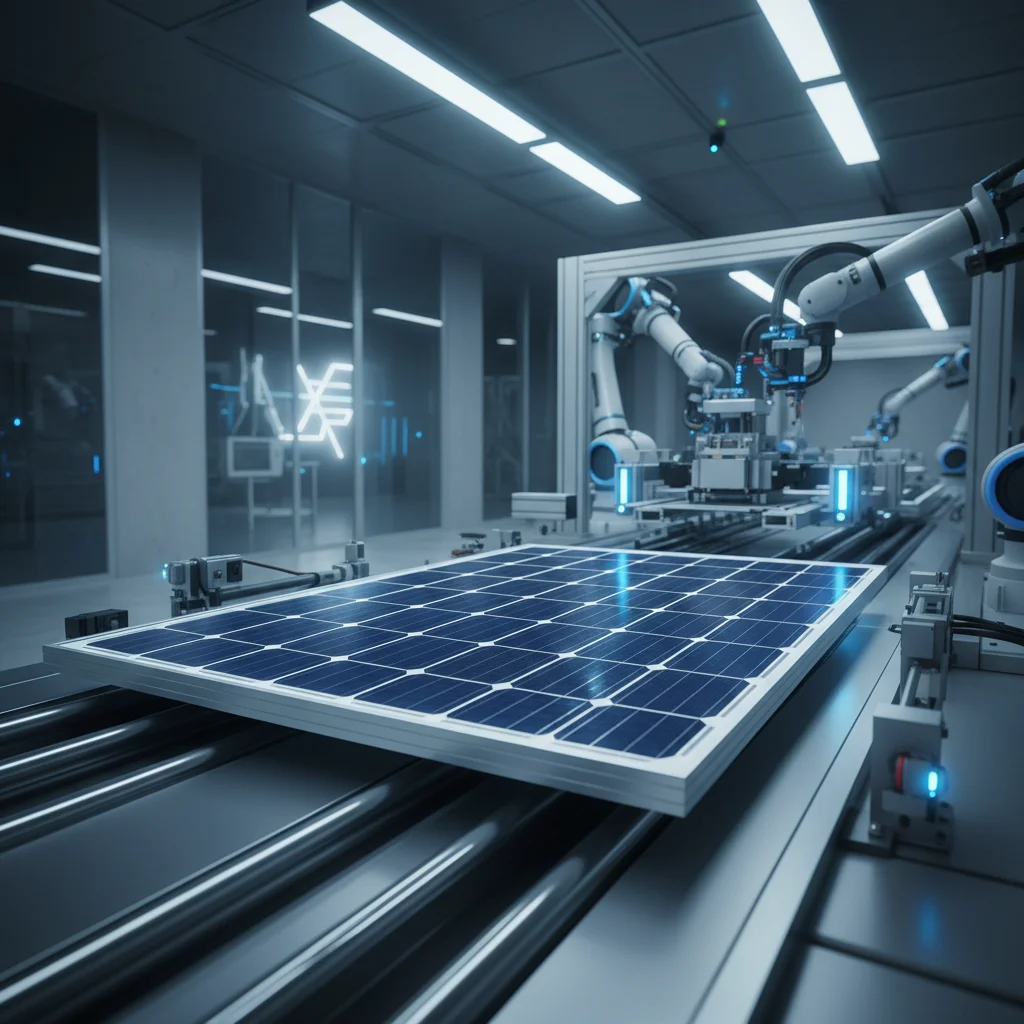
The global transition toward sustainable energy has accelerated the adoption of high-efficiency photovoltaic modules, with the 440w solar panel emerging as a cornerstone for both residential and commercial energy transitions. As carbon neutrality goals become mandatory under international frameworks, these panels provide the optimal balance between spatial footprint and power output, allowing users to maximize their energy harvest without requiring excessive land use.
Understanding the technical nuances of a 440w solar panel is essential for engineers and homeowners alike, as it represents a shift toward higher cell efficiency and better temperature coefficients. By leveraging advanced monocrystalline technology, these modules ensure that energy production remains stable even during peak summer heat, addressing the common industry challenge of voltage drop in high-temperature environments.
Ultimately, investing in a 440w solar panel is not just about electricity generation; it is about achieving energy independence and reducing operational costs. Whether deployed in a large-scale solar farm or a remote off-grid cabin, the reliability and scalability of these units make them a primary choice for those seeking a future-proof renewable energy solution.
Global Relevance of 440w Solar Panel Technology
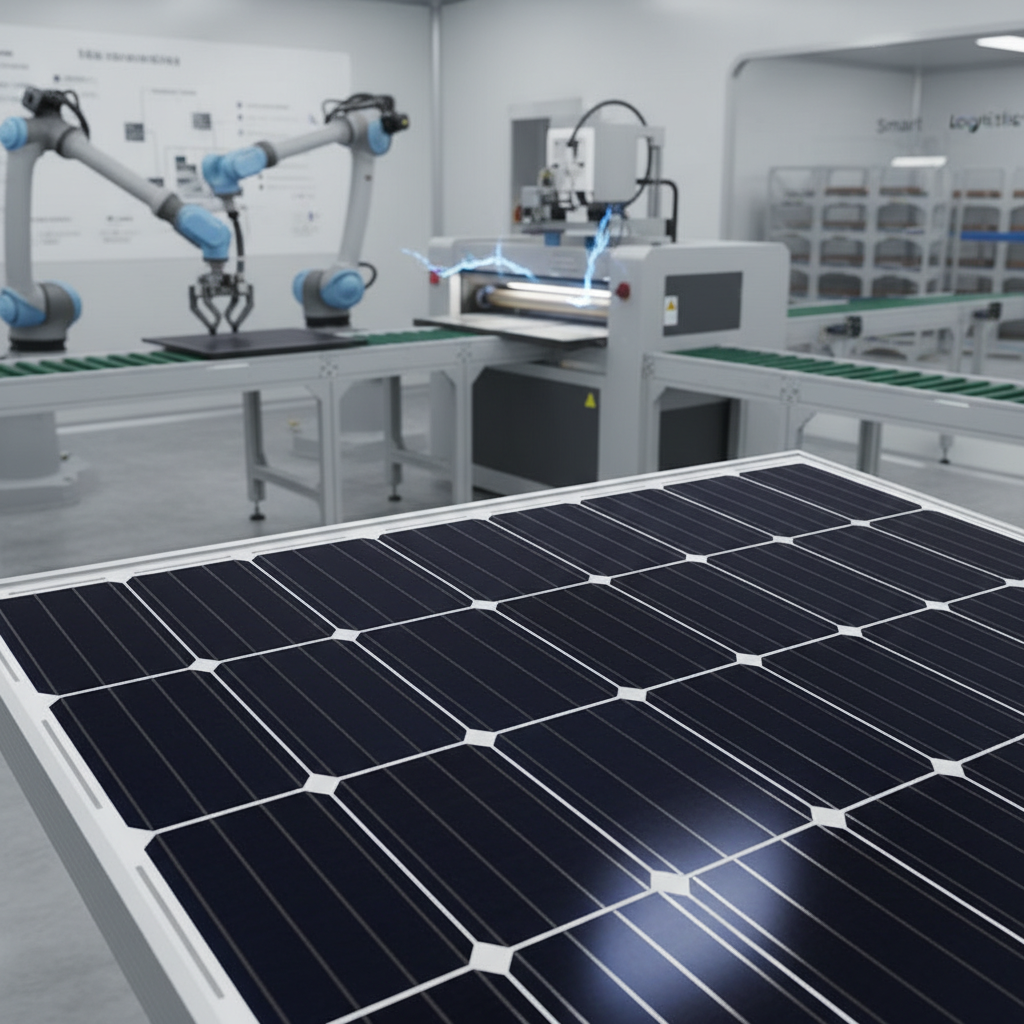
On a global scale, the push for decarbonization has led to a surge in demand for mid-to-high capacity modules. The 440w solar panel has become a gold standard for installations that require high density, specifically in regions where roof space is limited but energy demands are rising. According to data aligned with World Bank sustainability goals, shifting toward higher wattage panels reduces the total number of units needed, thereby lowering installation labor costs and material waste.
This technological shift addresses the critical challenge of "energy density." In urban environments, the ability to generate 440 watts from a single standard-sized module allows commercial buildings to offset a significant portion of their grid reliance. This scalability is pivotal for emerging economies looking to leapfrog traditional fossil-fuel infrastructure in favor of decentralized, green power grids.
Defining the 440w Solar Panel in Modern Power Systems
A 440w solar panel is a photovoltaic module designed to convert sunlight into approximately 440 watts of direct current (DC) electricity under Standard Test Conditions (STC). Unlike lower-capacity panels, these typically utilize PERC (Passivated Emitter and Rear Cell) or N-type monocrystalline silicon, which allows for a higher conversion rate of photons into electrons.
In the context of modern industry, this specific wattage is often the "sweet spot" for hybrid solar systems. It is powerful enough to charge large battery banks and run heavy-duty appliances, yet manageable enough for standard mounting hardware. This makes the 440w solar panel indispensable for modular energy projects.
Beyond the numbers, these panels represent a humanitarian bridge. In disaster-relief zones or remote medical clinics, a small array of 440w modules can provide critical power for refrigeration of vaccines and emergency communication systems, proving that high-efficiency power is a matter of survival and dignity in underserved regions.
Core Components for Maximum Efficiency
The durability of a 440w solar panel starts with its tempered glass and anodized aluminum frame. These materials ensure that the delicate silicon cells are protected from hail, wind loads, and corrosive salt spray in coastal environments, extending the operational lifespan to 25 years or more.
Scalability is achieved through the integration of half-cut cell technology. By splitting the cells in half, the 440w solar panel reduces internal resistive losses and improves performance under partial shading. If one half of the panel is covered by a leaf or shadow, the other half continues to produce power, ensuring consistent energy flow.
Cost efficiency is the final pillar. While the initial cost per panel may be higher than a 300w unit, the 440w solar panel reduces the "Balance of System" (BOS) costs. Fewer rails, fewer clamps, and less wiring are required to achieve the same total system output, resulting in a lower overall Levelized Cost of Energy (LCOE).
Practical Applications and Global Use Cases
The deployment of the 440w solar panel spans diverse sectors, from industrial rooftops in Germany to remote agricultural hubs in Southeast Asia. In commercial settings, these panels are often integrated into "solar carports," providing shade for vehicles while generating enough power to feed electric vehicle (EV) charging stations.
In remote industrial zones, such as mining sites or telecommunication towers, 440w modules are paired with lithium-ion storage to create autonomous power stations. This eliminates the need for expensive and polluting diesel generators, significantly reducing the carbon footprint of critical infrastructure in the wilderness.
Performance Efficiency Analysis of 440w Solar Panel Variants
Long-Term Value and Sustainability Benefits
The long-term financial value of a 440w solar panel is found in its exceptional ROI. By producing more energy per square meter, users see a faster payback period. Moreover, the use of high-purity silicon in these panels reduces the degradation rate, meaning the panel still produces a significant percentage of its rated 440w output even after two decades of exposure to the elements.
Beyond the balance sheet, the social impact is profound. Transitioning to high-efficiency solar creates a sense of energy security and dignity for homeowners. It empowers individuals to protect themselves against volatile grid prices and promotes a culture of innovation and environmental stewardship that benefits future generations.
Future Trends in High-Wattage Photovoltaics
The trajectory of the 440w solar panel is moving toward "Bifacial" technology. Bifacial modules can capture sunlight from both the front and the rear, utilizing reflected light from the ground (albedo). This can increase the total energy yield of a 440w nominal panel by an additional 10-30%, depending on the surface reflectivity.
Digital transformation is also integrating with hardware. We are seeing the rise of "Smart Panels" where the 440w solar panel is equipped with IoT sensors. These sensors provide real-time data on cell temperature and voltage, allowing for AI-driven maintenance and predictive failure analysis, which minimizes downtime in large solar arrays.
Furthermore, the industry is shifting toward circular economy principles. Future versions of the 440w solar panel will prioritize recyclable materials, such as lead-free solder and easy-to-separate glass, ensuring that the green energy of today does not become the landfill waste of tomorrow.
Overcoming Common Technical Challenges
One of the primary challenges with high-power modules like the 440w solar panel is the requirement for compatible inverters. Many older inverters are not designed to handle the higher current levels produced by high-wattage panels. The solution lies in upgrading to MPPT (Maximum Power Point Tracking) inverters, which optimize the voltage to ensure no power is wasted.
Heat management also remains a hurdle. As panels become more powerful, the internal temperature can rise, potentially lowering efficiency. Innovative manufacturers are implementing advanced backsheets and optimized airflow mounting systems to keep the 440w solar panel cool, thereby maintaining peak performance during the hottest parts of the day.
Lastly, the physical weight of high-efficiency glass can be a concern for some roof types. The industry response has been the development of "lightweight high-efficiency" series, which utilize thinner, high-strength glass and composite frames to maintain the 440w output while reducing the structural load on the building.
Technical Specification Analysis of 440w Solar Panel Types
| Panel Technology |
Efficiency Rate |
Temp. Coefficient |
Durability Score |
| Mono-PERC 440w |
20.5% |
-0.35%/°C |
9/10 |
| N-Type TOPCon 440w |
22.1% |
-0.30%/°C |
10/10 |
| Bifacial 440w |
21.0% |
-0.34%/°C |
9/10 |
| Polycrystalline 440w |
17.8% |
-0.41%/°C |
7/10 |
| Half-Cut Mono 440w |
20.8% |
-0.33%/°C |
9/10 |
| Thin-Film 440w |
15.2% |
-0.25%/°C |
8/10 |
FAQS
The number of panels depends on your monthly kWh consumption. For an average home consuming 900kWh per month, you would typically need between 15 to 25 440w solar panels, depending on your region's peak sun hours. Because the 440w solar panel has a higher energy density, you will need fewer units compared to traditional 300w panels, saving significant roof space.
Directly, no. Most 440w solar panels are designed with a higher voltage (often 40V+) to increase efficiency. To use them with a 12V or 24V battery system, you must use an MPPT charge controller. The controller steps down the voltage from the 440w solar panel while increasing the current, ensuring your batteries are charged safely and efficiently.
Monocrystalline 440w panels are made from a single crystal structure, offering higher efficiency and better performance in low-light conditions. Polycrystalline panels are made from multiple crystals; while they are often cheaper, they generally have a lower efficiency rating and require more space to produce the same 440w of power.
Shading can significantly drop the output of a standard panel. However, most modern 440w solar panels utilize "half-cut" cell technology. This means the panel is split into two independent sections. If the bottom half is shaded, the top half continues to produce power, preventing the entire panel's output from crashing.
Yes, provided they are installed at a correct tilt angle. High-quality 440w solar panels are tested for heavy snow loads (up to 5400 Pa). The tempered glass allows snow to slide off easily, and the high-efficiency cells can even benefit from the "albedo effect," where sunlight reflects off the snow and hits the panel.
It is generally not recommended to mix different wattages in the same string. Doing so can lead to "mismatch loss," where the entire string is limited by the lowest-performing panel. If you must mix them, use separate MPPT trackers or micro-inverters for the 440w solar panel group to ensure each panel operates at its maximum potential.
Conclusion
In summary, the 440w solar panel represents a critical evolution in photovoltaic technology, blending high energy density with long-term durability. By optimizing the balance between cost, space, and output, these panels enable a wider range of applications—from urban commercial rooftops to remote humanitarian hubs—accelerating the global transition toward a cleaner, more resilient energy grid.
Looking forward, the integration of bifacial cells and IoT monitoring will further enhance the value proposition of high-wattage modules. For those planning a new installation or upgrading an existing system, prioritizing a 440w solar panel ensures maximum efficiency and future-proofs the investment against rising energy demands. To explore the best high-efficiency solutions for your project, visit our website: www.shaobosolar.com