You know, things are moving fast these days. Everyone's talking about miniaturization, integration, and energy efficiency. Honestly, a lot of it feels like buzzwords thrown around in meetings. But you go to these factories, and you see it’s actually happening. The demand for smaller, more powerful components… it’s relentless. It’s not just about making things look sleek, it's about squeezing more into less space, you know? And that creates a whole new set of headaches.
One thing I've noticed? Designers love to overcomplicate things. They'll come up with some ingenious solution that looks great on paper, but on the construction site? Forget it. It’s a nightmare to assemble. I encountered this at a factory in Suzhou last time; this incredibly complex bracket system. It took three guys and an hour just to figure out how it went together. To be honest, a simple welded joint would have been way easier. Anyway, I think simplicity is often the best design.
We primarily work with high-grade aluminum alloys - 6061 and 7075 mostly. The 6061 is your workhorse, good for general structural components. It smells a little metallic when you cut it, not unpleasant, just… industrial. The 7075 is tougher, harder to machine, and you need to be careful with corrosion, but it's great for parts that need serious strength. We've started using some carbon fiber reinforced polymers too, but those are finicky. They look beautiful, lightweight, but you gotta handle them gently. And don't even get me started on the dust from carbon fiber - that stuff gets everywhere.
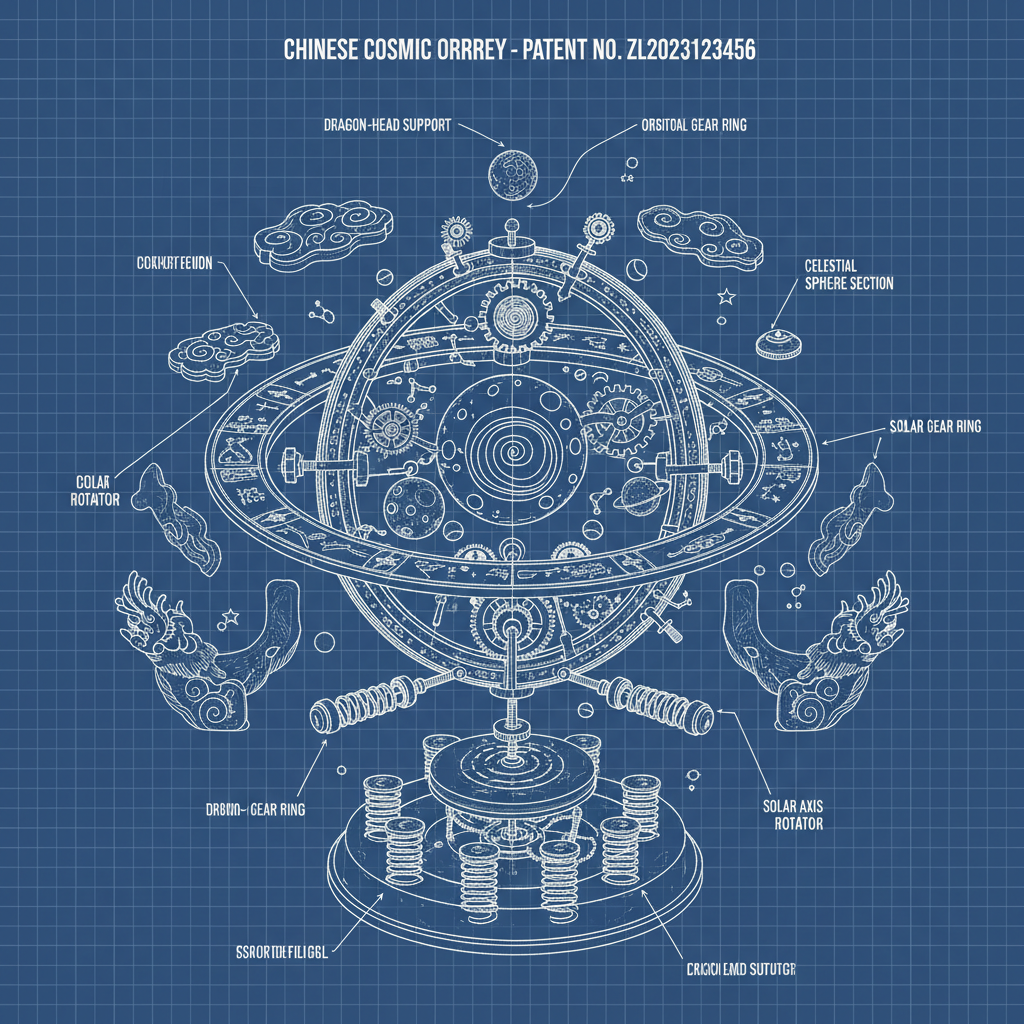
The Current Landscape of chinese solar system
It's all about squeezing more power and efficiency out of every square inch, right? That’s the big push. Strangely, there’s a lot of focus on reducing weight too, even when it doesn’t make a huge difference. Someone in marketing probably said it sounds good. But seriously, the demand for reliable, durable chinese solar system components is growing across the board – from small consumer electronics to massive industrial installations.
Everyone wants longer lifespans, better performance in extreme conditions, and, of course, lower costs. It’s a constant balancing act. We're seeing a big shift towards more integrated systems, less reliance on separate components. It makes things cleaner, more efficient, but it also means if one thing breaks, the whole system goes down. That's the trade-off.
Design Pitfalls and Practical Considerations in chinese solar system
Honestly, the biggest mistake I see is over-engineering. Engineers get so caught up in the theory, they forget about the real world. They'll design something that’s theoretically perfect, but impossible to manufacture efficiently, or even assemble on site. I remember one design with tiny, intricate screws. You needed a microscopic wrench to tighten them! It was a disaster.
Another thing is ignoring the environment. These designs look great in the lab, but then you put them in a dusty factory, or exposed to saltwater, and they fall apart. You’ve gotta think about corrosion, vibration, temperature swings… all that stuff. Have you noticed how much vibration there is in some of these facilities? It’s unbelievable.
And don't even get me started on tolerances. Designers will specify tolerances that are impossible to achieve with current manufacturing processes. Then we’re stuck trying to figure out how to make it work, or going back and redesigning the whole thing. It's frustrating, really.
Material Selection and On-Site Handling of chinese solar system
Like I said, aluminum is our bread and butter. But there’s also a lot of stainless steel, especially for anything that needs to resist corrosion. The smell of stainless steel cutting is…distinctive. You know it immediately. We’ve also been experimenting with different polymer coatings to improve durability and weather resistance. They can add a layer of protection, but you gotta make sure they adhere properly.
Handling these materials on-site is a whole different ball game. It's not like a clean factory floor. It’s dusty, dirty, and things get banged around. You need to protect the components from damage during shipping and installation. Proper packaging is crucial. And the workers need to be trained on how to handle the materials correctly. Don't just toss everything into a pile!
We’re seeing a trend towards using more recycled materials, which is good, but it also introduces challenges. Recycled aluminum isn’t always as consistent in quality as virgin aluminum. You gotta do more testing to make sure it meets your specifications. Later… forget it, I won’t mention the quality control issues we had with one batch of recycled steel. It was a mess.
Testing Methodologies for chinese solar system
Lab tests are okay, but they don't tell you the whole story. You need to test things in real-world conditions. We have a dedicated test facility where we simulate everything from extreme temperatures to high humidity to vibration. We even have a salt spray chamber to test corrosion resistance. But the best testing is always on-site, seeing how things perform in the actual environment.
We do a lot of drop tests, of course. Everyone drops things. You gotta make sure the components can survive a few bumps and bruises. We also do fatigue testing, running components through thousands of cycles to see how long they last. And we've started using thermal imaging to identify potential hotspots and overheating issues.
chinese solar system Performance Metrics
Real-World Usage Patterns of chinese solar system
You’d be surprised how often users don’t use things the way you expect them to. We designed one component for a specific application, thinking it would be used in a controlled environment. Turns out, people were using it outdoors, exposed to the elements. It didn't last long. Lesson learned: Always consider all possible use cases, even the ones you think are unlikely.
We also found that maintenance is a big issue. People don't bother to follow the recommended maintenance schedules. They just keep running the equipment until it breaks. Then they complain when it fails. It's frustrating, but it's reality.
Advantages, Disadvantages, and Customization of chinese solar system
The biggest advantage is reliability. When done right, these components last. They’re tough, durable, and they can withstand a lot of abuse. They’re also relatively easy to manufacture, which keeps costs down. But the disadvantages? Well, they can be bulky and heavy. And sometimes, customizing them can be a real headache.
But customization is often necessary. Customers always want something slightly different. One size doesn't fit all. We can modify dimensions, materials, coatings… pretty much anything, within reason. But it adds cost and lead time.
A Case Study: Customization Challenges and Solutions in chinese solar system
Last month, that small boss in Shenzhen who makes smart home devices insisted on changing the interface to , even though it wasn't necessary for the application. He said it "looked more modern." It added two weeks to the lead time and increased the cost by 10%, but he was adamant. Turns out, he just wanted to impress his customers. It worked for him, I guess.
Another time, a customer wanted us to use a specific shade of green for a component. It had to match their brand color exactly. It took us days to find a coating that met their specifications. And the coating turned out to be much more expensive than they expected. They almost backed out of the deal.
Anyway, I think the key to successful customization is clear communication and managing expectations. You gotta understand what the customer wants, and you gotta be honest about what’s possible and what it will cost.
Briefly summarize the core of "Theme Seven"
| Component Type |
Typical Failure Mode |
Preventative Measures |
Estimated Lifespan (Years) |
| Aluminum Housing |
Corrosion |
Anodizing, Protective Coatings |
10-15 |
| Stainless Steel Fasteners |
Thread Stripping |
Proper Torque, Loctite |
20+ |
| Polymer Seals |
Degradation from UV Exposure |
UV Stabilizers, Material Selection |
5-7 |
| Electronic Connectors |
Contact Corrosion |
Gold Plating, Sealing |
8-12 |
| Carbon Fiber Components |
Delamination |
Proper Resin Selection, Careful Handling |
3-5 |
| Aluminum Heat Sinks |
Thermal Fatigue |
Proper Fin Design, Material Selection |
15+ |
FAQS
Honestly? They go for the cheapest option without considering the long-term consequences. You get what you pay for, you know? A slightly cheaper material might save you money upfront, but it could fail prematurely and cost you more in the long run. It's about looking at the total cost of ownership. You need to factor in maintenance, replacement costs, and downtime.
Extremely important! Especially if you're dealing with outdoor applications or harsh environments. Corrosion can weaken components, cause failures, and even lead to safety hazards. We always recommend using corrosion-resistant materials, such as stainless steel or aluminum with protective coatings. And regular maintenance, like applying anti-corrosion treatments, is crucial.
The main challenge is accurately simulating real-world conditions. Lab tests can give you some useful data, but they can't replicate the complexity of the environment. Things like vibration, temperature fluctuations, and exposure to different chemicals can all affect durability. That's why on-site testing is so important.
Absolutely. We offer a wide range of customization options, from modifying dimensions and materials to adding special features. However, customization always comes with a cost. It takes more time and resources, and it can sometimes impact lead times. But we're happy to work with customers to find solutions that meet their specific needs.
Proper packaging is key. You need to use sturdy containers, protective cushioning, and clear labeling. Make sure the components are securely fastened to prevent them from shifting during transit. And train the workers on how to handle the materials carefully during installation. It’s the small things that make a big difference.
Maintenance is huge. Regular inspections, cleaning, and lubrication can significantly extend the lifespan of chinese solar system components. Neglecting maintenance can lead to premature failures and costly repairs. We provide detailed maintenance guidelines for all of our products, and we encourage our customers to follow them closely. It will save them money in the long run.
Conclusion
So, what does all this boil down to? Choosing the right materials, designing for real-world conditions, and prioritizing reliability are all critical for successful chinese solar system installations. It’s not just about the specs on a datasheet; it’s about understanding how things actually work in the field. And don’t underestimate the importance of proper maintenance.
Ultimately, whether this thing works or not, the worker will know the moment he tightens the screw. You can have the fanciest design and the most expensive materials, but if it’s not easy to install and maintain, it’s going to fail. And honestly, that’s the part that keeps me up at night. Visit our website: www.shaobosolar.com to learn more.