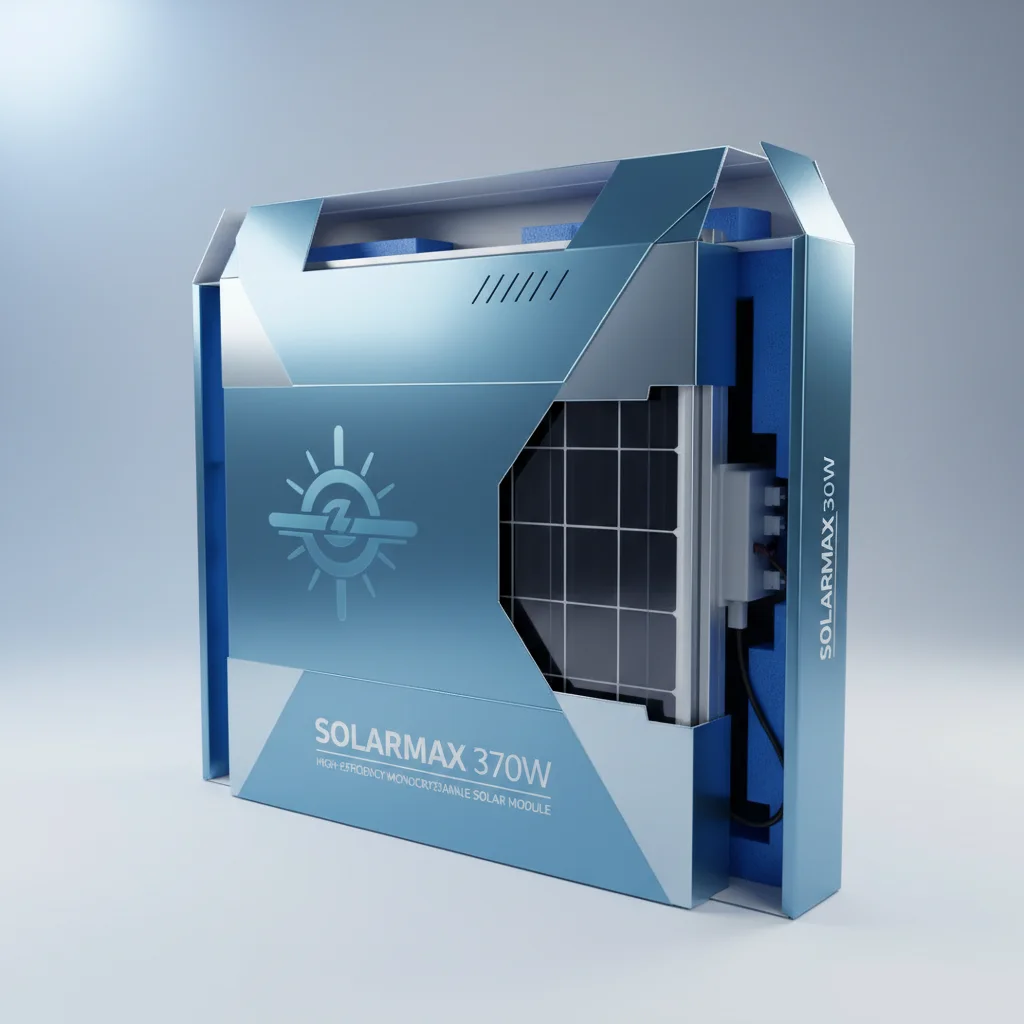
The shift toward decentralized energy has brought small-scale solar solutions to the forefront, with the 40 watt solar panel emerging as a versatile powerhouse for niche applications. While massive solar farms dominate the headlines, these compact units provide critical autonomy for remote sensing, small-scale lighting, and emergency backup systems where space is limited and portability is paramount.
Understanding the utility of a 40 watt solar panel involves more than just looking at the wattage; it is about recognizing the balance between energy harvest and footprint. For many users, this specific capacity is the "sweet spot" that can keep a 12V battery topped up or power a series of LED lamps without the complexity of a full-scale home installation.
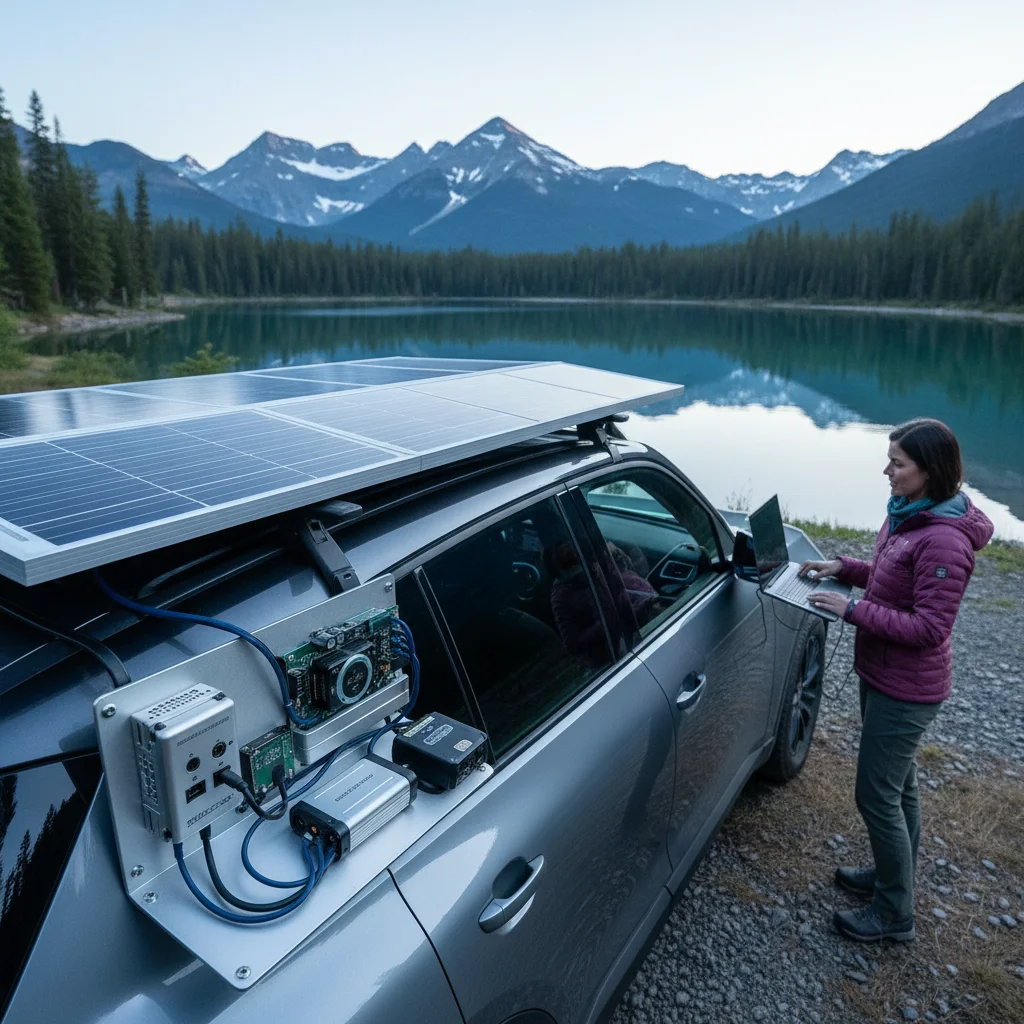
Globally, the adoption of these smaller photovoltaic units is driving a revolution in "off-grid" living and industrial remote monitoring. By leveraging a 40 watt solar panel, businesses and individuals can reduce their carbon footprint while ensuring a reliable, maintenance-free power source in the most challenging environments.
Global Relevance and Industry Context of 40 Watt Solar Panels
On a global scale, the demand for localized energy is skyrocketing. According to data trends aligned with UN Sustainable Development Goals, providing electricity to remote areas is key to economic growth. The 40 watt solar panel serves as a primary entry point for this transition, offering a scalable way to introduce power to regions lacking infrastructure.
The industry challenge has always been the "last mile" of electrification. Large-scale grids are too expensive to extend to deep forests or isolated islands. This is where the 40 watt solar panel bridges the gap, providing just enough energy to sustain communication devices and basic medical refrigeration, thereby solving a critical humanitarian and industrial logistical problem.
Defining the 40 Watt Solar Panel in Modern Energy
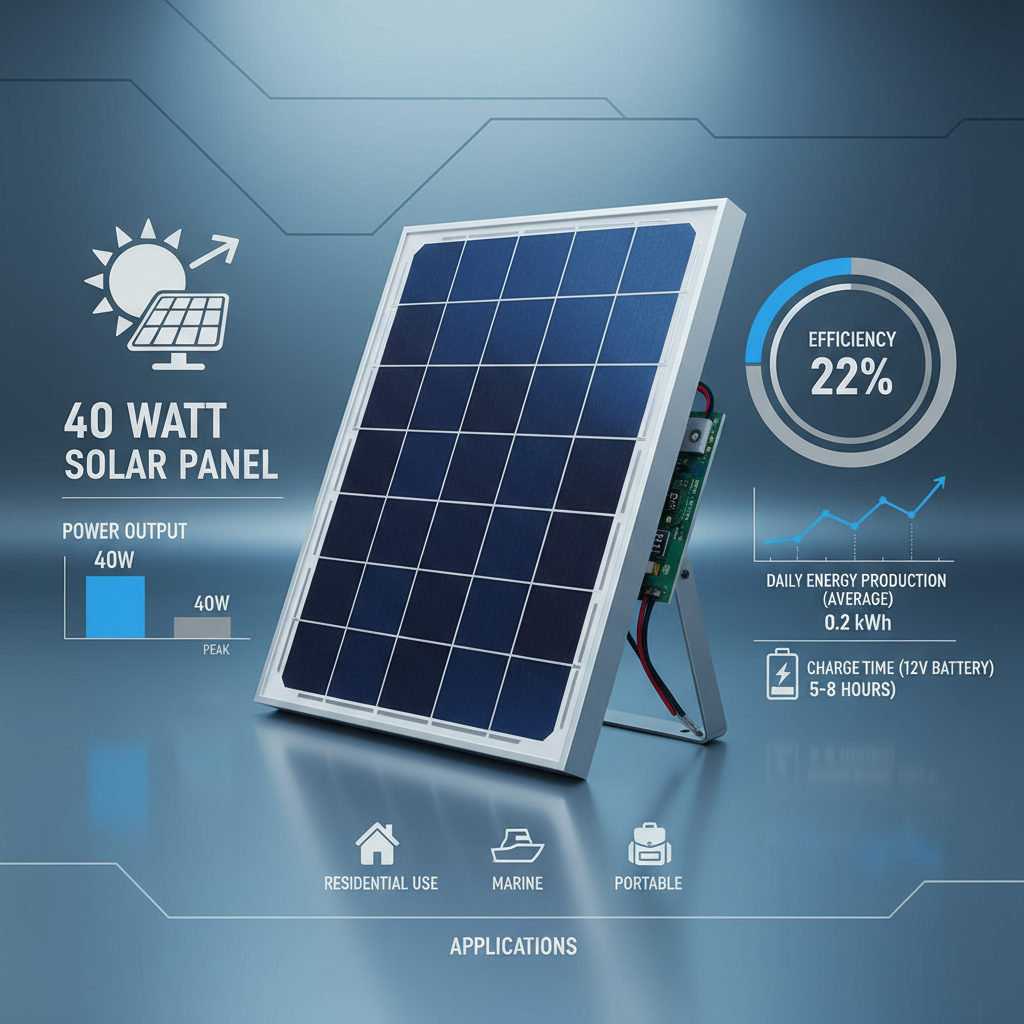
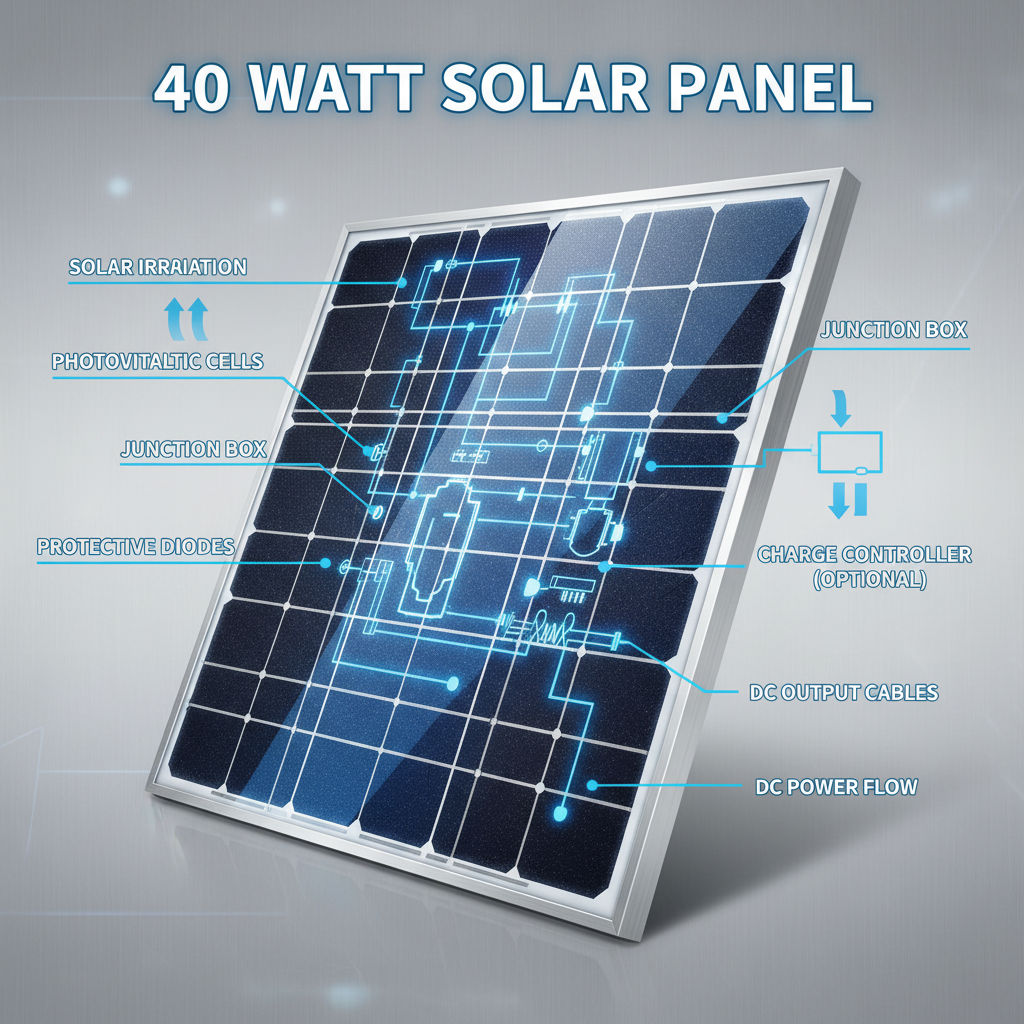
In simple technical terms, a 40 watt solar panel is a photovoltaic (PV) module capable of generating 40 watts of electrical power under Standard Test Conditions (STC). This usually means it consists of a few high-efficiency monocrystalline or polycrystalline cells encased in a tempered glass and aluminum frame to withstand outdoor elements.
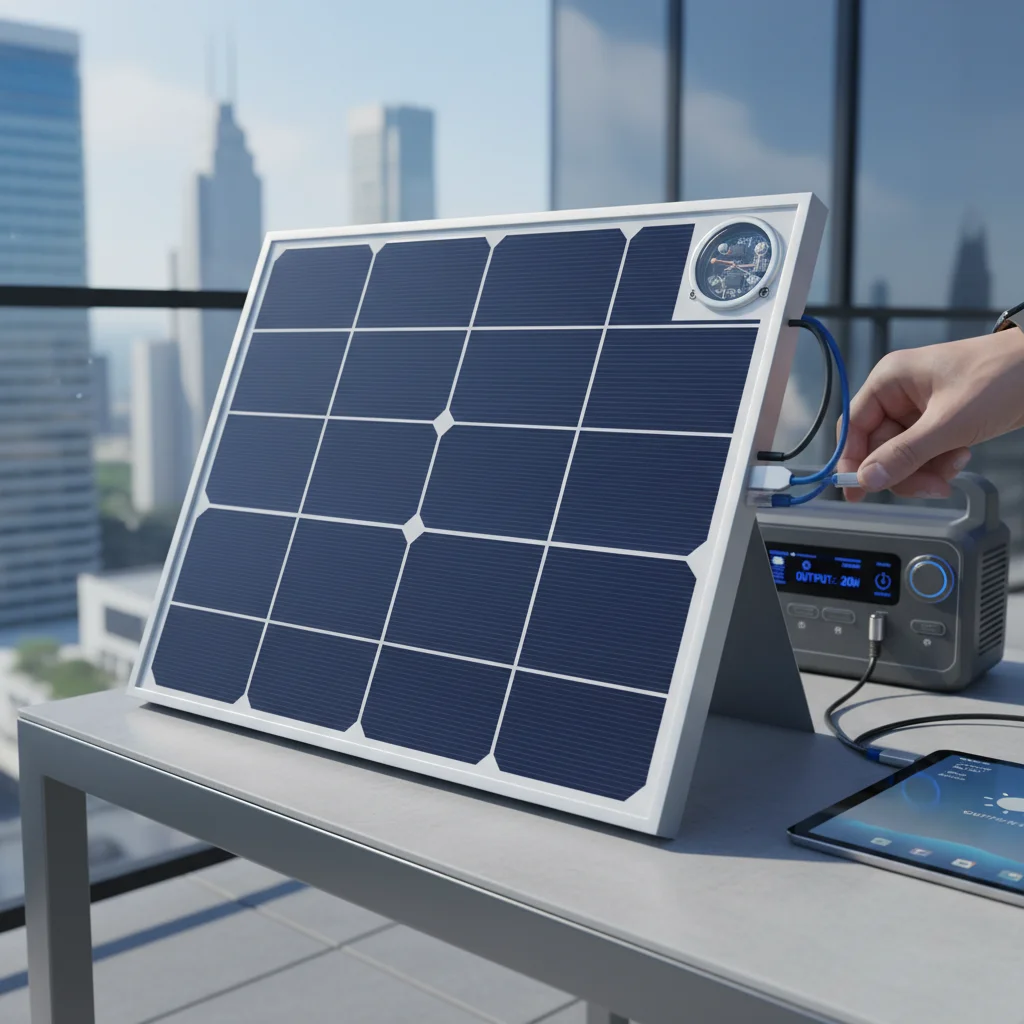
Beyond the numbers, this device represents "micro-generation." While a residential roof array might be 5,000 watts, a 40 watt unit is designed for specific, low-drain tasks. It is the engine behind remote weather stations, gate openers, and marine navigation lights, making it an essential component in the ecosystem of the Internet of Things (IoT).
The connection to modern industry is profound; as we move toward autonomous sensors and "smart" agriculture, the need for a reliable, small-footprint energy source like the 40 watt solar panel becomes a necessity rather than a luxury. It ensures that data collection continues uninterrupted regardless of grid availability.
Core Components and Design Factors
Durability is the first pillar of a high-quality 40 watt solar panel. Because these panels are often deployed in unmanned locations, they must utilize anodized aluminum frames and high-transmittance tempered glass to resist hail, wind-driven debris, and extreme temperature fluctuations.
Scalability is another key factor. A single 40 watt solar panel can be operated independently for a small load, or multiple units can be wired in series or parallel to create a larger array. This flexibility allows users to expand their energy capacity as their power requirements grow without replacing the entire system.
Finally, cost-efficiency and conversion rates define the value proposition. By utilizing advanced PERC (Passivated Emitter and Rear Cell) technology, modern 40 watt solar panels can squeeze more energy out of a smaller surface area, reducing the cost of mounting hardware and installation labor.
Performance Metrics and Efficiency Standards
Evaluating a 40 watt solar panel requires looking at the conversion efficiency and the temperature coefficient. High-end monocrystalline versions typically offer better performance in low-light conditions, ensuring that even on overcast days, a trickle charge is maintained for the connected battery.
When comparing different manufacturing methods, the stability of the voltage output is paramount. A well-engineered panel minimizes voltage drops, ensuring that the charge controller can operate at peak efficiency to prevent overcharging or deep discharging of the storage battery.
Comparative Efficiency of 40 Watt Solar Panel Variants
Global Applications and Real-World Use Cases
In remote industrial zones, the 40 watt solar panel is frequently used to power automated valve controllers and pressure sensors in oil and gas pipelines. These systems require constant, low-level power to transmit data via satellite or cellular networks, making a small solar array the only viable option for thousands of miles of infrastructure.
Furthermore, in post-disaster relief operations, these panels are deployed as part of mobile communication kits. By providing a lightweight power source for handheld radios and GPS trackers, the 40 watt solar panel ensures that rescue teams can maintain coordination without relying on fuel-dependent generators, which are often impossible to transport into devastated areas.
Long-Term Value and Sustainability Benefits
The long-term value of investing in a 40 watt solar panel extends beyond simple cost savings on electricity. It provides "energy security" and psychological peace of mind. For a homeowner using it for perimeter security lighting, it means the system will function even during a total grid blackout, enhancing safety and trust in their home infrastructure.
From a sustainability perspective, these units drastically reduce the reliance on disposable batteries. Instead of replacing hundreds of alkaline batteries in remote sensors over a decade, a single solar panel and a rechargeable LiFePO4 battery create a closed-loop system that minimizes hazardous waste and lowers the total cost of ownership.
Ultimately, the adoption of these panels reflects a shift toward mindful innovation. By matching the power source exactly to the load—using 40 watts where 40 watts is sufficient—we avoid the waste associated with over-engineering, promoting a more efficient and logical approach to green energy deployment.
Future Innovations and Technological Trends
Looking ahead, the 40 watt solar panel is poised to benefit from the integration of perovskite materials. These next-generation cells promise even higher efficiency rates and the possibility of semi-transparent panels, allowing them to be integrated into windows or curved surfaces without sacrificing their 40W output.
Digital transformation is also hitting the small-scale PV market. We are seeing the rise of "smart panels" that include integrated MPPT (Maximum Power Point Tracking) controllers within the frame itself. This removes the need for external wiring and simplifies the setup process for the end-user, making solar power truly "plug-and-play."
As global policies push toward net-zero emissions, the role of decentralized energy will only grow. The evolution of the 40 watt solar panel from a niche tool to a standardized industrial component will be a cornerstone of the transition toward a fully automated, green-powered global infrastructure.
Technical Comparison of 40 Watt Solar Panel Integration Methods
| Integration Type |
Installation Complexity |
Average Lifespan |
Reliability Score (1-10) |
| Fixed Rigid Mount |
Low |
20-25 Years |
10 |
| Flexible Adhesive |
Medium |
10-15 Years |
7 |
| Portable Folding |
Very Low |
5-10 Years |
6 |
| BIPV Integration |
High |
15-20 Years |
8 |
| Pole-Mounted Track |
Medium |
15-20 Years |
9 |
| Floating Platform |
High |
12-18 Years |
7 |
FAQS
Typically, a 40 watt solar panel generates about 2-3 amp-hours per hour of peak sunlight. To charge a small 12Ah battery from 50% to 100%, it would take approximately 3-4 hours of direct sun. However, actual times vary based on the charge controller efficiency and local weather conditions.
It is not recommended. Most devices require a stable voltage. A 40 watt solar panel's output fluctuates with sunlight intensity. You should use a solar charge controller between the panel and your battery or device to prevent overvoltage and ensure a steady current flow.
Monocrystalline 40 watt solar panels are generally more efficient and perform better in low-light or cloudy conditions, but are slightly more expensive. Polycrystalline panels are more affordable and work well in high-heat environments, though they require a slightly larger footprint for the same wattage.
Yes, for most low-power wireless security cameras, a 40 watt solar panel is more than sufficient. It provides enough energy to run the camera and keep the backup battery charged even during several consecutive rainy days, ensuring 24/7 surveillance.
Maintenance is minimal but important. Periodically clean the glass surface with a damp cloth to remove dust, bird droppings, or snow. Also, ensure the panel is angled toward the equator (South in the Northern Hemisphere) to capture the maximum amount of direct sunlight throughout the day.
Absolutely. You can connect them in parallel to increase the current (amperage) while keeping the voltage the same, or in series to increase the voltage while keeping the current the same. Just ensure your charge controller is rated for the resulting output.
Conclusion
The 40 watt solar panel represents the perfect intersection of portability and power. By providing a reliable energy source for remote monitoring, emergency communications, and small-scale automation, it eliminates the dependence on unstable grids and polluting generators. Its durability, scalability, and increasing efficiency make it an indispensable tool for both industrial operators and off-grid enthusiasts.
As we move toward a more decentralized and sustainable energy future, investing in high-quality small-scale PV solutions is a strategic move. Whether you are securing a remote perimeter or powering a humanitarian mission, the right solar setup ensures resilience and independence. To explore the best options for your specific needs, visit our website: www.shaobosolar.com.