The transition toward sustainable energy has accelerated globally, placing high-efficiency modules like the 380w solar panel at the forefront of residential and commercial energy strategies. As nations strive to meet carbon neutrality goals, the demand for a balanced power output that maximizes roof space without requiring industrial-scale infrastructure has made this specific wattage a gold standard for versatility.
Understanding the technical nuances of a 380w solar panel is essential for homeowners and project developers who aim to optimize their return on investment. By bridging the gap between small-scale portable kits and massive utility farms, these panels provide a scalable solution that ensures energy independence while significantly reducing monthly utility overheads.
In an era defined by volatile energy prices and increasing environmental consciousness, adopting a 380w solar panel system offers more than just electricity; it provides a hedge against inflation and a tangible contribution to the global fight against climate change.
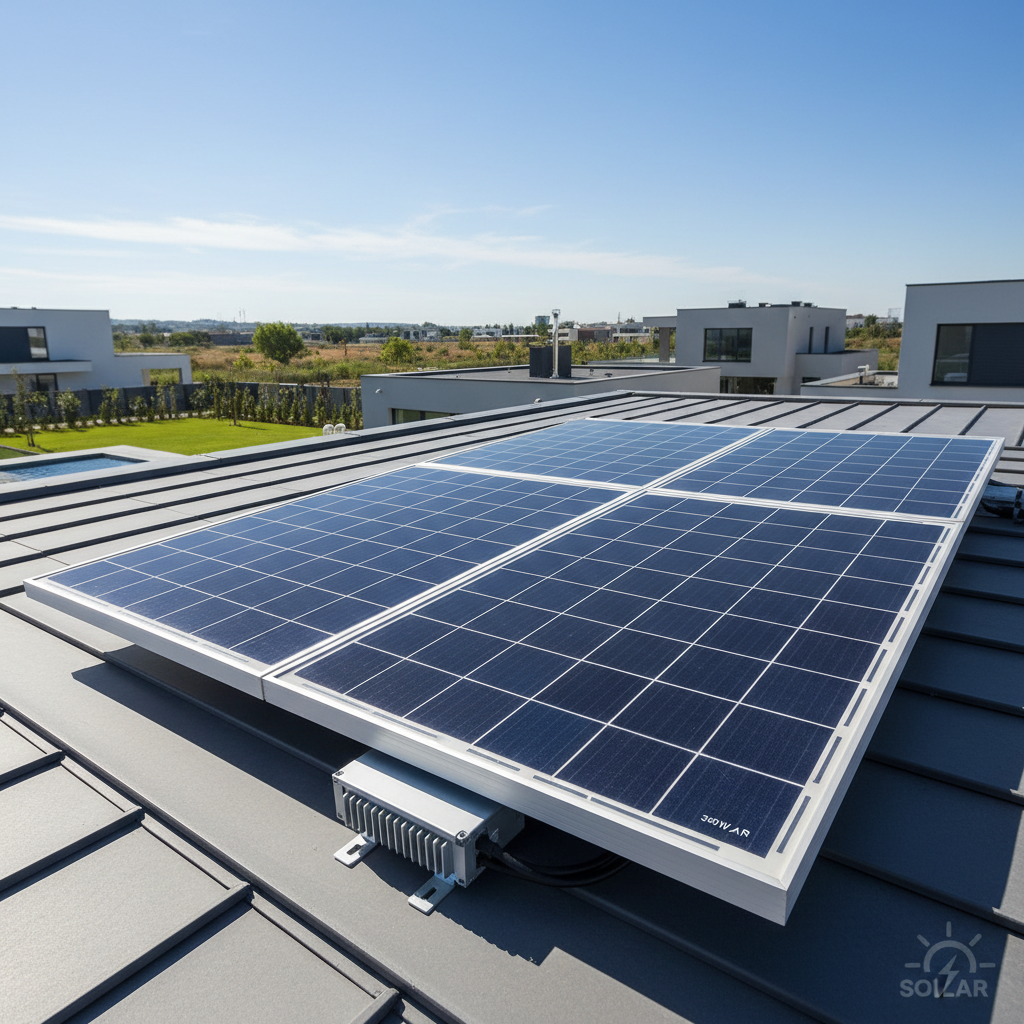
Global Market Relevance of 380w Solar Panel
The global adoption of the 380w solar panel is reflective of a broader shift toward decentralized energy. According to data aligned with International Energy Agency (IEA) trends, the mid-range wattage segment has seen a surge because it aligns perfectly with the structural load capacities of most residential rooftops while providing enough wattage to power modern home appliances.
Beyond residential use, these panels are critical in emerging markets where grid instability is common. By deploying 380w units, remote communities can establish reliable micro-grids that support essential services such as refrigeration for vaccines and LED lighting for education, directly addressing the energy poverty challenges highlighted by the World Bank.
Defining the Technical Specifications of 380w Solar Panel
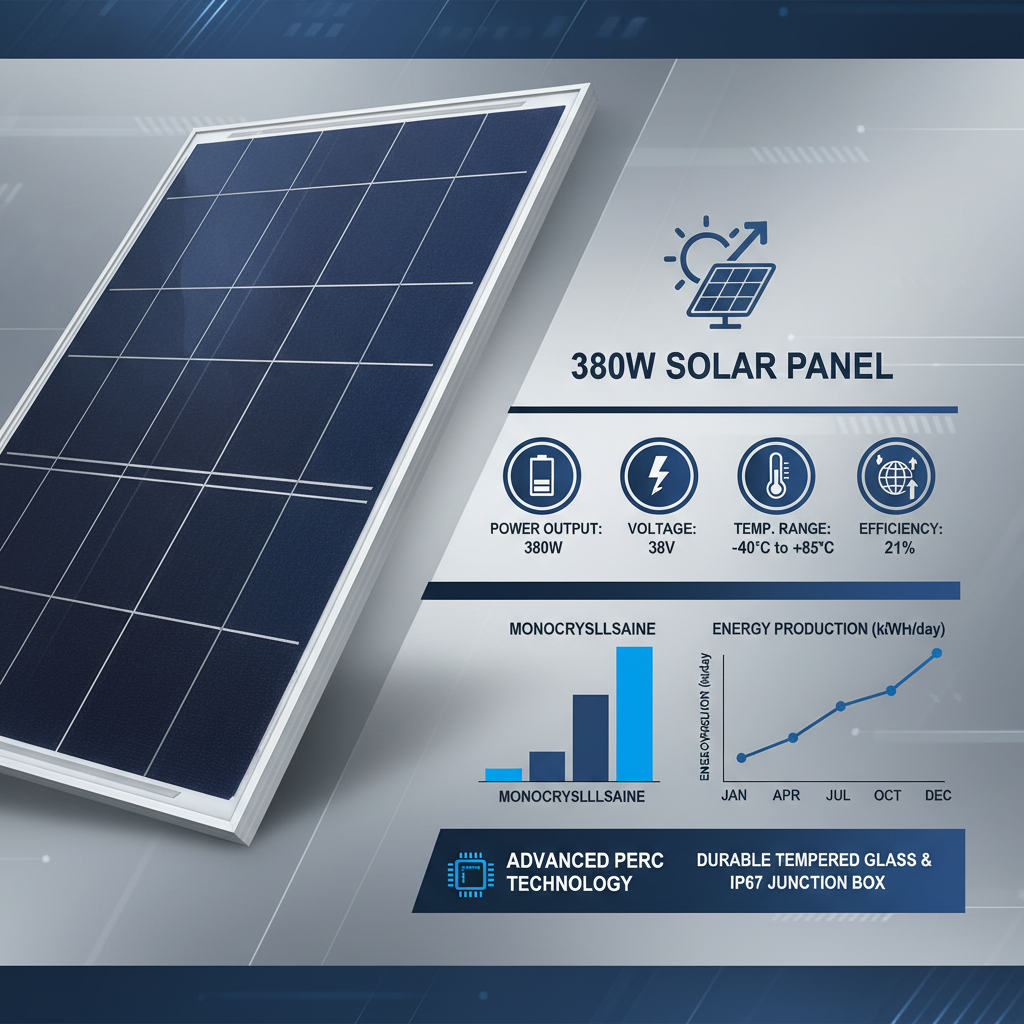
In simple terms, a 380w solar panel is a photovoltaic module capable of producing 380 watts of direct current (DC) electricity under Standard Test Conditions (STC). This usually involves a specific number of monocrystalline or polycrystalline cells wired in series to achieve the desired voltage and current output, making it a robust choice for medium-sized arrays.
This wattage isn't just a random number; it represents a "sweet spot" in engineering. It allows for a high power-to-weight ratio, meaning users can generate significant energy without needing the heavy-duty reinforced mounting systems required for larger 500w+ industrial panels. This makes the installation process faster and more cost-effective for the average consumer.
From a humanitarian and industrial perspective, the 380w specification allows for modular scalability. Whether you are building a small off-grid cabin or expanding a corporate solar farm, these units can be easily paralleled or strung together to meet exact energy requirements, ensuring that no sunlight is wasted and no budget is overspent.
Core Components Driving 380w Solar Panel Efficiency
The durability of a 380w solar panel depends heavily on its tempered glass and anodized aluminum frame. These materials protect the delicate silicon cells from hail, wind loads, and corrosion, ensuring that the panel maintains its 380w rating over a lifespan that typically spans 25 to 30 years.
Scalability is achieved through the use of high-quality junction boxes and MC4 connectors. For the 380w solar panel, these components ensure minimal voltage drop during transmission, allowing multiple panels to be linked in a string without significant energy loss, which is vital for maintaining system efficiency.
Cost efficiency is realized through the integration of PERC (Passivated Emitter and Rear Cell) technology. By adding a passivation layer to the rear of the cell, the 380w solar panel can reflect light back into the cell for a second chance at absorption, increasing the overall energy yield per square meter.
Performance Metrics of 380w Solar Panel Variants
When comparing different iterations of the 380w solar panel, it is important to look at the temperature coefficient and the low-light performance. Some variants are designed specifically for hotter climates, ensuring that the 380w output doesn't drop drastically when the panel surface heats up under the summer sun.
Furthermore, the choice between Monocrystalline and Polycrystalline cells affects how the panel behaves in overcast conditions. High-end 380w modules often utilize half-cut cell technology, which reduces internal resistance and allows the panel to continue producing power even if a portion of the module is shaded by a chimney or a tree branch.
Comparative Efficiency Ratings for 380w Solar Panel Types
Real-World Applications of 380w Solar Panel Systems
In remote industrial zones, such as mining sites or agricultural research stations, the 380w solar panel serves as a primary power source for telemetry and monitoring equipment. These installations rely on the stability of 380w modules to ensure that critical data is transmitted 24/7 without the need for expensive diesel generator refueling trips.
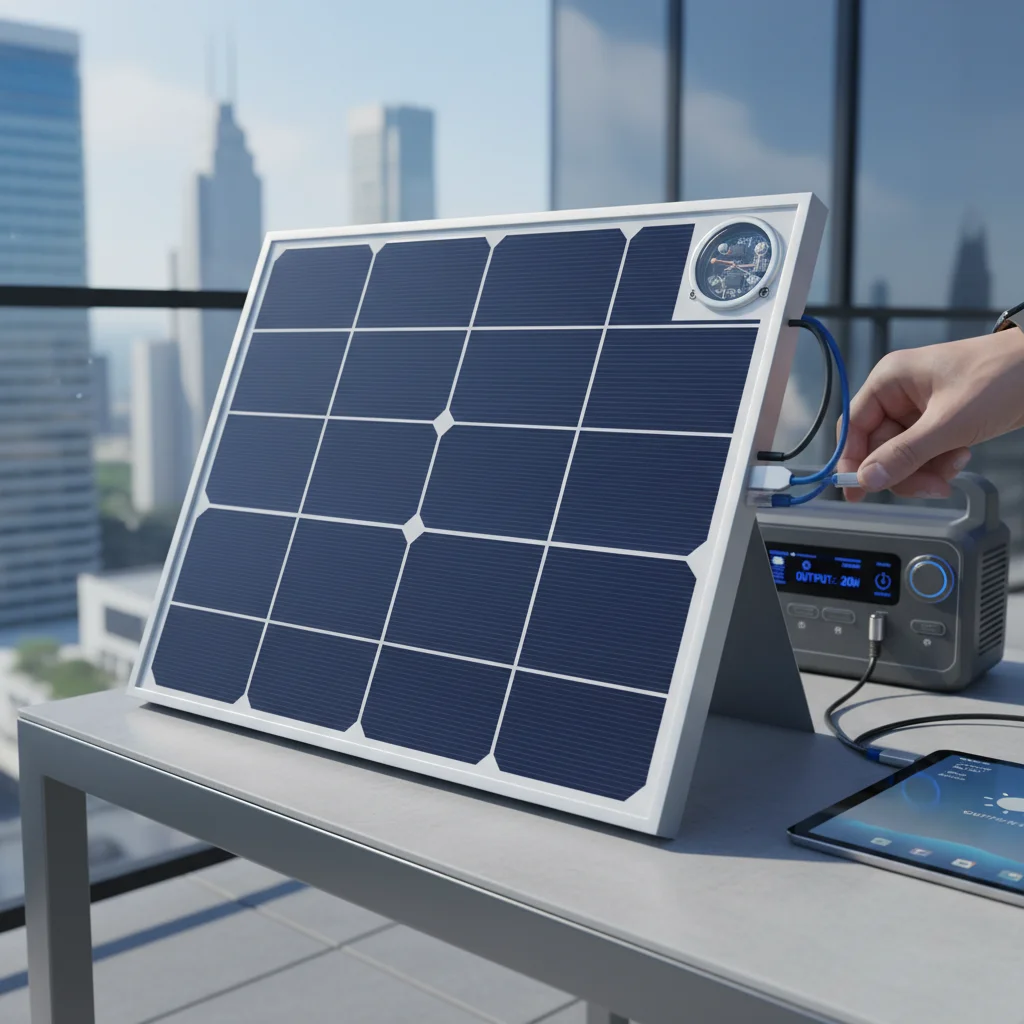
Similarly, in post-disaster relief operations, portable arrays featuring the 380w solar panel are deployed to power emergency communication hubs and medical refrigerators. The balance of power output and manageable physical size allows relief workers to quickly deploy energy infrastructure in areas where the main grid has been completely destroyed.
Long-Term Value and Economic Advantages
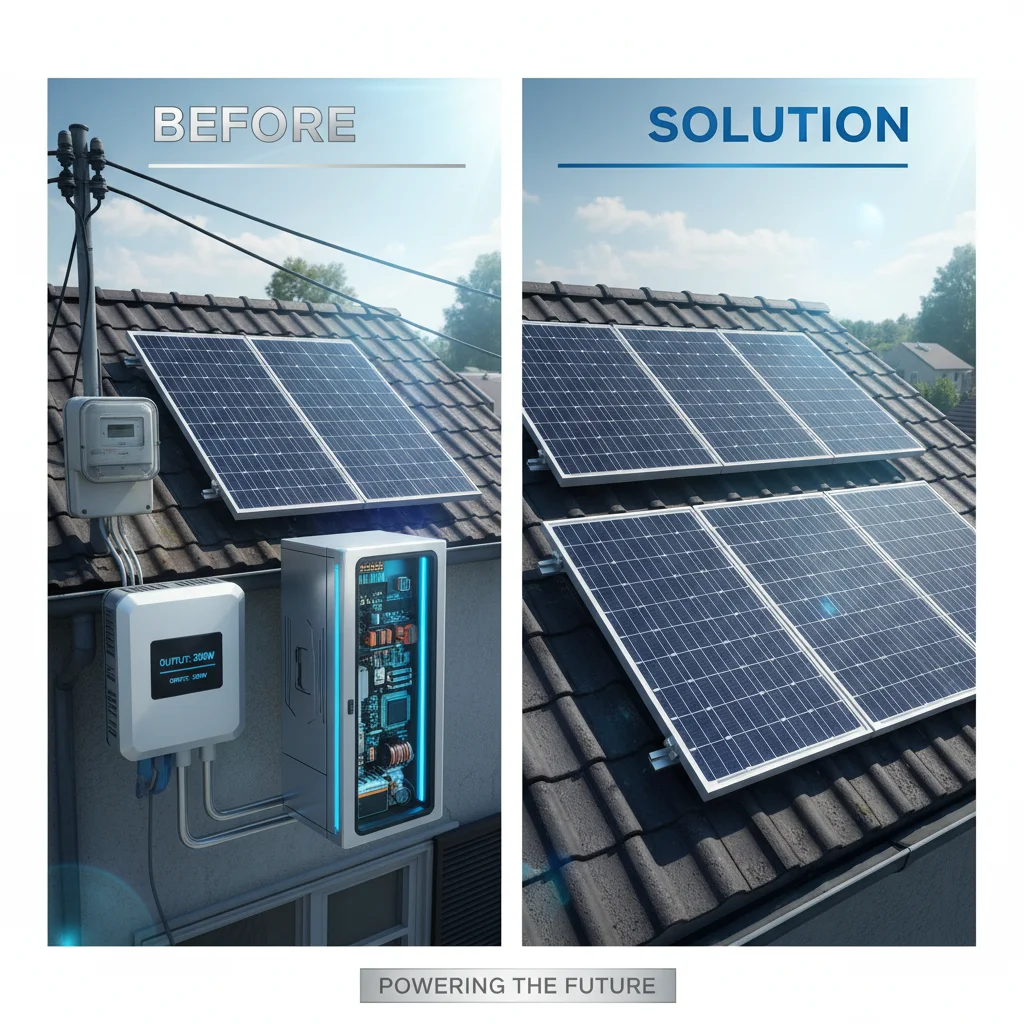
Investing in a 380w solar panel provides a compelling logical argument based on Levelized Cost of Energy (LCOE). By reducing the dependence on grid power, users typically see a full return on investment within 5 to 7 years, while the panel continues to produce free energy for another two decades, effectively turning an expense into a long-term asset.
Beyond the balance sheet, there is an emotional value tied to energy sovereignty. Knowing that your home or business is powered by a reliable 380w solar panel array provides peace of mind and a sense of security, especially in regions prone to blackouts or extreme weather events.
Furthermore, the installation of these panels increases property value. Modern buyers prioritize "green" homes, and a well-documented system utilizing efficient 380w solar panel technology serves as a badge of innovation and environmental responsibility, making the property more attractive in a competitive real estate market.
Future Innovations in 380w Solar Panel Technology
The future of the 380w solar panel lies in the integration of tandem cell technology, specifically combining silicon with perovskites. This innovation aims to push the efficiency limits of the 380w form factor, allowing the same physical footprint to capture a wider spectrum of sunlight and potentially increase actual output without increasing size.
Digital transformation is also playing a role through the advent of "Smart Panels." Future 380w solar panel units may include integrated micro-sensors that communicate directly with AI-driven energy management systems, automatically optimizing tilt or alerting owners to precise cleaning needs to maintain maximum wattage.
Finally, the industry is moving toward a circular economy. Next-generation 380w solar panel designs are focusing on "Design for Disassembly," ensuring that at the end of their 30-year life, the silver, silicon, and glass can be recovered and reused, making solar energy truly sustainable from cradle to grave.
Comparison of 380w Solar Panel Technology Evolution
| Technology Generation |
Efficiency Level |
Durability Score (1-10) |
Market Availability |
| Standard Poly 380w |
15-17% |
7 |
Legacy/Budget |
| Mono-PERC 380w |
19-21% |
8 |
Mainstream |
| Half-Cut Mono 380w |
20-22% |
9 |
High Demand |
| Bifacial 380w |
22-25% |
9 |
Specialized |
| Tandem-Cell 380w |
26-30% |
7 |
Experimental |
| Smart-Integrated 380w |
21-23% |
10 |
Early Adopter |
FAQS
A single 380w solar panel cannot power a whole home, but an array of them can. Depending on your daily consumption, a system of 10 to 20 panels (totaling 3.8kW to 7.6kW) is typically sufficient for a medium-sized household. The 380w unit is ideal because it allows for precise capacity planning without over-investing in unnecessary hardware.
Most high-quality 380w solar panels come with a linear power warranty of 25 years. While they don't "stop working" after 25 years, their efficiency gradually declines. Typically, a panel will still operate at about 80-85% of its original 380w capacity after two and a half decades, provided it is maintained and installed correctly.
Monocrystalline 380w panels are made from a single crystal structure, offering higher efficiency and better performance in low-light conditions, though they are generally more expensive. Polycrystalline panels are made from multiple crystals; they are more affordable and easier to produce but require more roof space to achieve the same 380w output due to lower efficiency.
It is generally discouraged. Mixing different wattages or brands can lead to "mismatch losses," where the entire string is limited by the lowest-performing panel. To maximize the potential of your 380w solar panel array, it is best to use identical modules. If you must mix, using micro-inverters or DC optimizers can mitigate these losses by managing each panel individually.
A typical 380w solar panel measures approximately 1.7m x 1m. When planning an installation, you must account for not only the panel dimensions but also the spacing between rows to avoid self-shading and the perimeter clearance required by local building codes. For a 10-panel system, you would need roughly 18-22 square meters of clear roof space.
Yes, but at a reduced capacity. A 380w solar panel relies on photons, not just direct heat. On a cloudy day, they can still produce 10% to 25% of their rated power. Advanced versions, such as those with half-cut cells or PERC technology, are specifically engineered to be more efficient at capturing diffuse light during overcast weather.
Conclusion
The 380w solar panel represents a critical intersection of efficiency, affordability, and physical practicality. By offering a substantial power output that fits within residential constraints and industrial micro-grid requirements, it has become a cornerstone of the global transition to renewable energy. From the technical advantages of PERC and half-cut cells to the economic benefits of long-term energy independence, the 380w module is a proven solution for those seeking reliable, sustainable power.
As we look toward the future, the continued evolution of materials and smart integration will only enhance the value of these systems. For businesses and homeowners alike, the shift toward a 380w solar panel infrastructure is not just an environmental choice, but a strategic financial decision. We encourage you to explore how these high-efficiency modules can transform your energy profile. Visit our website: www.shaobosolar.com