The global transition toward renewable energy has accelerated the demand for high-efficiency energy harvesting solutions, making the 440 watt solar panel a cornerstone of modern residential and commercial installations. As energy costs fluctuate and carbon neutrality targets become mandatory for many industries, selecting a panel that balances power density with physical footprint is critical for maximizing ROI. Understanding the technical nuances of these modules allows developers to design systems that are not only sustainable but economically viable in the long run.
From an industrial perspective, the shift toward the 440W benchmark represents a significant leap in cell efficiency and manufacturing precision. These panels typically leverage advanced PERC or N-type cell technologies to ensure that every square inch of silicon is utilized to its fullest potential. This increase in wattage per module means fewer panels are required to reach a target energy output, reducing the costs associated with mounting hardware, labor, and land usage.
However, simply looking at the wattage is not enough; the true value of a 440 watt solar panel lies in its performance under real-world conditions, such as low-light environments or high-temperature zones. By integrating a high-wattage module into a comprehensive solar system, users can achieve greater energy independence and contribute to a global reduction in greenhouse gas emissions, aligning with the sustainable development goals set by international bodies.
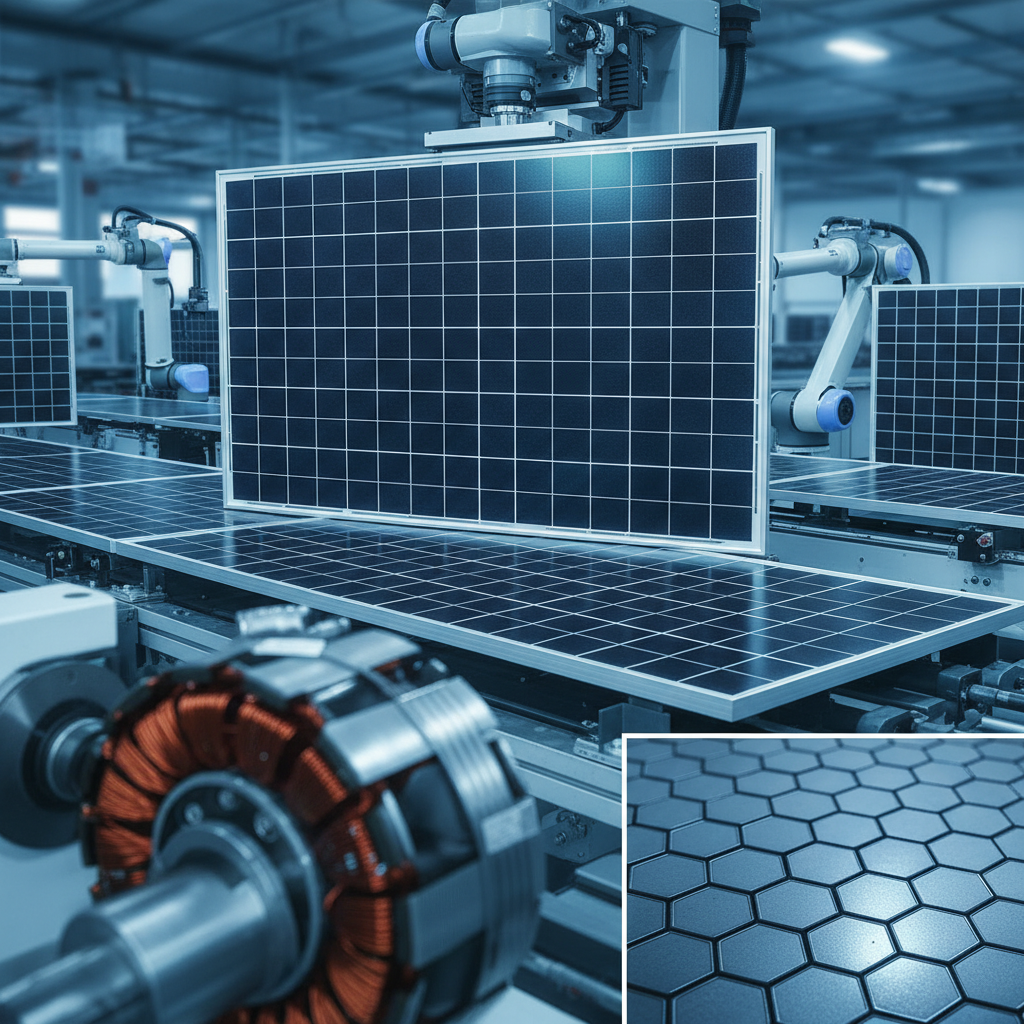
Global Industry Context of 440 Watt Solar Panels
The global energy landscape is currently undergoing a seismic shift, with the International Energy Agency (IEA) reporting record-breaking additions of solar capacity annually. The emergence of the 440 watt solar panel coincides with a global push to decentralize power grids and reduce reliance on fossil fuels. In regions like Southeast Asia and Sub-Saharan Africa, these high-efficiency panels are bridging the energy gap, providing reliable power to remote industrial zones where traditional grid infrastructure is absent or failing.
Furthermore, the adoption of 440W modules is driven by the urgent need to meet ISO environmental standards and corporate ESG (Environmental, Social, and Governance) goals. By increasing the power output per square meter, companies can transition their warehouses and factories to green energy more rapidly. This not only lowers operational overheads but also positions brands as leaders in the fight against climate change, transforming solar energy from a luxury "add-on" into a fundamental industrial requirement.
Defining the 440 Watt Solar Panel Technicality
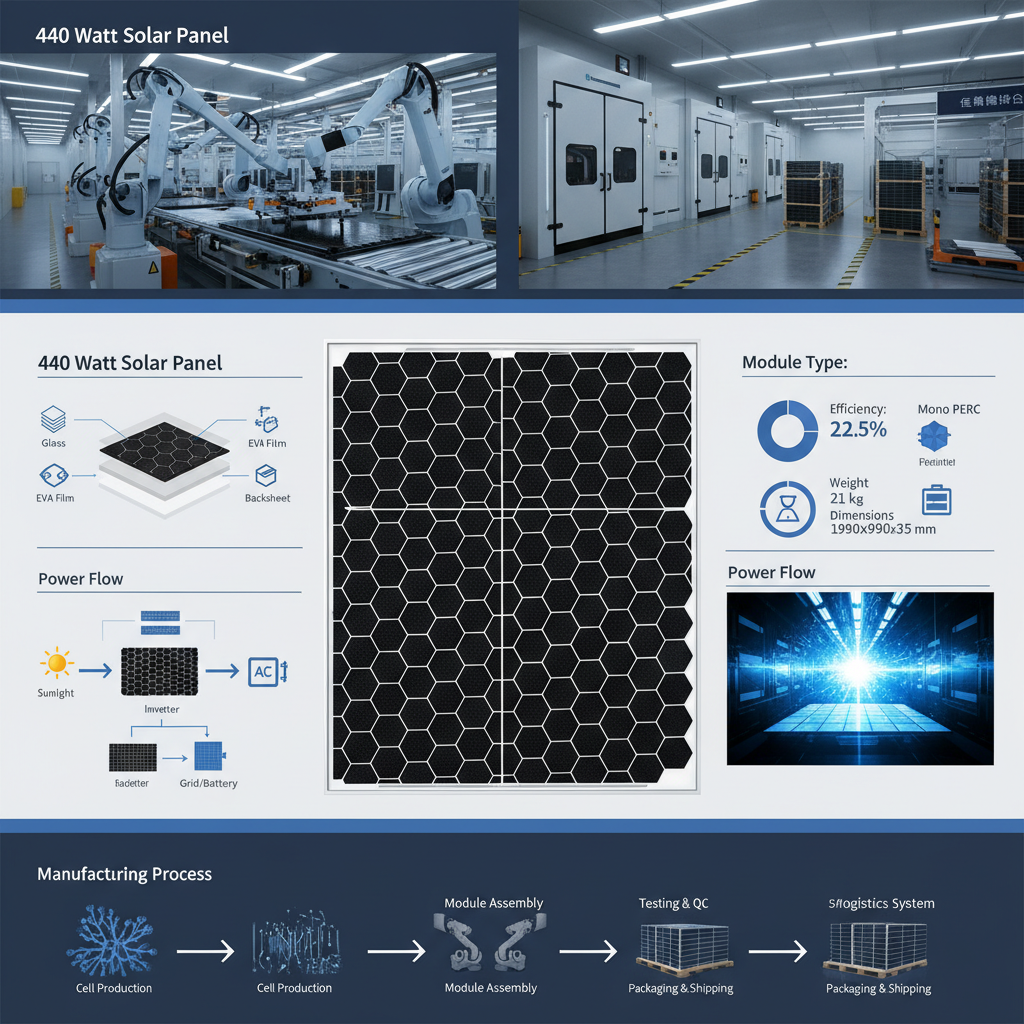
In simple terms, a 440 watt solar panel is a photovoltaic module capable of producing 440 watts of direct current (DC) electricity under Standard Test Conditions (STC). STC typically involves a cell temperature of 25°C and an irradiance of 1,000 W/m². For the average user, this means the panel is optimized to convert a higher percentage of sunlight into usable energy compared to older 300W or 350W models, making it a "high-density" energy solution.
Technologically, these panels are often monocrystalline, utilizing a single-crystal structure that allows electrons to flow more freely. The "440 watt" designation is a result of refined cell sizing (such as half-cut cells) and the application of anti-reflective coatings. This ensures that more photons are absorbed and fewer are bounced off the glass surface, directly increasing the current and voltage generated.
Beyond the raw numbers, this specific wattage serves a critical role in humanitarian and industrial needs. In disaster-relief operations or mobile medical clinics, the ability to generate significant power from a relatively compact array can be the difference between life and death. The 440 watt solar panel provides a scalable foundation for these mission-critical systems, offering a perfect balance between portability and high-capacity output.
Core Components and Performance Factors
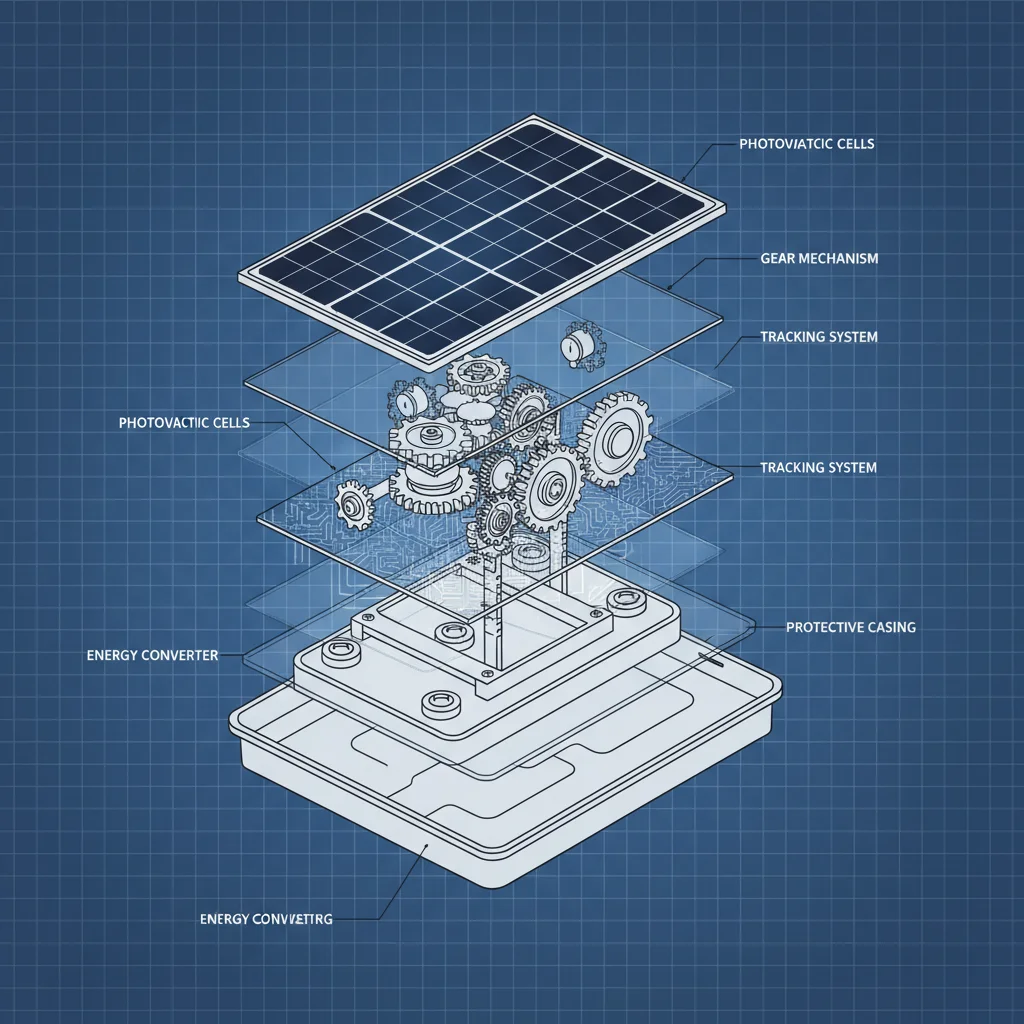
The efficiency of a 440 watt solar panel is rooted in its build quality and material science. One of the most critical components is the tempered glass, which must be high-transmission and low-iron to allow maximum sunlight penetration while protecting the silicon cells from hail, wind, and debris. This durability ensures that the panel maintains its rated 440W output over a lifespan that typically exceeds 25 years.
Another key factor is the integration of half-cut cell technology. By splitting each cell in half, the 440 watt solar panel reduces internal resistive losses and improves performance under partial shading. If one half of the panel is covered by a leaf or shadow, the other half continues to produce power, preventing the entire module's output from crashing—a vital feature for complex urban installations.
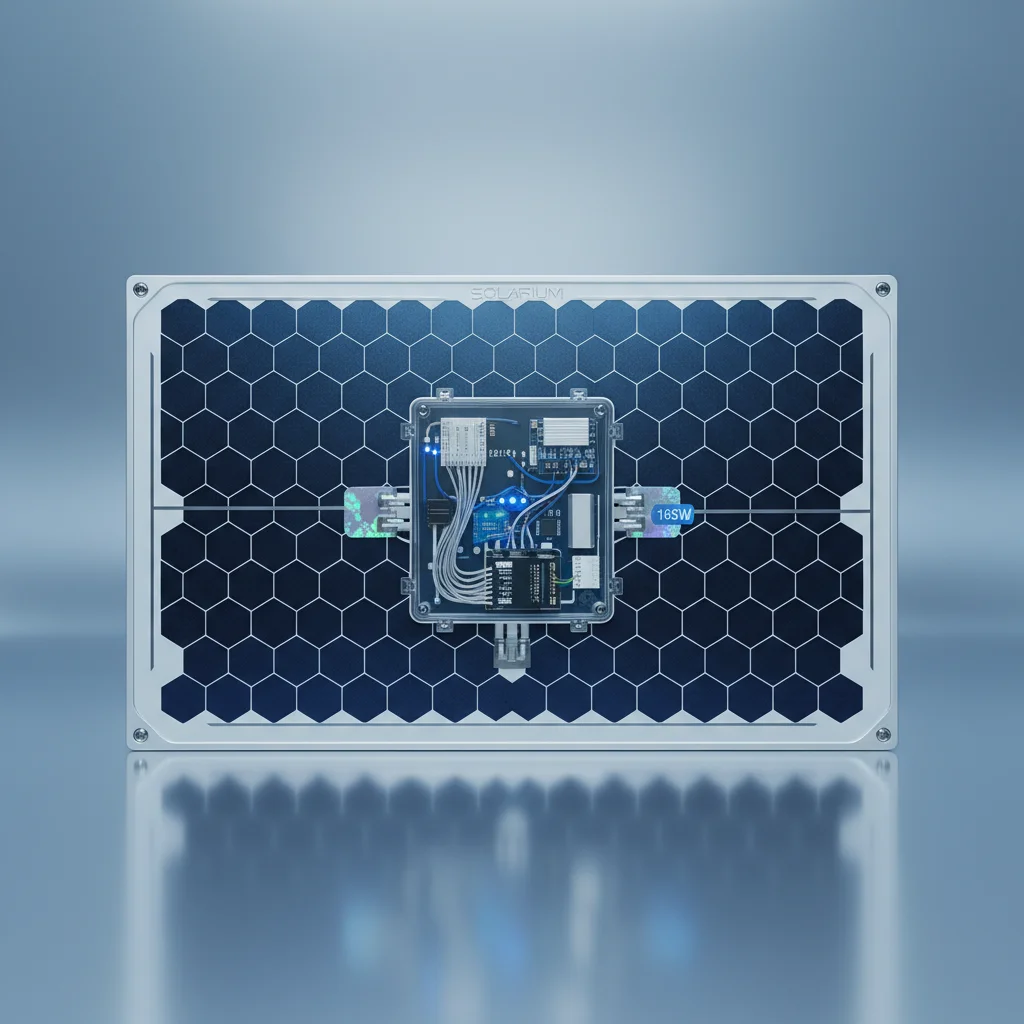
Lastly, the framing and junction box play a silent but essential role. An anodized aluminum frame provides the necessary structural rigidity for the 440 watt solar panel to withstand heavy snow loads and high-velocity winds. Meanwhile, a high-quality junction box with integrated bypass diodes prevents "hot spots," which could otherwise degrade the cells and reduce the overall system efficiency over time.
Practical Applications and Use Cases
The versatility of the 440 watt solar panel makes it suitable for a wide array of environments. In residential settings, homeowners utilize these panels to power high-consumption appliances like HVAC systems and electric vehicle (EV) chargers without requiring massive roof extensions. The higher power density means that a typical household can achieve energy autonomy with 30% fewer panels than they would have needed a decade ago.
In the industrial sector, these modules are frequently deployed in "solar carports" and warehouse rooftops. For instance, in remote industrial zones where the local grid is unstable, companies install arrays of 440 watt solar panels coupled with BESS (Battery Energy Storage Systems). This allows factories to run heavy machinery during peak sun hours and utilize stored energy at night, drastically cutting operational costs and reducing the carbon footprint of manufacturing.
Performance Efficiency of 440 Watt Solar Panel Variants
Long-Term Value and Sustainability
Investing in a 440 watt solar panel provides more than just immediate electricity; it offers long-term financial security. As utility prices continue to climb, the fixed cost of a solar installation becomes an asset. The high wattage ensures a faster "payback period," as the system generates more kilowatt-hours per month, leading to larger credits on net-metering programs and lower monthly utility bills.
Beyond the finances, there is a profound social impact. By deploying these panels in underserved communities, we provide the dignity of reliable lighting and refrigeration for medicines. The reliability of the 440 watt solar panel ensures that these essential services are not interrupted by grid failures, fostering educational growth and health improvements in the world's most vulnerable regions.
Future Innovations in High-Wattage Modules
The evolution of the 440 watt solar panel is moving toward the integration of perovskite-silicon tandem cells. This upcoming technology aims to push efficiency limits far beyond the current 22-24% range, potentially allowing panels of the same size to exceed 500W while maintaining the reliability standards of current 440W modules. This digital transformation in material science will make solar power the cheapest energy source in human history.
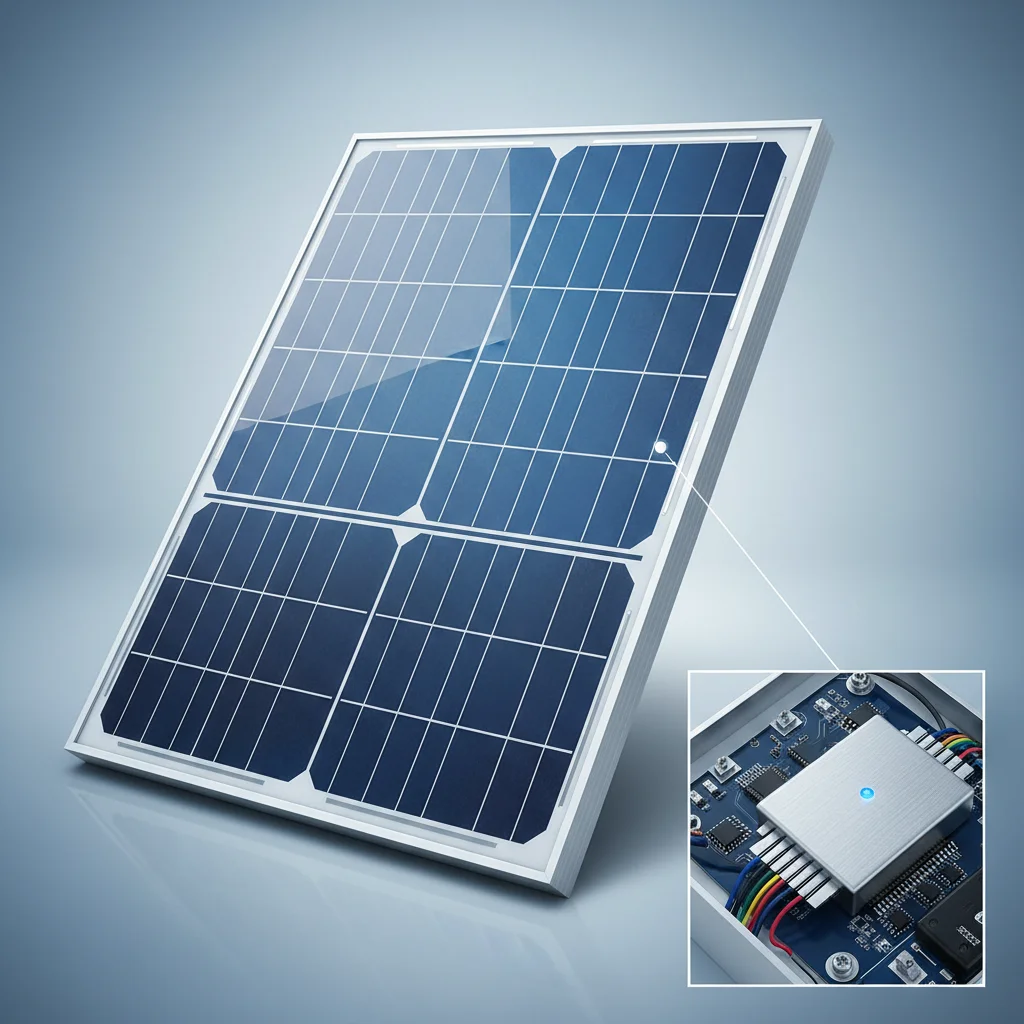
Furthermore, the trend of "Smart Panels" is gaining momentum. Future iterations of the 440 watt solar panel will likely feature integrated IoT sensors that can report real-time degradation and efficiency losses directly to a smartphone app. This automation allows for predictive maintenance, ensuring that panels are cleaned or repaired before their output drops significantly, maximizing the lifetime energy harvest.
We are also seeing a shift toward circular economy principles in manufacturing. Leading manufacturers are developing ways to recycle the glass and silicon from aged 440 watt solar panels, ensuring that the "green" energy we produce today does not become the "waste" problem of tomorrow. This commitment to sustainability ensures the solar industry remains a true partner to the planet.
Challenges and Expert Solutions
One of the primary challenges facing the deployment of the 440 watt solar panel is the "Efficiency-Temperature Paradox." As panels generate more power, they can also accumulate more heat, which ironically lowers their efficiency. To combat this, expert installers recommend using "ventilated mounting" systems that allow airflow beneath the panels, keeping the cells cool and maintaining peak 440W performance even in mid-summer.
Another common hurdle is the mismatch between high-wattage panels and older inverter technology. If an inverter is not rated for the higher current output of a 440 watt solar panel, it can lead to "clipping," where the inverter limits the energy produced. The solution is the adoption of String Inverters with multiple MPPTs (Maximum Power Point Trackers) or Micro-inverters, which optimize each panel individually.
Lastly, the physical weight of higher-wattage modules can be a concern for older roof structures. A 440 watt solar panel is often larger and heavier than older models. Professional structural audits are now an industry standard, ensuring that the roof can support the load. In cases where weight is an issue, lightweight composite frames are being introduced to offer the same 440W output with a smaller structural footprint.
Technical Comparison and Efficiency Analysis of 440W Solar Solutions
| Panel Technology |
Conversion Efficiency |
Temp. Coefficient |
ROI Period (Years) |
| 440W Mono-PERC |
21.5% |
-0.35%/°C |
4-6 Years |
| 440W N-Type TopCon |
23.2% |
-0.30%/°C |
3-5 Years |
| 440W Bifacial |
22.0% (+10% rear) |
-0.34%/°C |
3-5 Years |
| 440W Polycrystalline |
17.8% |
-0.41%/°C |
6-8 Years |
| 440W Thin-Film |
15.5% |
-0.25%/°C |
7-9 Years |
| 440W HJT (Heterojunction) |
24.1% |
-0.26%/°C |
4-6 Years |
FAQS
Yes, generally. A 440 watt solar panel produces more energy per square meter, meaning you can generate the same amount of electricity using fewer modules. This reduces the cost of installation, mounting rails, and cabling. However, you should ensure your inverter can handle the increased current to avoid energy clipping.
To achieve a 5kW (5,000 watt) system, you would divide 5,000 by 440, which equals approximately 11.36. Therefore, you would need 12 440 watt solar panels to ensure you meet or slightly exceed your 5kW target, allowing for some natural efficiency loss due to weather and angle.
Absolutely. While a 440 watt solar panel produces its maximum rated power in full sun, it still generates electricity under cloudy skies using diffused light. Modern monocrystalline 440W panels are specifically designed with improved low-light performance to ensure consistent energy production throughout the day.
Most high-quality 440 watt solar panels come with a linear performance warranty of 25 to 30 years. While they don't "stop working" after 25 years, their efficiency slowly degrades (usually by 0.5% per year). Even after three decades, a well-maintained panel will typically still produce 80-85% of its original 440W output.
You don't necessarily need a "special" inverter, but you need a "compatible" one. Check the Voc (Open Circuit Voltage) and Isc (Short Circuit Current) of your 440 watt solar panel and ensure they fall within the input range of your inverter. Using a modern MPPT inverter is highly recommended to extract the maximum power from these high-wattage modules.
Yes, they are ideal for off-grid use. Because space is often limited in remote cabins, the 440 watt solar panel allows you to maximize energy collection in a small area. When paired with a charge controller and a battery bank, these panels can easily power lights, refrigerators, and communication devices independently.
Conclusion
The 440 watt solar panel represents a critical equilibrium in the solar industry, blending high energy density with commercial scalability. By leveraging advanced monocrystalline technology and half-cut cell architecture, these modules address the dual challenges of limited installation space and the rising global demand for clean energy. From reducing industrial operational costs to providing life-saving power in remote areas, the 440W standard has proven itself to be a reliable, efficient, and sustainable choice for the modern era.
As we look toward a future dominated by tandem cells and smart energy grids, the foundation laid by current high-wattage modules will be essential. For businesses and homeowners alike, the transition to these efficient systems is no longer just an environmental choice, but a strategic financial decision. We encourage you to evaluate your energy needs and embrace the power of high-efficiency solar technology to secure a greener, more independent future. Visit our website: www.shaobosolar.com