
Sustainable Energy with monocrystalline solar panels in Bangladesh

Sustainable Energy with monocrystalline solar panels in Bangladesh

Sustainable Energy with monocrystalline solar panels in Bangladesh

Empowering Bangladeshi homes and industries with high-efficiency photovoltaic solutions tailored for the tropical climate of South Asia.

Sustainable Energy with monocrystalline solar panels in Bangladesh

Providing cutting-edge solar technology to overcome energy instability and reduce electricity costs across Bangladesh through advanced silicon cell manufacturing.

The Current State of Solar Adoption in Bangladesh

Analyzing the transition from grid-dependence to renewable energy in the Bengal Delta.

Bangladesh faces unique energy challenges due to its high population density and susceptibility to monsoon-driven grid failures. The adoption of solar panels has become a strategic necessity rather than a luxury, especially in rural areas where the national grid is unstable or nonexistent.

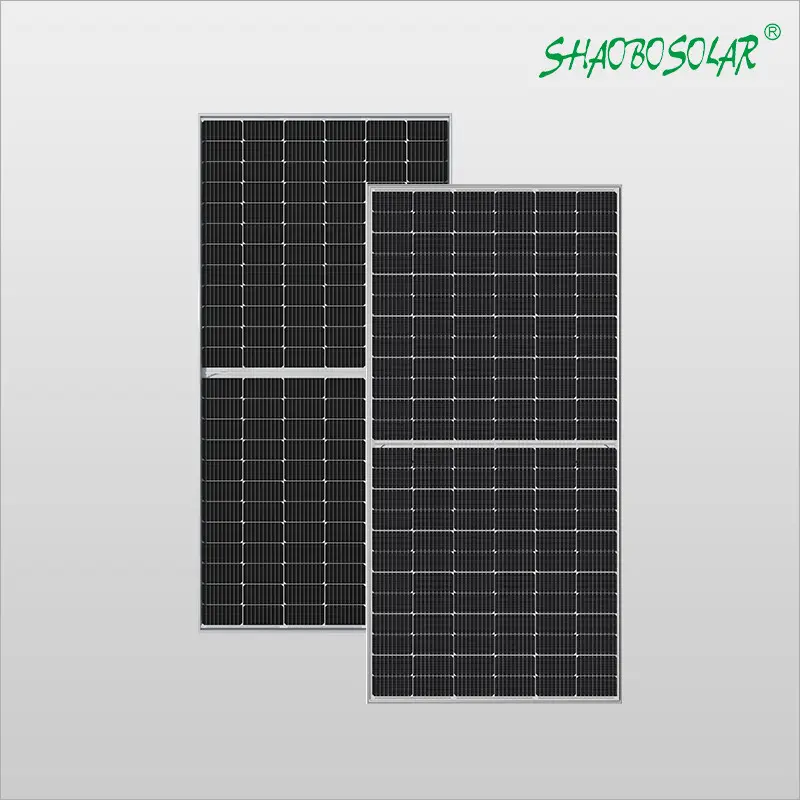
Current market trends show a massive shift toward the house solar power system, as urban homeowners in Dhaka and Chittagong seek to mitigate the rising cost of electricity and frequent load-shedding during peak summer months.

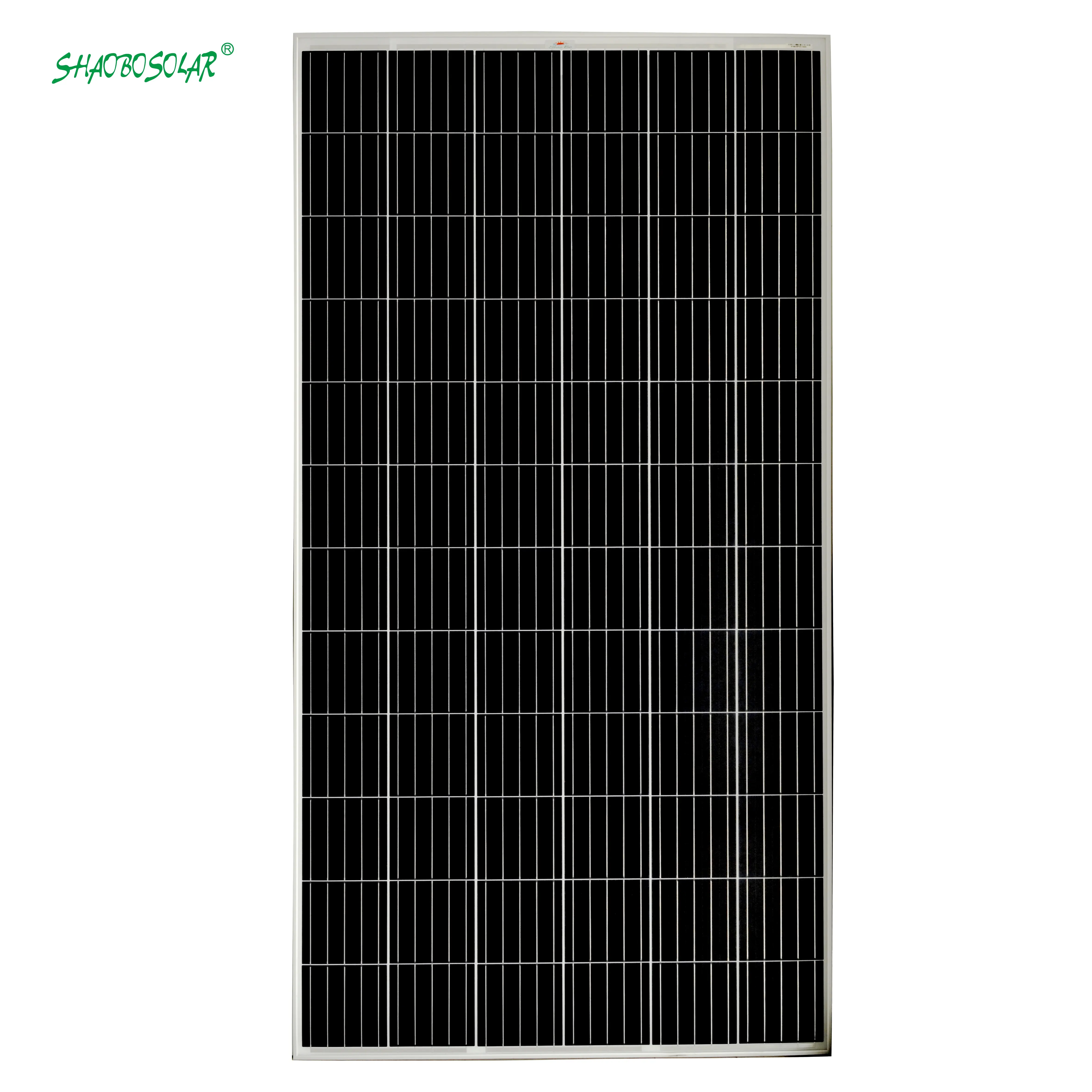
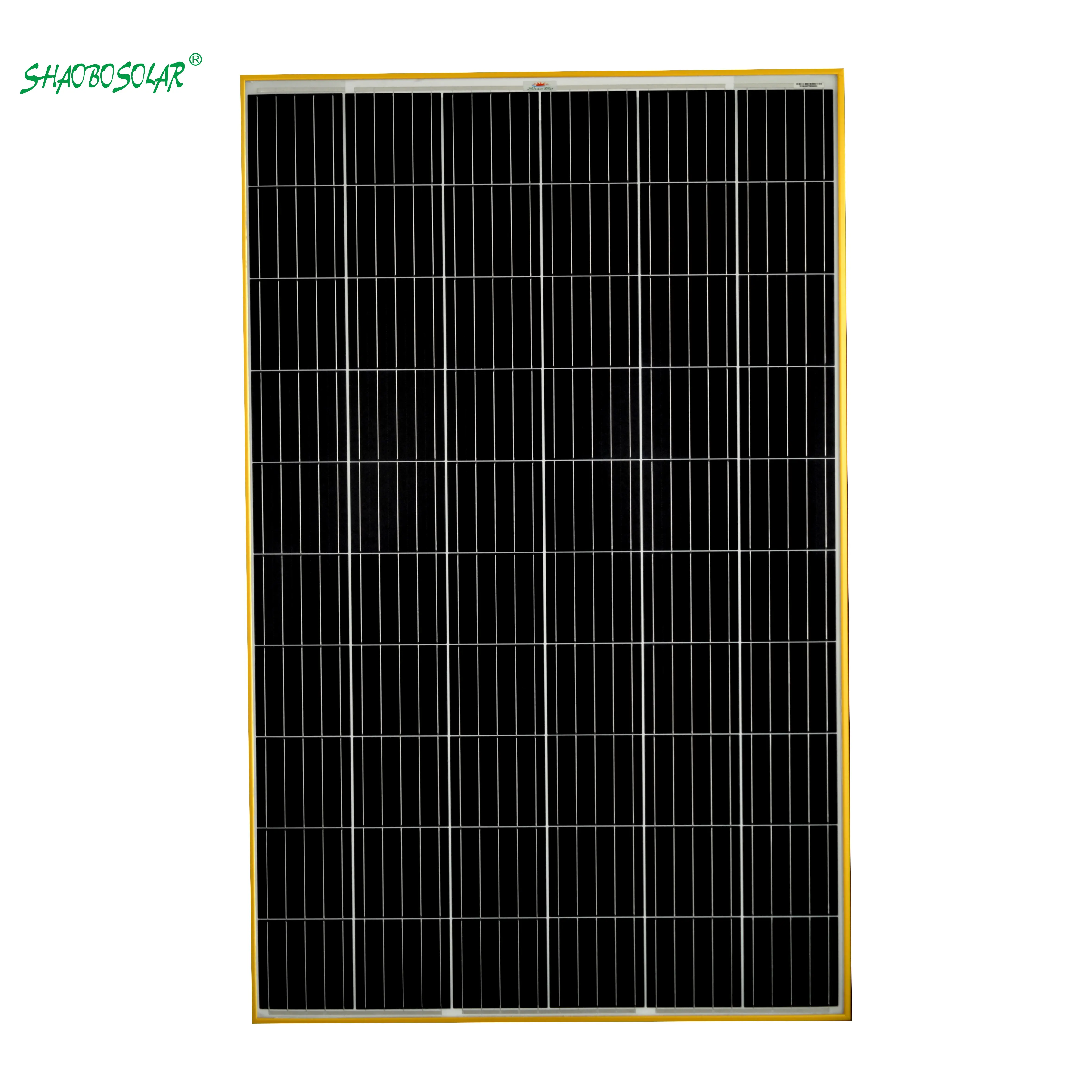
While cost-effective options like polycrystalline solar panel technology initially dominated the market, there is a growing demand for higher efficiency and better heat tolerance to maximize energy harvest during the humid Bangladeshi climate.
Evolution and Trajectory of Photovoltaics in Bangladesh

From basic lighting to complex industrial energy autonomy.

Market Development History

Between 2005 and 2012, the focus was primarily on Solar Home Systems (SHS) using basic silicon cells to provide lighting for remote villages, marking the first wave of renewable penetration in the region.

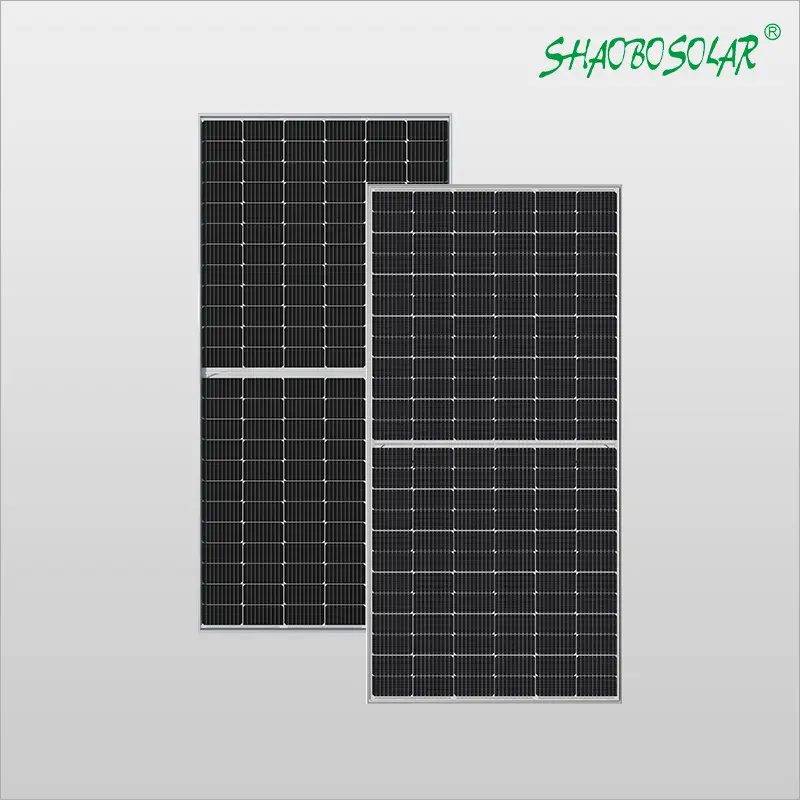
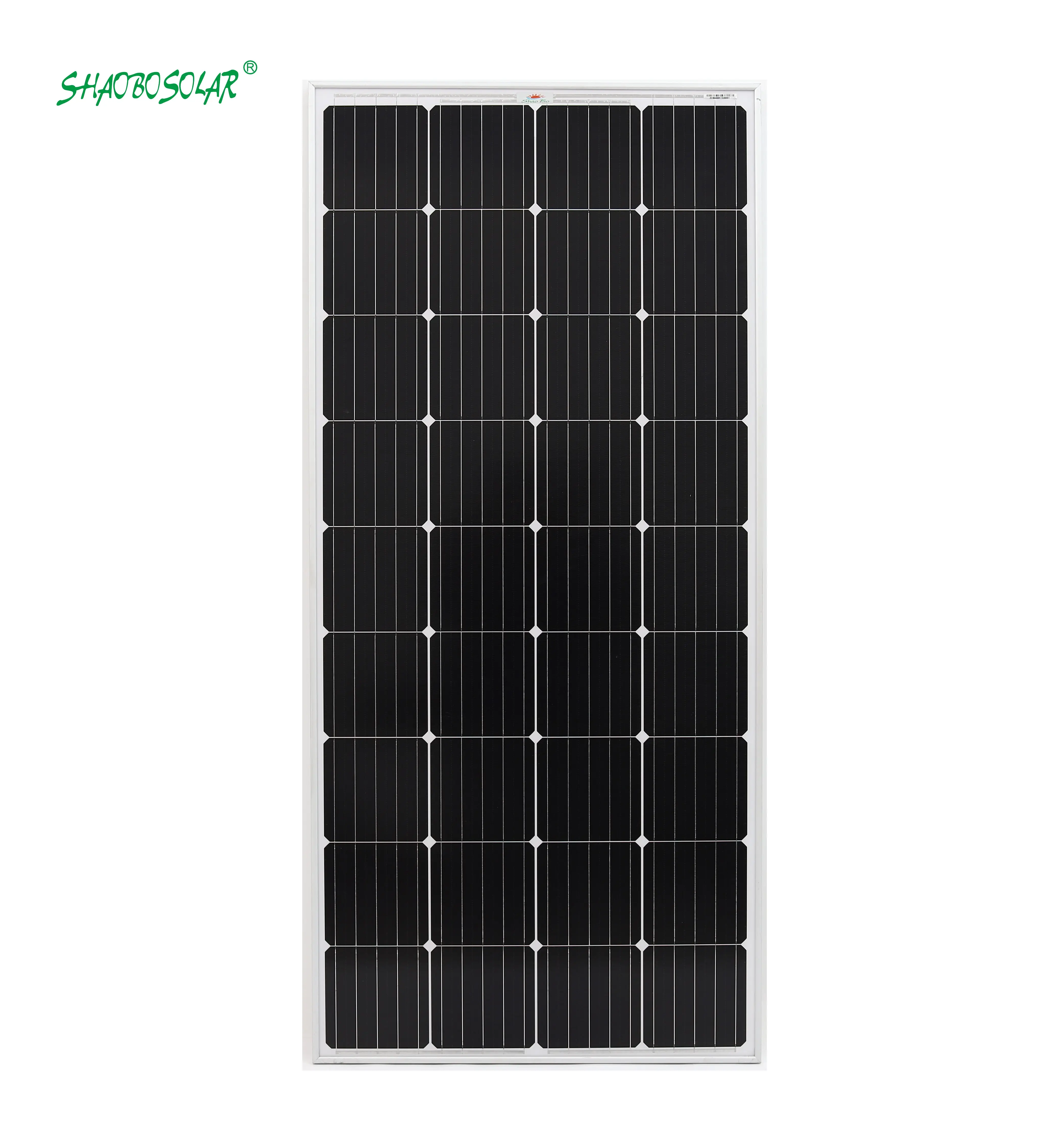
From 2013 to 2020, the market evolved toward larger installations. This period saw the introduction of the mono solar panel, allowing users to generate more power from smaller roof areas, which is critical in densely populated urban centers.

Since 2021, the integration of smart inverters and lithium-ion storage has transformed the industry, shifting the goal from simple electrification to full energy independence for SMEs and residential complexes.

Future Development Trends

Bifacial Technology Adoption

The next 3 years will see a rise in bifacial modules that capture sunlight from both sides, ideal for the sandy terrains and reflective rooftops common in coastal Bangladesh.

N-Type TOPCon Integration

Transitioning from P-type to N-type cells will significantly reduce degradation rates caused by the high humidity and salty air of the Bay of Bengal.

Smart Grid Decentralization

The movement toward "Micro-grids" will allow neighborhoods to share excess energy, optimizing the efficiency of every installed solar panels array.

Industry Trends and Future Outlook

Strategic forecasts for the Bangladeshi renewable energy sector.

Efficiency Maximization
Shift towards PERC and TOPCon cells to increase wattage per square meter in limited urban spaces.
Hybrid Storage Systems
Integration of Lithium Iron Phosphate (LiFePO4) batteries to handle Bangladesh's intermittent cloud cover.
Agricultural Integration
Developing Agrivoltaics to combine crop production with solar energy harvesting in rural farming zones.
Smart Monitoring
Deployment of IoT-based monitoring to track energy yield and perform predictive maintenance in real-time.

Industry Outlook

Based on Google search trends in South Asia, there is a surging interest in "Net Metering" in Bangladesh, indicating that consumers are moving toward selling excess energy back to the national grid.

The synergy between government incentives and lower manufacturing costs is expected to drive a 15% CAGR in the residential sector, making the house solar power system the standard for new construction.

Localized Application Scenarios in Bangladesh

Real-world implementations of solar technology across different Bangladeshi terrains.

01. Urban Residential Rooftops in Dhaka

Utilizing high-density monocrystalline solar panels to provide electricity for air conditioning and lighting in space-constrained city apartments.

02. Rural Irrigation Systems in Rajshahi

Replacing expensive diesel pumps with solar-powered irrigation, significantly lowering operational costs for rice and mango farmers.

03. Off-grid Health Clinics in the Chittagong Hill Tracts

Implementing independent power hubs using the mono solar panel to ensure vaccine refrigeration and emergency lighting in remote areas.

04. Textile Factory Energy Offsetting in Gazipur

Installing large-scale industrial arrays to reduce the carbon footprint and electricity bills of the garment export industry.

05. Floating Solar Farms in Haor Wetlands

Leveraging the vast water bodies of the northeast to install solar arrays that save land and reduce water evaporation.

Brand Story

Global Development Journey of Hebei Shaobo Solar Technology Co., Ltd.

Foundational Excellence

Established with a vision to democratize clean energy, we started by optimizing the purity of silicon cells for extreme weather conditions.

Technological Breakthrough

We pioneered the transition to high-efficiency Mono-PERC technology, solving the pain point of low energy conversion in humid environments.

Global Expansion

Expanding our footprint across Asia, we tailored our products to meet the specific voltage and climate requirements of the Bangladesh market.

Quality Certification

Achieving international IEC and TUV standards to ensure that every panel delivered provides a 25-year reliable performance guarantee.

Future Commitment

Our mission is to lead the global transition to net-zero by providing the most durable and efficient photovoltaic components worldwide.

Frequently Asked Questions for Bangladesh Solar Users

Expert answers to the most common technical and commercial queries.

Which is better for Dhaka homes: monocrystalline or polycrystalline solar panels?

For urban homes with limited roof space, monocrystalline solar panels are superior due to their higher efficiency and better performance in high-temperature environments.

How does the monsoon season affect a house solar power system in Bangladesh?

While output drops during heavy rain, a well-designed system with adequate battery storage ensures continuous power. Our panels feature IP68 waterproofing to prevent moisture ingress.

Can a mono solar panel operate efficiently in cloudy weather?

Yes, modern mono-crystalline cells are designed to capture a wider spectrum of light, allowing them to generate power even during overcast conditions typical of the rainy season.

What is the average lifespan of solar panels installed in coastal Bangladesh?

Our panels are designed for 25+ years of service. For coastal areas, we use anti-corrosive frames to resist salt-mist degradation.

Are polycrystalline solar panel options still viable for rural farms?

Yes, they remain a cost-effective choice for large-scale rural installations where land is abundant and the primary goal is lowering initial CAPEX.

How to maintain solar panels to avoid dust buildup in Bangladesh?

We recommend cleaning panels with water every two weeks during the dry season to remove dust and smog, which can otherwise reduce efficiency by up to 15%.

Ready to Switch to Solar?

Get a customized energy consultation for your project in Bangladesh today.

Contact Us Now

If you are interested in our products, you can choose to leave your information here, and we will be in touch with you shortly.