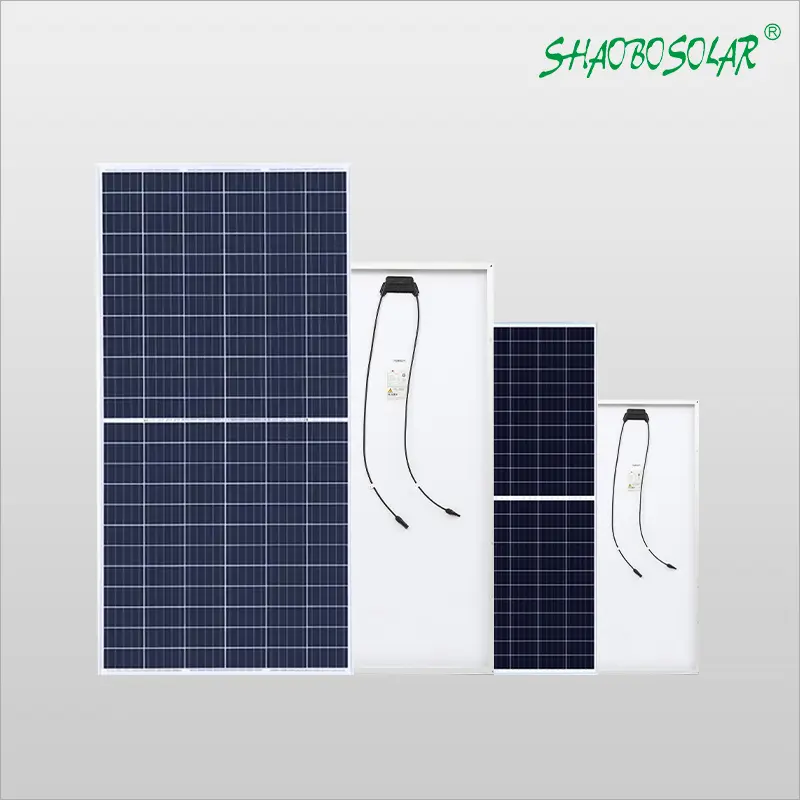
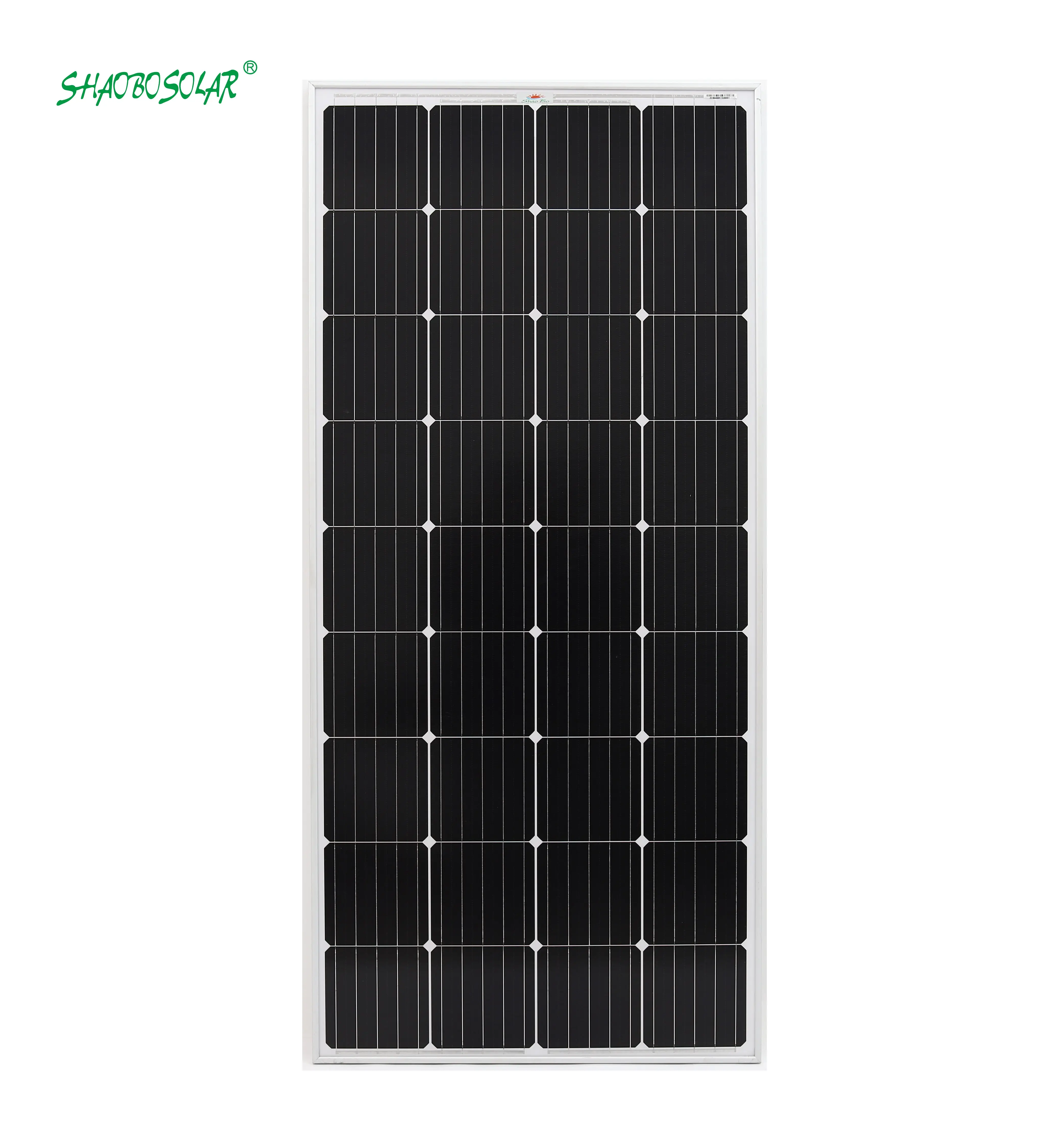
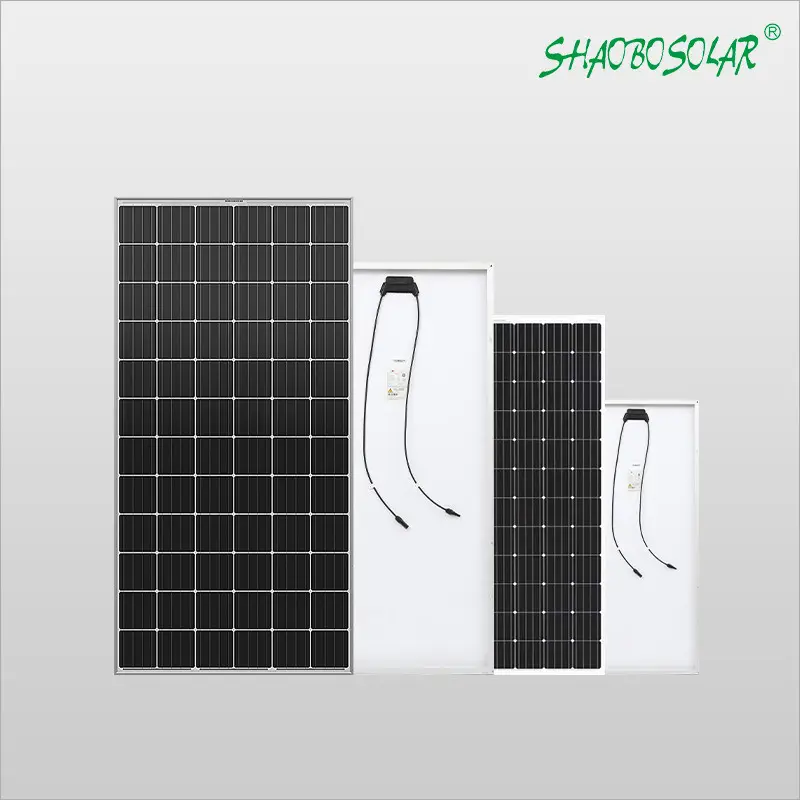
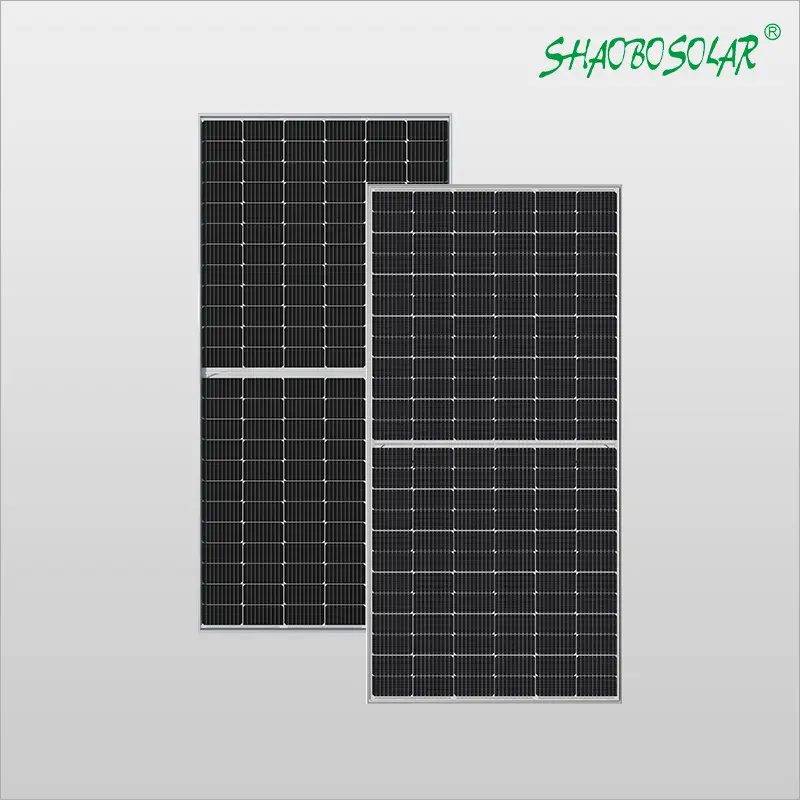
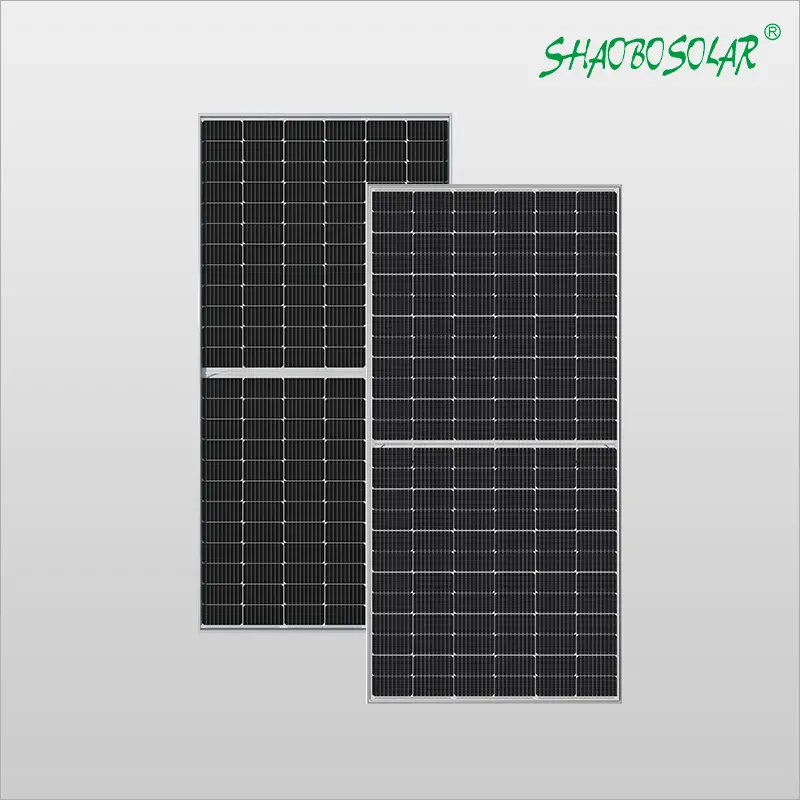
Premium house solar power system Solutions for Thailand

Premium house solar power system Solutions for Thailand

Premium house solar power system Solutions for Thailand

Empowering Thai homes and industries with high-efficiency photovoltaic technology to combat rising electricity costs and tropical heat.

Premium house solar power system Solutions for Thailand

We provide cutting-edge solar energy integration specifically engineered for the humid and high-temperature climate of Thailand, ensuring maximum energy yield and long-term durability.

Solar Energy Landscape in Thailand

Analyzing the adoption of photovoltaic technology in Southeast Asia's energy hub.

Thailand's geography, characterized by intense solar radiation throughout the year, makes it an ideal market for solar panels. However, the high humidity and seasonal monsoon rains present unique engineering challenges, requiring modules with superior moisture resistance and PID-free certifications to prevent degradation.

Economically, the Thai government's push toward "Alternative Energy Development Plans" has accelerated the shift from centralized power to distributed generation. This has led to a surge in the demand for monocrystalline solar panels due to their higher efficiency in limited roof spaces common in urban Bangkok.

Currently, the market is transitioning from simple grid-tied setups to sophisticated energy storage systems. This evolution is driven by the need for energy security in rural areas and the desire for cost-reduction in the industrial sectors of the Eastern Economic Corridor (EEC).
Evolution of Solar Technology in Thailand

From basic energy capture to intelligent power management.

Market Development History

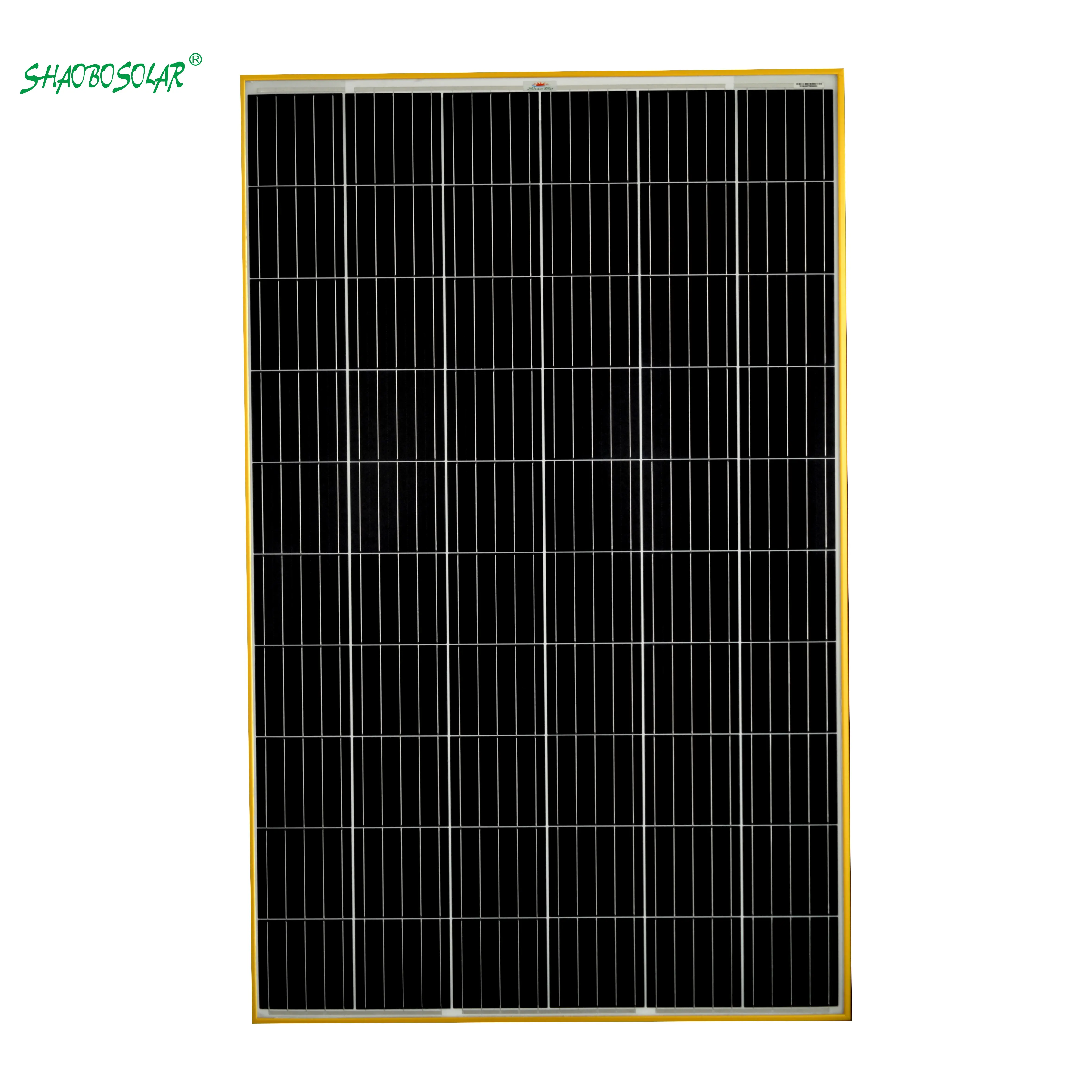
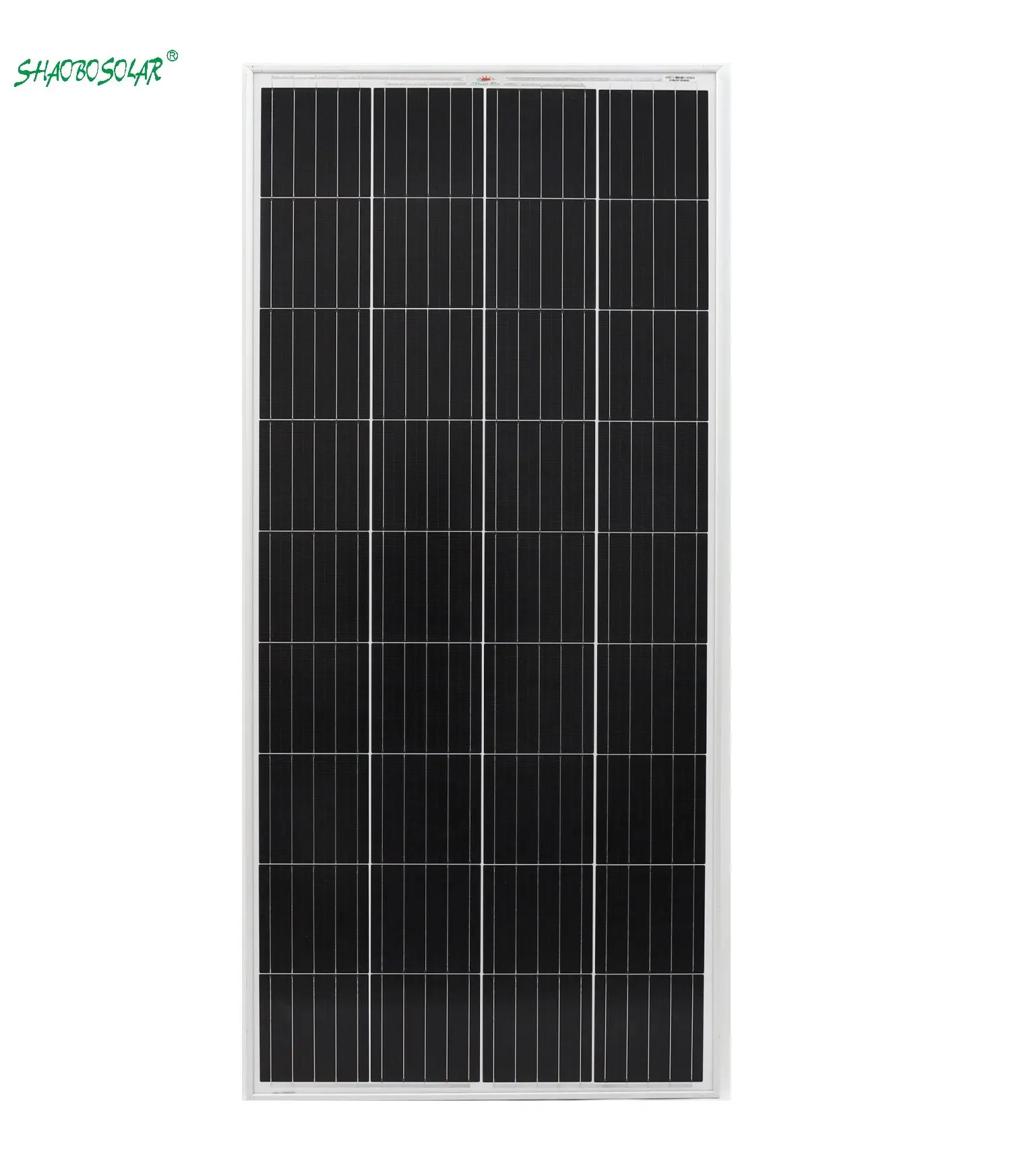
Between 2010 and 2015, the Thai market was dominated by polycrystalline solar panel installations. These were favored for their lower initial cost, though they struggled with efficiency losses during Thailand's peak summer heat waves.

From 2016 to 2020, a technical pivot occurred. The introduction of PERC technology made the mono solar panel the new industry standard, offering significantly better performance in low-light conditions and higher wattage per square meter.

Since 2021, the focus has shifted toward "Smart Solar." The integration of AI-driven inverters and lithium-battery storage has transformed standalone panels into comprehensive energy ecosystems for residential and commercial use.

Future Development Trends

N-Type TopCon Dominance

We predict a total shift toward N-type cells which offer lower degradation rates and higher efficiency, specifically tailored for the harsh UV exposure in Southeast Asia.

BIPV Integration

Building-Integrated Photovoltaics will become standard in New Bangkok architecture, replacing traditional roofing materials with solar-active glass and tiles.

V2H (Vehicle-to-Home) Ecosystems

As EV adoption grows in Thailand, solar systems will evolve to act as bidirectional hubs, charging cars by day and powering homes by night.

Industry Trends and Future Outlook

Strategic directions for the Thai photovoltaic sector over the next 5 years.

High-Temperature Resilience
Development of modules with lower temperature coefficients to maintain output during 40°C+ Thai summers.
Hybrid Storage Scaling
Integrating larger LFP battery arrays to ensure 24/7 power autonomy for remote Thai resorts.
AI Energy Optimization
Implementing AI to predict cloud cover and optimize energy discharge for Thai industrial parks.
Agrivoltaic Expansion
Combining solar power with Thailand's agriculture, providing shade for crops while generating electricity.

Industry Outlook

Google search trends in Thailand show a significant increase in queries related to "net metering" and "solar battery cost," indicating a move toward consumer empowerment and self-sufficiency.

The future points toward a decentralized grid where the synergy between high-efficiency modules and smart software reduces the carbon footprint of the Thai manufacturing sector while slashing operational costs.

Localized Solar Applications in Thailand

Real-world deployment scenarios across the Kingdom of Thailand.

01. Bangkok Urban Residential Roofs

Utilizing high-density monocrystalline solar panels to maximize power generation on compact city rooftops where space is at a premium.

02. Phuket & Samui Luxury Resorts

Implementing large-scale hybrid systems to power air conditioning and pool heating, ensuring a sustainable luxury experience for international tourists.

03. Central Plains Agricultural Hubs

Deploying solar-powered irrigation pumps to reduce diesel dependency for rice and sugarcane farmers in the Chao Phraya basin.

04. EEC Industrial Factories

Installing massive rooftop arrays to meet ESG targets and reduce peak-hour electricity tariffs for automotive and electronics plants.

05. Remote Northern Highland Villages

Providing off-grid energy independence using ruggedized solar kits to bring electricity to underserved mountain communities.

Brand Story

Global Development History of Hebei Shaobo Photovoltaic Technology Co., Ltd.

Foundational Innovation

Established with a mission to solve the efficiency bottleneck in early silicon wafers, focusing on pure crystalline purity.

Manufacturing Excellence

Developed automated production lines that reduced waste and increased the stability of high-wattage modules.

Global Market Expansion

Extended our reach to Southeast Asia, specifically optimizing products for tropical climates like Thailand's.

R&D Breakthroughs

Pioneered advanced encapsulation techniques to prevent PID and moisture ingress in high-humidity environments.

Sustainable Future Vision

Committed to leading the global transition to carbon neutrality through accessible, high-performance solar technology.

Thai Solar Market FAQ

Expert answers to common questions about solar installation in Thailand.

Which is better for Thailand: monocrystalline or polycrystalline solar panels?

For most Thai users, monocrystalline is superior due to higher efficiency and better performance in high-temperature environments, although polycrystalline remains a budget-friendly option for large rural areas.

How much can a house solar power system reduce my monthly PEA bill?

Depending on the system size and energy consumption, Thai homeowners often see a reduction of 30% to 70% in their monthly electricity bills, especially during peak summer months.

Do mono solar panel systems require special maintenance during the monsoon season?

Regular cleaning is recommended after heavy rains to remove debris. Our panels feature hydrophobic coatings to ensure water slides off easily, preventing grime buildup.

What is the typical lifespan of solar panels installed in tropical climates?

Our high-grade modules are designed for 25-30 years of service, with a guaranteed linear power output even after two decades of exposure to intense UV radiation.

Can I integrate battery storage with my existing solar array in Thailand?

Yes, by upgrading to a hybrid inverter, you can add lithium-ion storage to save excess energy generated during the day for use at night or during power outages.

What certifications should I look for when buying solar equipment in Asia?

Look for TUV, CE, and IEC certifications, as well as specific certifications for PID resistance and salt-mist corrosion, which are critical for coastal areas in Thailand.

Ready to Switch to Clean Energy?

Consult with our technical experts today to design the perfect solar solution for your property in Thailand.

Contact Us Now

If you are interested in our products, you can choose to leave your information here, and we will be in touch with you shortly.