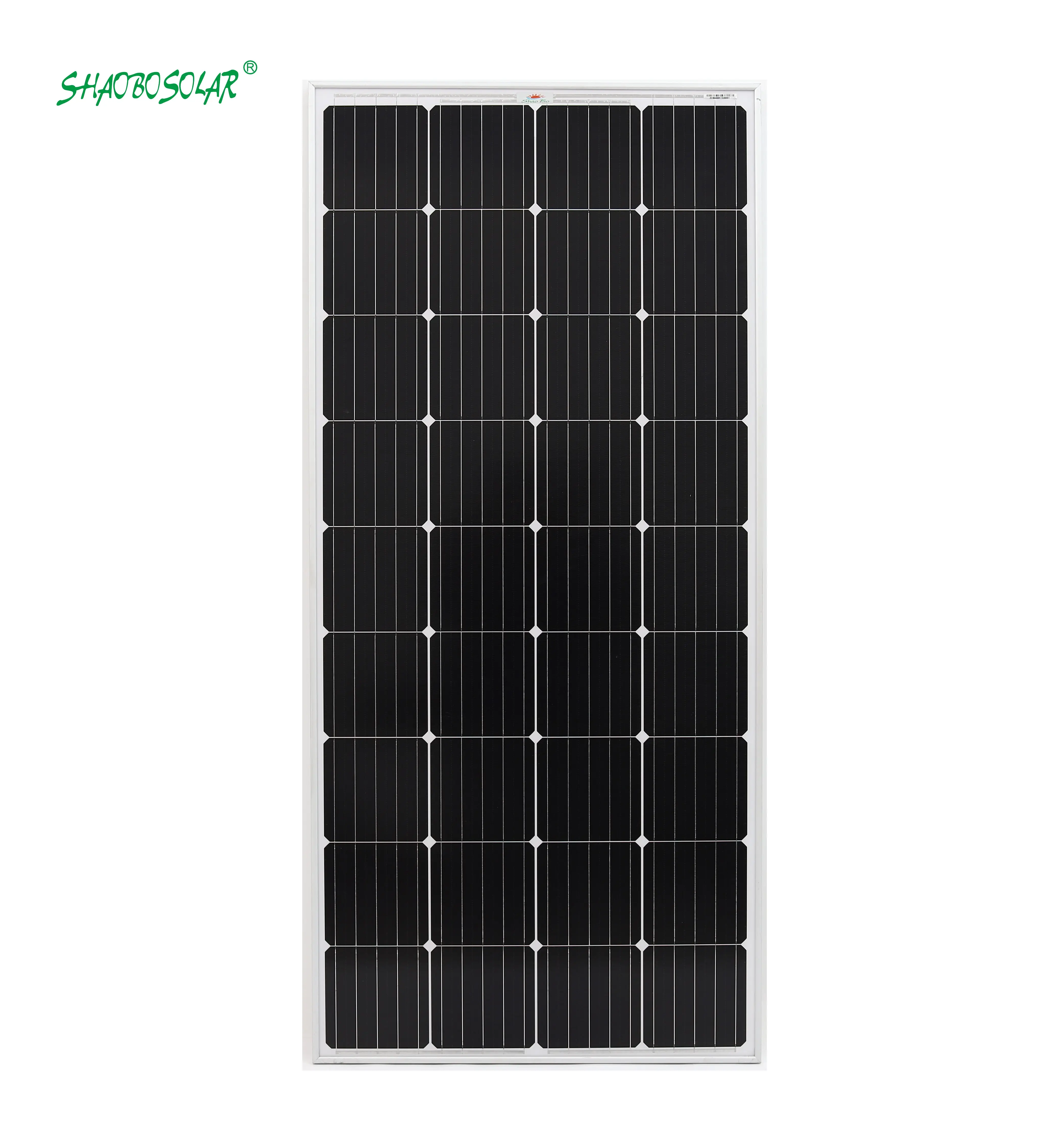
Premium house solar power system for Mauritius Residents

Premium house solar power system for Mauritius Residents

Premium house solar power system for Mauritius Residents

Empowering the Island Nation with high-efficiency photovoltaic solutions tailored for tropical maritime climates.

Premium house solar power system for Mauritius Residents

Integrating advanced semiconductor technology to provide sustainable energy independence for households across Mauritius, ensuring stability against fluctuating electricity costs.

Current State of Solar Adoption in Mauritius

Analyzing the intersection of tropical geography and renewable energy transition.

Mauritius possesses an exceptional geographic advantage with high annual solar irradiance. However, the reliance on imported fossil fuels has historically made energy expensive. Currently, there is a rapid shift toward solar panels as the government pushes for a 60% renewable energy mix by 2030.

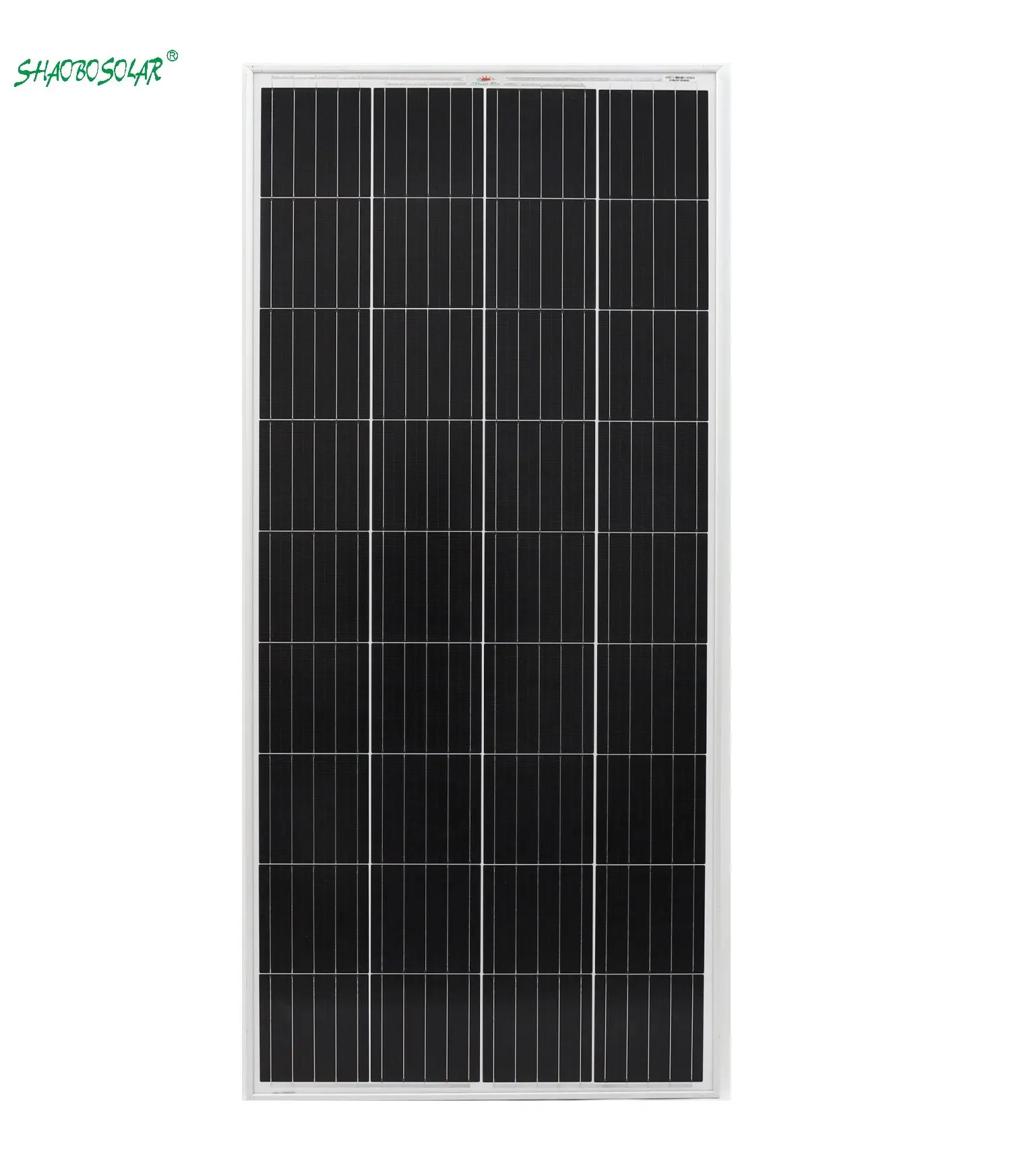
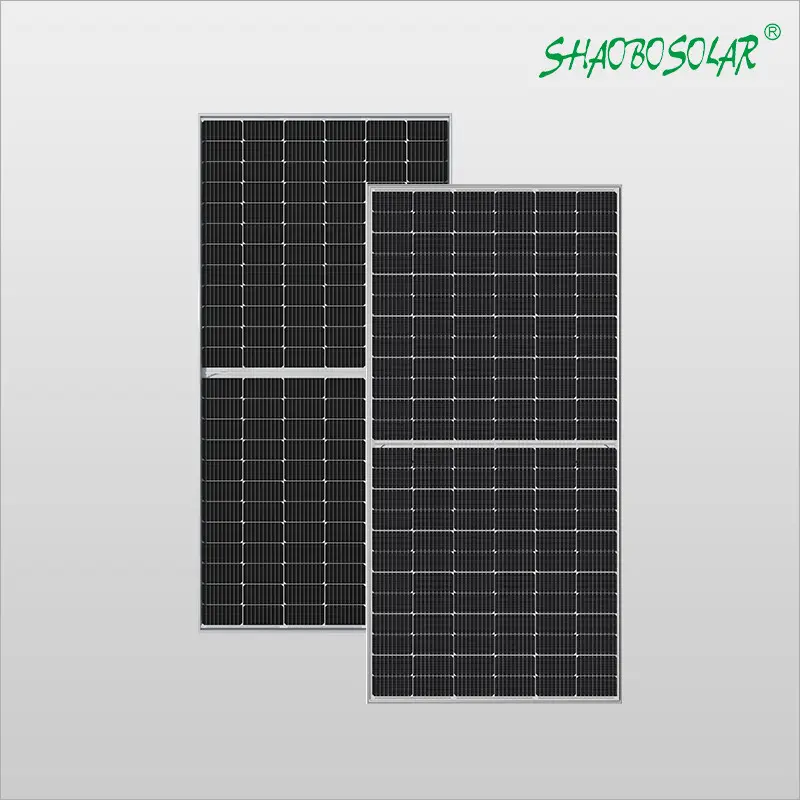
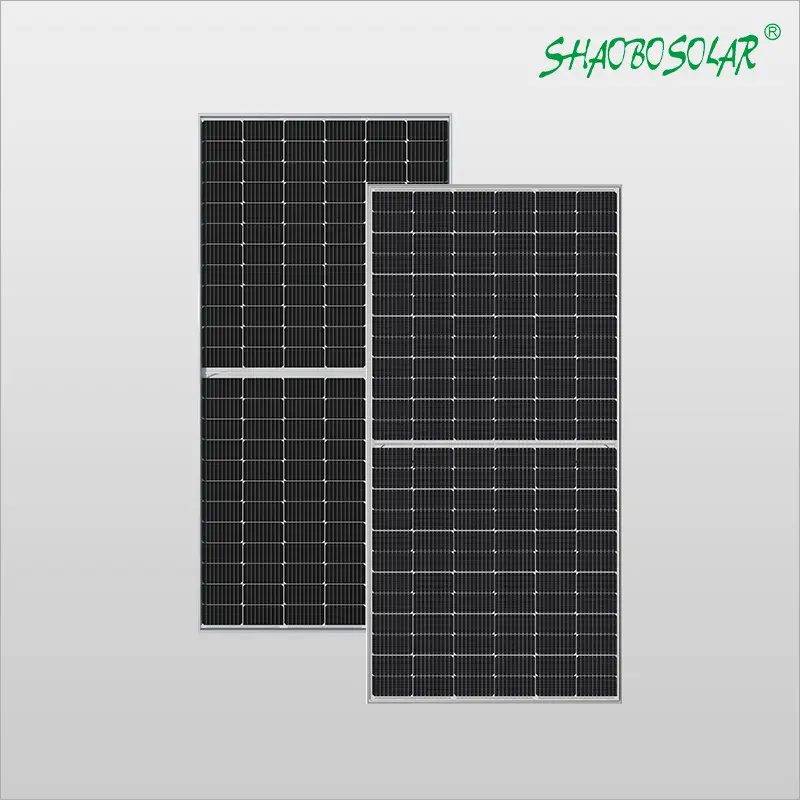
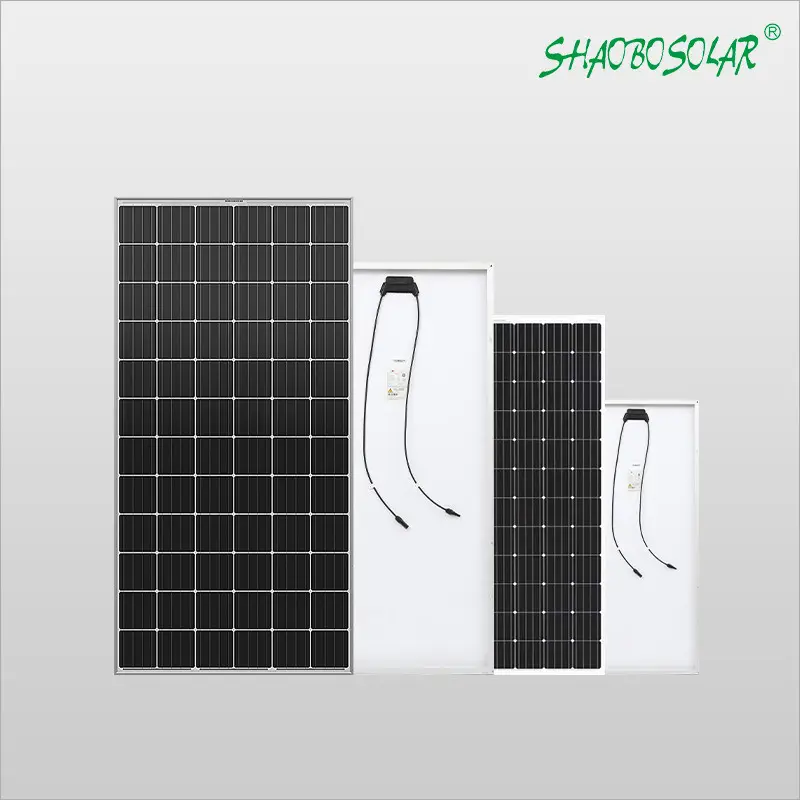
The local market is seeing a surge in demand for monocrystalline solar panels due to their higher efficiency in limited rooftop spaces. The salt-mist environment of the coast, however, requires specialized anti-corrosive framing and high-grade tempered glass to prevent degradation.

Despite the growth, many residents still struggle with the initial capital expenditure. This has led to an increase in hybrid systems that combine grid-tie capabilities with battery storage to handle the intermittent nature of cloud cover during the cyclone season.
Evolution of Photovoltaic Technology in Mauritius

From basic power generation to intelligent energy management.

Market Development History

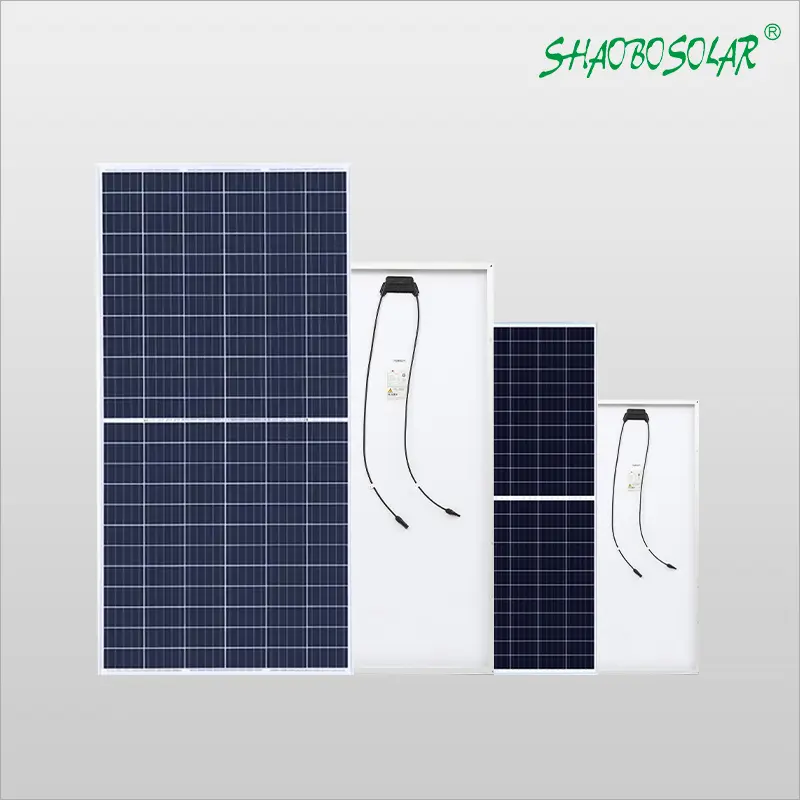
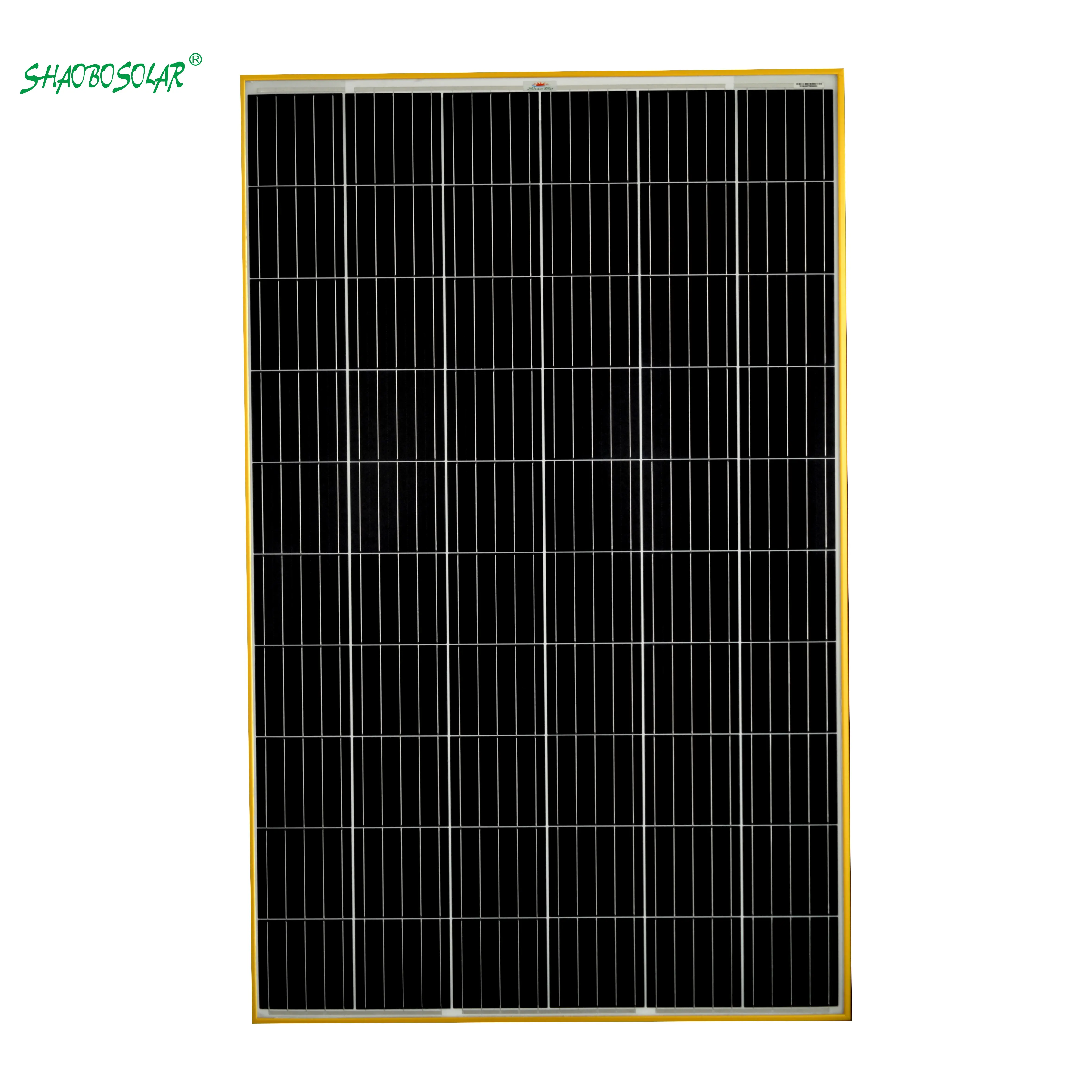
Between 2010 and 2015, the Mauritian market was dominated by polycrystalline solar panel installations. These provided a cost-effective entry point for rural electrification but suffered from lower efficiency and higher temperature coefficients in the tropical heat.

From 2016 to 2021, a significant technological pivot occurred. The introduction of PERC (Passivated Emitter and Rear Cell) technology made the mono solar panel the industry standard, offering significantly better performance in low-light conditions during the rainy season.

Since 2022, the focus has shifted from simple panel installation to integrated "Smart Energy" ecosystems, where AI-driven inverters optimize the power flow between the roof and the domestic grid.

Future Development Trends

N-Type TOPCon Integration

The transition from P-type to N-type cells will reduce LID (Light Induced Degradation), extending the lifespan of installations in the humid Mauritian atmosphere.

Bifacial Module Adoption

Utilizing reflective surfaces on ground-mounted arrays to capture albedo radiation, increasing total energy yield per square meter.

V2H (Vehicle-to-Home) Synergy

Integrating electric vehicle batteries into the home power loop to act as a giant backup reservoir during power outages caused by severe weather.

Industry Outlook and Strategic Forecast

Predicting the trajectory of solar energy based on global trends and local needs.

Efficiency Breakthroughs
Shift toward HJT and TOPCon cells to maximize energy harvest in Mauritius' limited urban spaces.
Storage Decentralization
Widespread adoption of LiFePO4 batteries to reduce grid dependence during peak demand.
Climate Resilience
Development of reinforced mounting structures to withstand Category 4+ cyclone winds.
Smart Grid Integration
Implementation of Net-Metering and peer-to-peer energy trading among neighbors.

Industry Outlook

Based on current Google search trends in Africa, there is a significant increase in queries regarding "off-grid stability" and "long-term solar ROI." This indicates that the Mauritian consumer is moving from a "trend-following" phase to a "value-calculating" phase, demanding higher warranties and proven durability.

The next 3-5 years will likely see the dominance of high-density monocrystalline solar panels combined with integrated software that allows homeowners to track their carbon footprint and energy savings in real-time via mobile applications.

Localized Solar Applications in Mauritius

Practical deployments across diverse Mauritian landscapes.

01. Coastal Villa Energy Independence

Implementation of corrosion-resistant solar panels on luxury beachfront properties to power air conditioning and desalination units while resisting salt-air erosion.

02. Agricultural Irrigation Automation

Using ground-mounted solar arrays to power water pumps for sugarcane and vegetable farms, reducing the cost of diesel-powered irrigation.

03. Urban Residential Retrofitting

Converting existing concrete rooftops in Port Louis into energy hubs using a compact house solar power system to lower peak-hour electricity bills.

04. Eco-Tourism Resort Powering

Deploying large-scale solar parks for sustainable resorts, blending aesthetics with high-efficiency mono solar panel technology to attract green travelers.

05. Rural Community Lighting

Installing decentralized solar micro-grids in remote hilly regions to provide stable lighting and refrigeration for local clinics.

Brand Story

Global Development History of Hebei Shaobo Photovoltaic Technology Co., Ltd.

Foundational Engineering

Starting as a specialized manufacturer of high-purity silicon wafers, we focused on solving the core problem of cell efficiency degradation.

Global Market Expansion

We expanded our reach to the African market, adapting our product lines to withstand high-temperature and high-humidity environments.

R&D Innovation Peak

Developed advanced anti-PID (Potential Induced Degradation) technology, specifically for coastal regions like Mauritius.

Sustainable Ecosystems

Shifted from selling individual components to providing complete "Turnkey" solar solutions for residential and industrial sectors.

Vision 2030

Leading the transition toward 100% clean energy by integrating AI-managed solar assets for a greener planet.

Common Solar Energy Questions in Mauritius

Expert answers to help you navigate your solar transition.

Which is better for Mauritius: monocrystalline solar panels or polycrystalline?

Due to the high temperatures and often limited roof space in urban areas, monocrystalline solar panels are generally better as they have a higher efficiency and a better temperature coefficient.

How does a house solar power system handle cyclone-force winds?

Professional systems use reinforced aluminum rails and stainless steel fasteners. We recommend mounting systems specifically rated for high-wind zones to ensure safety during cyclone seasons.

Will salt air from the ocean damage my mono solar panel?

Salt-mist corrosion can be an issue. However, using high-grade anodized aluminum frames and IP68-rated junction boxes ensures your mono solar panel remains durable in coastal environments.

What is the average ROI for solar panels in the Mauritian market?

Depending on energy consumption and government incentives, most residential systems achieve a return on investment within 4 to 7 years through significant reductions in monthly utility bills.

Can I still use a polycrystalline solar panel for low-budget projects?

Yes, a polycrystalline solar panel is a viable option for large-scale ground mounts where space is not a constraint and the initial budget is limited.

How often should solar installations be cleaned in Mauritius?

Due to dust and salt deposits, we recommend a light cleaning every 3-6 months to maintain maximum light absorption and system efficiency.

Get Your Custom Solar Quote

Ready to switch to clean energy? Our experts are helping homeowners across Mauritius optimize their energy independence.

Contact Us Now

If you are interested in our products, you can choose to leave your information here, and we will be in touch with you shortly.