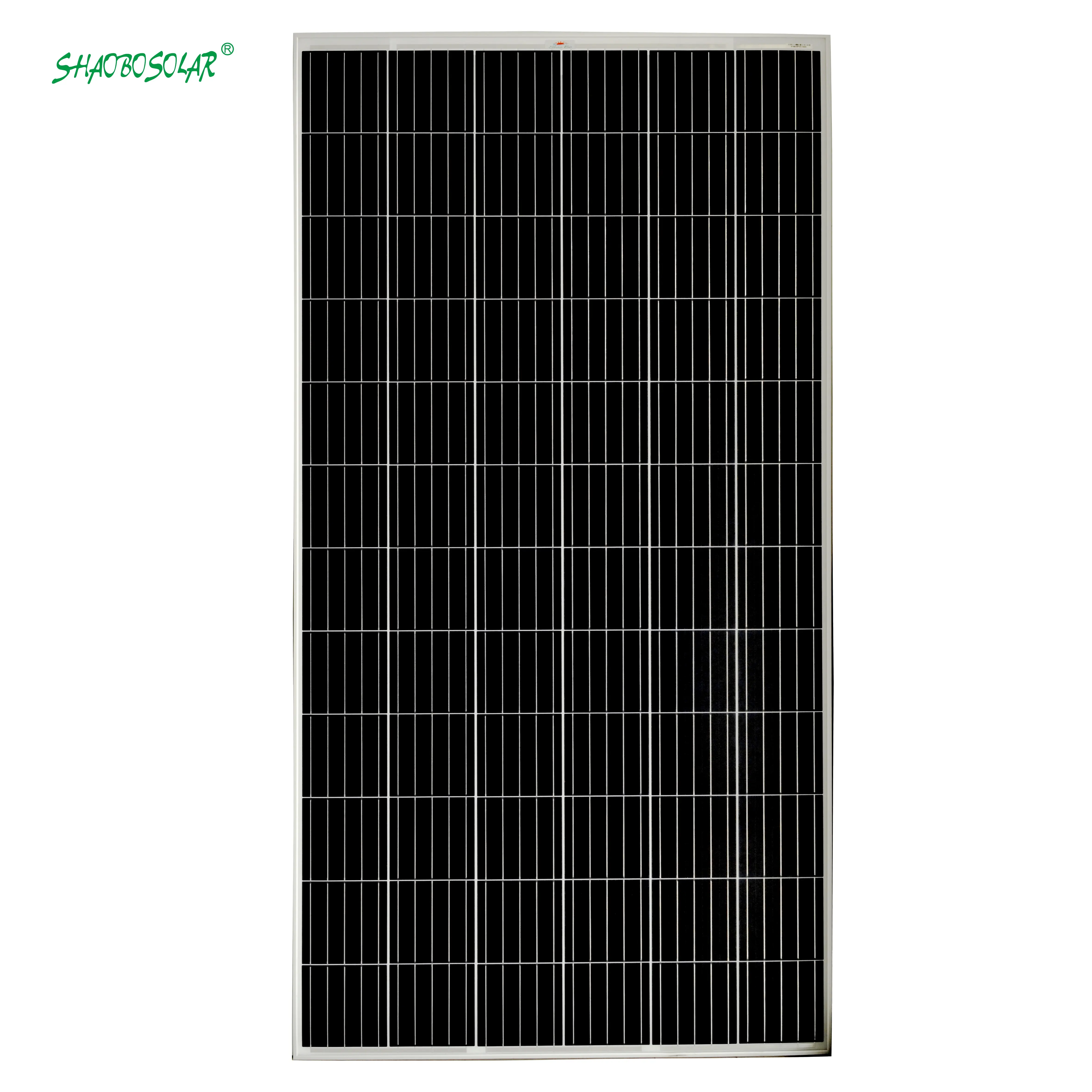
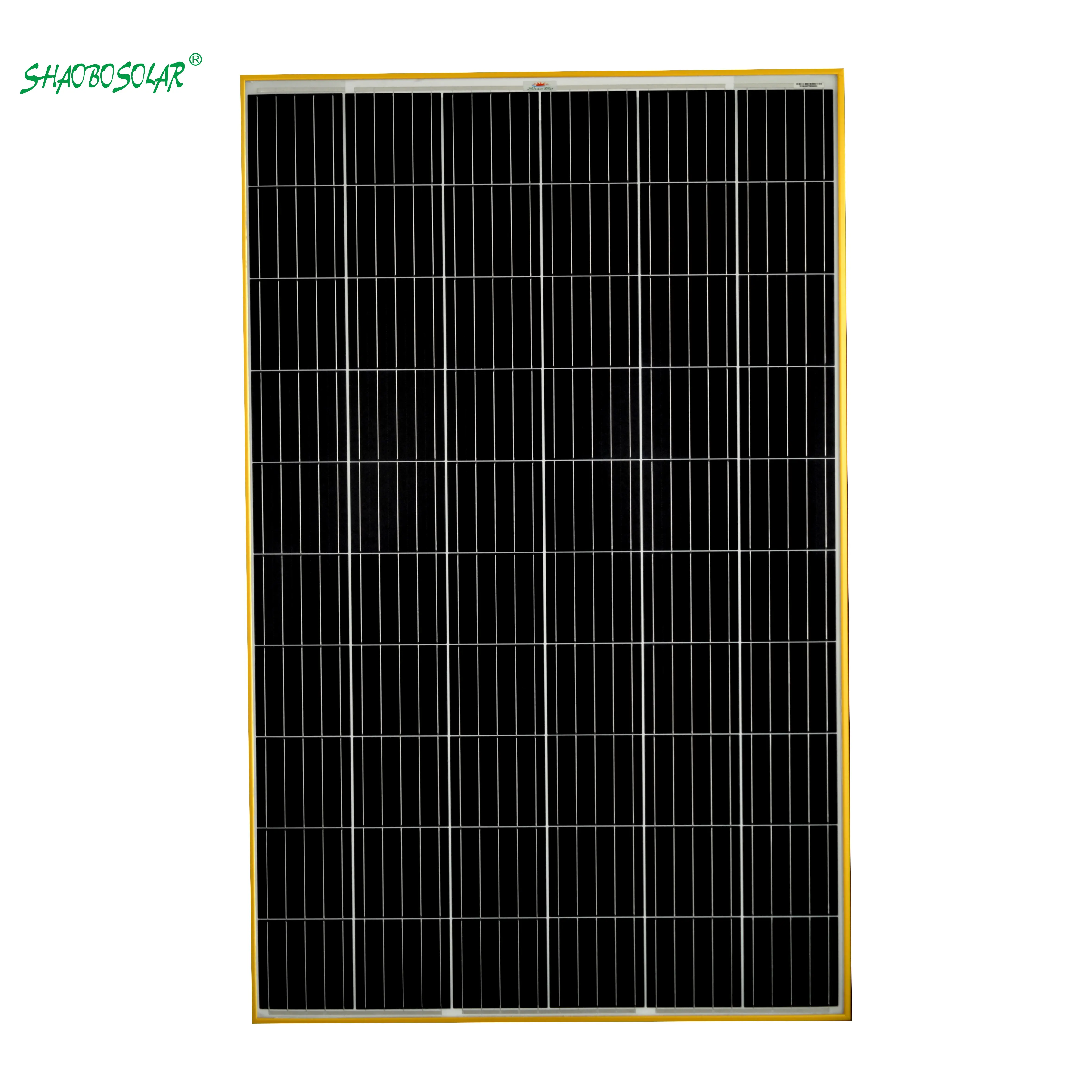
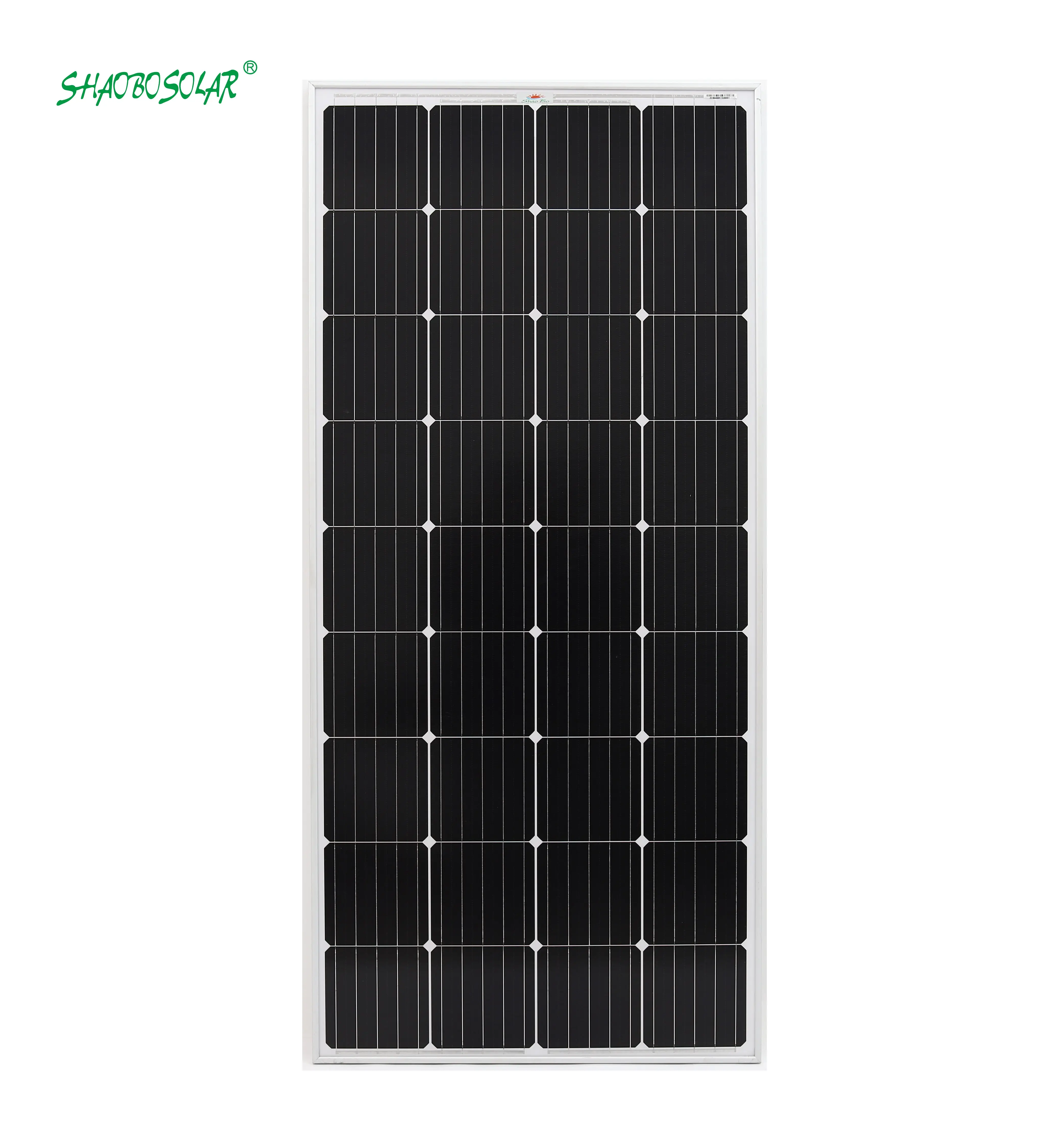
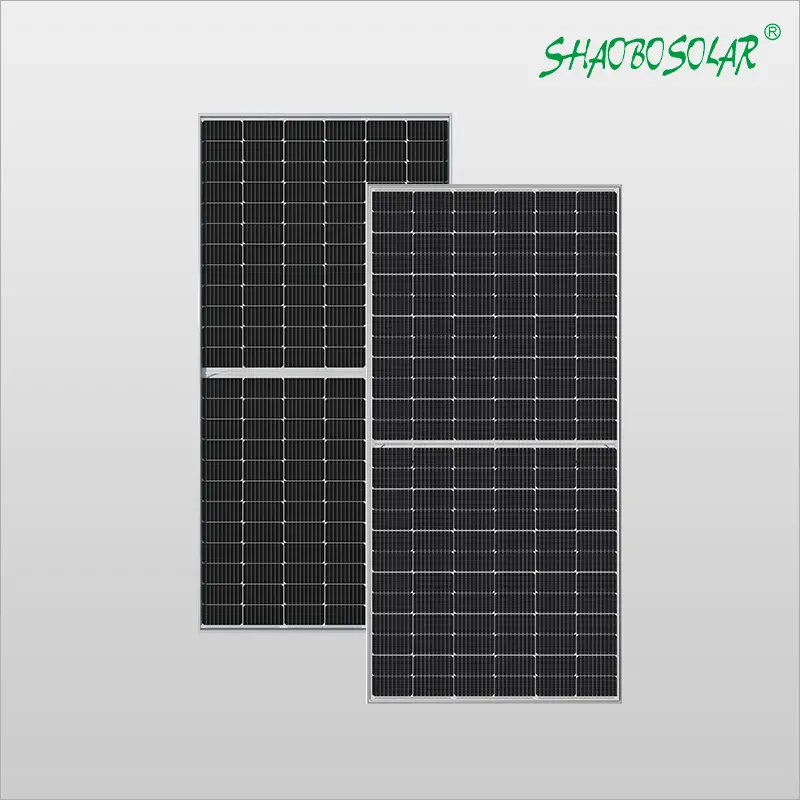
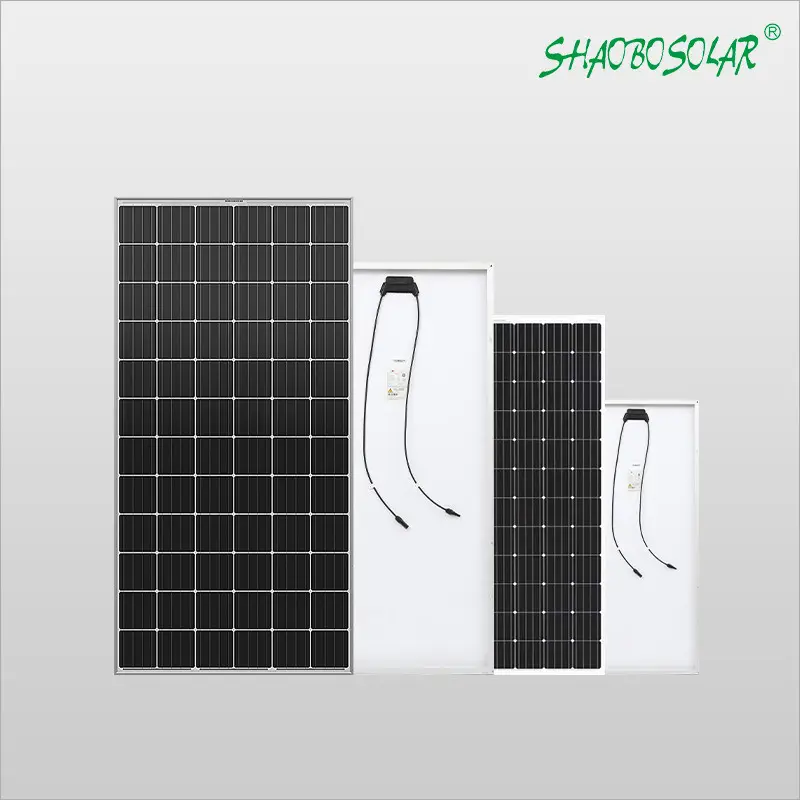
HighEfficiency monocrystalline solar panels Solutions for Germany

HighEfficiency monocrystalline solar panels Solutions for Germany

High-Efficiency monocrystalline solar panels Solutions for Germany

Engineering sustainable energy independence for German households and industries with cutting-edge photovoltaic technology tailored for Central European climates.

High-Efficiency monocrystalline solar panels Solutions for Germany

Providing Germany's transition to Energiewende with premium solar modules that maximize energy yield even during low-light winter months.

The Solar Landscape in Germany

Analyzing the integration of photovoltaic systems within the German economic and climatic framework.

Germany stands as a global pioneer in solar adoption, driven by the ambitious "Energiewende" policy. However, the geographical challenge lies in the seasonal variance of irradiance. To combat this, the demand for high-efficiency solar panels has shifted toward technologies that perform reliably under diffuse light conditions typical of Northern Europe.

The German market is characterized by a high density of residential installations. A modern house solar power system in Germany now typically integrates smart energy management and battery storage to mitigate the volatility of the grid and maximize self-consumption during the shorter daylight hours of winter.

Economically, the shift from feed-in tariffs to self-consumption models has pushed manufacturers to optimize the Levelized Cost of Energy (LCOE). This has led to a dominant preference for high-density cells that maximize the limited roof space available in traditional German urban and suburban architecture.
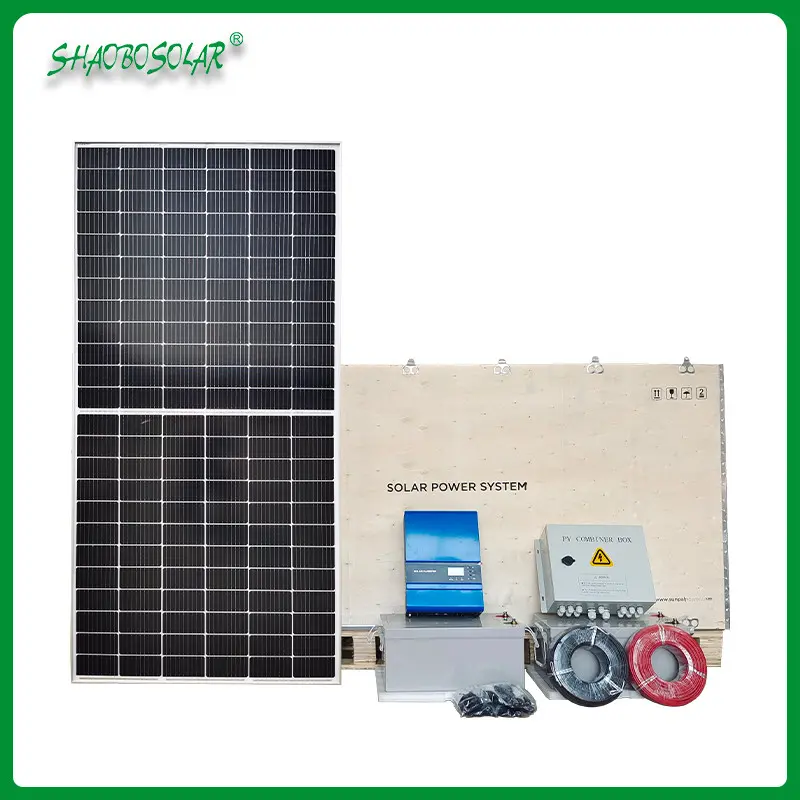
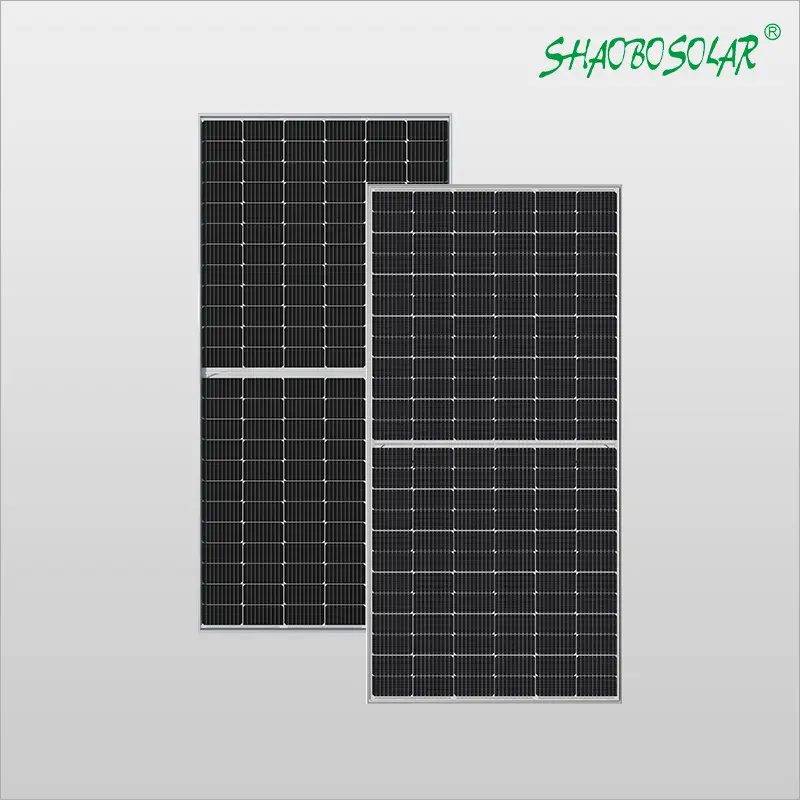
Evolution of Photovoltaic Technology

From early silicon wafers to the current era of high-efficiency N-type cells.

Market Development History

In the early 2000s, the German market was dominated by polycrystalline solar panel options due to their lower production costs. These modules provided the initial scale needed for the rapid expansion of solar parks across Bavaria and Baden-Württemberg.

By 2012-2015, a significant technical pivot occurred. The industry shifted toward the mono solar panel due to its superior purity and efficiency. This transition allowed homeowners to generate more power from smaller roof areas, aligning with the increasing cost of installation labor in Germany.

From 2018 to the present, the focus has evolved from simple power generation to systemic optimization. The introduction of PERC (Passivated Emitter and Rear Cell) technology and half-cut cell designs has significantly reduced efficiency losses caused by shading and heat, which is critical for the varied roof angles found in Germany.

Future Development Trends

TOPCon and HJT Integration

The next 3 years will see a mass migration to Tunnel Oxide Passivated Contact (TOPCon) and Heterojunction (HJT) technologies, pushing commercial efficiency beyond 22%.

BIPV (Building Integrated Photovoltaics)

Following Google search trends for "sustainable architecture Germany," we predict a rise in solar facades and solar roof tiles that blend seamlessly into historic German building aesthetics.

AI-Driven Energy Orchestration

The evolution of the house solar power system will move toward AI-managed ecosystems that predict weather patterns to optimize battery charging and EV discharging.

Industry Trends and Future Outlook

Navigating the future of renewable energy components in the European market.

Higher Conversion Rates
Transitioning to N-type cells to maximize energy harvest during the low-angle winter sun of Germany.
Smart Grid Synergy
Integration with Virtual Power Plants (VPP) to allow German households to sell excess power dynamically.
Circular Economy
Implementation of EU-compliant recycling protocols for end-of-life silicon modules.
Durability Enhancement
Development of glass-glass modules to withstand heavy snowfall and hail in the Alpine regions.

Industry Outlook

The trajectory of the German solar market is moving toward "Total Energy Autonomy." We anticipate that the combination of high-efficiency monocrystalline cells and long-duration energy storage will make the traditional power grid a secondary backup for many residential areas.

Furthermore, the push for "Made in Europe" supply chains will drive innovation in automated manufacturing, reducing the carbon footprint of the modules themselves, thus fulfilling the strict ESG requirements of German industrial clients.

Localized Application Scenarios in Germany

Tailored solar solutions for Germany's unique architectural and climatic requirements.

1. Residential Rooftops in Suburban Bavaria

Utilizing high-density monocrystalline solar panels to maximize energy capture on steeply pitched roofs, integrated with heat pumps for sustainable home heating.

2. Industrial Warehouses in North Rhine-Westphalia

Large-scale deployment of mono-facial and bi-facial modules to power heavy machinery, significantly reducing operational costs for mid-sized "Mittelstand" manufacturers.

3. Agri-PV Systems in Lower Saxony

Implementing elevated solar arrays that allow simultaneous crop cultivation and energy generation, optimizing land use efficiency in agricultural hubs.

4. Urban Balcony Power Plants (Balkonkraftwerk) in Berlin

Compact, plug-and-play systems using a single mono solar panel to offset basic appliance electricity for apartment dwellers.

5. Remote Alpine Cabins in the Black Forest

Off-grid house solar power system configurations with oversized battery banks to ensure power reliability during heavy snowfall periods.

Brand Story

Global Development Journey of Hebei Shaobo Solar Technology Co., Ltd.

Foundational Excellence

Established with a vision to democratize clean energy, we started by mastering the precision manufacturing of high-purity silicon wafers.

Technological Breakthrough

We solved the industry pain point of efficiency degradation by developing proprietary cell passivation techniques, enhancing low-light performance.

European Market Entry

Recognizing the strict standards of the German market, we optimized our production lines to meet TUV and CE certifications for maximum reliability.

Sustainable Scaling

Expanded our global footprint by partnering with European installers to provide end-to-end solar solutions from cell to system.

Future Vision

Dedicated to leading the transition toward a carbon-neutral world through continuous R&D in perovskite-silicon tandem cells.

Comprehensive Solar Portfolio for the German Market

From residential kits to industrial-grade modules, engineered for European excellence.

Frequently Asked Questions in Germany

Expert answers to the most common technical and regulatory queries regarding PV systems.

What is the best efficiency for monocrystalline solar panels in Germany?

For the German climate, we recommend panels with an efficiency of 20-22%. Monocrystalline cells are superior as they maintain higher yields during the overcast days typical of the region.

How does a house solar power system perform during German winters?

While production drops in winter, modern systems using N-type cells and optimizers can still generate significant power from diffuse light. Pairing them with storage ensures a steady energy supply.

Are polycrystalline solar panel options still viable for industrial use?

While they offer a lower initial cost, they are less space-efficient. For most German industrial projects, the long-term LCOE favor mono-crystalline technology due to higher energy density.

What is the typical lifespan of a mono solar panel installation?

Most premium modules are warrantied for 25 years, but typically maintain over 80% of their original efficiency for 30+ years, depending on the installation quality.

How do I choose the right solar panels for an old German building?

Focus on high-efficiency modules to maximize limited roof space and consider BIPV solutions if the building is under heritage protection laws.

What are the current subsidies for residential solar in Germany?

Subsidies have shifted toward VAT exemptions (0% VAT on some systems) and low-interest loans from KfW, encouraging higher self-consumption rates.

Ready to Power Your Future?

Contact our engineering team for a customized photovoltaic consultation tailored to the specific energy needs of your business or home in Germany.

Contact Us Now

If you are interested in our products, you can choose to leave your information here, and we will be in touch with you shortly.