
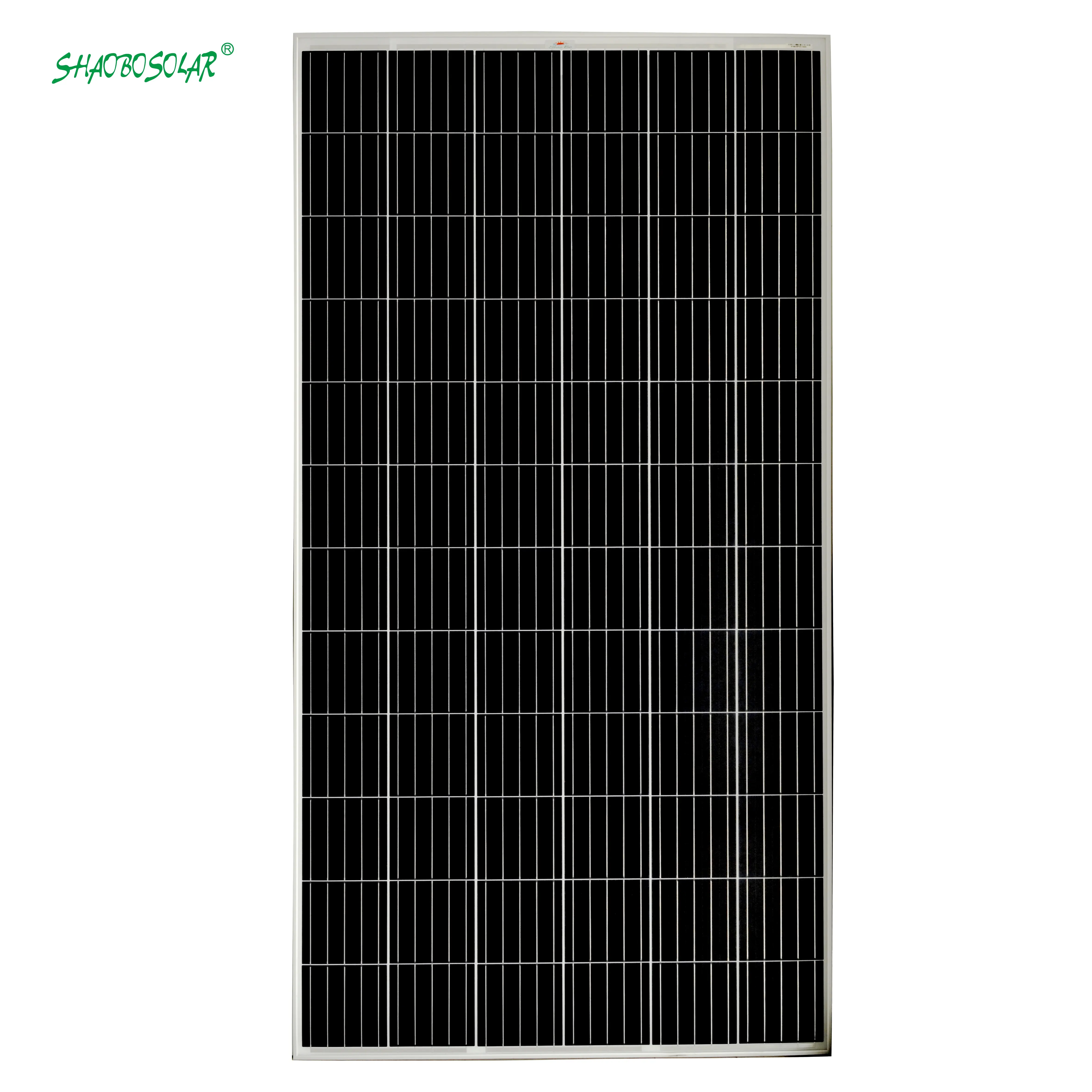
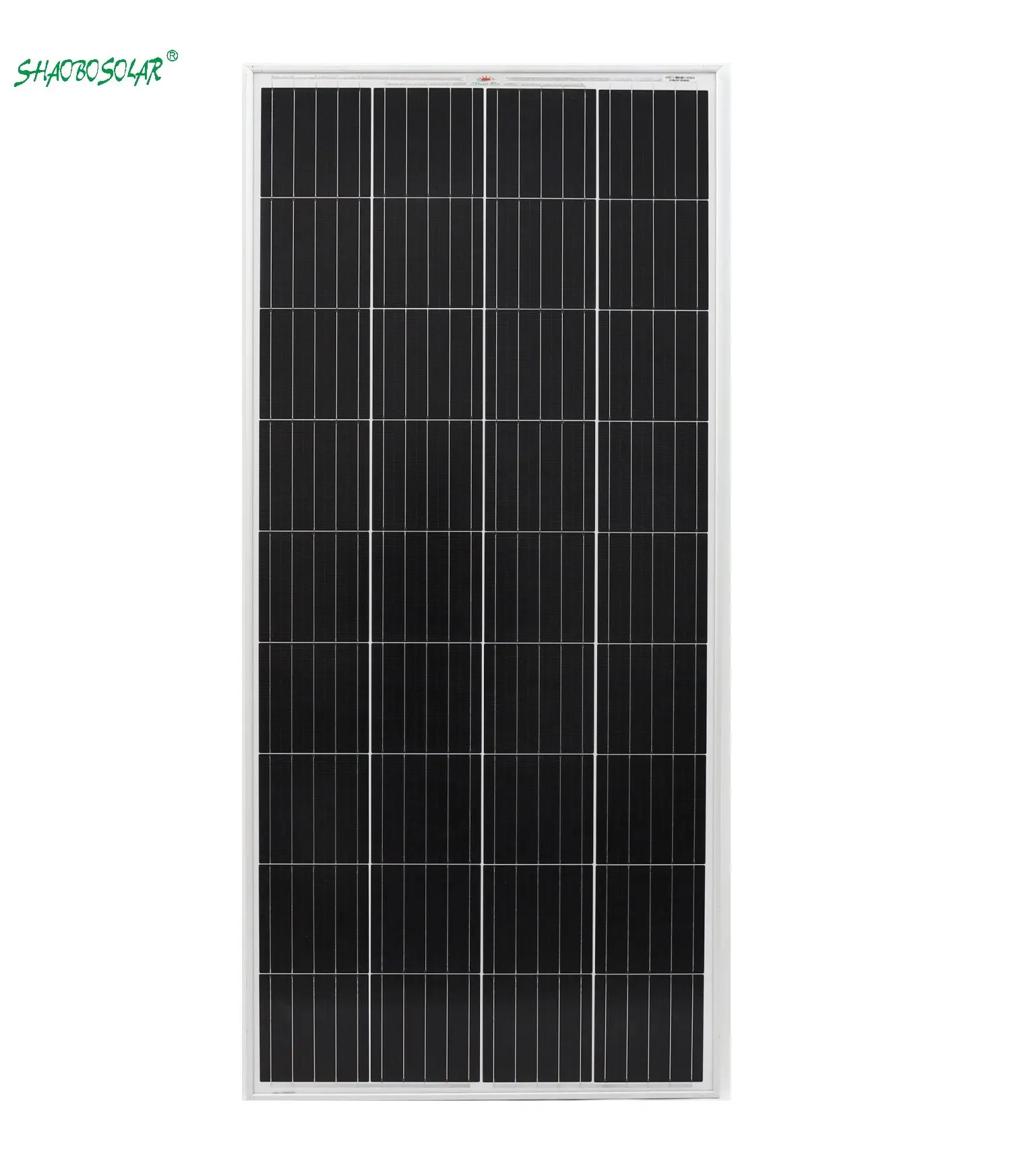
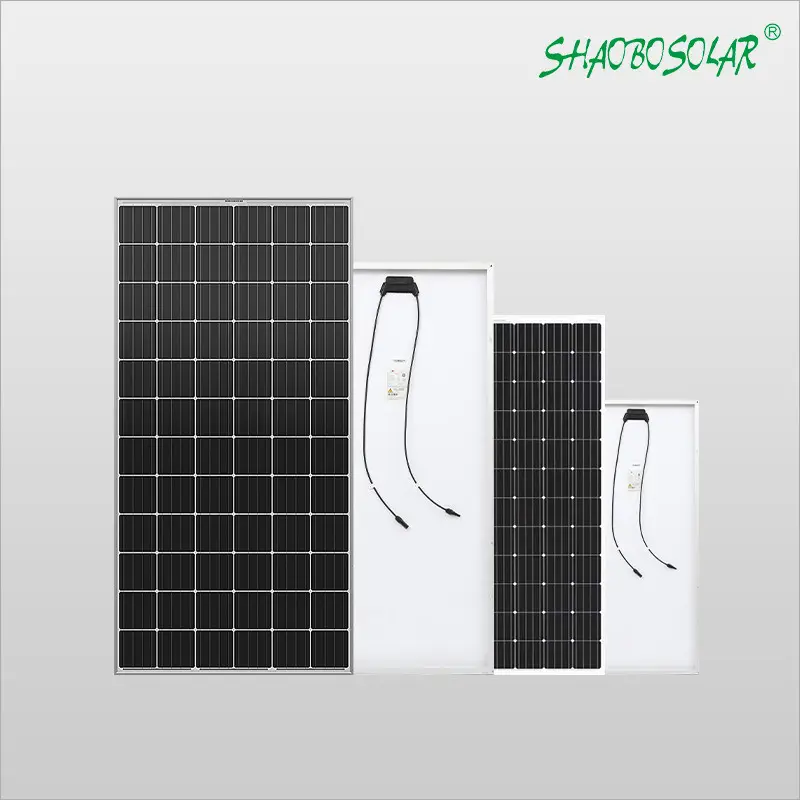
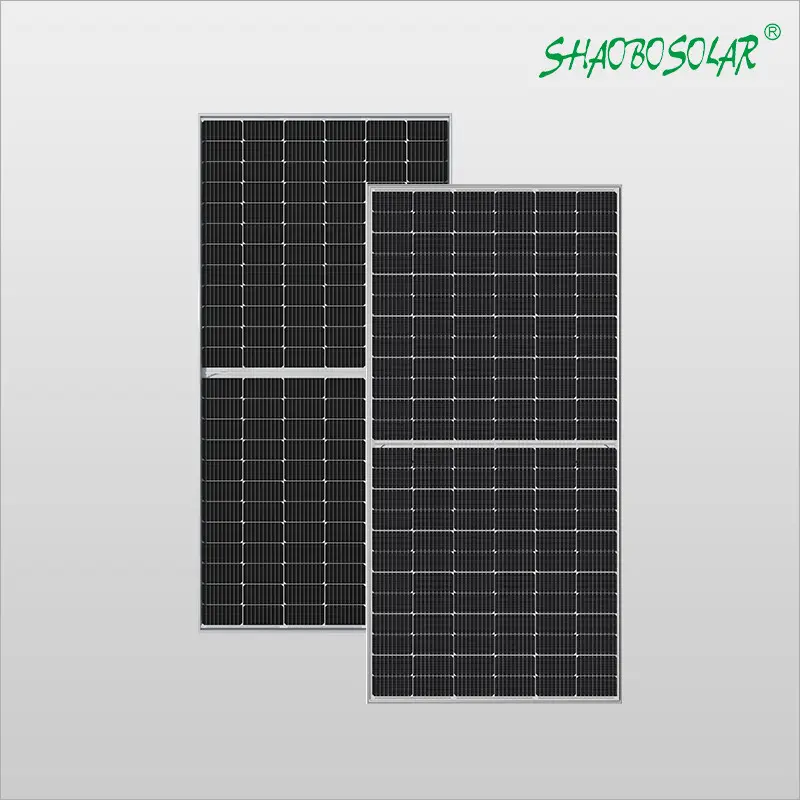
HighEfficiency monocrystalline solar panels Solutions for Brazil

HighEfficiency monocrystalline solar panels Solutions for Brazil

High-Efficiency monocrystalline solar panels Solutions for Brazil

Empowering Brazilian industries and residences with cutting-edge photovoltaic technology to harness the intense South American solar radiance.

High-Efficiency monocrystalline solar panels Solutions for Brazil

Our advanced solar solutions are engineered to maximize energy yield in Brazil's tropical climate, ensuring sustainable power for commercial and residential sectors.

Solar Energy Landscape in Brazil

Analyzing the current state of photovoltaic adoption in the Brazilian market.

Brazil possesses one of the highest solar radiation levels globally, making it a prime location for the deployment of high-performance solar panels. The market is currently seeing a massive shift toward decentralized generation, driven by favorable regulatory frameworks and the rising cost of traditional grid electricity.

In rural regions and the agricultural heartlands of Brazil, the demand for a reliable house solar power system has surged. Farmers are integrating solar arrays to power irrigation and livestock management, reducing operational costs while leveraging the vast available land area.

Urban centers like São Paulo and Rio de Janeiro are experiencing a boom in rooftop installations. The preference is shifting toward high-efficiency modules that can produce maximum wattage in limited spaces, moving away from older, less efficient technologies to optimize energy autonomy.
Evolution of Photovoltaic Technology in Brazil

From early adoption to the era of high-efficiency mono-crystalline cells.

Market Development History

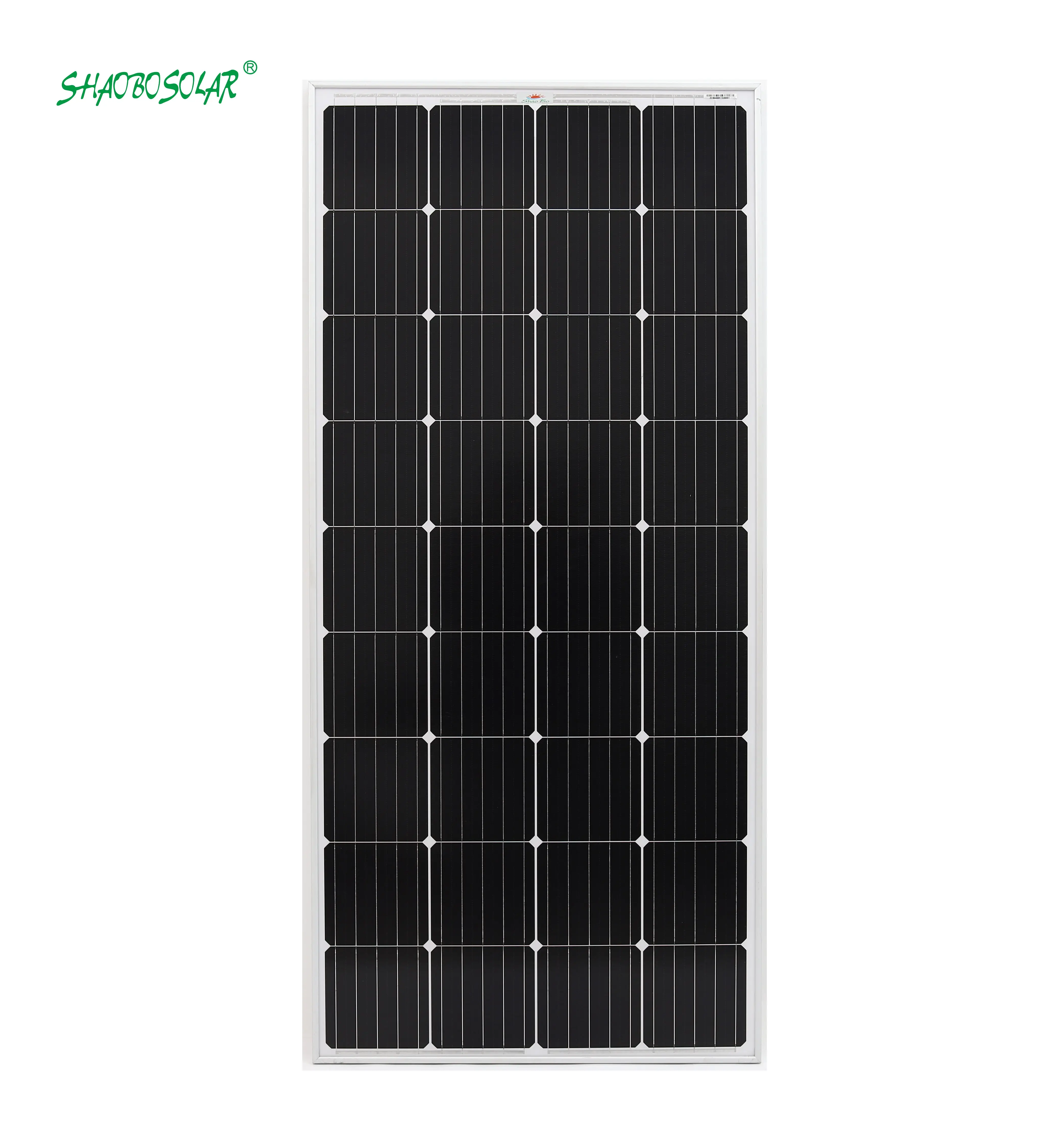
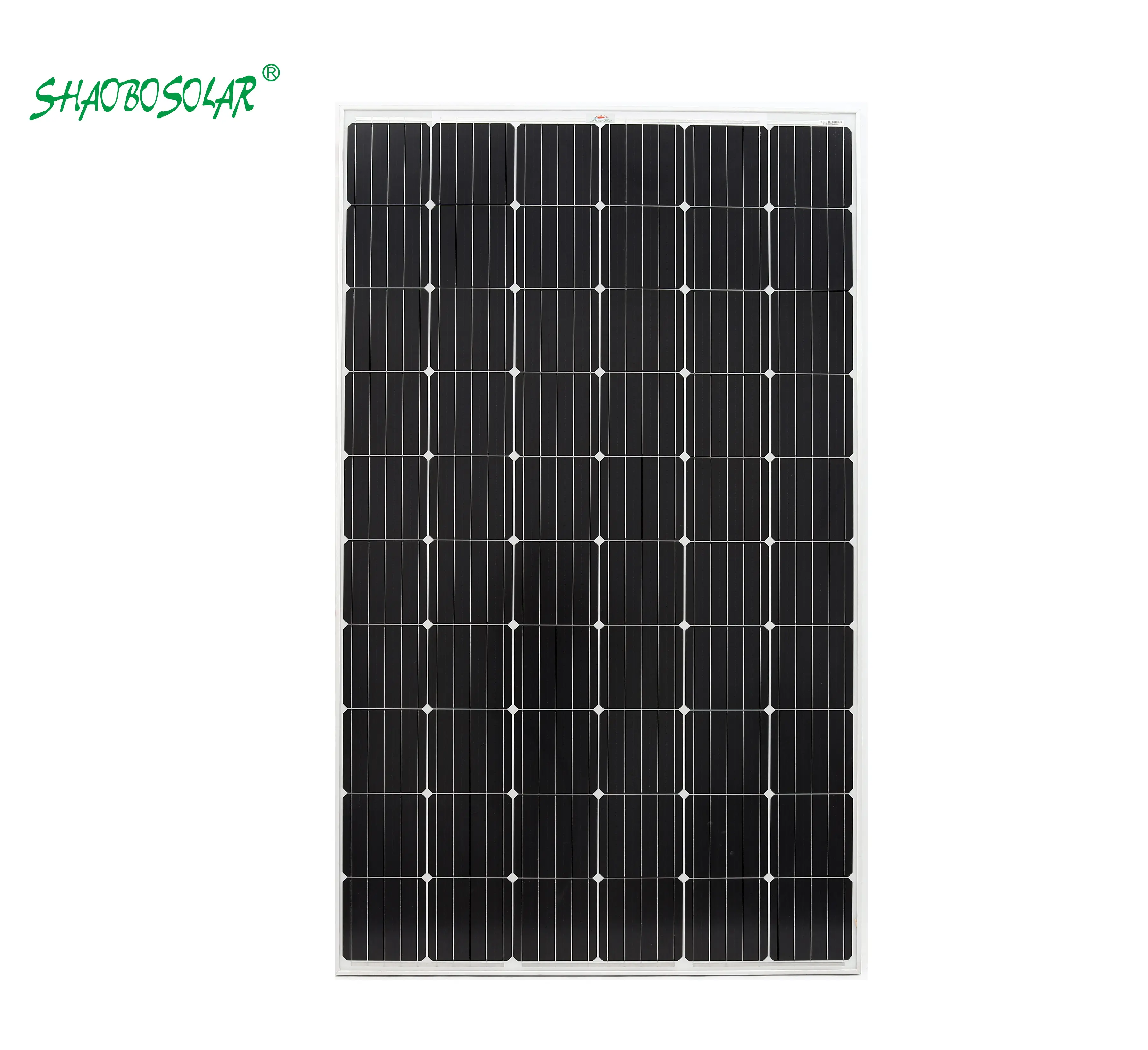
Between 2010 and 2015, the Brazilian market was dominated by polycrystalline solar panel installations. These were favored due to lower initial manufacturing costs, providing a basic entry point for large-scale utility projects despite lower efficiency in high-heat environments.

From 2016 to 2020, a technical pivot occurred as the industry recognized the temperature coefficient limitations of poly-cells. This led to the widespread adoption of the mono solar panel, which offered superior performance in the humid and hot conditions typical of the Brazilian Northeast.

Since 2021, the focus has shifted toward PERC and TOPCon technologies. The integration of bifacial modules has become a standard for Brazilian ground-mount projects, allowing energy capture from both sides of the panel to maximize the high albedo of sandy soils.

Future Development Trends

Integration of Energy Storage

The trend is moving from simple grid-tie systems to hybrid systems, combining solar generation with lithium-battery storage to ensure 24/7 power stability.

N-Type Cell Dominance

We predict a total transition to N-type monocrystalline cells within 3 years, offering lower degradation rates and higher efficiency in extreme tropical heat.

Agrivoltaics Expansion

Combining agriculture with solar power is becoming a priority, allowing Brazil to produce food and energy on the same plot of land.

Future Outlook for Brazil's Solar Industry

Strategic forecasting for the next 3-5 years based on global search trends and regional growth.

AI-Driven Energy Management
Smart grids using AI to predict weather patterns and optimize energy distribution for Brazilian homes.
Bifacial Module Standardization
Widespread adoption of double-sided panels to capture reflected light from the ground.
Micro-Inverter Proliferation
Reducing system-wide failure risks by moving from central inverters to module-level power electronics.
Green Hydrogen Synergy
Using massive solar farms to power electrolyzers for hydrogen production in industrial ports.

Industry Outlook

Google search trends indicate a significant increase in queries for "off-grid energy independence" in Brazil, suggesting that users are moving beyond simple cost-saving and toward total energy security. This shift will accelerate the demand for integrated storage solutions.

Moreover, as Brazil aligns with global ESG (Environmental, Social, and Governance) standards, the industrial sector will likely transition entirely to high-efficiency monocrystalline modules to meet carbon-neutral goals by 2030.

Local Applications of Solar Technology in Brazil

Tailored photovoltaic solutions for the diverse Brazilian geographical landscape.

01. Amazon Basin Off-Grid Power

Deploying robust solar kits to provide electricity to remote riverside communities where grid extension is impossible, ensuring basic healthcare and education.

02. São Paulo Commercial Rooftops

Utilizing high-density panels to turn warehouse rooftops into power plants, significantly lowering the overhead costs for urban logistics centers.

03. Mato Grosso Agrivoltaics

Integrating solar panels over crop fields to provide shade for sensitive plants while generating power for automated irrigation systems.

04. Northeast Coastal Resorts

Installing corrosion-resistant modules to power luxury hotels, leveraging the constant sunlight of the coast while resisting salt-mist degradation.

05. Residential Urban Housing

Customized house solar power system installations for middle-class families in Brasília, reducing monthly utility bills by up to 95%.

Brand Story

Global Development Journey of Hebei Shaobo Solar Technology Co., Ltd.

Foundation of Excellence

Founded with a mission to solve the efficiency gap in photovoltaic manufacturing, Shaobo Solar began by optimizing silicon purity for industrial cells.

Technological Breakthrough

We pioneered advanced PERC cell architectures that significantly increased energy conversion rates in low-light and high-temperature conditions.

Global Market Expansion

Recognizing the potential of South America, we established strategic partnerships in Brazil to deliver localized energy solutions.

Quality Certification

Achieved top-tier international certifications, ensuring every panel meets the rigorous durability standards required for tropical climates.

Sustainable Future

Our current focus is on circular economy manufacturing, reducing the carbon footprint of the solar panels we produce.

Brazilian Solar Energy FAQ

Answers to the most common technical and commercial questions in the region.

Which is better for Brazil: monocrystalline or polycrystalline solar panels?

For the Brazilian climate, monocrystalline panels are generally superior due to their higher efficiency and better performance in high-temperature environments compared to polycrystalline options.

How long does a typical house solar power system last in tropical weather?

High-quality systems from Shaobo Solar typically have a performance warranty of 25 years, though they can continue generating power for 30+ years with proper maintenance.

Are mono solar panel installations suitable for the rainy season in Brazil?

Yes, modern panels are designed with high IP ratings for water resistance. While output drops during heavy rain, they are engineered to withstand tropical storms.

What is the average ROI for commercial solar panels in the Brazilian market?

Depending on the state and local tax incentives, most commercial installations in Brazil achieve a full return on investment within 3 to 5 years.

Can I integrate a battery system with my existing mono solar panel array?

Absolutely. You can upgrade to a hybrid inverter and add lithium-ion storage to save excess energy for use at night or during power outages.

How do I choose the right capacity for my house solar power system in Brazil?

Capacity is based on your average monthly kWh consumption and available roof area. We recommend analyzing your last 12 months of energy bills for an accurate quote.

Ready to Transition to Solar?

Get expert consultation for the most efficient photovoltaic installations in Brazil.

Contact Us Now

If you are interested in our products, you can choose to leave your information here, and we will be in touch with you shortly.