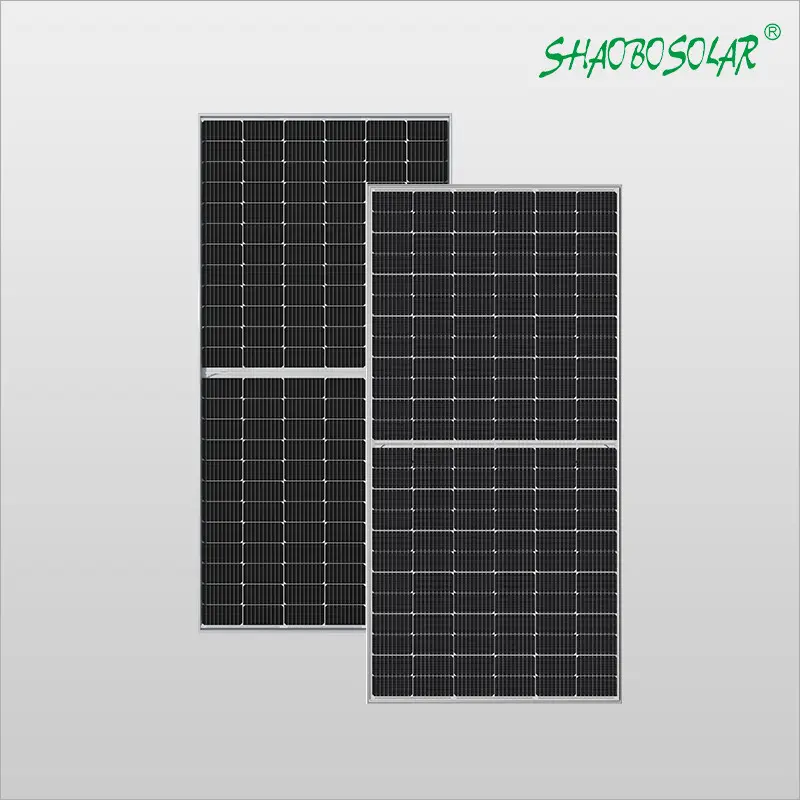
HighEfficiency monocrystalline solar panels for Vietnam’s Energy Transition

HighEfficiency monocrystalline solar panels for Vietnam’s Energy Transition

  • Home
  • Global Service
  • HighEfficiency monocrystalline solar panels for Vietnam’s Energy Transition

High-Efficiency monocrystalline solar panels for Vietnam's Energy Transition

Empowering Vietnamese industries and households with Tier-1 photovoltaic technology tailored for tropical high-irradiation environments.

High-Efficiency monocrystalline solar panels for Vietnam's Energy Transition

We provide cutting-edge solar solutions designed to maximize energy yield in the diverse climatic conditions of Vietnam, from the humid north to the sun-drenched south.

The Landscape of Solar Panels in Vietnam

Analyzing the synergy between Vietnam's geography and photovoltaic adoption.

Vietnam has emerged as a regional leader in Southeast Asia's renewable energy shift. The country's geographical positioning provides an abundance of solar radiation, particularly in the Ninh Thuan and Binh Thuan provinces, making the deployment of high-performance solar panels an economic imperative for reducing reliance on coal-fired power plants.

Current market dynamics show a rapid shift toward decentralized energy. The adoption of a house solar power system has surged among urban residents in Ho Chi Minh City and Hanoi, driven by rising electricity tariffs and a growing awareness of carbon footprints in the manufacturing sector.

However, the tropical climate presents challenges such as high humidity and extreme heat. This has led to an increased demand for modules with low temperature coefficients and superior PID resistance to ensure long-term durability in the harsh Vietnamese outdoors.
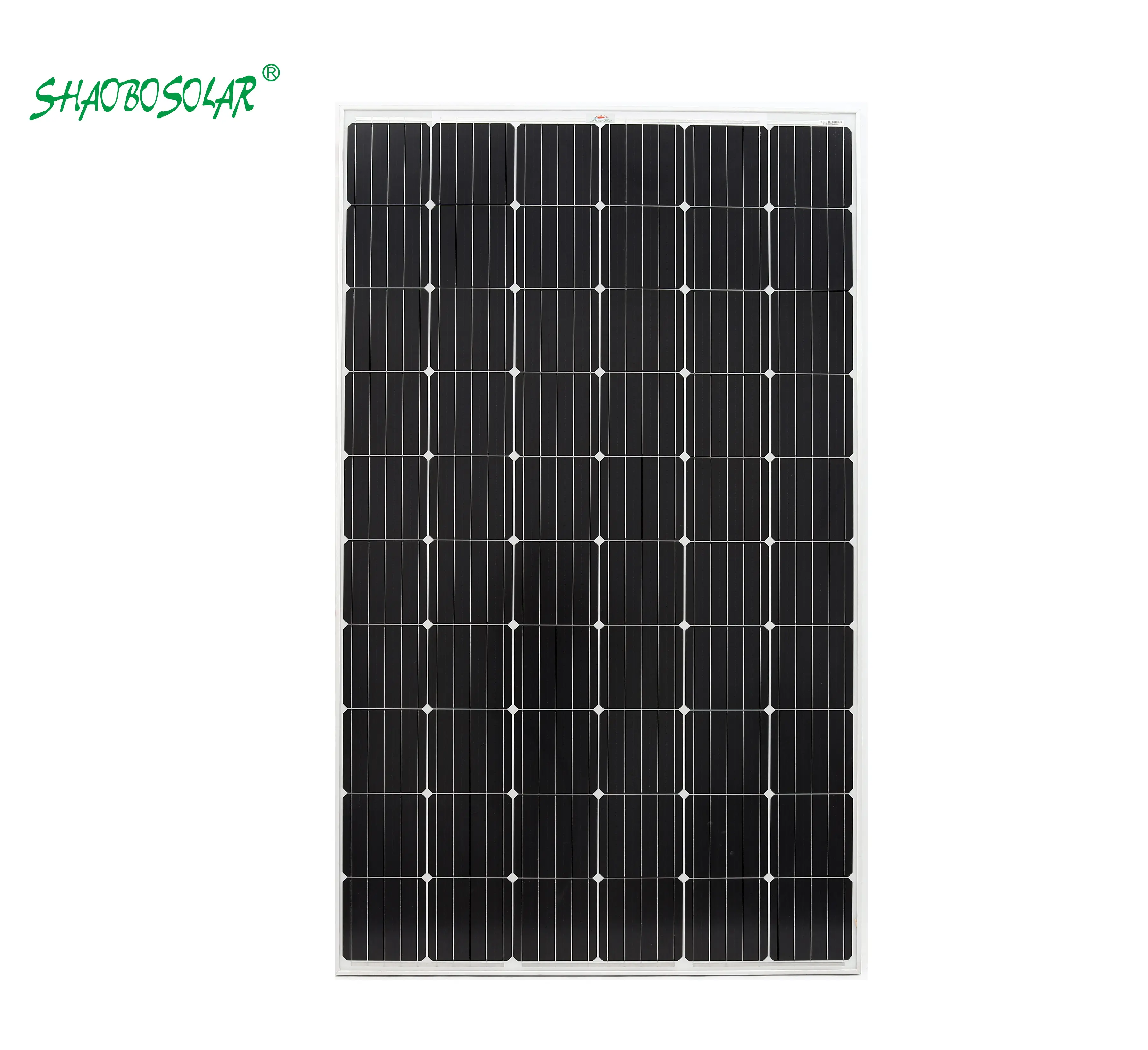
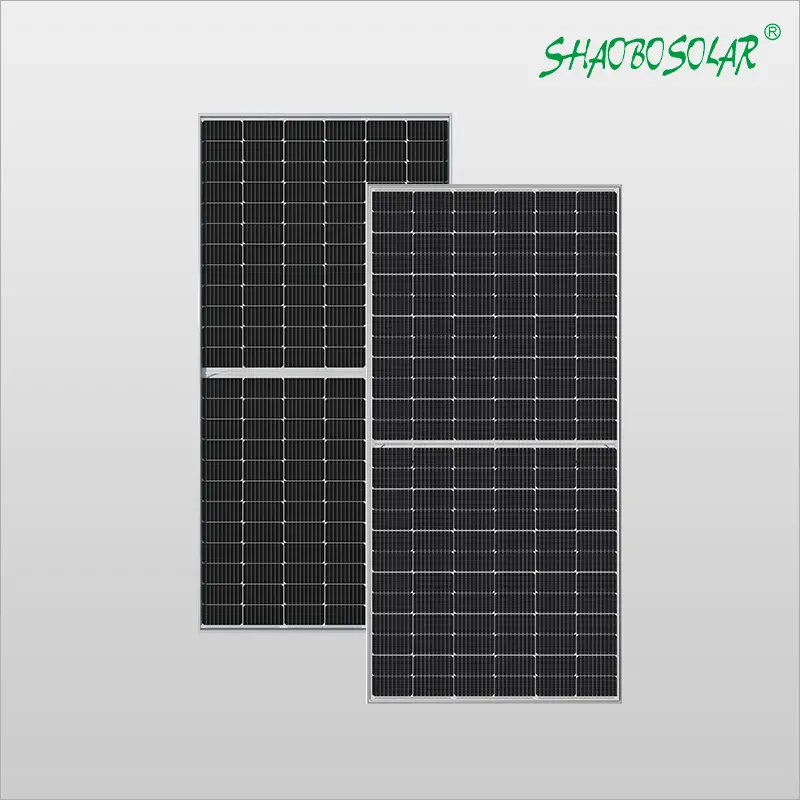
Evolution of PV Technology in Vietnam

From basic silicon wafers to high-efficiency N-type cells.

Market Development History

Between 2010 and 2017, the Vietnamese market was dominated by early-stage polycrystalline solar panel installations. These were favored for their lower initial cost, though they struggled with efficiency in the limited roof spaces of dense Vietnamese cities.

From 2018 to 2021, a massive pivot occurred due to favorable Feed-in Tariffs (FiT). The industry transitioned rapidly toward the mono solar panel, as the higher efficiency per square meter became critical for maximizing ROI in commercial and industrial (C&I) projects.

Since 2022, the focus has shifted toward advanced PERC and TOPCon technologies. The integration of bifacial modules has become the standard for large-scale solar farms in the Mekong Delta to capture reflected light from the soil and water.

Future Development Trends

N-Type TOPCon Dominance

We predict a total transition toward N-type cells, offering lower degradation rates and higher efficiency than traditional P-type modules.

BESS Integration

The trend is moving toward coupling PV arrays with Battery Energy Storage Systems (BESS) to stabilize the national grid and ensure 24/7 power availability.

Agrivoltaics Expansion

Combining solar energy with agriculture in rural Vietnam will optimize land use, allowing crops to grow beneath semi-transparent panels.

Future Outlook for Vietnam's Solar Industry

Strategic directions based on search trends and energy policy.

Smart Grid Synergy
Integration with AI-driven smart grids to optimize energy distribution across Vietnam's industrial zones.
Efficiency Breakthroughs
Pushing the limits of cell efficiency beyond 24% using HJT and TOPCon architectures.
DPPA Implementation
Leveraging Direct Power Purchase Agreements to allow corporations to buy solar energy directly from producers.
Sustainability Certification
Increased focus on LEED and Green building certifications for new industrial complexes in Vietnam.

Industry Outlook

Google search trends in the Vietnam region indicate a sharp increase in queries for "net-zero emissions" and "energy independence," suggesting that the market is moving from a subsidy-driven model to a value-driven model. Businesses are now investing in solar not just for profit, but for ESG compliance.

Over the next 3-5 years, we expect the integration of floating solar on hydropower reservoirs to become a dominant trend, utilizing Vietnam's extensive water resources to overcome land-use constraints while reducing water evaporation.

Localized Applications in Vietnam

Tailored PV solutions for Vietnam's specific economic sectors.

1. Industrial Rooftop Installations in Binh Duong

Large-scale factories are deploying mono solar panels to offset high peak-hour electricity costs and meet international export standards for "green manufacturing."

2. Residential Energy Independence in Da Nang

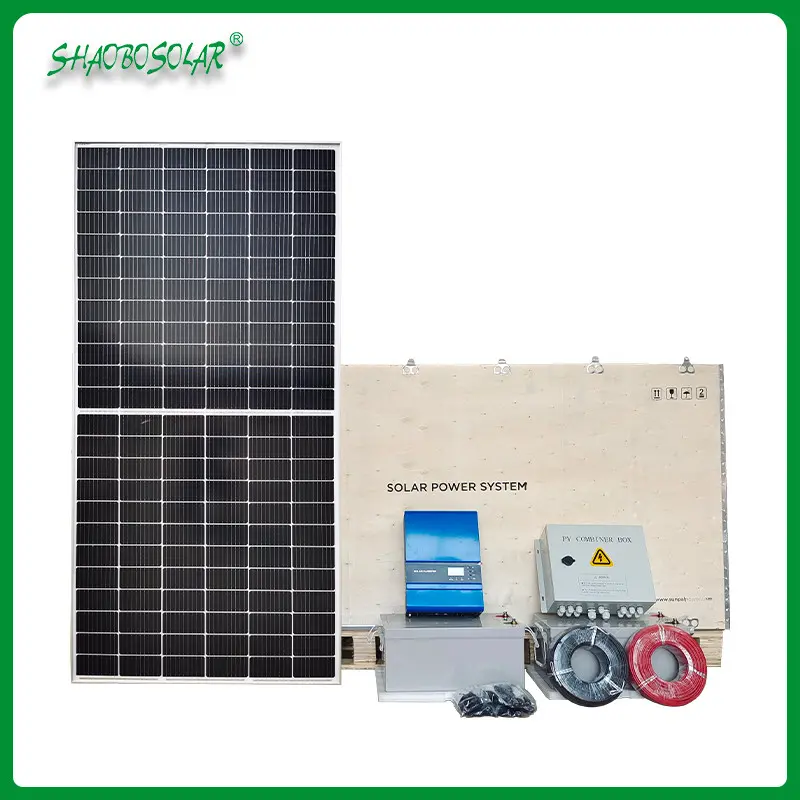
Coastal homes are utilizing a comprehensive house solar power system with battery backup to ensure power stability during the typhoon season.

3. Floating Solar Arrays in the Mekong Delta

Implementation of specialized water-resistant modules that maximize land efficiency while benefiting from the natural cooling effect of water to increase efficiency.

4. Remote Telecommunication Powering in Highlands

Using ruggedized solar arrays to provide stable energy for 4G/5G towers in the Central Highlands where grid extension is cost-prohibitive.

5. Agricultural Greenhouse Integration in Lam Dong

Semi-transparent PV panels integrated into flower and vegetable greenhouses to provide electricity for automated irrigation systems.

Brand Story

Global Development Journey of Hebei Shaobo Photovoltaic Technology Co., Ltd.

Founding Vision

Established with the goal of bridging the gap between high-end silicon research and affordable mass-market deployment of photovoltaic equipment.

Technical Mastery

Developed proprietary cell-cutting and stringing techniques that reduced internal resistance and boosted overall module efficiency.

Global Expansion

Expanded operations into Southeast Asia, specifically tailoring products to meet the high-humidity requirements of the Vietnam market.

Innovation Pivot

Successfully pivoted to N-type TOPCon technology, solving the industry pain point of light-induced degradation (LID).

Sustainable Future

Committed to a circular economy by implementing module recycling programs to reduce the environmental impact of PV waste.

Vietnam Solar FAQ

Answers to the most common technical and commercial questions in the region.

Which are the best monocrystalline solar panels for Vietnam's humid climate?

Panels with high-quality EVA encapsulation and double-glass structures are best, as they prevent moisture ingress and reduce PID effects common in humid tropical regions.

How much space is needed for a typical house solar power system in Ho Chi Minh City?

Typically, for a 5kW system, you need approximately 25-30 square meters of roof space, depending on the efficiency of the mono solar panel used.

Is a polycrystalline solar panel still viable for large farms in Vietnam?

While viable for low-budget projects with unlimited space, most developers now prefer monocrystalline due to significantly better efficiency and lower LCOE over 25 years.

How do solar panels perform during the rainy season in Northern Vietnam?

Generation drops during heavy cloud cover, but modern PERC cells are optimized for diffuse light, ensuring some power production even on overcast days.

What is the average ROI for industrial solar installations in Vietnam?

Depending on electricity consumption and installation costs, most industrial projects see a full return on investment within 4 to 6 years.

Do I need special permits for a house solar power system in Vietnam?

Yes, depending on whether the system is on-grid or off-grid, you must coordinate with the local electricity authority (EVN) for grid connection and safety certification.

Ready to Power Your Future?

Contact our technical consultants for a customized solar energy audit in Vietnam.

Contact Us Now

If you are interested in our products, you can choose to leave your information here, and we will be in touch with you shortly.