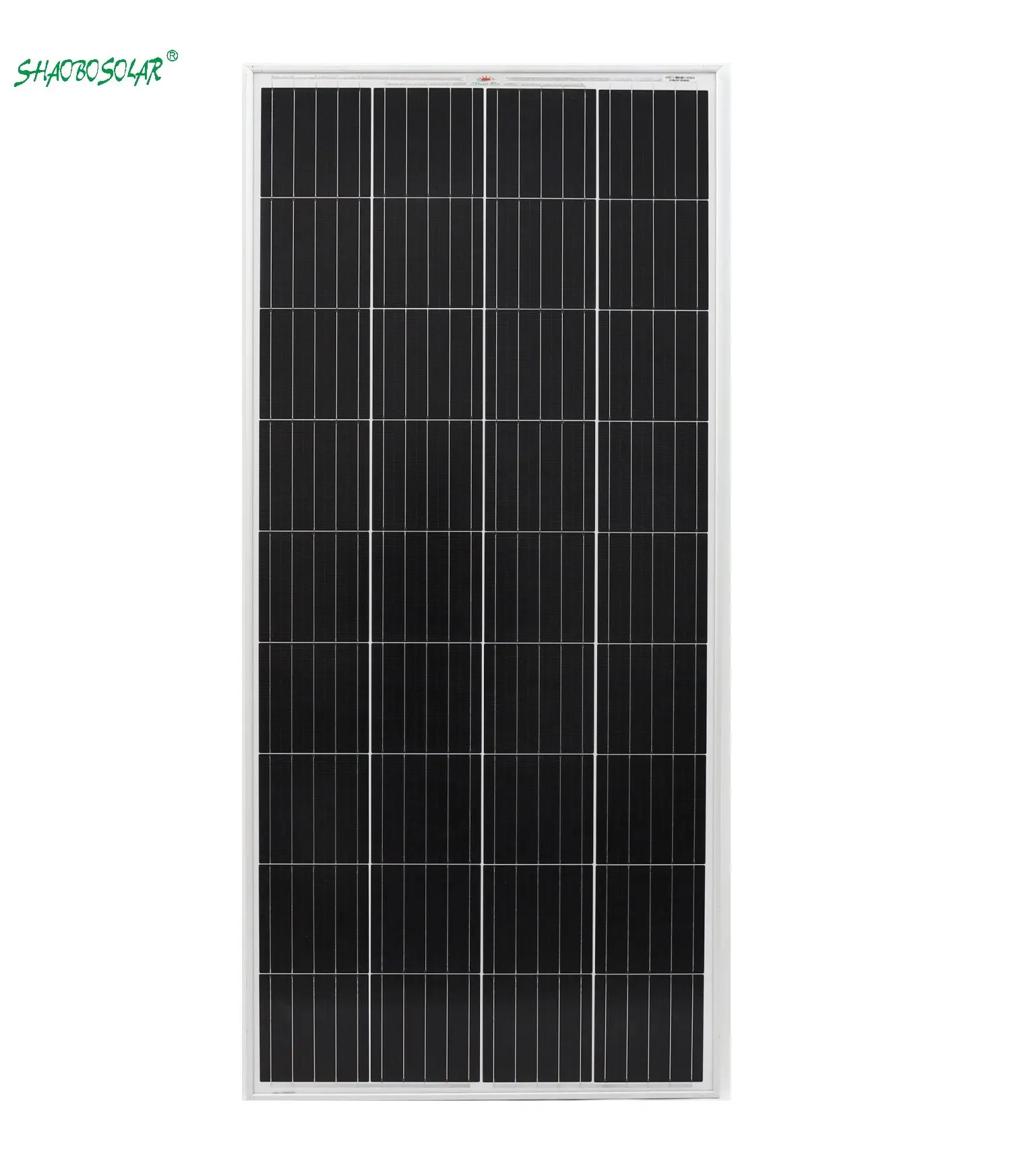
HighEfficiency monocrystalline solar panels for South Korea’s Energy Independence

HighEfficiency monocrystalline solar panels for South Korea’s Energy Independence

  • Home
  • Global Service
  • HighEfficiency monocrystalline solar panels for South Korea’s Energy Independence

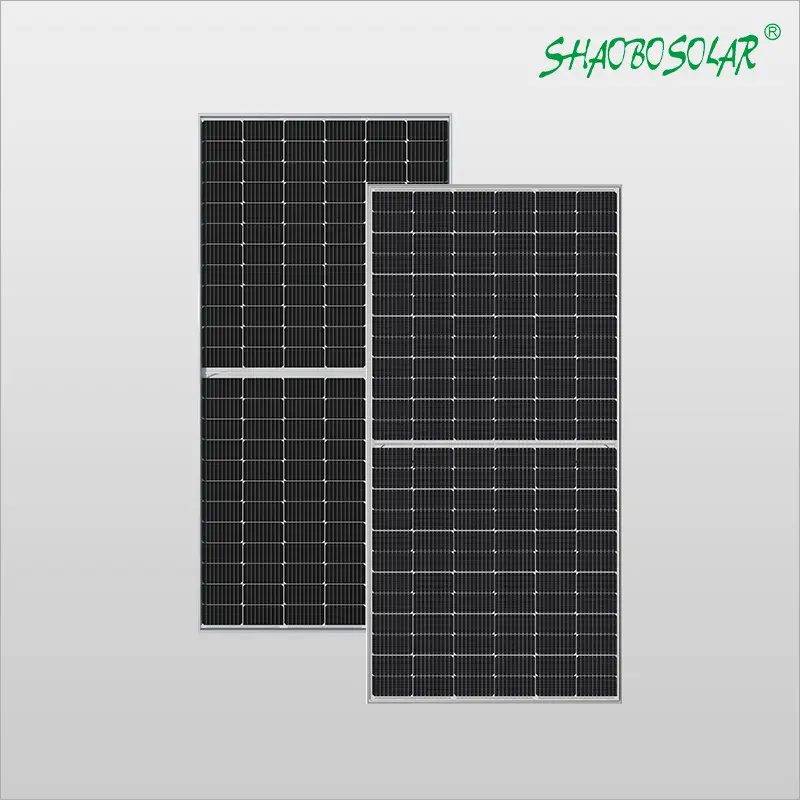
High-Efficiency monocrystalline solar panels for South Korea's Energy Independence

Empowering South Korean residential and commercial infrastructure with cutting-edge photovoltaic technology tailored for East Asian climatic conditions.

High-Efficiency monocrystalline solar panels for South Korea's Energy Independence

Our advanced solar solutions are engineered to maximize energy harvest in South Korea, combining high-density cell architecture with extreme weather durability to ensure a sustainable power future.

The Current Landscape of Solar Energy in South Korea

Analyzing the intersection of government policy and geographical constraints in the Korean peninsula.

South Korea is currently undergoing a massive transition toward "Renewable Energy 3020," driving a surge in demand for high-performance solar panels. Given the mountainous terrain and limited flat land, the focus has shifted toward building-integrated photovoltaics (BIPV) and high-efficiency rooftops in dense urban areas like Seoul and Busan.

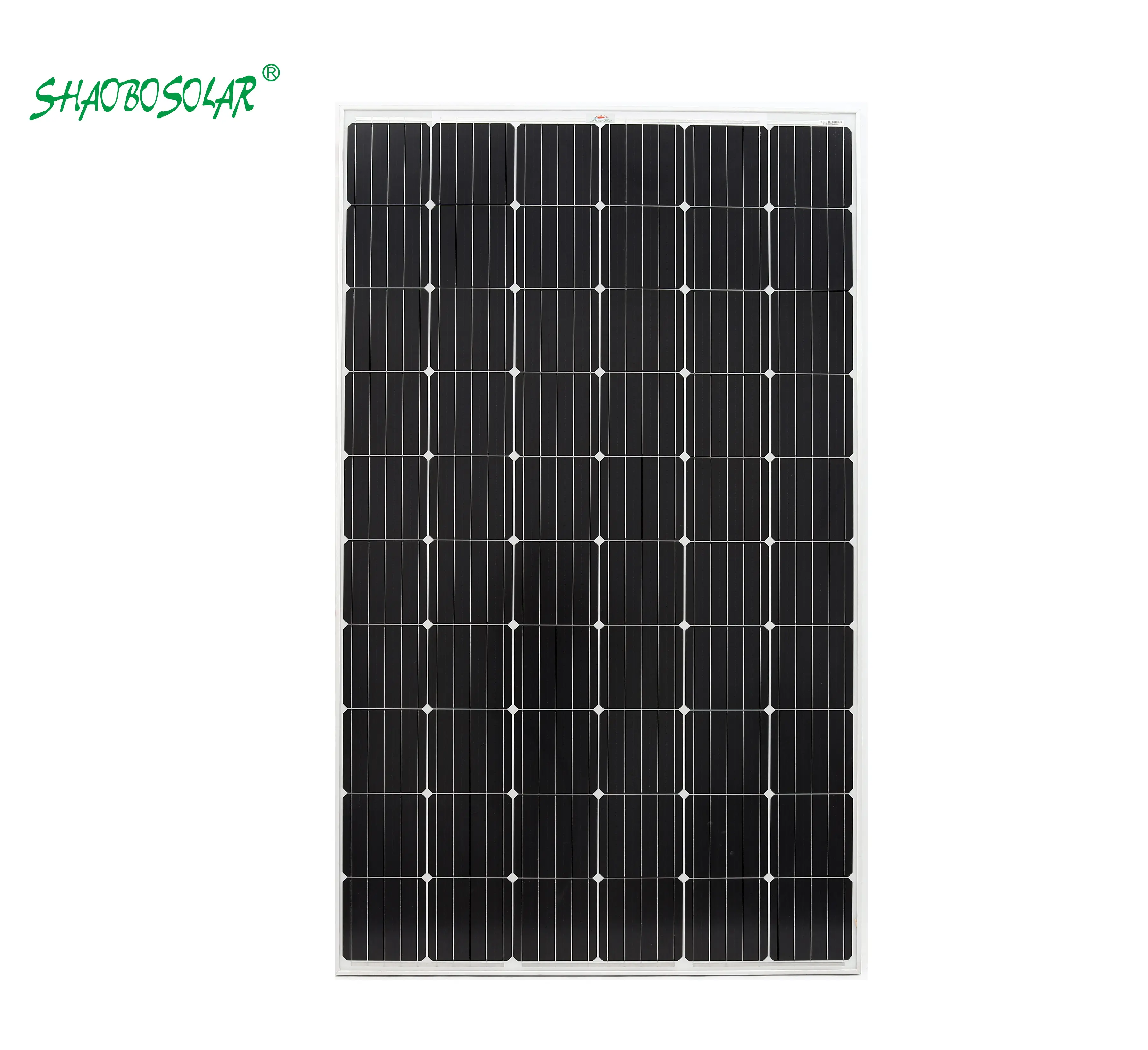
The market is characterized by a strict preference for premium efficiency. Due to the seasonal variation in sunlight—particularly during the monsoon season and winter—Korean consumers increasingly rely on mono solar panel technology, which offers superior low-light performance compared to older alternatives.

Furthermore, the integration of a comprehensive house solar power system has become a status symbol and a financial necessity as electricity tariffs fluctuate, pushing residential users toward energy autonomy through smart grid integration.
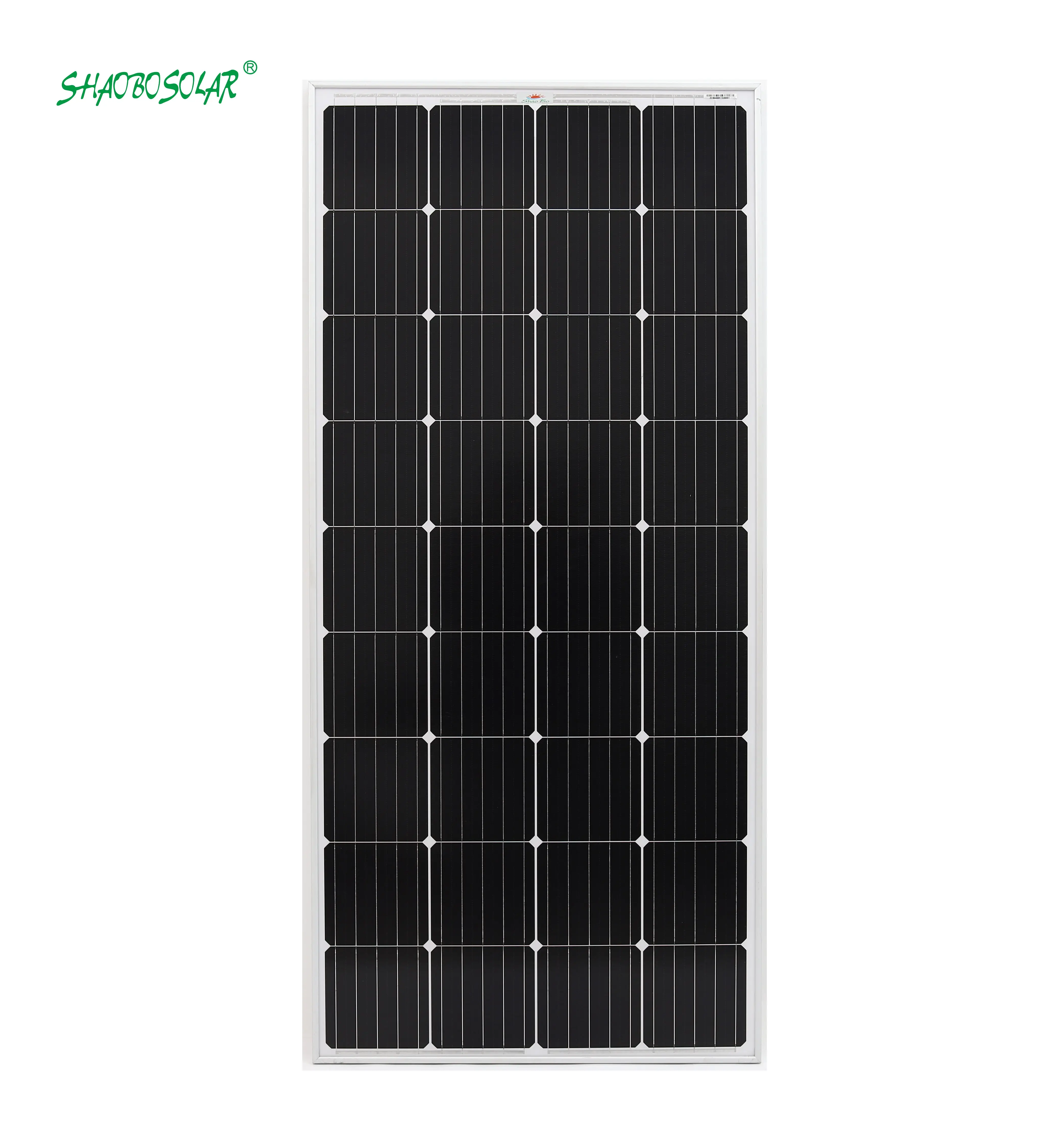
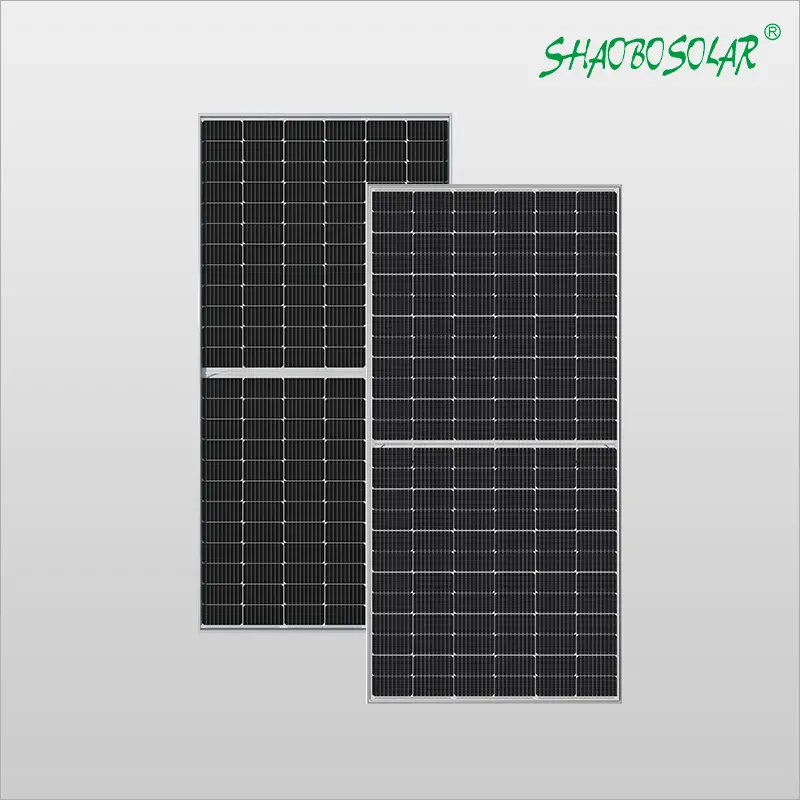
Evolution of Photovoltaic Technology in Korea

From basic silicon wafers to AI-driven energy management systems.

Market Development History

In the early 2010s, the South Korean market was dominated by polycrystalline solar panel installations, which provided a cost-effective entry point for large-scale solar farms but suffered from lower efficiency and higher temperature coefficients.

Between 2015 and 2020, a pivotal shift occurred. As manufacturing precision improved, the industry transitioned toward PERC (Passivated Emitter and Rear Cell) technology, making monocrystalline solar panels the gold standard for urban installations where space is at a premium.

By 2023, the trajectory moved toward N-type TOPCon and HJT cells. This evolution allowed for significantly higher bifaciality and lower degradation rates, specifically addressing the humid summers and freezing winters of the region.

Future Development Trends

Perovskite Tandem Integration

The next 3 years will see the rise of perovskite-silicon tandem cells, pushing conversion efficiencies beyond 30%, a critical need for Korea's limited land area.

VPP (Virtual Power Plants)

Integration of residential systems into Virtual Power Plants will allow homeowners to sell excess energy back to the KEPCO grid via blockchain-based platforms.

Smart Energy Storage (ESS) Synergy

The focus is shifting from simple generation to holistic management, pairing panels with AI-driven ESS to optimize power usage during peak tariffs.

Industry Trends and Future Outlook

Forecasting the next era of solar adoption in the Asia-Pacific hub.

Ultra-High Efficiency Cells
Transitioning toward N-type TOPCon technology to maximize wattage per square meter in urban settings.
BIPV Standardization
Integrating solar cells directly into building glass and facades to meet strict zoning laws.
Smart Grid Synchronization
AI-driven load balancing between home batteries and the national grid for maximum ROI.
Eco-Friendly Recycling
Development of circular economy models for end-of-life panel recovery and silicon reclamation.

Industry Outlook

Based on search trends and governmental roadmaps, the South Korean market is pivoting away from purely quantitative expansion toward qualitative optimization. The demand for high-density solar panels is expected to grow by 15% annually as urban zoning becomes more restrictive.

We predict a convergence of EV charging infrastructure and solar generation, where every parking lot in Seoul will eventually be topped with bifacial modules, creating a decentralized energy network that reduces pressure on the central power grid.

Localized Solar Applications in South Korea

Real-world deployment strategies for diverse Korean environments.

01. High-Rise Apartment Balcony Systems

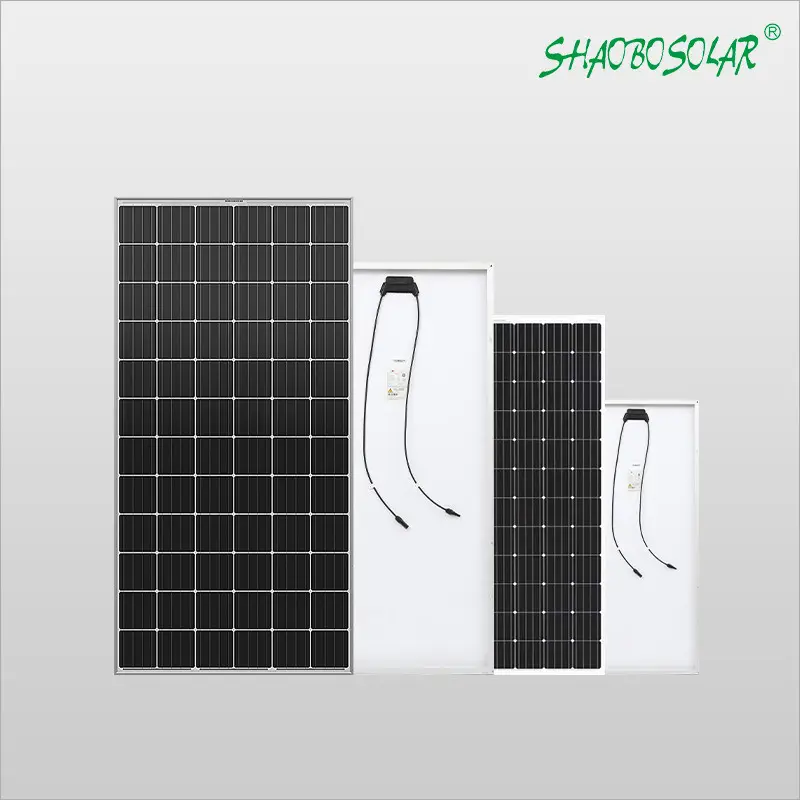
Utilizing compact mono solar panel modules designed for high-rise balconies in Seoul, allowing urban dwellers to offset common area electricity costs.

02. Industrial Complex Rooftops in Ulsan

Large-scale deployment of high-wattage monocrystalline arrays on factory roofs to meet corporate RE100 targets and reduce industrial energy overheads.

03. Rural Farm-Agri Photovoltaics (Agrivoltaics)

Implementing elevated solar structures over crops in Jeju and Gyeonggi-do, maximizing land utility by generating power without compromising agricultural yield.

04. Smart House Energy Hubs

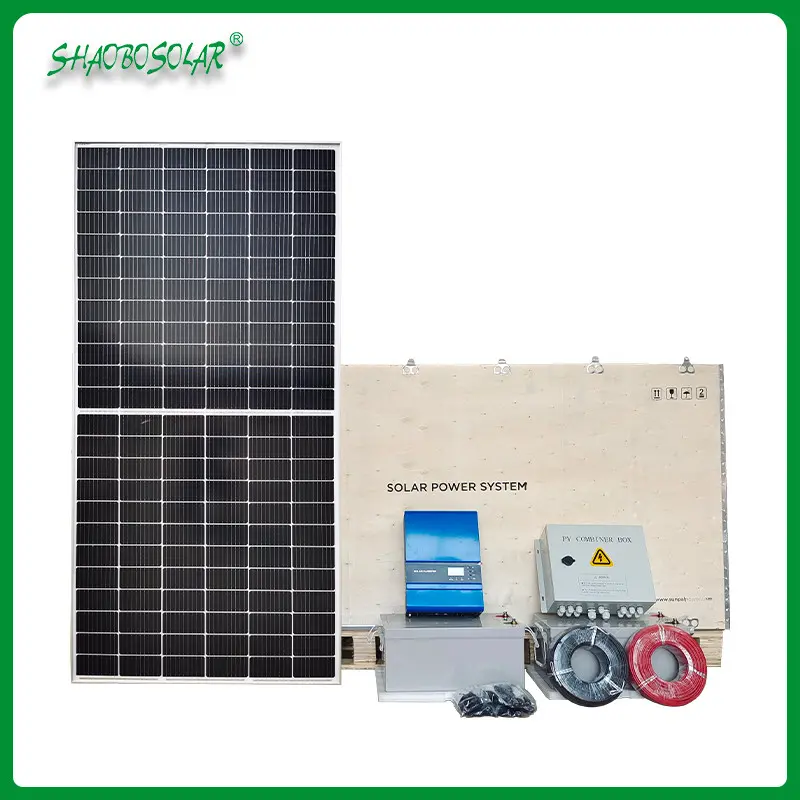
Complete house solar power system installations in suburban areas, integrated with heat pumps and EV chargers for total energy autonomy.

05. Public Infrastructure Integration

Installation of solar-powered bus shelters and street lighting using durable, weather-resistant panels to enhance urban sustainability and safety.

Brand Story

Global Development History of Hebei Shaobo Photovoltaic Technology Co., Ltd.

Foundational Excellence

Established with a vision to democratize clean energy, we began by perfecting high-purity silicon cell manufacturing to solve the efficiency gap in early solar tech.

Technological Breakthrough

We pioneered the integration of PERC and Half-Cut cell technologies, drastically reducing power loss and increasing the reliability of modules in extreme climates.

Global Expansion

Expanding into the Asia-Pacific market, we tailored our products to meet the rigorous quality standards of South Korea and Japan, establishing a robust supply chain.

Innovation Leadership

By investing in R&D for N-type cells, we solved the critical pain point of LID (Light Induced Degradation), ensuring 25+ years of peak performance for our clients.

Sustainable Future

Today, we lead the industry toward carbon neutrality, providing integrated solar ecosystems that empower millions of homes and businesses worldwide.

South Korea Solar Installation FAQ

Expert answers to the most common questions regarding photovoltaic adoption in Korea.

Which are the best monocrystalline solar panels for Seoul's urban environment?

For urban areas with limited space and frequent shading, N-type mono-PERC panels are best due to their high efficiency and superior performance in diffused light conditions.

How does a house solar power system perform during the Korean winter?

While sunlight hours decrease, solar panels actually operate more efficiently in colder temperatures. Our modules are rated for extreme cold to prevent cracking and maintain voltage stability.

Is there still a demand for polycrystalline solar panel technology in Korea?

Demand has decreased significantly in favor of mono-technology. However, they remain a viable option for very large-scale, low-budget ground mounts where space is not a constraint.

What is the average ROI for a residential mono solar panel installation in Korea?

Depending on local government subsidies and energy consumption, most homeowners see a full return on investment within 5 to 8 years.

How do I maintain solar panels during the monsoon season?

Regular cleaning to remove dust and debris is essential. Our panels feature an anti-soiling coating that allows rainwater to wash away contaminants naturally.

Can I integrate my system with a KEPCO smart meter?

Yes, our systems are designed to be compatible with standard Korean smart grid infrastructure, facilitating seamless net-metering and energy exports.

Ready to Power Your Future?

Contact our specialist team today for a customized energy audit and installation plan tailored for South Korea.

Contact Us Now

If you are interested in our products, you can choose to leave your information here, and we will be in touch with you shortly.