
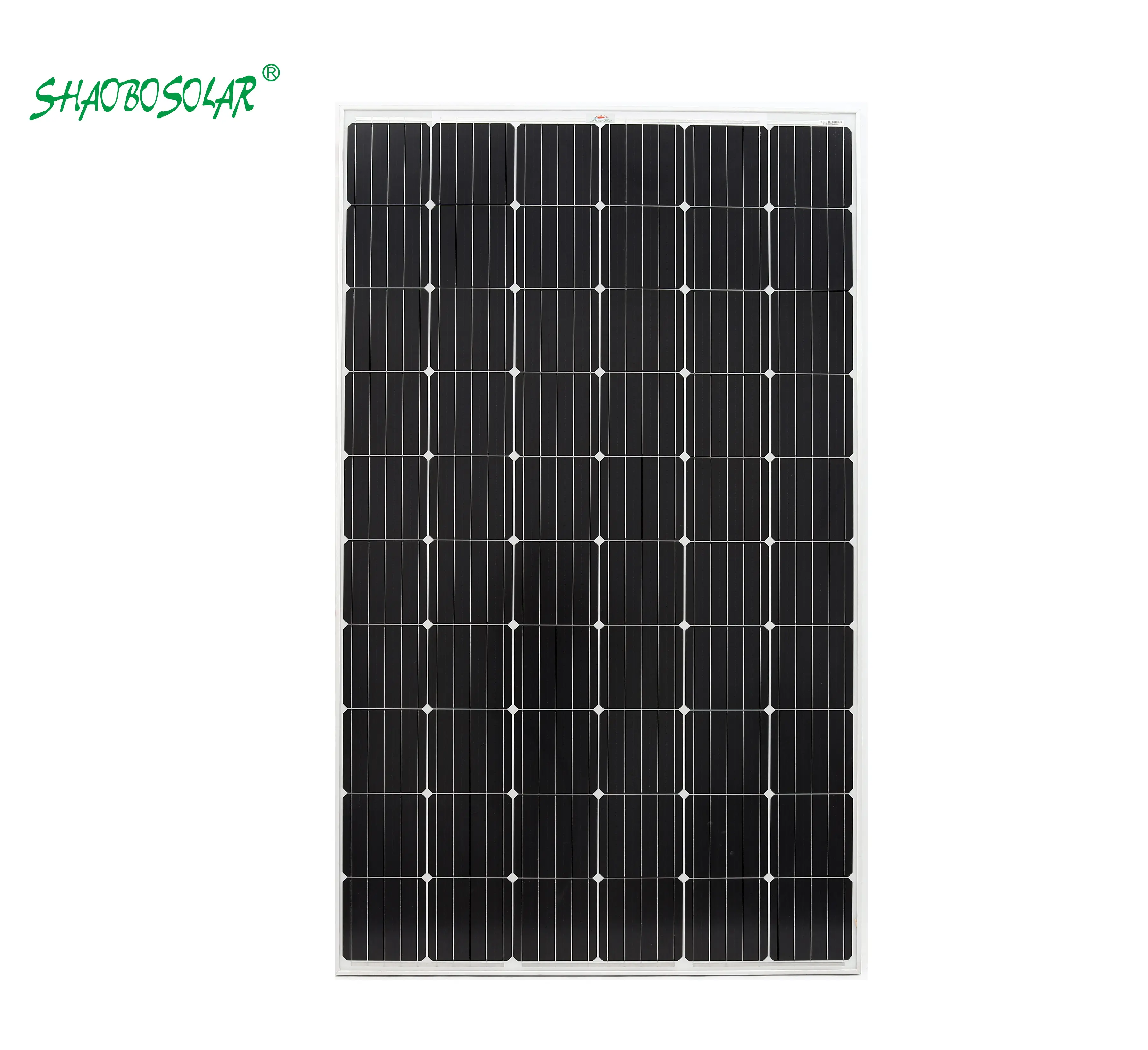
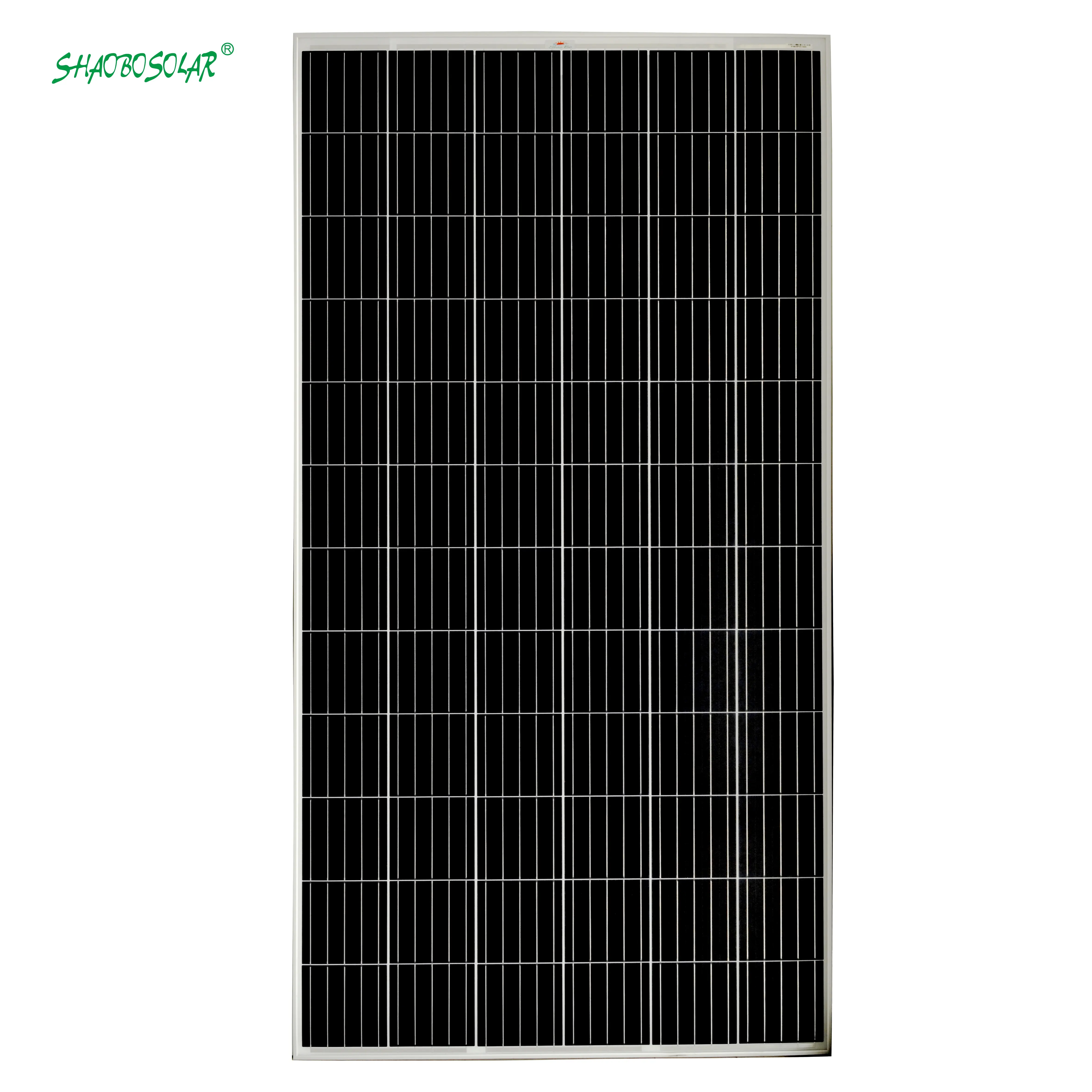
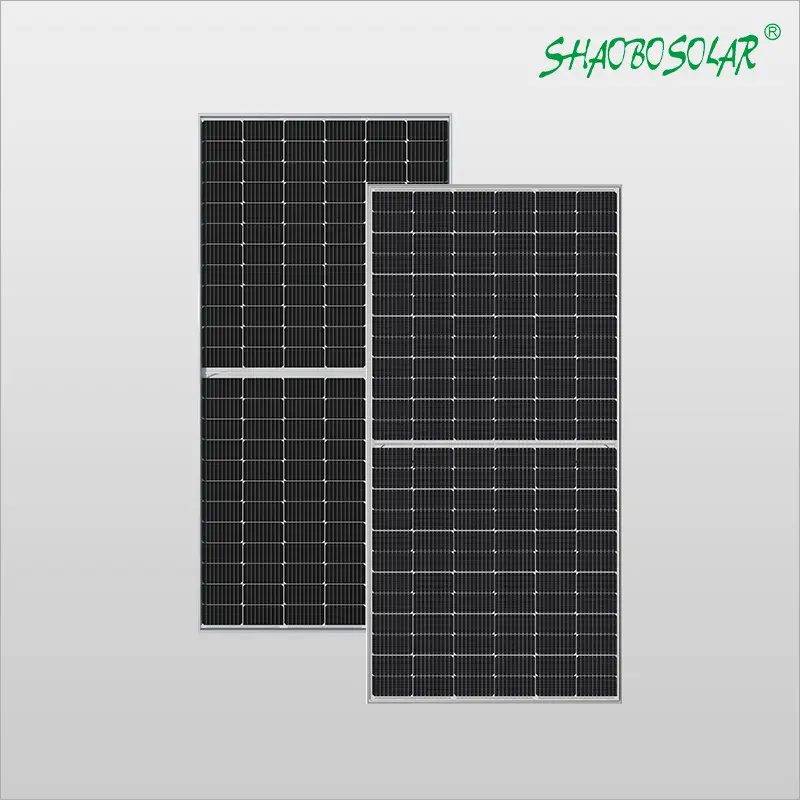
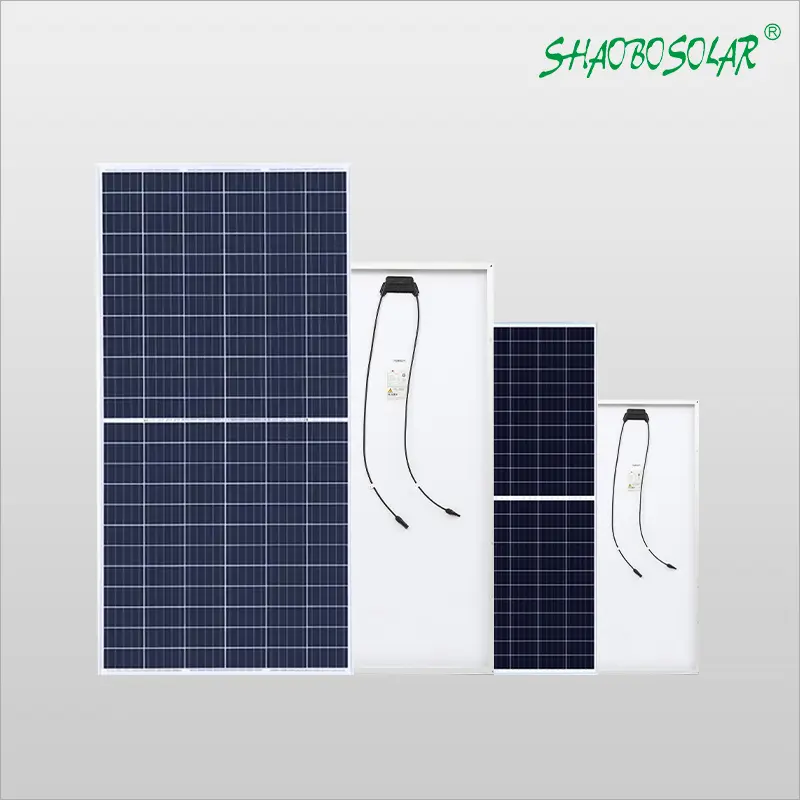
HighEfficiency monocrystalline solar panels for Egypt’s Energy Future

HighEfficiency monocrystalline solar panels for Egypt’s Energy Future

High-Efficiency monocrystalline solar panels for Egypt's Energy Future

Empowering Egyptian households and industries with cutting-edge photovoltaic technology designed for the Saharan climate.

High-Efficiency monocrystalline solar panels for Egypt's Energy Future

Providing sustainable and scalable energy solutions specifically engineered to maximize the intense solar irradiance of the Egyptian region.

Current State of Solar Energy in Egypt

Analyzing the adoption of solar panels across the Nile Valley and beyond.

Egypt possesses one of the highest solar radiation levels globally, making it a prime location for the deployment of solar panels. However, the local market faces unique challenges, including high ambient temperatures and sand accumulation, which can degrade cell efficiency if the hardware is not specifically rated for desert environments.

Currently, there is a significant shift toward the installation of a complete house solar power system in suburban Cairo and Alexandria to mitigate rising electricity costs and grid instability. Consumers are increasingly prioritizing high-wattage modules that occupy less roof space.

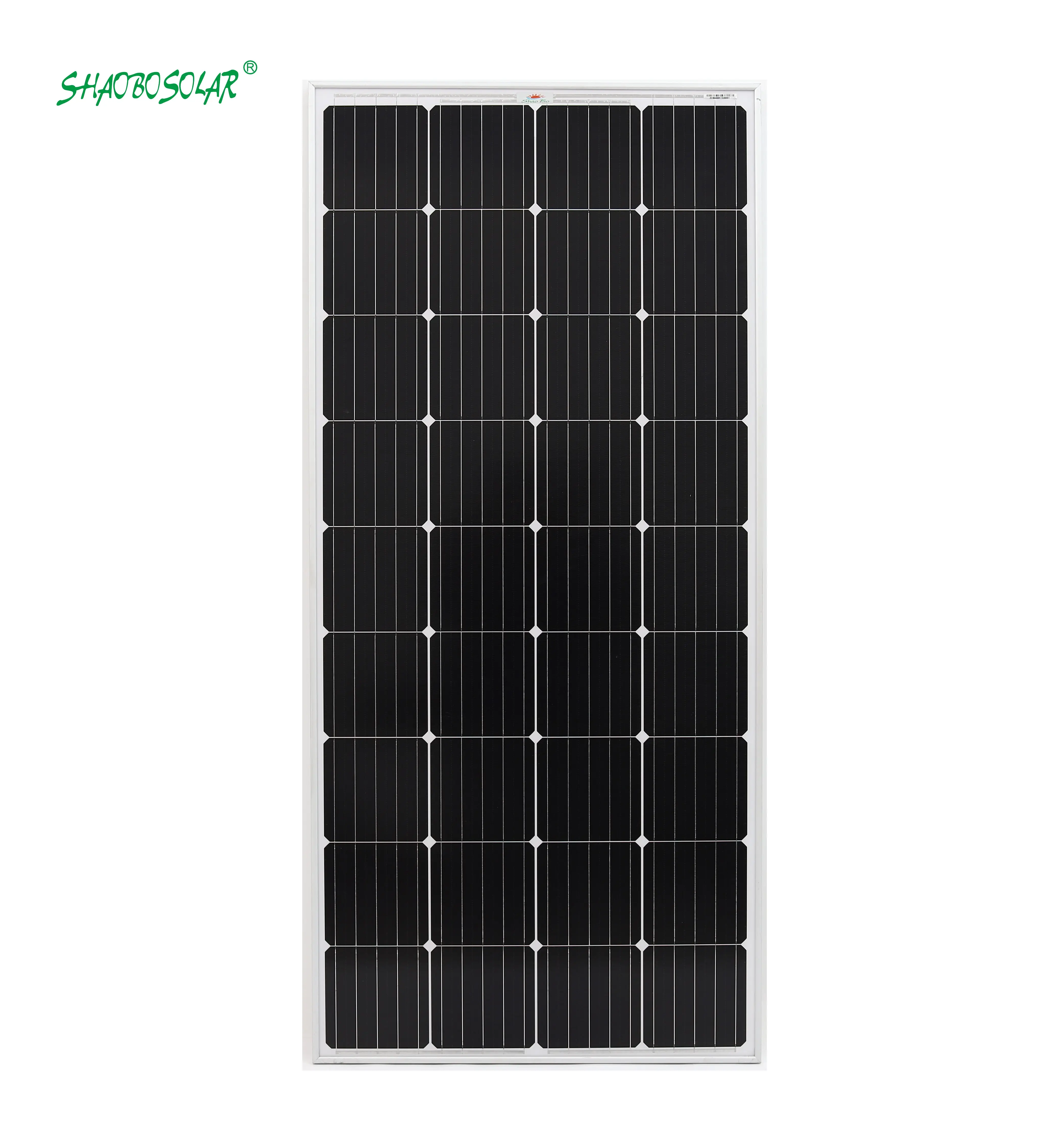
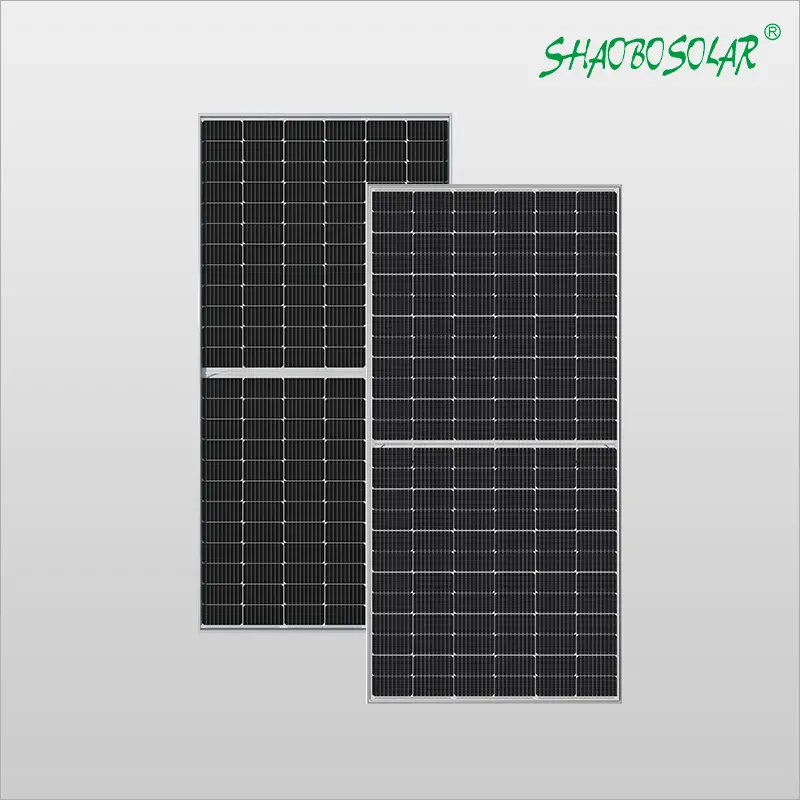
While early adoption relied heavily on older technologies, the Egyptian market is now transitioning toward high-density mono solar panel configurations due to their superior performance in limited space and better efficiency under the intense Egyptian sun.
Evolution of Photovoltaic Technology in Egypt

From basic installations to intelligent energy ecosystems.

Market Development History

Between 2010 and 2015, the Egyptian market was dominated by polycrystalline solar panel technology. These were favored for their lower initial cost, though they struggled with efficiency losses during peak summer heatwaves.

From 2016 to 2021, the introduction of PERC technology revolutionized the sector. This period saw a surge in utility-scale projects and the first widespread adoption of monocrystalline solar panels, which offered a significant leap in conversion rates.

Since 2022, the focus has shifted toward "Smart Integration." The current era is defined by the integration of IoT-enabled inverters and high-capacity storage, transforming a simple setup into a comprehensive house solar power system that provides total energy independence.

Future Development Trends

TOPCon and HJT Technology

We expect a rapid transition to Tunnel Oxide Passivated Contact (TOPCon) cells to further push efficiency boundaries beyond 22% for the Egyptian market.

Bifacial Module Dominance

Given the reflective nature of sandy terrains in Egypt, bifacial modules will become the standard to capture albedo radiation from the ground.

AI-Driven Energy Management

Search trends indicate a growing demand for AI software that predicts weather patterns to optimize battery discharge cycles in residential systems.

Industry Trends and Future Outlook

Strategic directions for the solar manufacturing sector in Egypt.

Thermal Resistance Optimization
Developing cells with lower temperature coefficients to maintain output during 40°C+ Egyptian summers.
Anti-Soiling Coatings
Implementing nano-coatings to prevent dust adherence, reducing the maintenance frequency in desert areas.
Hybrid Storage Integration
Combining Lithium-ion and Sodium-ion batteries for more stable residential power backups.
Grid-Tied Micro-Networks
Developing decentralized grids to improve energy reliability in remote Egyptian villages.

Industry Outlook

The Egyptian solar sector is poised for exponential growth as the government pushes for a higher percentage of renewables in the national energy mix. We anticipate a surge in demand for commercial-grade mono solar panel arrays.

Moreover, the trend toward "Agri-PV" (combining farming with solar) will likely emerge in the Nile Delta, allowing farmers to generate power while protecting crops from excessive evaporation.

Local Application Scenarios in Egypt

Tailored solar solutions for the diverse needs of the Egyptian landscape.

01. Residential Roof-top Power in Cairo

Utilizing compact monocrystalline solar panels to provide a sustainable house solar power system for high-density urban dwellings.

02. Remote Desert Irrigation Systems

Deploying high-durability solar panels to power water pumps for agricultural projects in the New Valley region.

03. Tourist Resort Off-grid Energy

Implementing large-scale mono solar panel arrays in Red Sea resorts to reduce reliance on diesel generators.

04. Industrial Warehouse Powering

Integrating cost-effective polycrystalline solar panel systems on large industrial roofs in the 6th of October City.

05. Rural Electrification in Upper Egypt

Installing standalone solar kits to bring essential lighting and refrigeration to remote villages far from the national grid.

Brand Story

Global Development Journey of Hebei Shaobo Solar Technology Co., Ltd.

Foundational Engineering

Started with a focus on silicon purity, solving the pain point of cell degradation in extreme heat.

Technological Pivot

Transitioned from standard cells to high-efficiency PERC and TOPCon architectures to maximize energy density.

Global Market Expansion

Established strategic partnerships across MENA, tailoring products for the specific climate of Egypt and GCC countries.

Sustainability Integration

Developed closed-loop manufacturing processes to reduce the carbon footprint of each panel produced.

Vision 2030

Aiming to lead the global transition to intelligent, decentralized solar energy ecosystems.

Common Questions for Egypt Solar Users

Expert answers to your technical and installation queries.

Which is better for Egypt: monocrystalline solar panels or polycrystalline?

Monocrystalline panels are generally better for Egypt because they have a higher efficiency and better performance in higher temperature environments compared to polycrystalline options.

How do I maintain a house solar power system in dusty areas?

Regular dry brushing or cleaning with water during early morning/late evening is recommended to prevent sand accumulation from blocking sunlight.

What is the average lifespan of a mono solar panel in the desert?

High-quality mono panels typically last 25-30 years, with a linear power degradation rate of less than 0.5% per year.

Can solar panels operate during sandstorms in Egypt?

Yes, they operate, but output drops significantly due to shading. Our tempered glass ensures they withstand the physical impact of wind-blown sand.

Do I need a battery for my residential solar system in Cairo?

Yes, integrating batteries allows you to use stored energy at night and provides backup during occasional grid outages.

How many solar panels are needed for a typical Egyptian home?

This depends on energy consumption, but typically 8 to 15 high-efficiency panels are sufficient for average household needs in Egypt.

Ready to Switch to Solar?

Get a customized energy consultation for your project in Egypt. Our experts are ready to help you optimize your investment.

Contact Us Now

If you are interested in our products, you can choose to leave your information here, and we will be in touch with you shortly.