
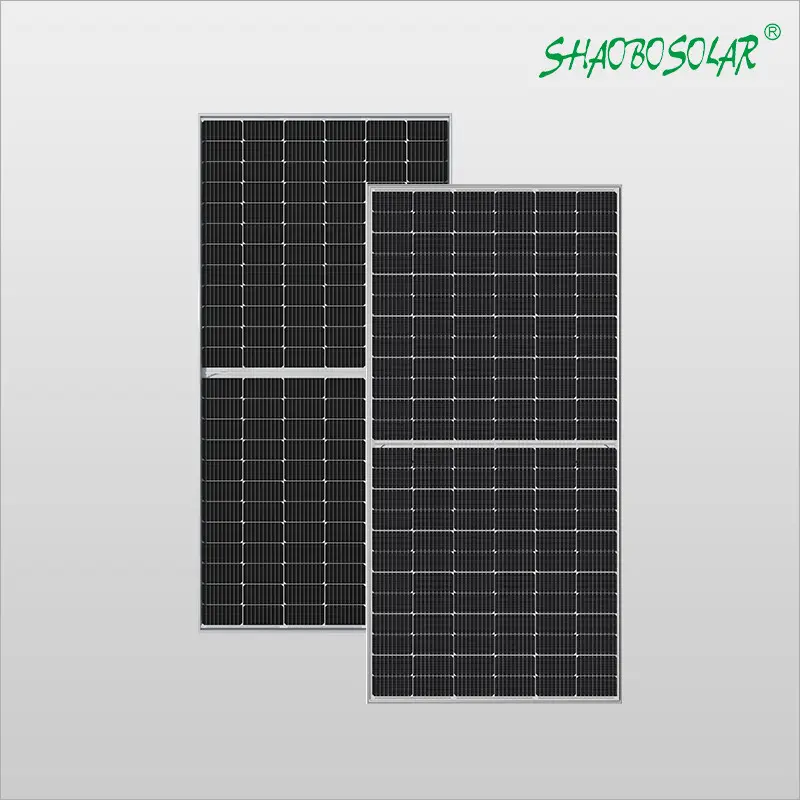
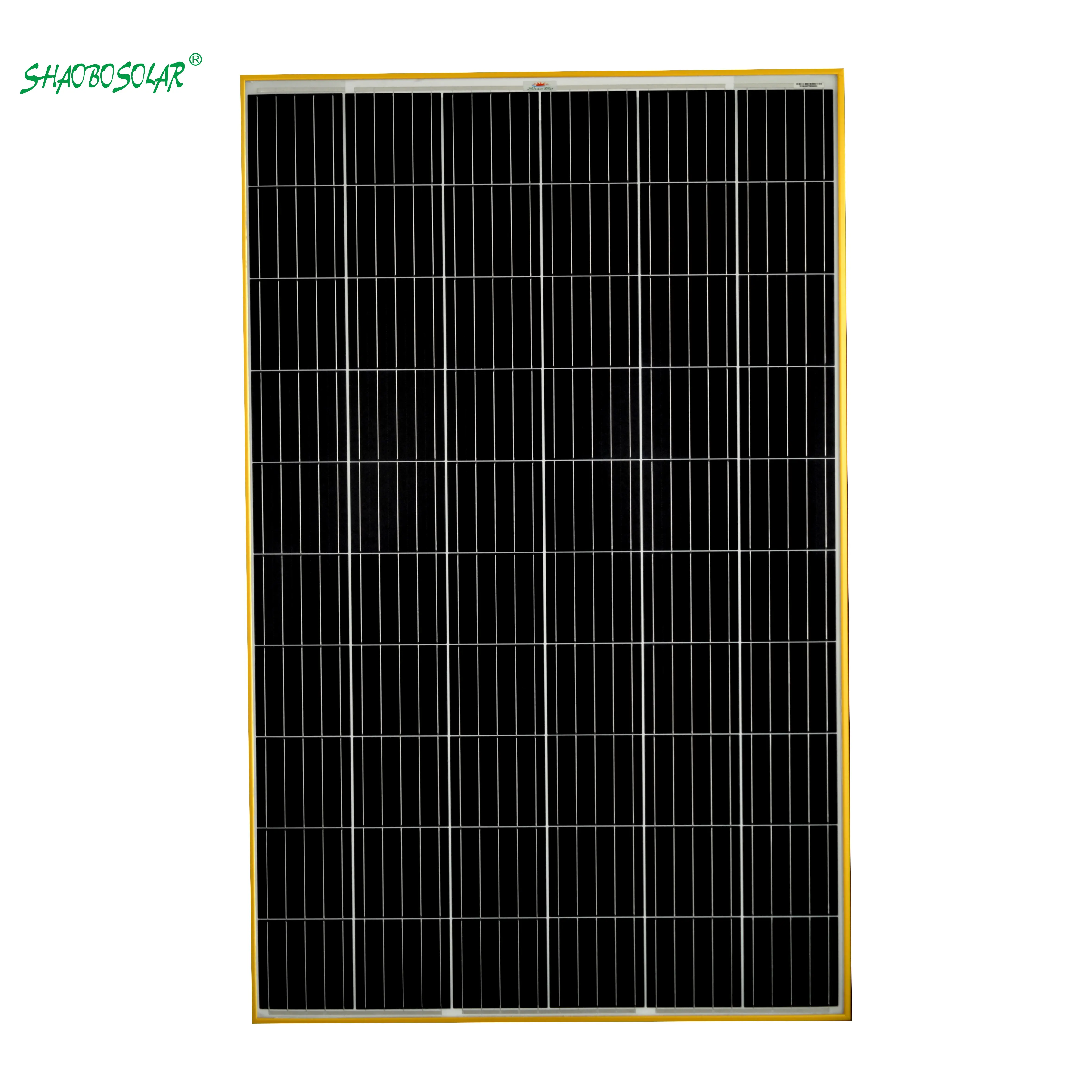
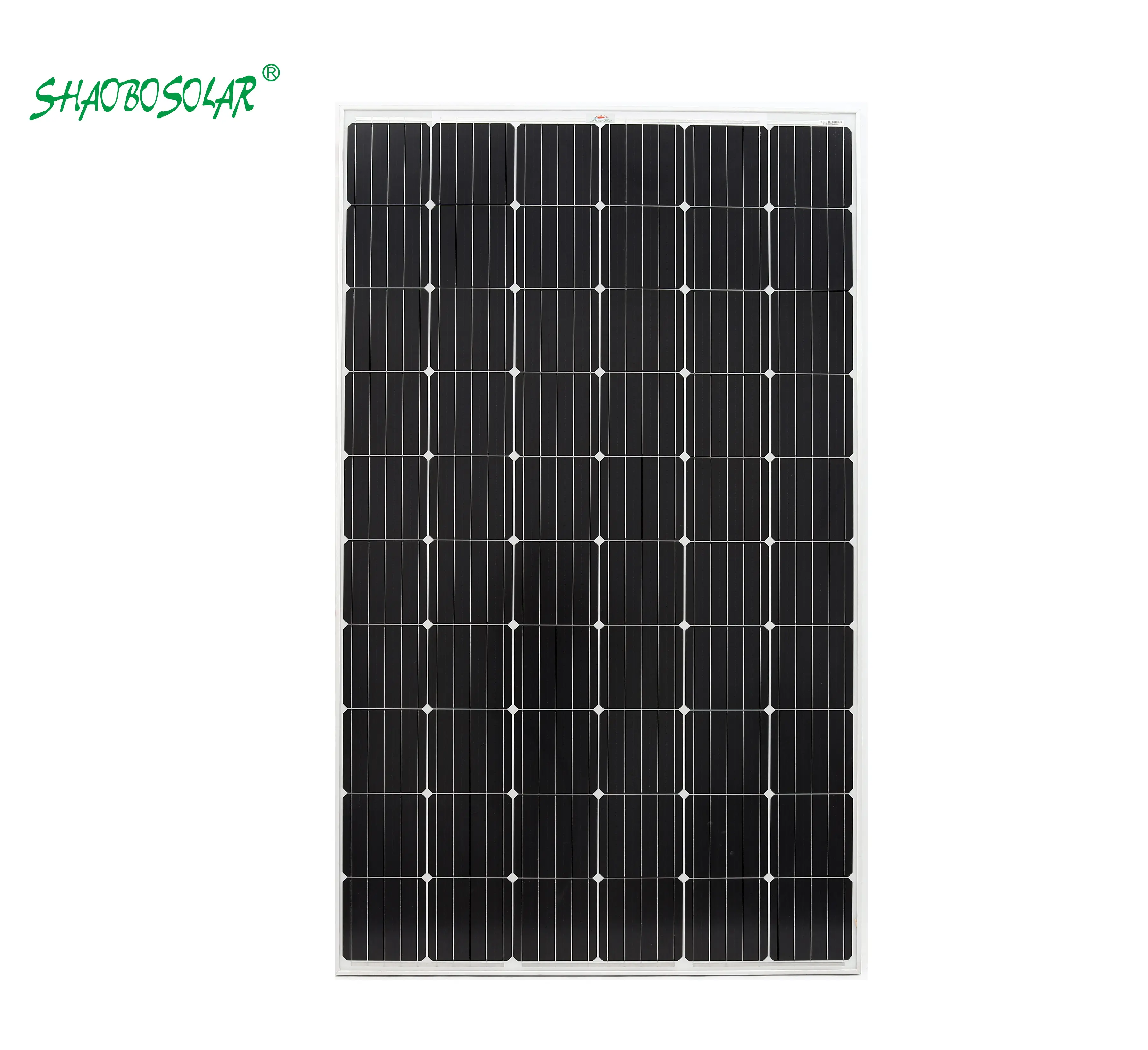
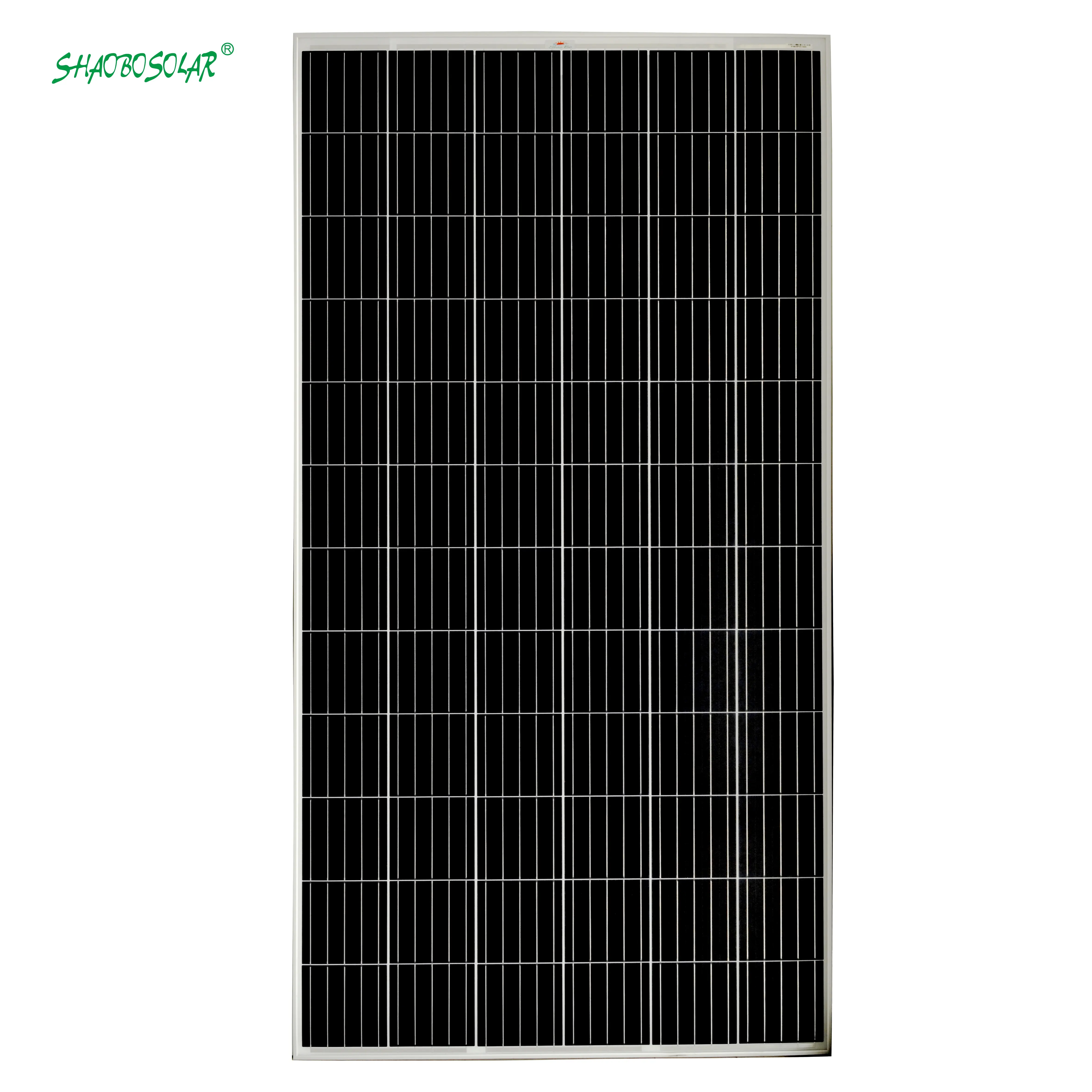
HighEfficiency monocrystalline solar panels for DR Congo Infrastructure

HighEfficiency monocrystalline solar panels for DR Congo Infrastructure

High-Efficiency monocrystalline solar panels for DR Congo Infrastructure

Empowering the Democratic Republic of the Congo with industrial-grade photovoltaic solutions for sustainable energy independence.

High-Efficiency monocrystalline solar panels for DR Congo Infrastructure

Providing cutting-edge solar technology tailored for the unique climatic and geographical challenges of the Democratic Republic of the Congo.

Solar Energy Landscape in the Democratic Republic of the Congo

Analyzing the current adoption of photovoltaic technology in Central Africa.

The Democratic Republic of the Congo possesses immense solar potential due to its equatorial position. However, the vast geography and limited grid connectivity have led to a surge in demand for decentralized solar panels to power remote mining sites and rural villages.

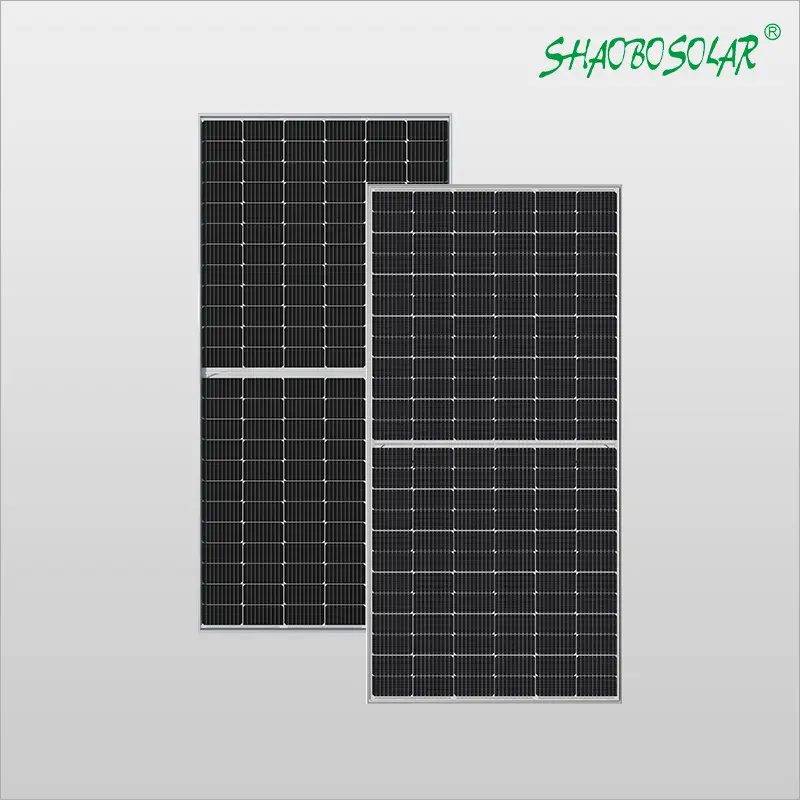
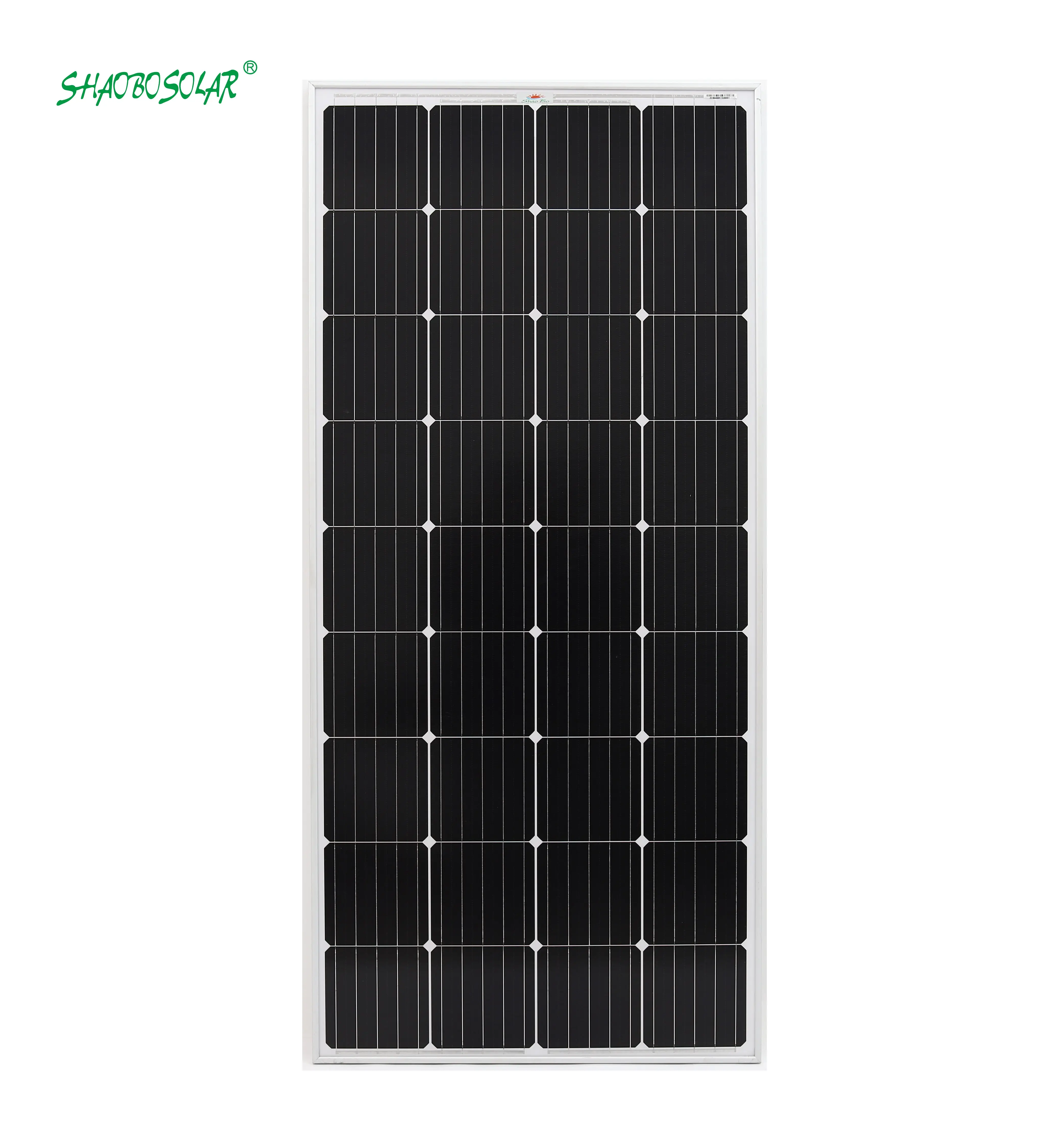
Currently, there is a significant shift from low-efficiency legacy systems to advanced mono solar panel technology. This transition is driven by the need for higher energy density in areas where installation space is limited or where maximum output is required during the rainy season.

The market is increasingly prioritizing robustness. Given the high humidity and temperature fluctuations in the Congo Basin, the adoption of a reliable house solar power system has become a primary goal for urban residents seeking to escape frequent power outages.
Evolution and Trajectory of Solar Technology in DRC

From basic lighting to industrial energy autonomy.

Market Development History

In the early 2010s, the market was dominated by small-scale polycrystalline solar panel installations, primarily used for basic LED lighting and mobile charging in rural areas due to their lower initial cost.

Between 2015 and 2020, a technical pivot occurred. The introduction of PERC technology improved the efficiency of silicon wafers, leading to the widespread adoption of monocrystalline cells which performed better in the diffused light conditions of the Congo's tropical forests.

From 2021 to the present, the focus has shifted toward integrated storage. The transition from standalone panels to complete hybrid systems allows for 24/7 energy stability, bridging the gap between energy generation and consumption.

Future Development Trends

Bifacial Module Integration

Increasing adoption of bifacial panels to capture reflected light from sandy or light-colored soils, maximizing yield per square meter.

N-Type TopCon Technology

A move towards N-type cells to reduce LID (Light Induced Degradation), ensuring long-term stability in the extreme heat of Central Africa.

Smart Micro-Grid Expansion

Integration of AI-driven energy management to balance loads across community-based solar clusters.

Industry Trends and Future Outlook

Strategic projections for the photovoltaic sector in DR Congo.

Efficiency Optimization
Transitioning to high-density monocrystalline cells to overcome cloud-cover limitations.
Storage Integration
Scaling Lithium-Iron Phosphate (LiFePO4) batteries for stable nighttime power.
Industrialization
Developing large-scale solar farms to support the mining sector's energy needs.
Climate Resilience
Enhancing module durability against high humidity and tropical storm winds.

Industry Outlook

Based on regional search trends, the demand for monocrystalline solar panels is expected to grow by 15% annually in DRC. This growth is tied to the government's focus on rural electrification and the declining cost of high-efficiency silicon.

The future will see a convergence of solar and IoT, where residential systems can be monitored remotely via mobile networks, optimizing energy distribution in Kinshasa and Lubumbashi.

Local Application Scenarios in DRC

Real-world implementations of solar technology across the Congo landscape.

01. Mining Camp Power Stations

Deploying industrial-scale monocrystalline arrays to replace diesel generators in remote cobalt and copper mines, reducing operational costs and carbon footprints.

02. Rural Health Clinic Electrification

Installing compact solar panels to provide refrigeration for vaccines and lighting for emergency surgeries in deep jungle regions.

03. Urban Residential Energy Independence

Implementing a full house solar power system for city homeowners to ensure uninterrupted power for home offices and appliances.

04. Agricultural Irrigation Systems

Utilizing solar-powered water pumps for small-scale farming, increasing crop yields by ensuring a consistent water supply during dry spells.

05. Off-Grid Educational Hubs

Providing solar energy for laptops and internet routers in rural schools, bridging the digital divide for the next generation of Congolese students.

Brand Story

Global Development Journey of Hebei Shaobo Photovoltaic Technology Co., Ltd.

Foundational Innovation

Established with a mission to solve the efficiency gap in silicon cell manufacturing, focusing on high-purity material sourcing.

Market Expansion

Expanding our footprint into emerging markets, specializing in durable modules for harsh environmental conditions.

Technical Breakthrough

Pioneering advanced encapsulation techniques that prevent moisture ingress, ideal for tropical climates like the Congo Basin.

Global Partnerships

Collaborating with international NGOs and governments to bring sustainable lighting to underserved regions across Africa.

Commitment to Sustainability

Integrating circular economy principles by developing recyclable solar components for a greener planetary future.

Common Questions About Solar Energy in DRC

Expert answers to the most frequent technical and commercial queries.

Which is better for Congo's climate: monocrystalline or polycrystalline solar panels?

Monocrystalline panels are generally superior for the DRC because they have higher efficiency in low-light and cloudy conditions, which are common in the tropical rainforest regions.

What capacity is required for a standard house solar power system in Kinshasa?

For a standard household, a 3kW to 5kW system with adequate battery storage is usually sufficient to cover basic lighting, refrigeration, and electronics.

How do mono solar panel installations handle the high humidity of the Congo Basin?

Our panels utilize advanced EVA encapsulation and anodized aluminum frames to prevent corrosion and moisture penetration, ensuring a long operational life.

Can I mix different types of solar panels in one array?

It is not recommended to mix polycrystalline and monocrystalline panels in the same string, as the differing current and voltage characteristics will lower the overall system efficiency.

What is the average lifespan of a solar installation in Central Africa?

With proper maintenance and high-quality components, our solar modules typically maintain over 80% efficiency for 25 years.

How to protect solar panels from lightning strikes during the rainy season?

We recommend installing high-quality surge protection devices (SPD) and ensuring the entire mounting structure is properly grounded to the earth.

Ready to Power Your Future?

Get a customized photovoltaic consultation for your projects in the Democratic Republic of the Congo.

Contact Us Now

If you are interested in our products, you can choose to leave your information here, and we will be in touch with you shortly.