
HighEfficiency monocrystalline solar panels for Chile’s Solar Energy Transition

HighEfficiency monocrystalline solar panels for Chile’s Solar Energy Transition

  • Home
  • Global Service
  • HighEfficiency monocrystalline solar panels for Chile’s Solar Energy Transition

High-Efficiency monocrystalline solar panels for Chile's Solar Energy Transition

Empowering Chilean homes and industries with cutting-edge photovoltaic technology designed for the Atacama's extreme irradiance.

High-Efficiency monocrystalline solar panels for Chile's Solar Energy Transition

We provide premium solar energy solutions tailored for the unique geographical conditions of Chile, ensuring maximum energy yield and long-term durability.

The State of Solar Energy in Chile

Analyzing the synergy between the Atacama Desert's radiation and modern photovoltaic technology.

Chile possesses some of the highest solar radiation levels globally, particularly in the north. This geographical advantage has accelerated the adoption of solar panels across the region, transitioning the country from a reliance on imported fossil fuels to a leader in renewable energy.

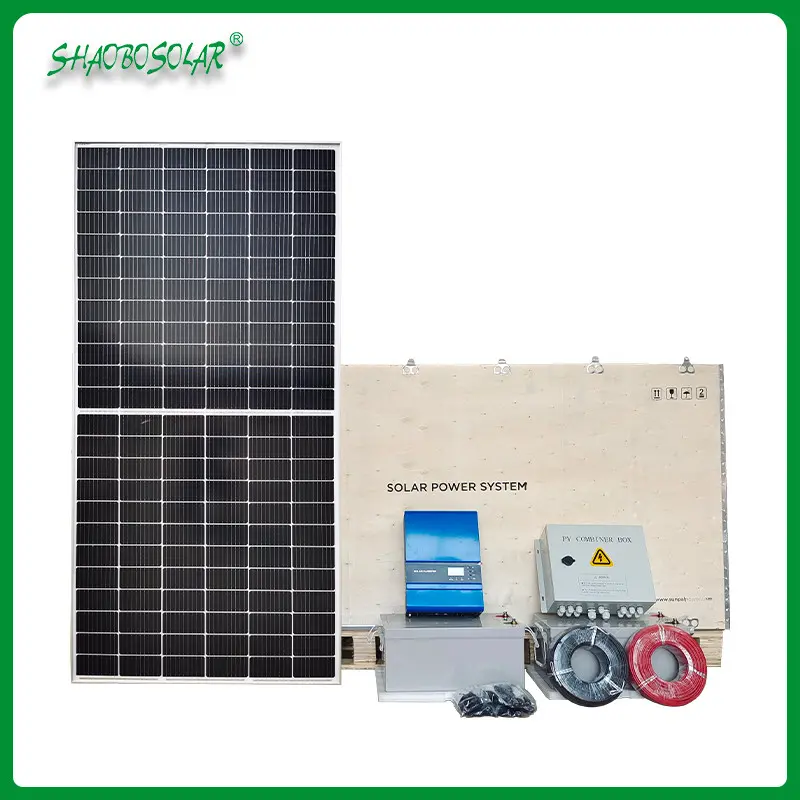
In the residential sector, the demand for a reliable house solar power system has surged due to rising electricity costs and government incentives for net-billing, allowing homeowners to sell excess energy back to the grid.

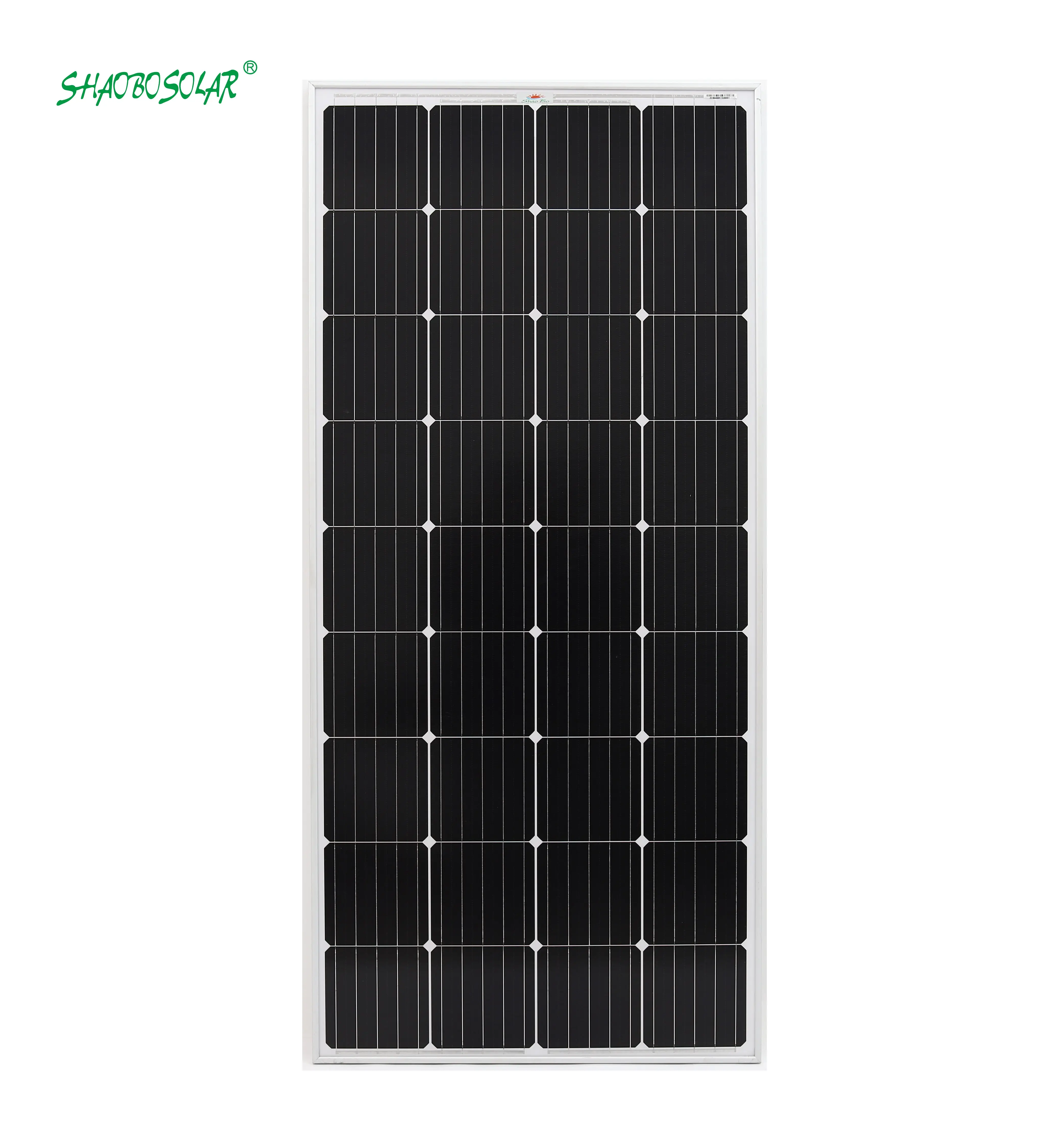
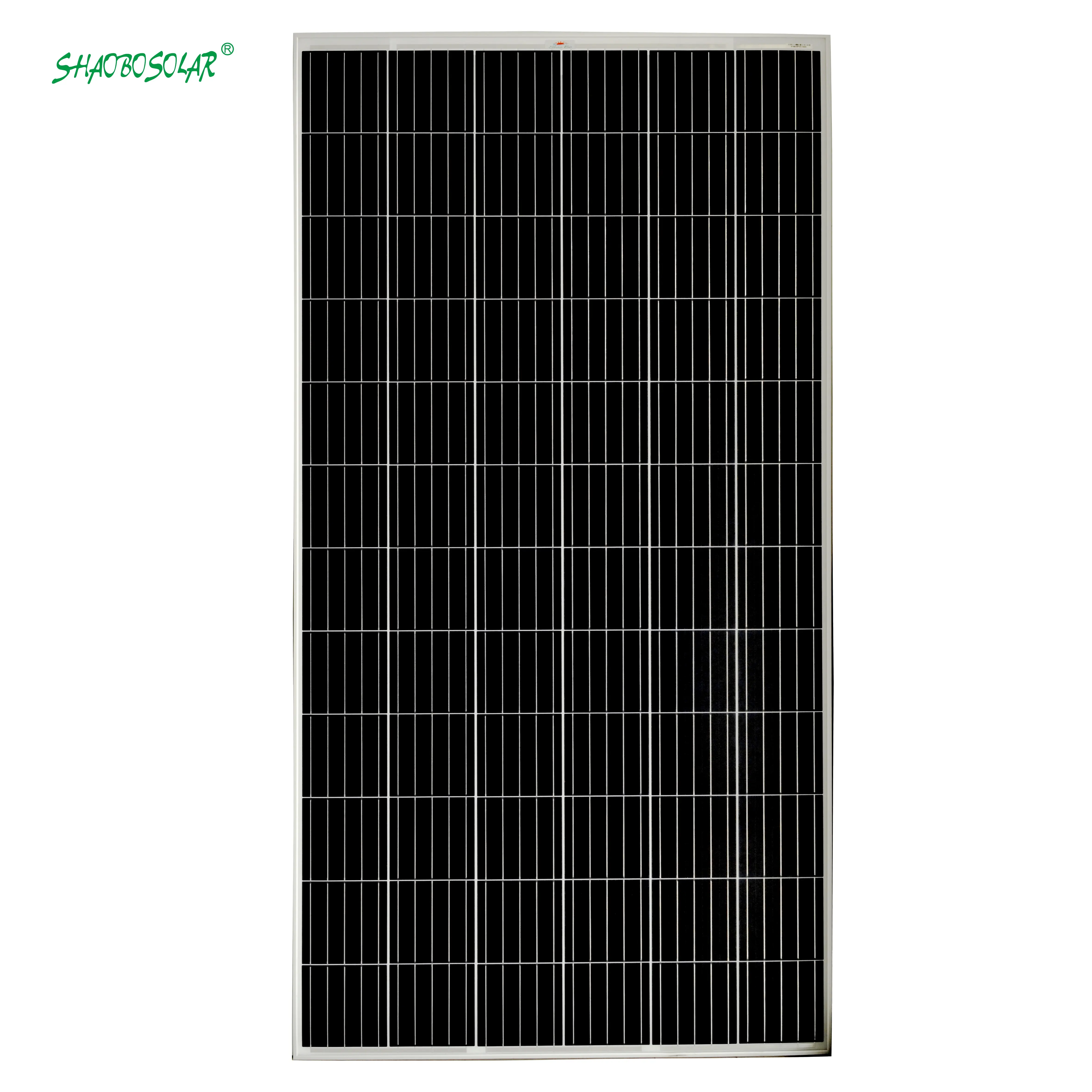
Despite the abundance of light, the industry faces challenges such as high UV degradation and dust accumulation in arid zones, necessitating the use of high-grade mono solar panel technology to maintain efficiency under extreme thermal stress.
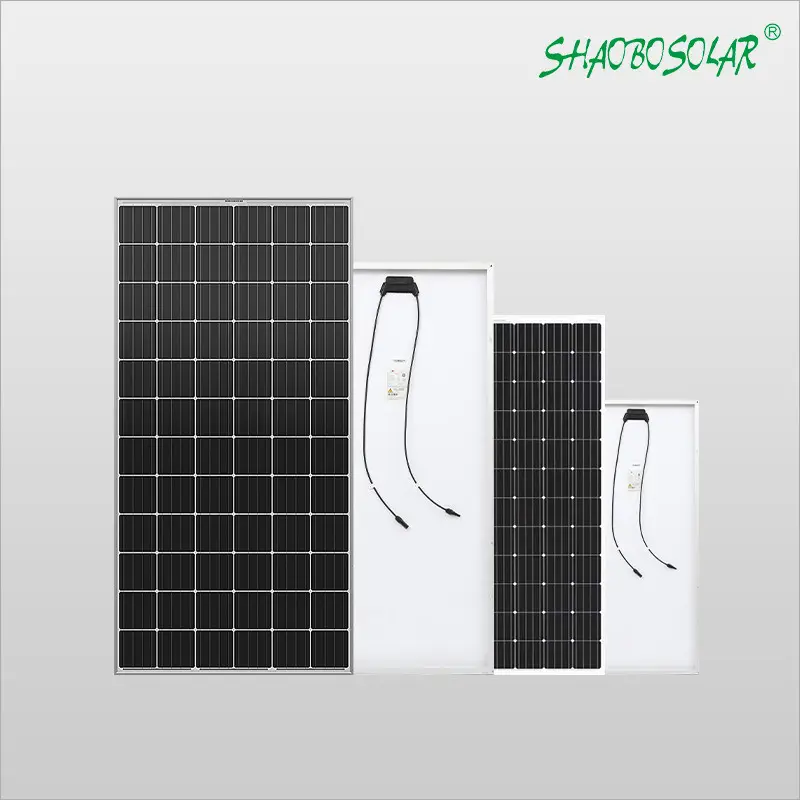
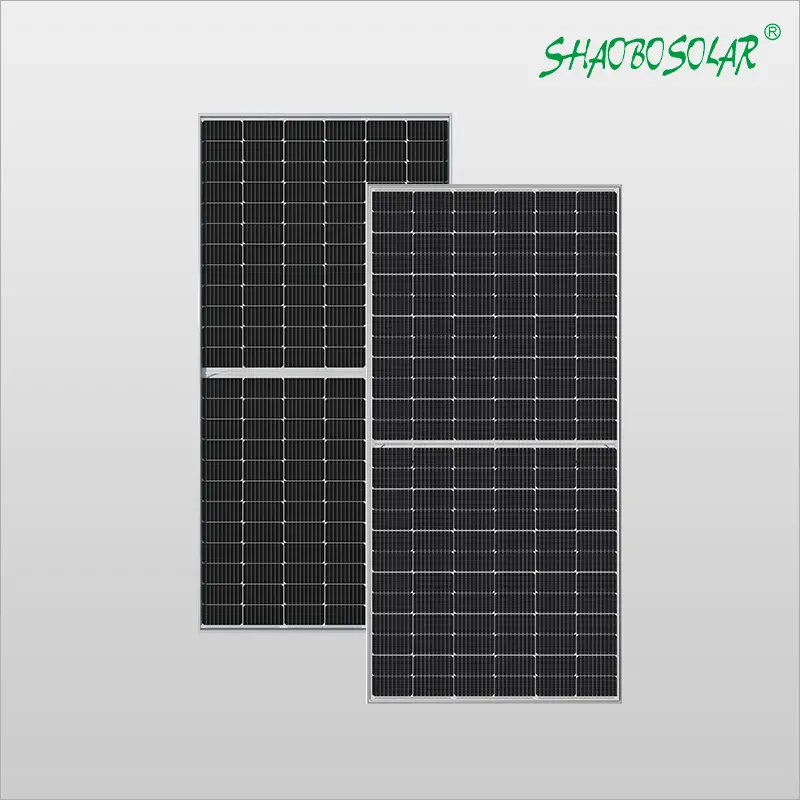
Evolution of Solar Tech in Chile

From early polycrystalline deployments to the era of N-Type high-efficiency cells.

Market Development History

Between 2010 and 2015, the Chilean market was dominated by polycrystalline solar panel installations. These were cost-effective for the first wave of utility-scale projects but struggled with lower efficiency in the limited space of urban residential areas.

From 2016 to 2020, a significant shift occurred toward PERC (Passivated Emitter and Rear Cell) technology. This period saw a massive increase in the installation of monocrystalline solar panels, which offered better performance in the high-temperature environments of the northern provinces.

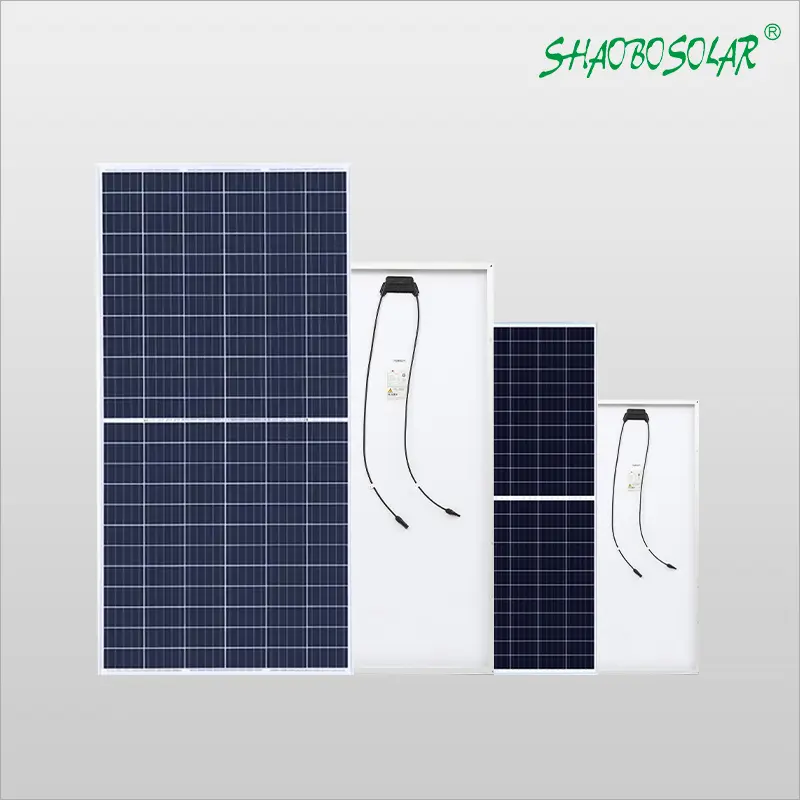
Since 2021, the trend has evolved toward TOPCon and HJT (Heterojunction) technologies, focusing on reducing LID (Light Induced Degradation) and increasing the bifacial gain to capture reflected light from the sandy Chilean soils.

Future Development Trends

Bifacial Module Integration

The adoption of bifacial modules will grow as they maximize energy harvest from the high albedo of the Atacama Desert surfaces.

AI-Driven Energy Management

Integration of smart inverters and AI to optimize the house solar power system for peak demand shifting in Chilean cities.

Storage Hybridization

A shift toward "Solar + Storage" to solve the instability of the SEN (National Electrical System) during night-time peaks.

Industry Outlook and Future Prospects

Projecting the trajectory of photovoltaic manufacturing and deployment in South America.

N-Type Efficiency Surge
Transitioning toward N-Type cells to eliminate boron-oxygen defects, increasing lifespan in harsh Chilean climates.
Grid Decentralization
Increasing reliance on micro-grids for remote mining sites in the Andes using high-capacity mono solar panels.
Agrivoltaics Growth
Combining solar panels with agriculture in the Central Valley to optimize land and water use.
Circular Economy
Implementing panel recycling programs to manage the end-of-life cycle of first-generation installations.

Industry Outlook

Based on Google search trends, queries for "energy independence" and "home battery storage" in Chile are increasing by 25% annually. This indicates a transition from simple energy generation to sophisticated energy management.

The next 3-5 years will see the total dominance of mono-PERC and TOPCon modules, as the cost gap between poly and mono has vanished, and the priority has shifted to maximize the limited roof space of urban residences in Santiago and Valparaíso.

Localized Solar Applications in Chile

Practical implementations across Chile's diverse climatic zones.

01. Atacama Industrial Solar Parks

Deployment of large-scale bifacial modules to power copper mining operations, reducing operational costs and carbon footprints in the northern desert.

02. Santiago Residential Roof-tops

Installation of a compact house solar power system for urban homes, utilizing high-efficiency mono-cells to maximize limited space.

03. Central Valley Agrivoltaics

Implementing elevated solar structures over vineyards, providing shade for crops while generating power for irrigation pumps.

04. Patagonia Remote Off-grid Systems

Using ruggedized solar panels and battery arrays to provide electricity to isolated tourism lodges in the far south.

05. Coastal Desalination Plants

Integration of solar energy to power reverse osmosis plants along the coast, addressing the critical water scarcity issues in the region.

Brand Story

Global Development History of Hebei Shaobo Photovoltaic Technology Co., Ltd.

Foundational Innovation

Established with a focus on bridging the gap between industrial efficiency and affordable solar access for emerging markets.

Technical Breakthroughs

Pioneered high-stability cell architectures that resist degradation in high-UV environments, specifically for desert regions.

Global Market Expansion

Expanded our footprint into South America, establishing strategic partnerships to bring tier-1 solar technology to Chile.

Sustainable Commitments

Implementing green manufacturing processes to ensure that the production of our solar modules is as clean as the energy they generate.

Future Vision

Aiming to be the primary provider of intelligent solar solutions for the entire Latin American energy transition.

Chile Solar FAQ

Addressing the most common technical and commercial queries from the Chilean market.

Which is better for Northern Chile: mono solar panel or polycrystalline?

For Northern Chile, a mono solar panel is highly recommended due to its superior temperature coefficient, meaning it maintains higher efficiency as the panel temperature rises in the desert heat.

How long does a typical house solar power system last in Chile?

Most high-quality systems come with a 25-year linear power output warranty. With proper maintenance and cleaning of dust, they can remain operational for 30 years.

Are monocrystalline solar panels worth the extra cost in the Central Valley?

Yes, because they offer a higher power density, allowing you to generate more electricity from a smaller roof area, which is critical for residential properties in cities like Santiago.

How does dust affect the efficiency of solar panels in the Atacama?

Dust accumulation (soiling) can reduce output by up to 20%. We recommend robotic dry-cleaning or scheduled water-free cleaning for large installations.

Can I use a polycrystalline solar panel for small off-grid projects?

While possible and cheaper, we suggest modern mono-cells as the price difference has shrunk, and the performance gain in low-light conditions is significant.

What certifications are required for solar equipment in Chile?

Equipment should comply with IEC 61215 and IEC 61730 standards to ensure safety and performance, and meet the SEC (Superintendencia de Electricidad y Combustibles) regulations.

Ready to Transition to Solar?

Our experts are ready to design the perfect energy solution for your specific needs in Chile.

Contact Us Now

If you are interested in our products, you can choose to leave your information here, and we will be in touch with you shortly.