
HighEfficiency mono solar panel Solutions for Central African Republic

HighEfficiency mono solar panel Solutions for Central African Republic

High-Efficiency mono solar panel Solutions for Central African Republic

Empowering the Central African Republic with sustainable, tier-1 photovoltaic technology tailored for tropical climates and off-grid resilience.

High-Efficiency mono solar panel Solutions for Central African Republic

Providing the most reliable energy infrastructure for the Central African Republic using advanced monocrystalline technology to maximize power output in equatorial regions.

Energy Landscape of Central African Republic

Analyzing the shift toward decentralized power systems in the heart of Africa.

The Central African Republic faces significant challenges with centralized power grids, leaving many rural and urban areas dependent on expensive diesel generators. However, the high solar irradiance levels make solar panels the most viable alternative for achieving energy independence and reducing operational costs for local businesses.

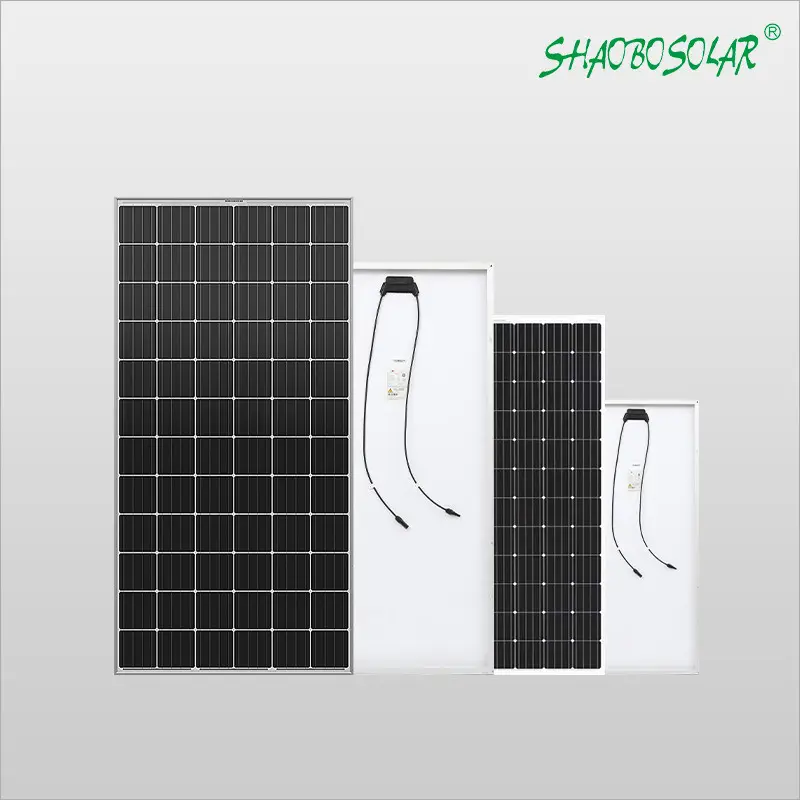
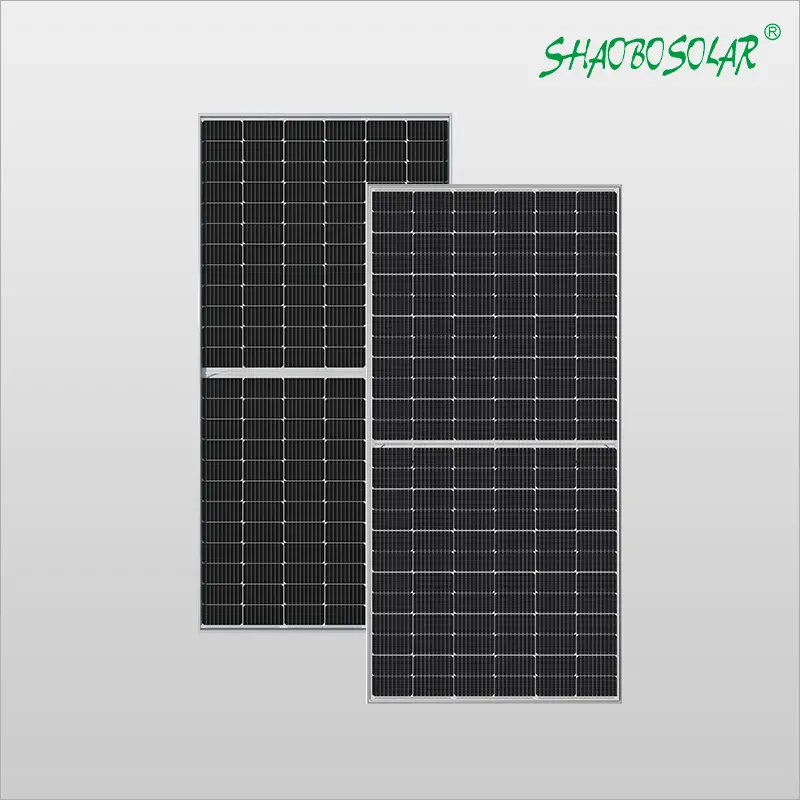
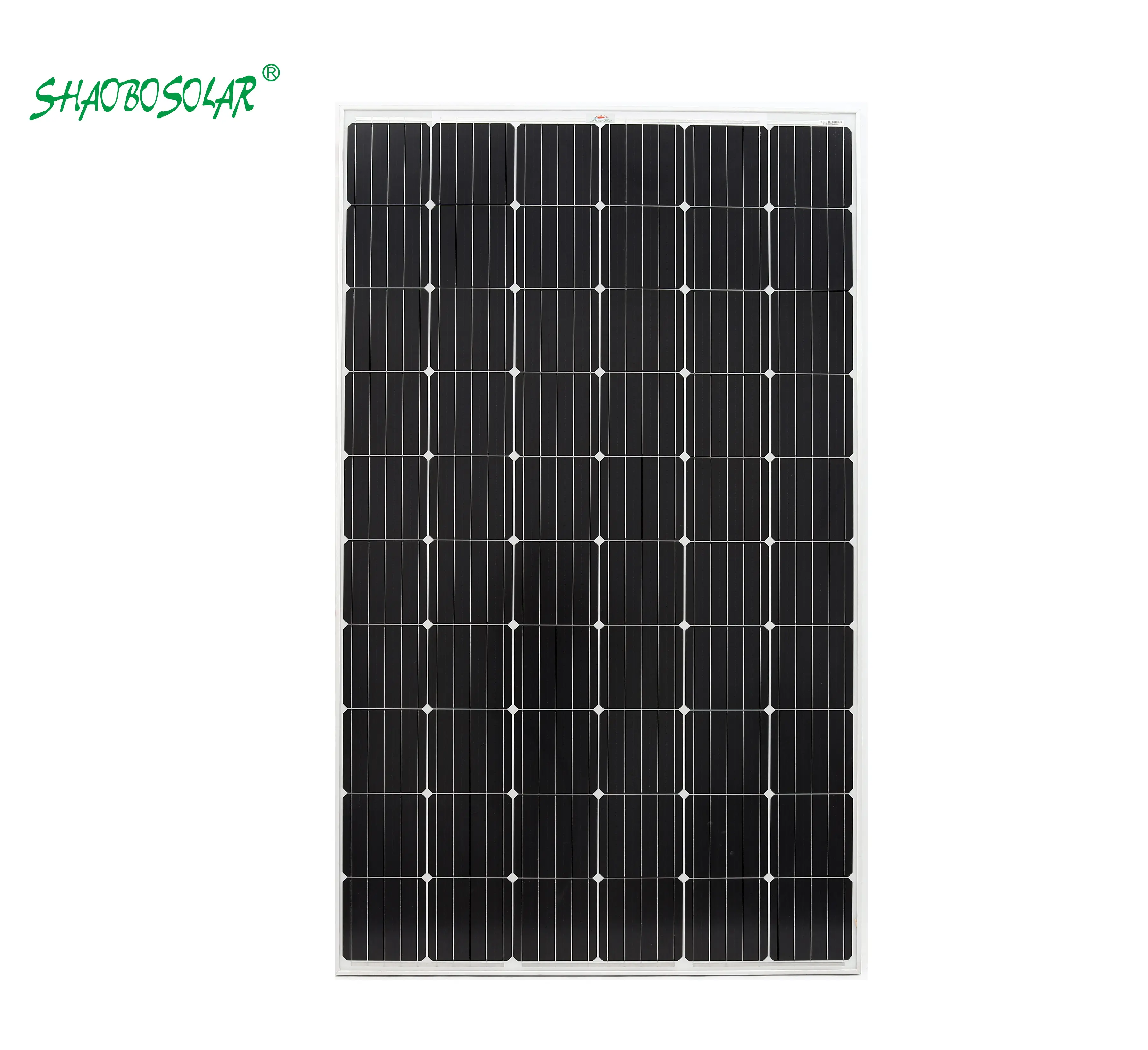
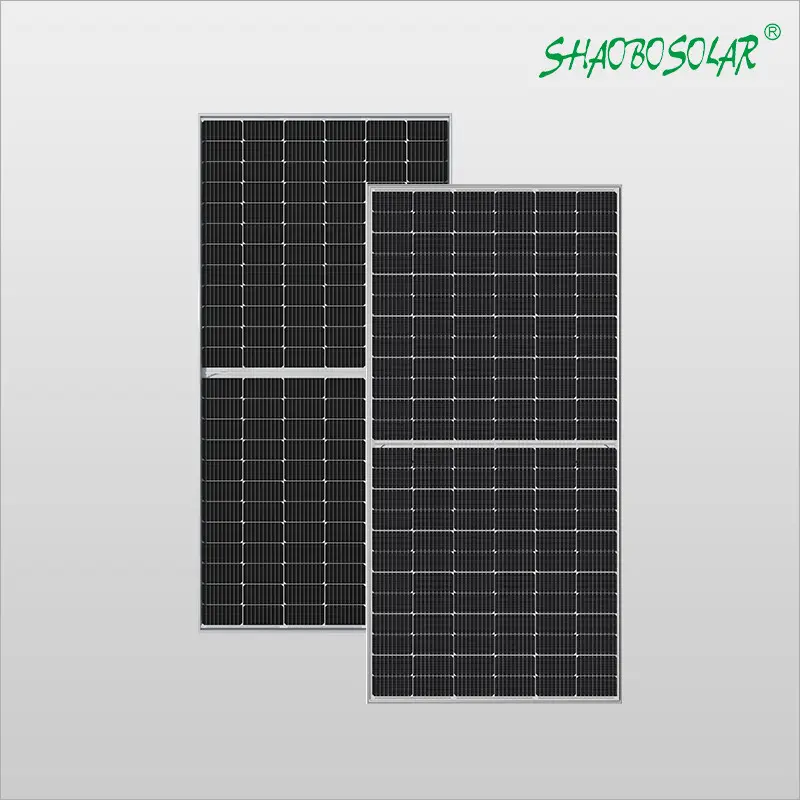
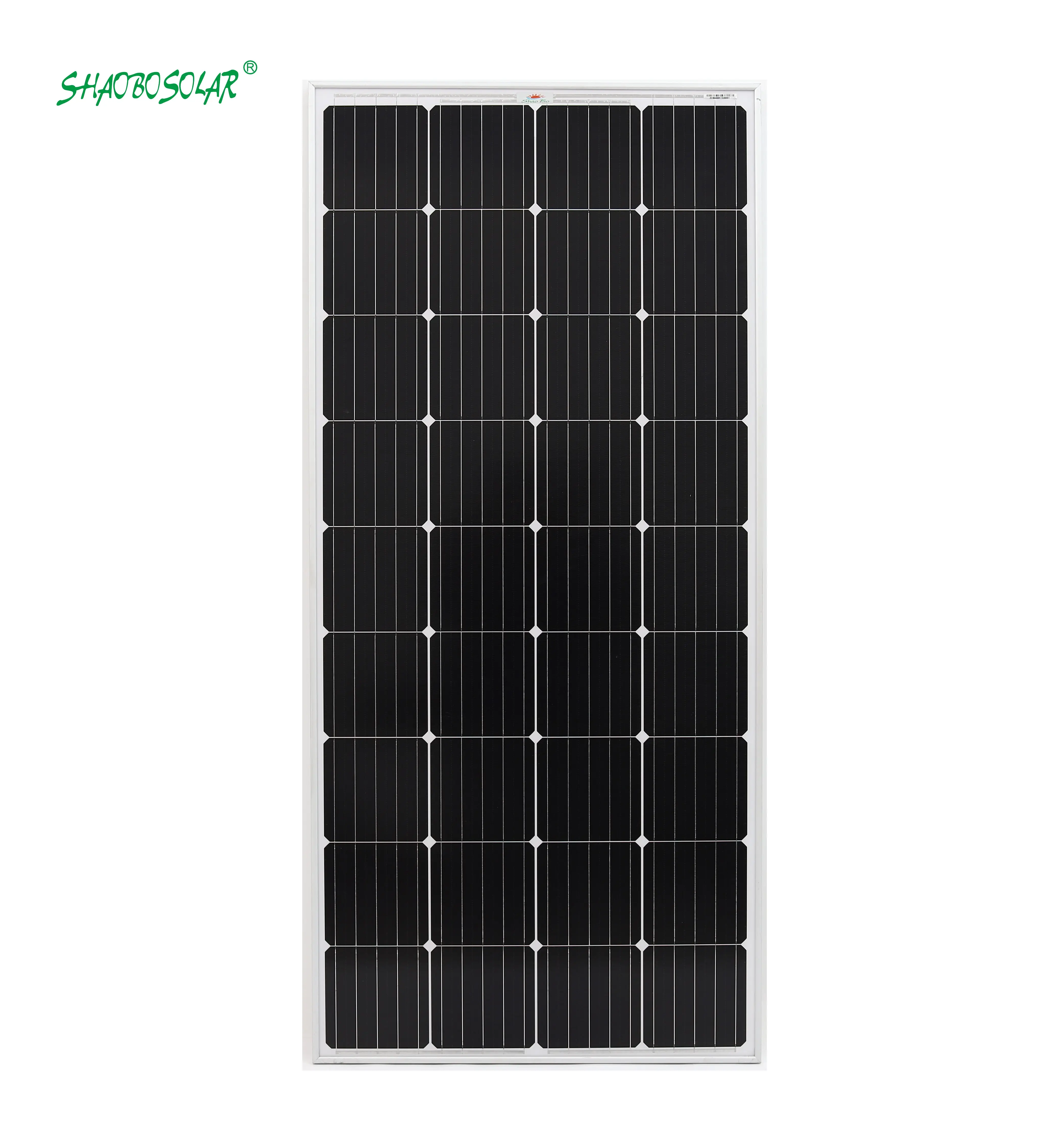
In the humid, tropical environment of CAR, equipment durability is paramount. The market is increasingly shifting toward monocrystalline solar panels due to their superior efficiency in limited spaces and better performance under high-temperature conditions compared to older technologies.

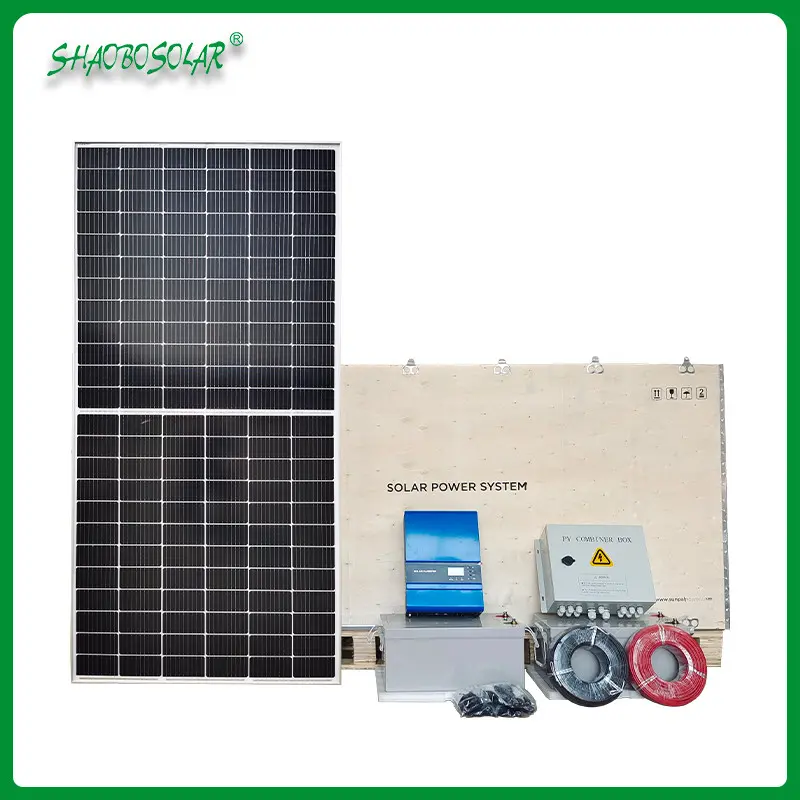
Economic growth in regions like Bangui is driving the demand for a comprehensive house solar power system, allowing residential users to bypass unstable infrastructure and secure 24/7 electricity for lighting, refrigeration, and communication.
Evolution of PV Technology in CAR

From basic lighting to sophisticated energy autonomy.

Market Development History

Between 2000 and 2010, the region primarily relied on small-scale polycrystalline solar panel installations. These were mainly used for basic street lighting and small calculators, offering affordable but lower-efficiency energy capture.

From 2011 to 2020, a transition occurred as the cost of silicon dropped. The market saw an influx of hybrid systems where users began integrating battery storage, marking the rise of the standalone residential power plant concept.

Since 2021, the focus has pivoted toward high-density energy. The adoption of PERC and TOPCon technologies has made mono solar panel modules the industry standard for new commercial and government projects in the region.

Future Development Trends

Bifacial Module Adoption

Increasing use of double-sided panels to capture reflected light from sandy soils, increasing total yield by up to 15%.

Smart Energy Management

Integration of IoT-based monitoring to track energy production and battery health via mobile devices in remote villages.

LFP Battery Integration

A shift from lead-acid to Lithium Iron Phosphate (LiFePO4) to handle the extreme heat cycles of the Central African climate.

Industry Outlook & Future Trajectory

Projecting the solar energy expansion in the Central African Republic.

Efficiency Optimization
Transitioning to N-type cells to reduce degradation in high-temperature environments.
Micro-grid Expansion
Scaling from single-home systems to village-level energy sharing networks.
Agricultural Integration
Implementing solar-powered irrigation systems to boost food security in CAR.
Sustainable Financing
Introduction of Pay-as-you-go (PAYG) models to make solar accessible to low-income users.

Industry Outlook

Based on Google Search trends and regional infrastructure gaps, we predict a surge in demand for integrated energy storage solutions. The market is moving away from simple panel sales toward complete "energy-as-a-service" packages.

As the Central African Republic seeks to modernize its industrial base, the synergy between high-efficiency PV modules and local energy cooperatives will become the primary driver of electrical accessibility over the next 5 years.

Local Application Scenarios in CAR

Real-world implementations of solar technology in the Central African Republic.

01. Residential Energy Independence

Deploying a complete house solar power system in Bangui to provide reliable electricity for families, eliminating reliance on costly diesel fuel.

02. Rural Healthcare Electrification

Installing high-efficiency monocrystalline solar panels in remote clinics to power essential vaccine refrigerators and nighttime emergency lighting.

03. Agricultural Water Pumping

Utilizing robust solar arrays to drive irrigation pumps, enabling year-round crop production despite seasonal rainfall variations.

04. Telecommunication Tower Power

Replacing generator-based power with solar-plus-storage for mobile network towers in the hinterlands to ensure uninterrupted connectivity.

05. Small Business Operational Continuity

Equipping local markets and workshops with hybrid solar systems to power tools and cooling systems, reducing overhead costs.

Brand Story

Global Development Journey of Hebei Shaobo Solar Technology Co., Ltd.

Foundational Innovation

Started with a mission to optimize silicon purity, focusing on solving the efficiency gaps in early-stage solar cell manufacturing.

Technical Breakthroughs

Developed advanced PERC technology, enabling modules to operate more efficiently in low-light and high-heat environments.

Global Market Expansion

Expanded operations to Africa and Southeast Asia, adapting product designs to meet the harsh climatic needs of equatorial regions.

Quality Certification

Achieved international TUV and CE certifications, ensuring that every module meets the strictest global safety and performance standards.

Sustainability Leadership

Committed to a carbon-neutral manufacturing process, providing the world with truly green energy solutions for a better tomorrow.

Common Questions in Central African Republic

Expert answers to the most frequent solar installation queries in the region.

What is the best solar panel for the hot climate of CAR?

We highly recommend monocrystalline solar panels because they have a lower temperature coefficient, meaning they maintain higher efficiency levels as the ambient temperature rises compared to other types.

How to choose the right house solar power system for a family?

The right system depends on your daily wattage consumption. For a standard household in Bangui, we suggest calculating the total load of your appliances and selecting a system with at least 20% overhead capacity to ensure stability during cloudy days.

Do polycrystalline solar panels still have a place in modern setups?

Yes, a polycrystalline solar panel is often a cost-effective choice for large-scale projects where space is not a constraint and the primary goal is reducing initial capital expenditure.

How long do monocrystalline solar panels last in tropical humidity?

Our high-quality mono panels are engineered with advanced encapsulation and anti-corrosive frames, typically offering a performance warranty of 25 years even in humid tropical environments.

Can I expand my current solar panels setup in the future?

Absolutely. By using a modular inverter and scalable battery banks, you can start with a basic system and add more modules as your energy needs grow.

What maintenance is required for solar systems in CAR?

Due to dust accumulation during the dry season, we recommend cleaning the panel surfaces with water every few weeks to prevent shading and maintain peak energy conversion efficiency.

Ready to Transition to Solar?

Contact our engineering team today for a customized energy audit and technical proposal tailored for Africa - Central African Republic.

Contact Us Now

If you are interested in our products, you can choose to leave your information here, and we will be in touch with you shortly.