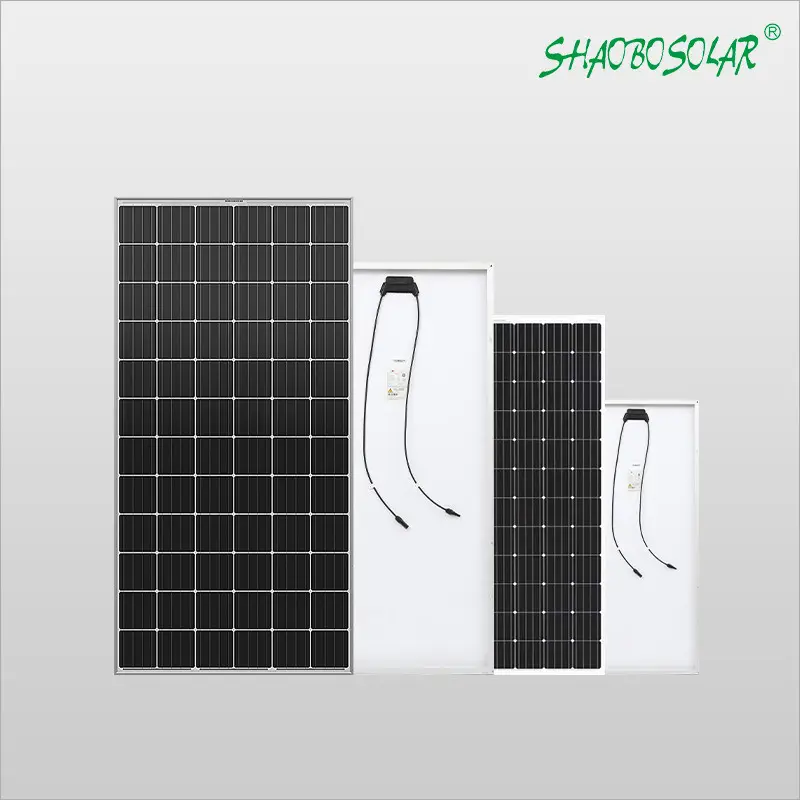
HighEfficiency house solar power system Solutions for Zambia

HighEfficiency house solar power system Solutions for Zambia

High-Efficiency house solar power system Solutions for Zambia

Empowering Zambian homes and businesses with cutting-edge photovoltaic technology to overcome energy instability and maximize solar irradiance.

High-Efficiency house solar power system Solutions for Zambia

Providing scalable and durable solar energy infrastructure designed specifically for the Zambian climate, ensuring consistent power delivery for residential and commercial applications.

Energy Landscape of Solar Integration in Zambia

Analyzing the adoption of photovoltaic technology amidst Zambia's unique geographical and economic conditions.

Zambia possesses one of the highest solar radiation levels in Southern Africa, yet the national grid remains heavily dependent on hydroelectric power. This dependency has led to severe load-shedding during drought periods, creating an urgent demand for reliable solar panels to provide energy security for both urban and rural populations.

Currently, the market is transitioning from small-scale lighting kits to comprehensive mono solar panel installations. The growth is driven by the decreasing cost of silicon wafers and an increasing awareness among Zambian SMEs of the long-term operational savings associated with self-generation.

However, the industry faces challenges such as high initial capital expenditure and a lack of standardized installation practices. There is a growing shift toward high-efficiency modules that can withstand high ambient temperatures without significant voltage drop, ensuring stability in the tropical Zambian climate.
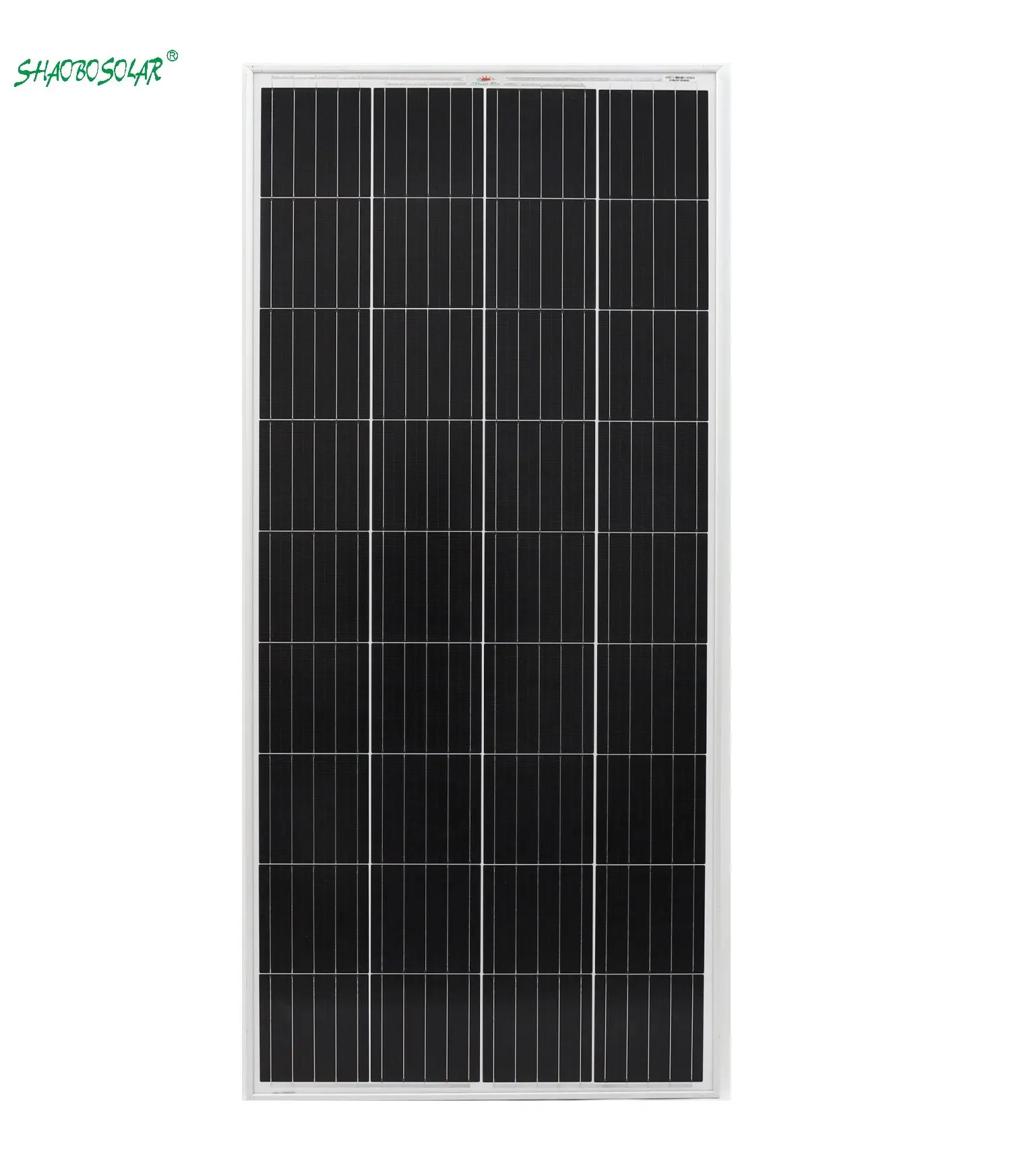
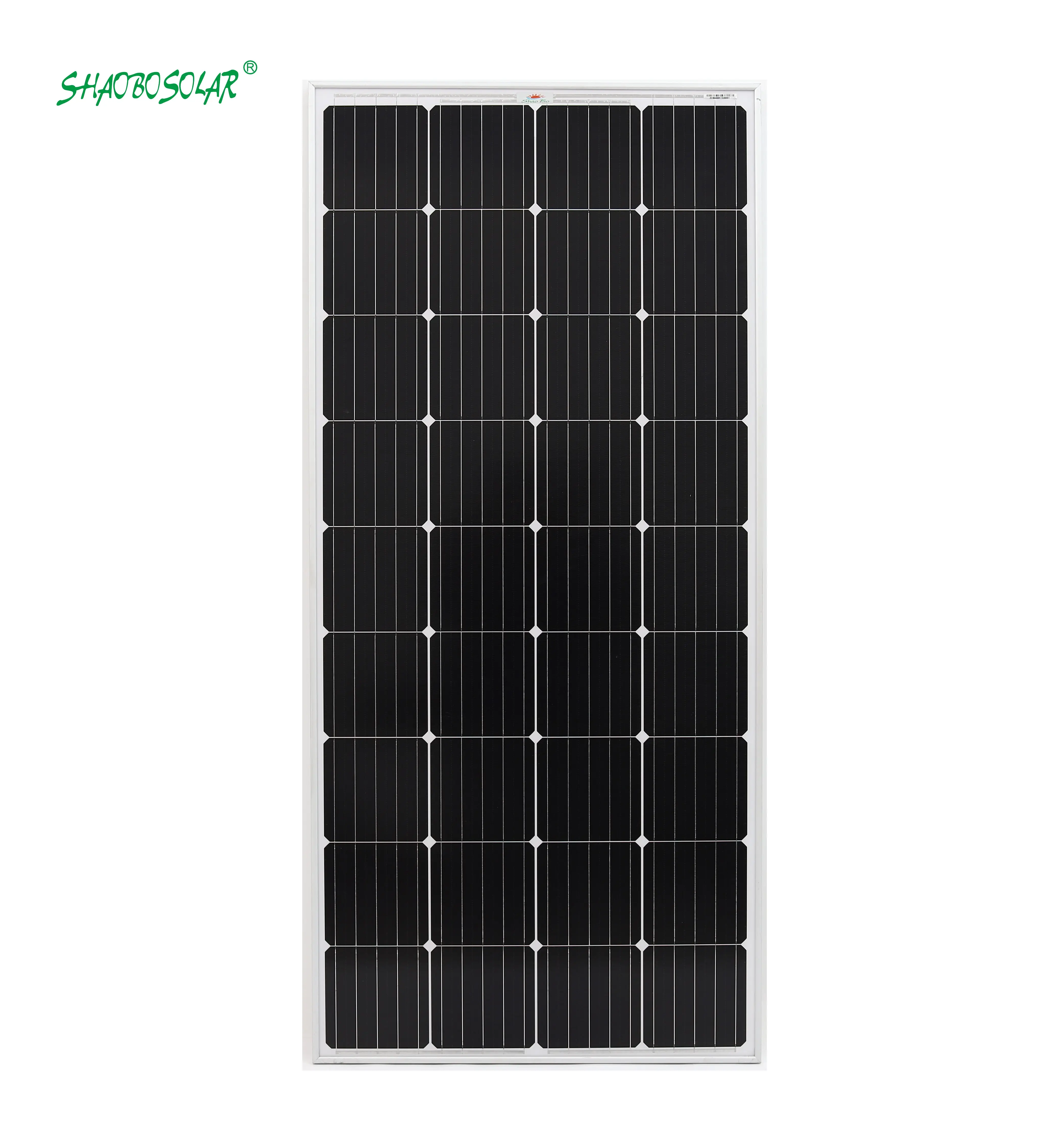
Evolution and Trajectory of Solar Technology in Zambia

From basic energy access to advanced smart-grid integration.

Market Development History

Between 2010 and 2015, the Zambian market was dominated by basic polycrystalline solar panel technology. These were primarily used for remote village electrification and basic water pumping, where cost-efficiency was prioritized over maximum power density.

From 2016 to 2021, a technological pivot occurred. As energy demands grew, monocrystalline solar panels became the preferred choice for residential rooftops due to their superior efficiency in limited spaces and better performance in low-light conditions.

Since 2022, the focus has shifted toward integrated energy storage systems. The industry has moved beyond simple generation to sophisticated hybrid systems that combine high-wattage modules with lithium-iron-phosphate (LiFePO4) batteries for 24/7 power reliability.

Future Development Trends

Bifacial Module Adoption

We anticipate a surge in bifacial technology, allowing panels to capture sunlight from both sides, which is ideal for Zambia's sandy and reflective terrains.

Micro-Grid Proliferation

The transition from individual house systems to community-based micro-grids will allow rural Zambian cooperatives to share energy resources efficiently.

AI-Driven Energy Management

Integration of AI for predictive maintenance and load optimization will become standard, reducing energy waste in large-scale commercial installations.

Strategic Industry Outlook and Future Projections

Analyzing the shift toward high-density energy production and smart distribution.

PERC Technology Standardization
Passivated Emitter and Rear Cell (PERC) technology will become the baseline for all residential installs to maximize photon capture.
Half-Cut Cell Efficiency
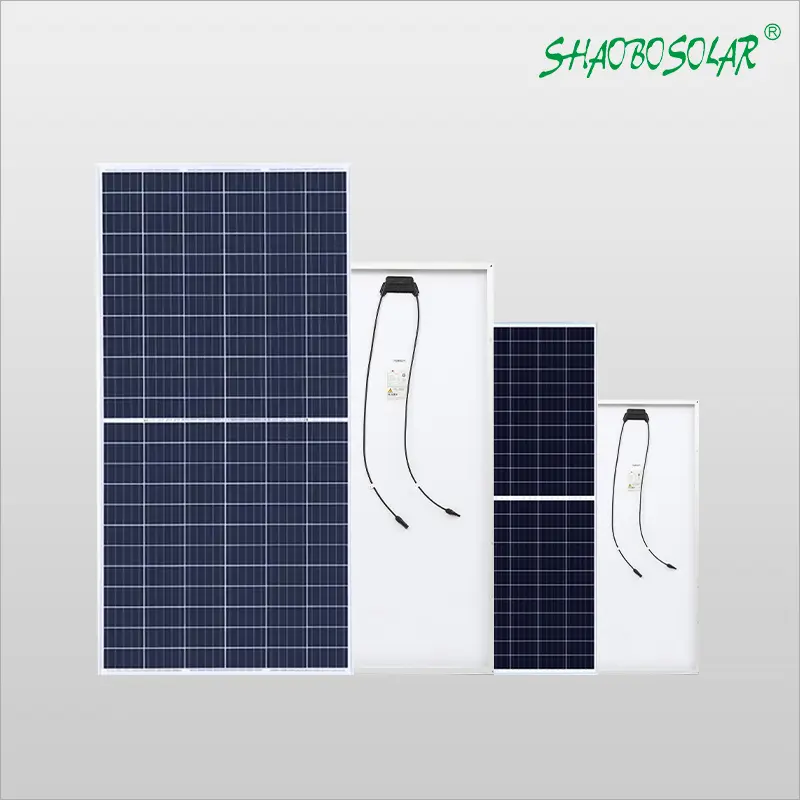
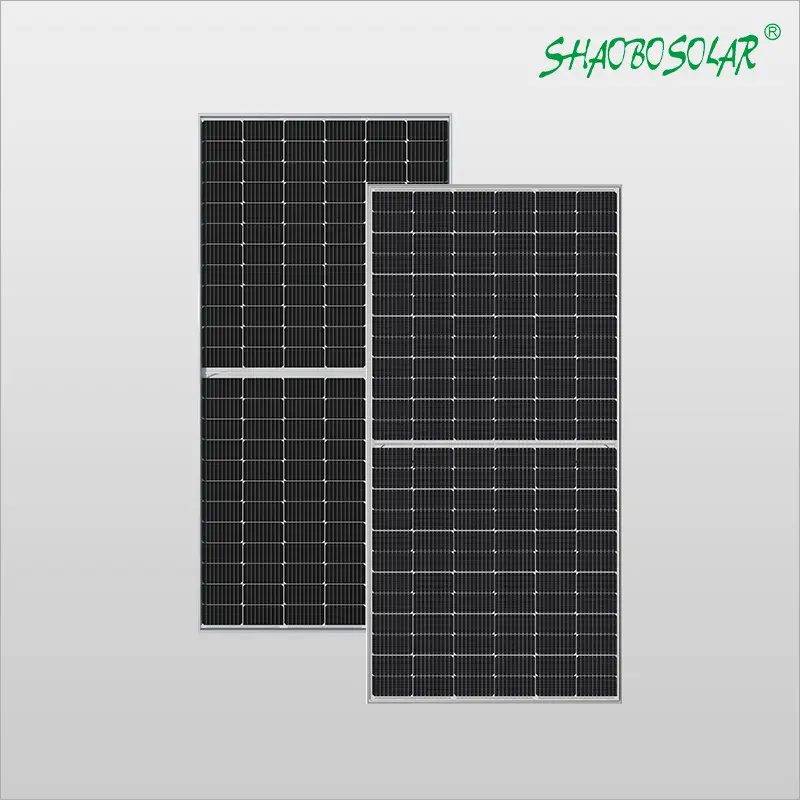
Reduction of internal resistance and improved shade tolerance through half-cut cell designs, crucial for dusty environments.
N-Type TopCon Transition
A shift toward N-Type cells to lower degradation rates and increase the overall lifespan of solar assets in Africa.
Off-Grid Storage Synergy
Tighter integration between PV modules and high-capacity batteries to eliminate reliance on the national power grid.

Industry Outlook

Based on search trends and regional growth patterns, Zambia is poised to become a hub for decentralized solar energy. The movement toward "energy independence" is no longer a luxury but a necessity for industrial continuity, especially in the mining sectors of the Copperbelt.

Future growth will be characterized by the adoption of hybrid inverters and the use of high-efficiency monocrystalline solar panels that provide more power per square meter, reducing land use and installation costs.

Localized Solar Applications in Zambia

Tailored photovoltaic solutions for the unique needs of the Zambian landscape.

1. Residential Off-Grid Systems in Lusaka

Implementing comprehensive house power solutions for urban residential areas to mitigate the impact of scheduled load-shedding, ensuring lights and refrigeration remain active.

2. Agri-Solar Pumping in Southern Province

Deploying durable panels to power irrigation systems for maize and soybean farmers, replacing expensive diesel generators with sustainable energy.

3. Mining Support Facilities in Copperbelt

Installing high-capacity solar arrays to power remote monitoring stations and administrative offices within mining concessions, reducing operational costs.

4. Rural Health Clinic Electrification

Providing reliable power for vaccine refrigeration and emergency lighting in remote clinics where grid extension is geographically impossible.

5. Solar-Powered Cold Storage for Fisheries

Utilizing high-efficiency modules to maintain cold chains for fish harvests from Lake Kariba, reducing post-harvest losses for local traders.

Brand Story

Global Development Journey of Hebei Shaobo Photovoltaic Technology Co., Ltd.

Foundational Innovation

Started with a mission to optimize silicon purity, focusing on creating high-efficiency cells that withstand extreme temperature fluctuations.

Global Expansion Phase

Expanded manufacturing capabilities to meet international standards, successfully entering the African market with ruggedized solar solutions.

R&D Breakthroughs

Developed advanced PERC and Mono-PERC modules, significantly increasing energy conversion rates for residential installations.

Zambian Market Integration

Established a focused supply chain for Southern Africa, ensuring fast delivery and localized technical support for Zambian partners.

Vision for Sustainable Future

Committed to eradicating energy poverty through affordable, industrial-grade photovoltaic components and comprehensive system design.

Complete Solar Energy Portfolio for Zambia

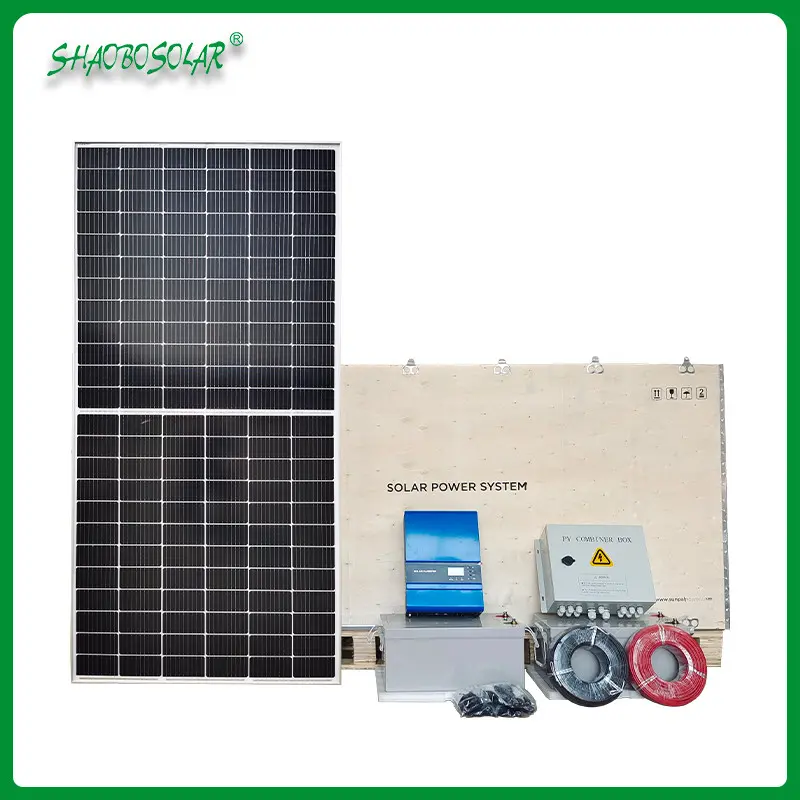
From individual modules to integrated power plants, we provide everything needed for energy autonomy.

Common Questions on Solar Energy in Zambia

Expert answers to the most frequent technical and commercial queries from our Zambian clients.

Which is better for Zambian weather: monocrystalline or polycrystalline solar panels?

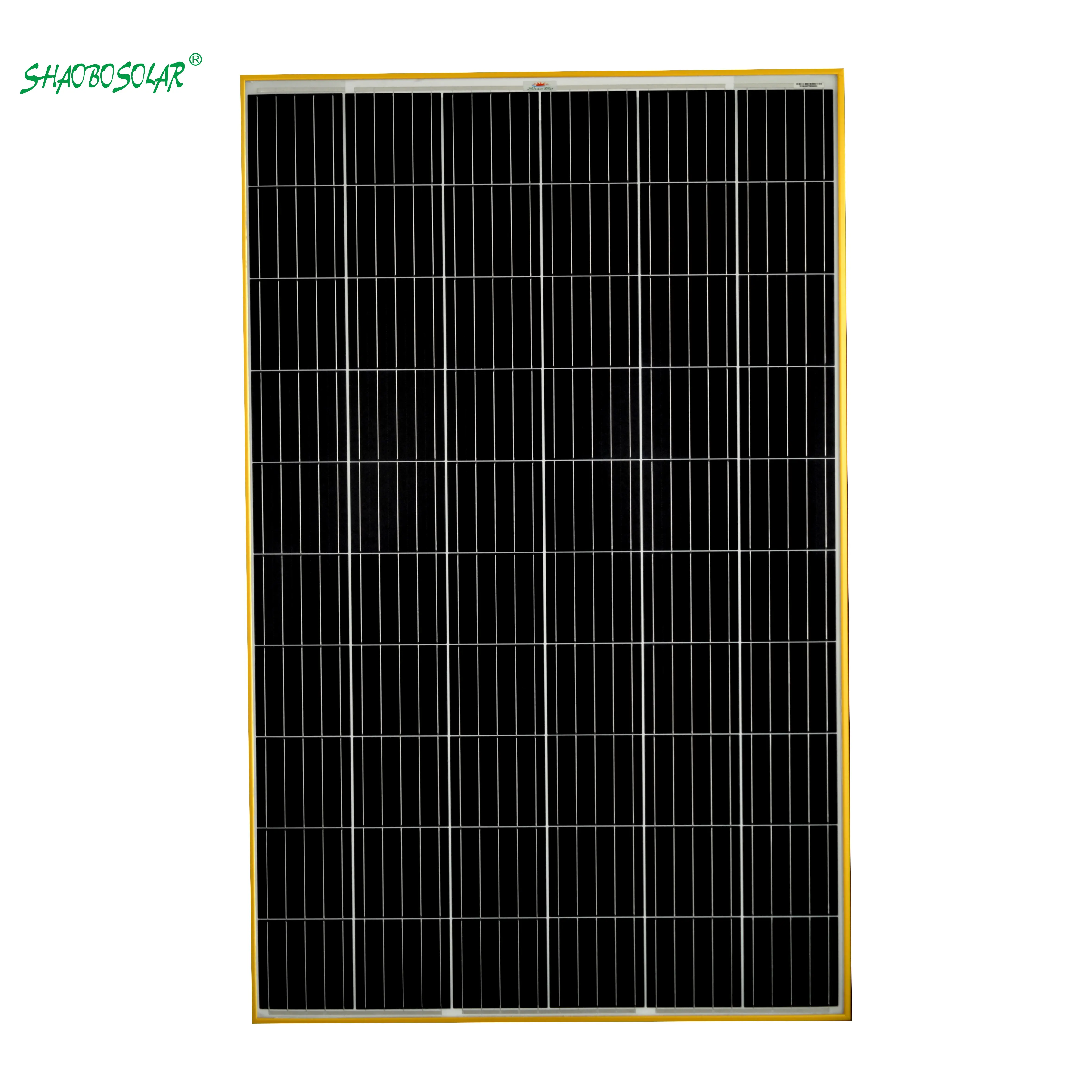
For most users, monocrystalline solar panels are superior because they offer higher efficiency and perform better in high-temperature environments, which is typical for Zambia.

How do I choose the right capacity for a house solar power system in Lusaka?

Calculation depends on your daily kWh usage. We recommend auditing your heavy appliances (AC, pumps) and adding a 20% buffer to ensure the system handles peak loads during cloudy days.

Do mono solar panel installations require special maintenance in dusty areas?

Yes, dust accumulation (soiling) can reduce efficiency. Regular cleaning with water and a soft brush every two weeks is recommended during the dry season in Zambia to maintain peak output.

What is the average lifespan of photovoltaic components in Southern Africa?

High-quality modules typically have a performance warranty of 25 years. Inverters usually last 5-10 years, while Lithium batteries typically provide 6,000+ cycles.

Can I upgrade my existing polycrystalline system to a more efficient one?

Yes, but it is advised to replace the array entirely or use separate MPPT controllers to avoid mismatch losses between old and new cell technologies.

How does the Zambian climate affect solar panel degradation?

High UV exposure and heat can accelerate degradation. Using Tier-1 modules with high-quality EVA encapsulation helps minimize PID (Potential Induced Degradation) in the Zambian heat.

Get Your Custom Solar Quote

Ready to transition to sustainable energy? Our engineers are ready to design the perfect system for your needs in Zambia.

Contact Us Now

If you are interested in our products, you can choose to leave your information here, and we will be in touch with you shortly.