
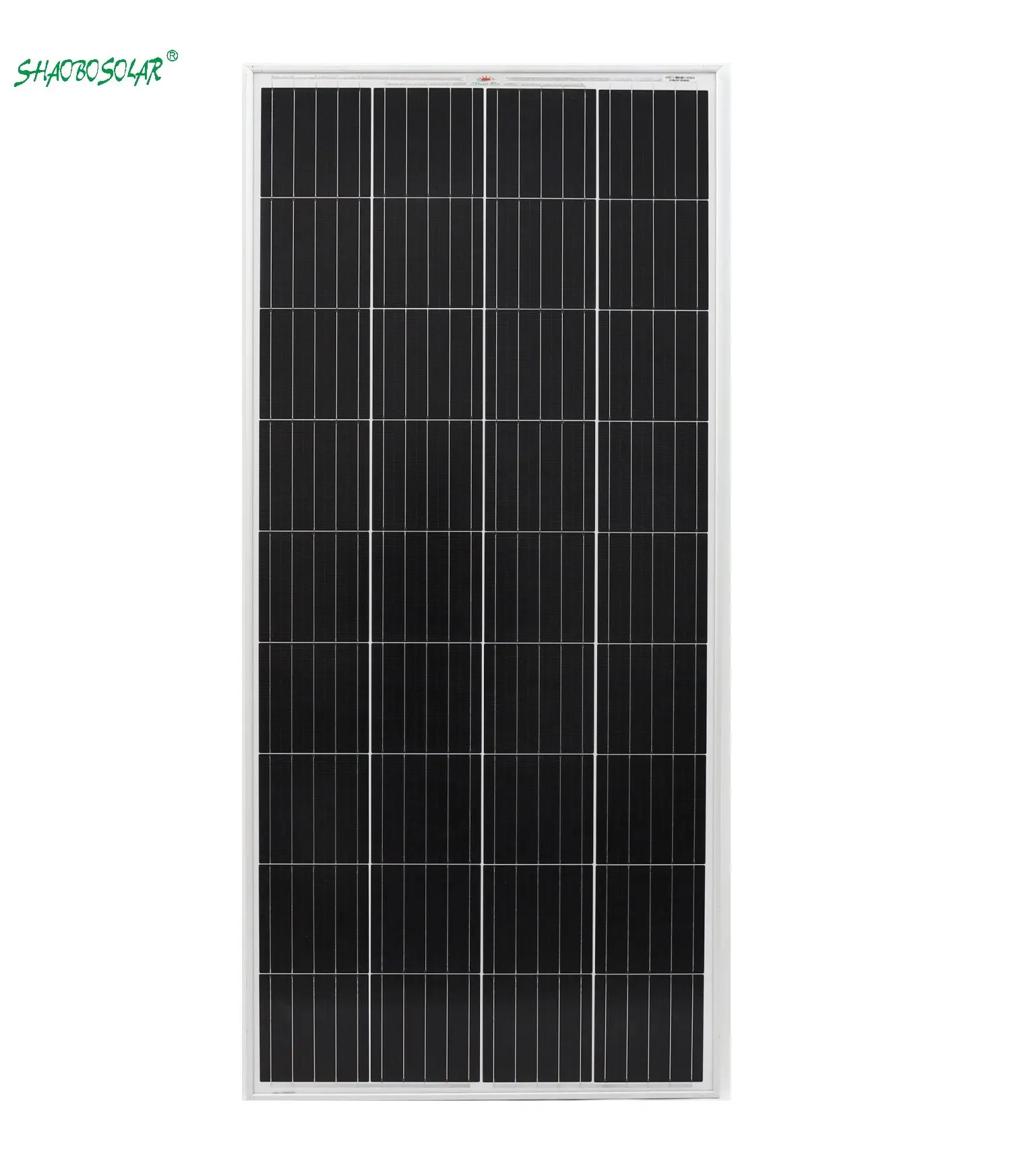
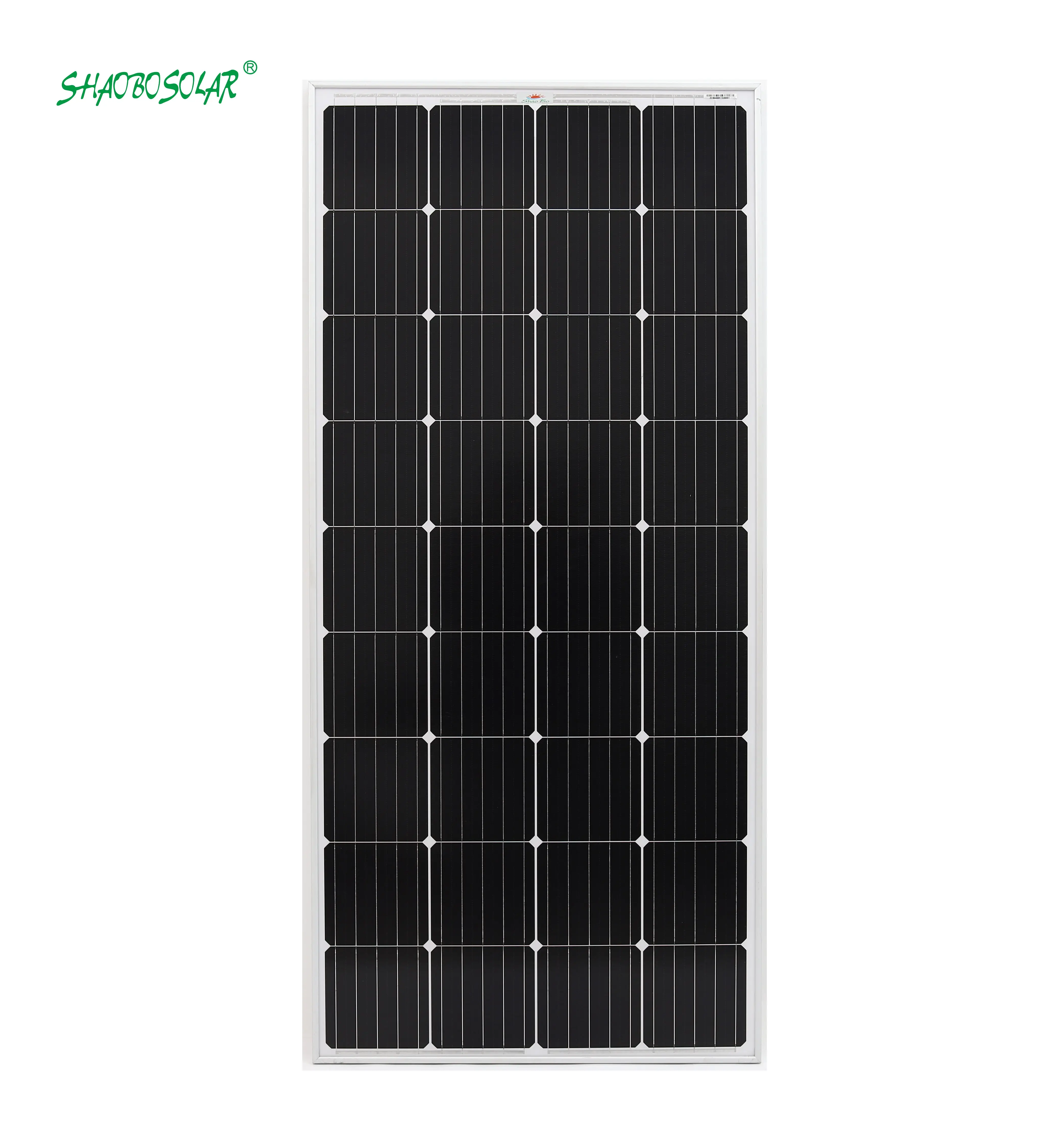
HighEfficiency house solar power system Solutions for Uzbekistan

HighEfficiency house solar power system Solutions for Uzbekistan

High-Efficiency house solar power system Solutions for Uzbekistan

Empowering Uzbek households and industries with cutting-edge photovoltaic technology to harness the abundant Central Asian sunlight.

High-Efficiency house solar power system Solutions for Uzbekistan

Providing integrated energy independence through advanced solar panels tailored for the unique climatic conditions of Uzbekistan.

The Solar Energy Landscape in Uzbekistan

Analyzing the current adoption and environmental drivers of PV technology in Central Asia.

Uzbekistan possesses one of the highest solar irradiance levels in Asia, making it an ideal hub for monocrystalline solar panels. The government's aggressive transition toward green energy has catalyzed a surge in both utility-scale farms and residential installations.

Despite the potential, the local market faces challenges such as extreme temperature fluctuations and dust accumulation. This requires high-durability mono solar panel modules that can maintain efficiency under high thermal stress and harsh desert environments.

Currently, there is a visible shift from basic electricity supplementation to full energy autonomy. As electricity tariffs evolve, more homeowners are investing in a comprehensive house solar power system to reduce operational costs and ensure power stability in rural regions.
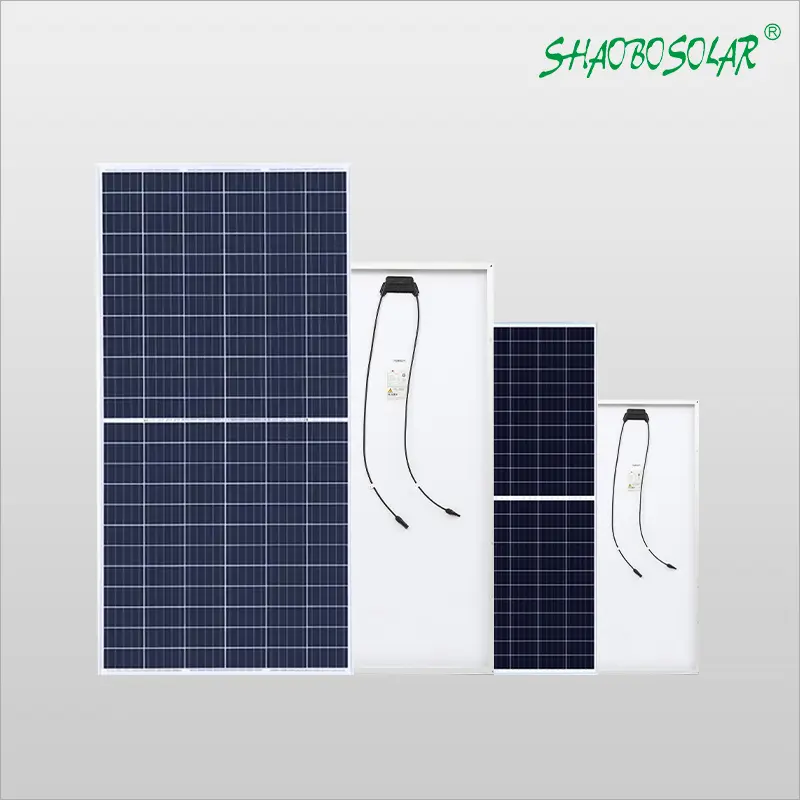
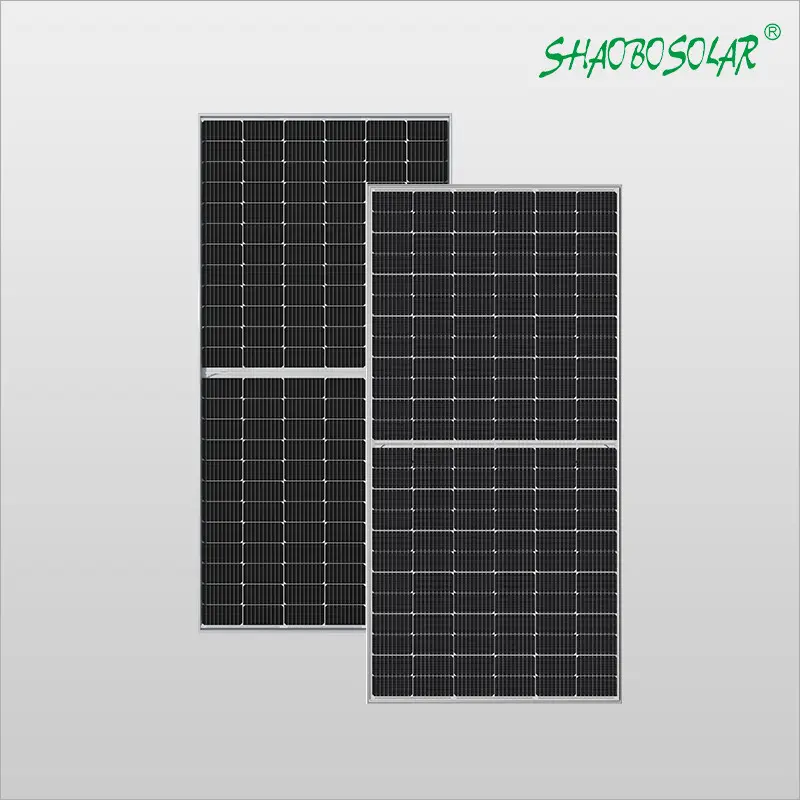
Evolution of PV Technology in Uzbekistan

From early adoption to the era of high-efficiency monocrystalline cells.

Market Development History

In the early 2010s, the market was dominated by polycrystalline solar panel options due to their lower initial cost, providing basic lighting for remote agricultural sites across Uzbekistan.

Between 2015 and 2020, a technological pivot occurred. The industry moved toward PERC (Passivated Emitter and Rear Cell) technology, increasing the efficiency of solar panels and reducing the required installation footprint for urban dwellings.

From 2021 to the present, the "Green Economy" initiative has pushed the market toward N-type TOPCon and HJT technologies, ensuring that modern installations maximize yield even during the hot Uzbek summers.

Future Development Trends

Bifacial Module Integration

Increasing adoption of bifacial cells to capture reflected light from sandy terrains, significantly boosting the total energy harvest.

Smart Energy Storage (ESS)

Integration of LiFePO4 batteries with residential systems to manage peak loads and provide 24/7 power reliability.

AI-Driven Maintenance

Utilization of IoT sensors to monitor dust levels and optimize cleaning schedules for large-scale PV arrays.

Industry Trends and Future Outlook

Strategic projections for the photovoltaic sector in Uzbekistan (2024-2029).

Efficiency Breakthroughs
Transitioning toward 22%+ efficiency modules to maximize power density in limited space.
Grid Modernization
Implementing net-metering policies allowing residents to sell excess power back to the national grid.
Agri-PV Expansion
Combining solar arrays with agriculture to provide shade for crops while generating electricity.
Hybrid Power Systems
Merging solar with wind or traditional diesel generators for industrial backup power.

Industry Outlook

Based on current search trends and government mandates in Uzbekistan, the demand for residential solar is expected to grow by 15% annually. The focus is shifting toward "Smart Homes" where the house solar power system is managed via mobile applications for real-time optimization.

Furthermore, the adoption of N-type cells will likely phase out older technologies, as the need for higher temperature coefficients becomes critical in the Fergana Valley and Karakalpakstan regions.

Localized Application Scenarios in Uzbekistan

Practical deployments of solar technology across various Uzbek environments.

01. Tashkent Urban Residential Rooftops

Utilizing high-density monocrystalline solar panels to provide electricity for air conditioning during peak summer months in the capital.

02. Remote Agricultural Pumping in Navoi

Deploying rugged solar panels to power irrigation systems, reducing reliance on expensive diesel fuel for farmers.

03. Off-Grid Mountain Lodges in Samarkand

Implementing a stand-alone house solar power system with deep-cycle storage to provide luxury tourism facilities with sustainable power.

04. Industrial Warehouse Powering in Namangan

Large-scale installation of mono solar panel arrays on flat industrial roofs to lower operational overheads for manufacturing plants.

05. Rural Community Electrification in Karakalpakstan

Using cost-effective polycrystalline solar panel kits to provide basic educational and medical lighting in the most remote regions.

Brand Story

Global Development Journey of Hebei Shaobo Solar Technology Co., Ltd.

Founding Vision

Established with a mission to democratize clean energy by solving the efficiency gaps in standard photovoltaic manufacturing.

Technical Innovation

Pioneered advanced cell layering techniques that significantly reduced energy loss in high-temperature environments.

Global Expansion

Expanded operations into Central Asia, specifically optimizing products for the unique climate of Uzbekistan.

Quality Certification

Achieved international IEC and TUV certifications, ensuring our modules meet the strictest global safety and performance standards.

Sustainable Future

Committed to a carbon-neutral manufacturing process, leading the way toward a truly green energy ecosystem.

Comprehensive Solar Product Portfolio for Uzbekistan

From residential kits to industrial-grade modules tailored for the Central Asian market.

Uzbekistan Solar Energy FAQ

Common questions regarding PV installation and maintenance in the local region.

Which is better for Uzbekistan: monocrystalline or polycrystalline solar panels?

For most Uzbek users, monocrystalline solar panels are superior because they offer higher efficiency and better performance in high-temperature environments compared to polycrystalline options.

How does dust affect a house solar power system in desert regions?

Dust accumulation can reduce output by up to 25%. We recommend a bi-weekly cleaning schedule for any house solar power system installed in arid zones like Navoi.

Can a mono solar panel withstand the extreme heat of the Kyzylkum Desert?

Yes, our mono solar panel series is engineered with a low temperature coefficient, meaning it maintains high efficiency even when temperatures exceed 40°C.

What is the typical lifespan of solar panels installed in Uzbekistan?

Most high-quality solar panels come with a 25-year linear power warranty, though the physical structure often lasts much longer with proper maintenance.

Do I need a battery for my residential solar setup in Tashkent?

While grid-tied systems are common, adding a battery to your house solar power system ensures you have power during grid instability or nighttime usage.

Are polycrystalline solar panels still viable for large farms?

Yes, polycrystalline solar panel options remain a cost-effective choice for massive installations where land area is not a constraint and initial budget is limited.

Ready to Transition to Solar?

Contact our experts today for a customized energy audit and professional installation services across Uzbekistan.

Contact Us Now

If you are interested in our products, you can choose to leave your information here, and we will be in touch with you shortly.