
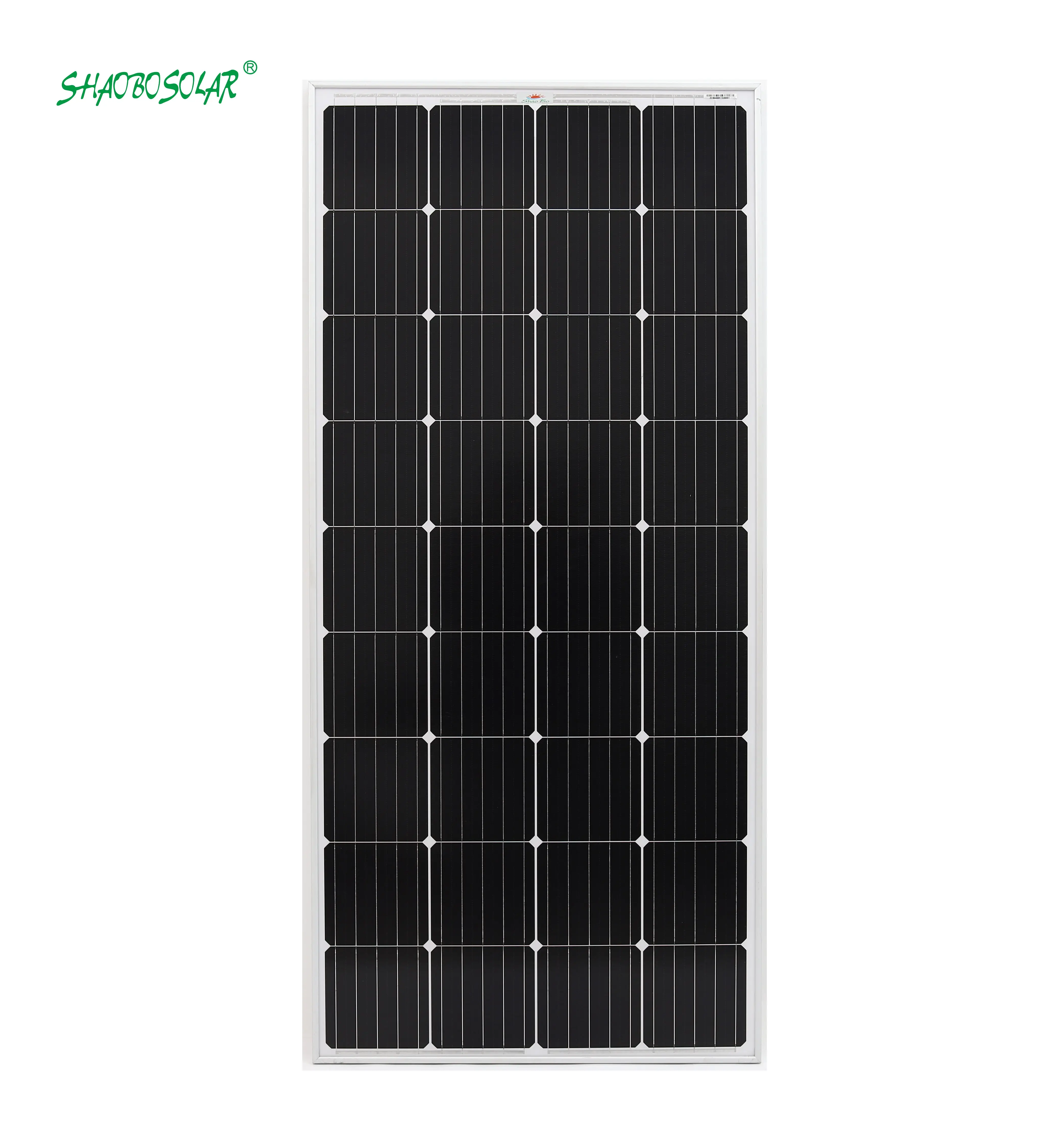
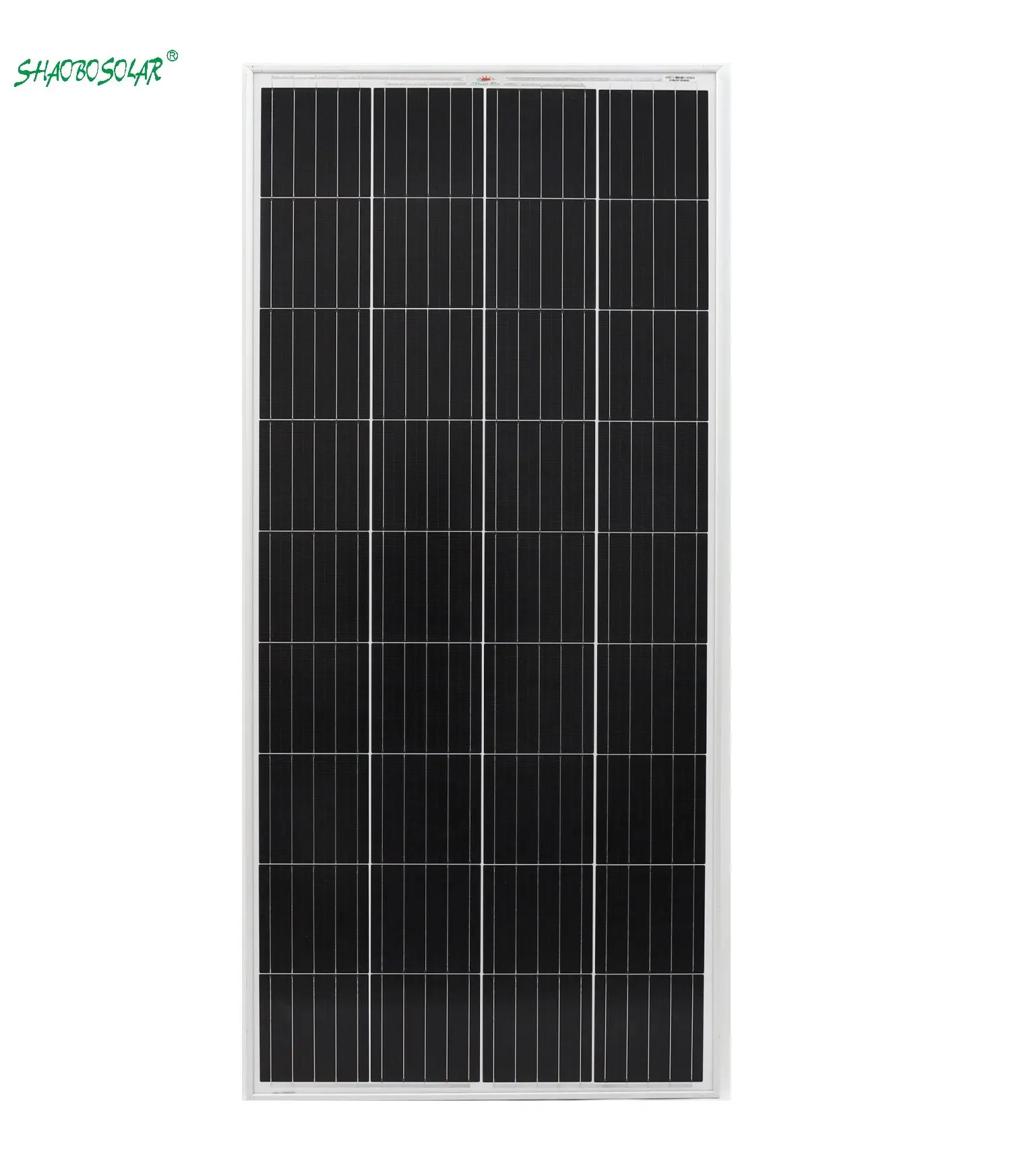
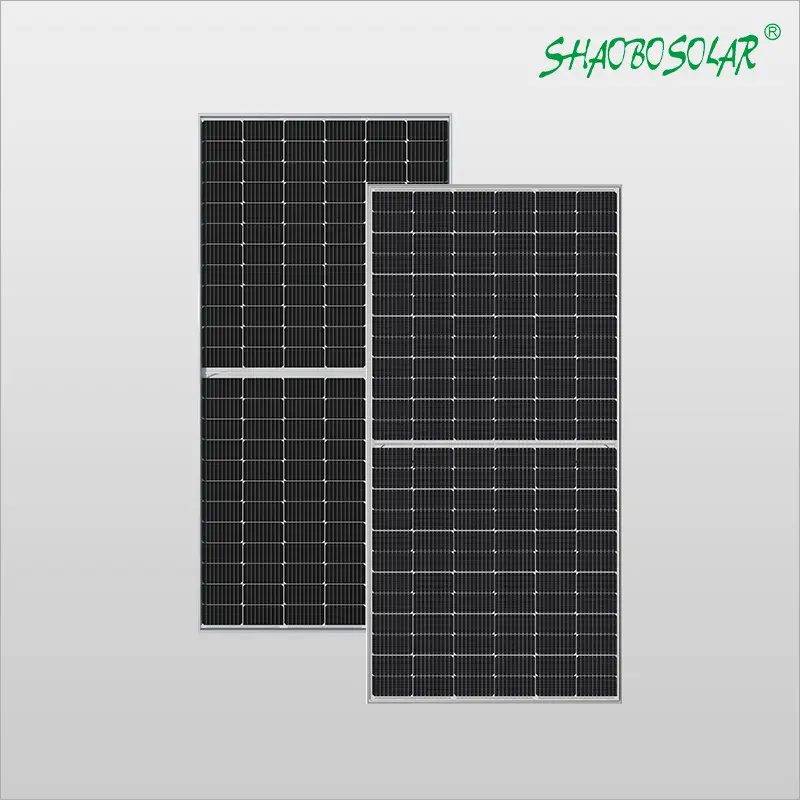
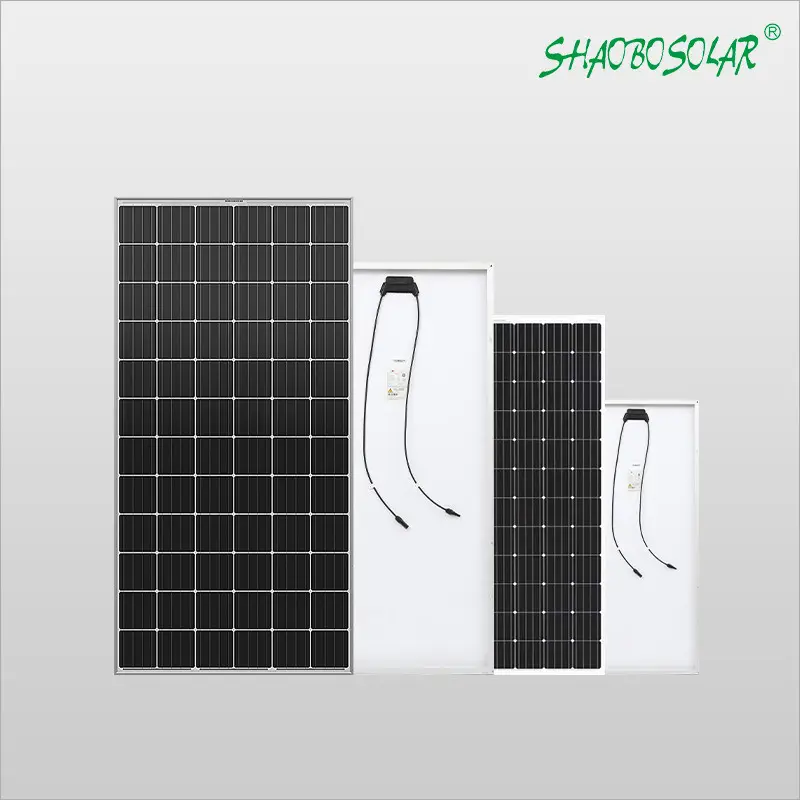
HighEfficiency house solar power system Solutions for Kenya

HighEfficiency house solar power system Solutions for Kenya

High-Efficiency house solar power system Solutions for Kenya

Empowering Kenyan households and businesses with sustainable, Tier-1 grade photovoltaic technology to combat energy instability.

High-Efficiency house solar power system Solutions for Kenya

Tailored solar energy infrastructure designed to maximize sunlight absorption in the East African highlands and coastal regions, providing uninterrupted power for residential and commercial use.

Current State of Solar Energy in Kenya

Analyzing the adoption and challenges of photovoltaic systems in the Kenyan market.

Kenya is currently a leader in renewable energy within Africa, leveraging its equatorial position to deploy massive amounts of solar panels. However, the market is split between large-scale utility farms and fragmented off-grid residential setups, with a growing demand for reliable energy in rural areas where the national grid is unstable.

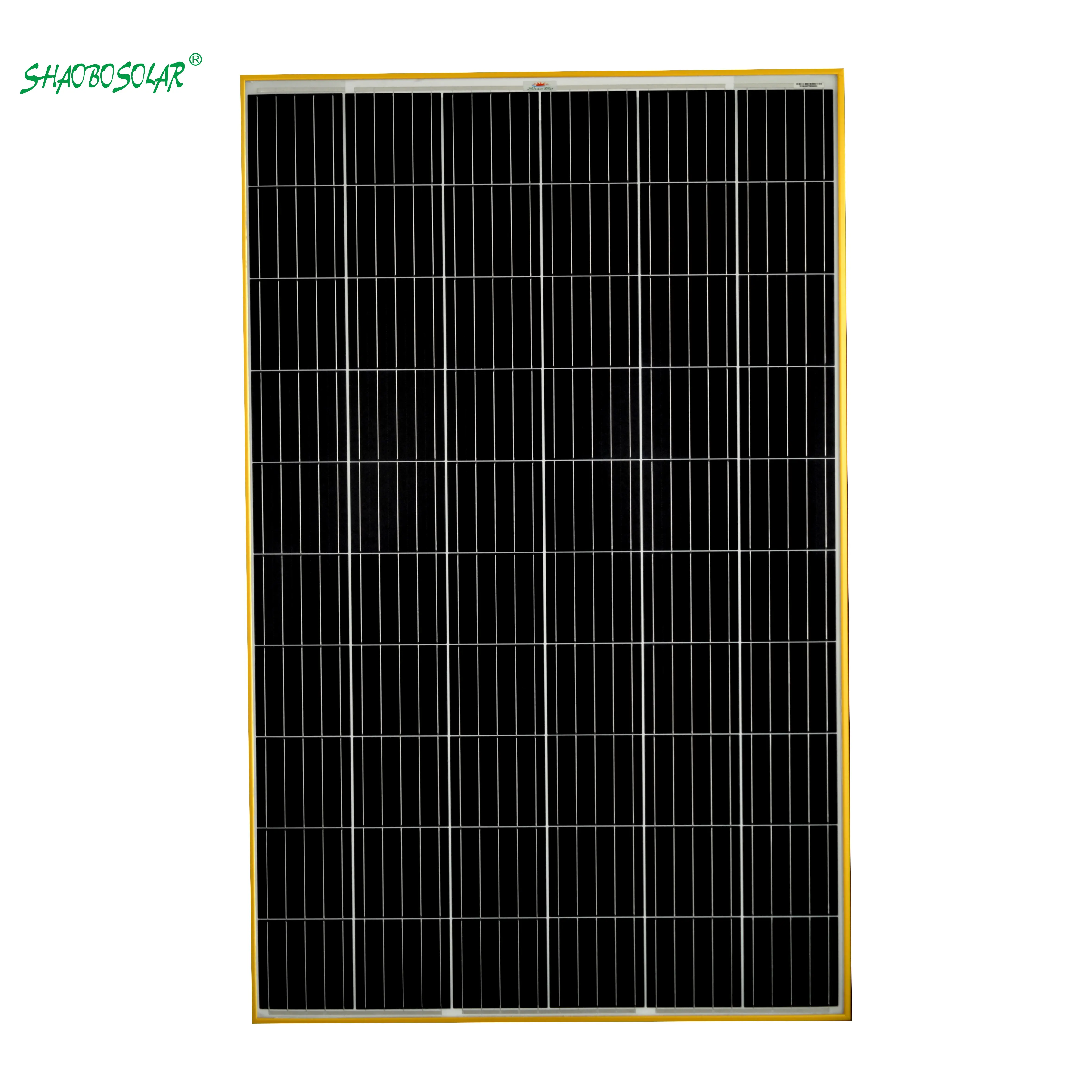
The local climate, characterized by high irradiance but significant dust accumulation in arid regions, requires specific hardware durability. Many users are shifting from basic lighting kits to comprehensive systems involving polycrystalline solar panel options for budget-friendly utility, though efficiency demands are pushing the market forward.

Economic factors and the rise of mobile payment systems (like M-Pesa) have revolutionized "Pay-As-You-Go" solar models, making high-quality mono solar panel technology accessible to a wider demographic of Kenyan homeowners and small business operators.
Technological Evolution of Photovoltaics in Kenya

From basic energy access to high-performance energy independence.

Market Development History

From 2010 to 2015, the Kenyan market was dominated by small-scale lead-acid battery systems and low-efficiency polycrystalline modules, primarily used for basic LED lighting in rural villages.

Between 2016 and 2020, a technical pivot occurred as monocrystalline solar panels began to penetrate the urban market. The transition was driven by the need for higher wattage in limited rooftop spaces in cities like Nairobi and Mombasa.

Since 2021, the integration of smart inverters and Lithium-ion storage has transformed the industry, moving the focus from simple power generation to sophisticated energy management and grid-tie stability.

Future Development Trends

PERC and N-Type Cell Dominance

Expect a complete transition toward N-type cells which offer lower degradation rates and better performance in the high-temperature environments typical of the Kenyan Rift Valley.

Bifacial Module Integration

Increasing use of double-sided panels to capture reflected light from sandy terrains, significantly boosting the yield of commercial solar arrays.

AI-Driven Energy Optimization

Integration of IoT sensors to predict weather patterns and optimize battery discharge cycles for Kenyan agricultural irrigation systems.

Industry Trends and Future Outlook

Strategic forecasting for the Kenyan solar manufacturing and installation sector.

High-Efficiency Conversion
Shift towards monocrystalline solar panels to maximize energy harvest per square meter in urban Kenya.
Hybrid Energy Storage
Combining solar arrays with LFP battery banks to ensure 24/7 power for Kenyan clinics and schools.
Agricultural Solarization
Scaling solar-powered irrigation pumps to enhance food security across Kenyan counties.
Decentralized Micro-Grids
Implementation of community-level power hubs to eliminate total dependence on the national utility provider.

Industry Outlook

The next 3-5 years will see a surge in "smart home" integration in Kenya. As the cost of high-efficiency silicon continues to drop, we anticipate a 40% increase in the adoption of full-scale residential energy systems that can feed excess power back into the grid.

Google search trends indicate a sharp rise in queries for "off-grid energy independence" in Kenya, suggesting that consumers are moving away from simple lighting toward powering heavy appliances via advanced photovoltaic arrays.

Localized Solar Applications in Kenya

Real-world deployment scenarios designed for the Kenyan geographical and economic landscape.

01. Rural Residential Power Hubs

Implementing standalone systems using polycrystalline solar panel arrays to provide lighting and mobile charging for remote homes in Turkana and Marsabit.

02. Nairobi Urban Rooftop Arrays

Utilizing space-efficient monocrystalline solar panels for townhouses in Nairobi to reduce dependence on the unreliable city grid.

03. Solar-Powered Tea Plantation Processing

Installing large-scale industrial arrays in Kericho to power drying and sorting machinery, lowering operational costs for tea exporters.

04. Off-Grid Medical Cold Chains

Using high-performance mono solar panel setups to power vaccine refrigerators in remote health clinics across Northern Kenya.

05. Commercial Shopping Complex Backups

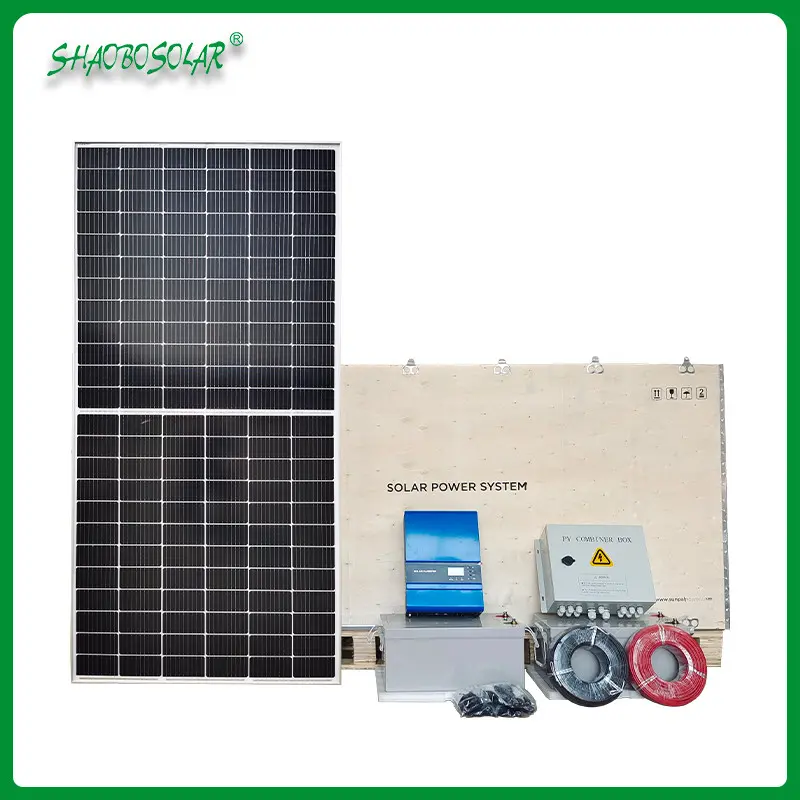
Integrating comprehensive house solar power system logic into retail centers to maintain air conditioning and security during power outages.

Brand Story

Global Development Journey of Hebei Shaobo Photovoltaic Technology Co., Ltd.

Foundational Innovation

Established with a mission to bridge the gap between laboratory-grade efficiency and mass-market affordability in photovoltaic manufacturing.

Global Expansion

Expanded production lines to meet international standards, focusing on the rugged requirements of emerging markets in Africa and Southeast Asia.

Quality Breakthrough

Developed advanced anti-PID and anti-corrosion coatings specifically for high-humidity and high-dust environments to increase panel lifespan.

Kenya Market Focus

Localized engineering efforts to ensure our solar modules withstand the specific thermal cycles of the East African plateau.

Sustainable Future

Committed to carbon neutrality by providing the world with the most durable and efficient solar components available.

Kenya Solar Energy FAQ

Expert answers to the most common questions regarding solar installation in Kenya.

Which is better for Kenyan homes: monocrystalline or polycrystalline solar panels?

For urban areas like Nairobi where roof space is limited, monocrystalline panels are superior due to higher efficiency. For larger rural properties, polycrystalline options offer a more cost-effective solution for basic energy needs.

How do I maintain a house solar power system in dusty regions like Turkana?

Regular cleaning of the glass surface is essential. We recommend a dry-brushing or damp-cloth wipe every two weeks to prevent dust films from reducing energy output by up to 25%.

What is the average lifespan of a mono solar panel in the East African climate?

Our high-grade monocrystalline modules are rated for 25+ years, maintaining at least 80% of their original power output even under intense equatorial UV exposure.

Can solar panels work during the rainy season in Kenya?

Yes, solar panels use light, not heat. While output decreases during heavy cloud cover, modern high-efficiency cells are designed to capture diffuse light, ensuring consistent charging.

How many panels do I need for a standard 3-bedroom house in Kenya?

Depending on your load (Fridge, TV, Lighting), a system of 4 to 8 panels (typically 400W-550W each) coupled with a suitable inverter is usually sufficient for most Kenyan households.

What are the benefits of using a hybrid inverter with my solar system?

A hybrid inverter allows you to combine solar power, battery storage, and the Kenya Power grid, automatically switching to the most economical source and providing seamless backup during outages.

Ready to Power Your Future in Kenya?

Get a customized solar energy audit and professional quote for your project in Kenya. Our engineers are ready to help you transition to sustainable energy.

Contact Us Now

If you are interested in our products, you can choose to leave your information here, and we will be in touch with you shortly.