
HighEfficiency House Solar Power System Solutions for Ethiopia

HighEfficiency House Solar Power System Solutions for Ethiopia

High-Efficiency House Solar Power System Solutions for Ethiopia

Empowering Ethiopian households and industries with sustainable energy through cutting-edge monocrystalline and polycrystalline photovoltaic technology.

High-Efficiency House Solar Power System Solutions for Ethiopia

Integrating advanced solar cell manufacturing to deliver reliable power across Ethiopia's diverse terrains, from the highlands of Addis Ababa to the lowland plains.

The Current State of Solar Energy in Ethiopia

Analyzing the adoption of photovoltaic systems in the Horn of Africa.

Ethiopia possesses one of the highest solar irradiation levels in Africa, yet energy access remains a critical challenge for rural populations. The market is currently seeing a massive shift toward solar panels to bridge the gap left by the centralized grid, driven by the government's National Electrification Program.

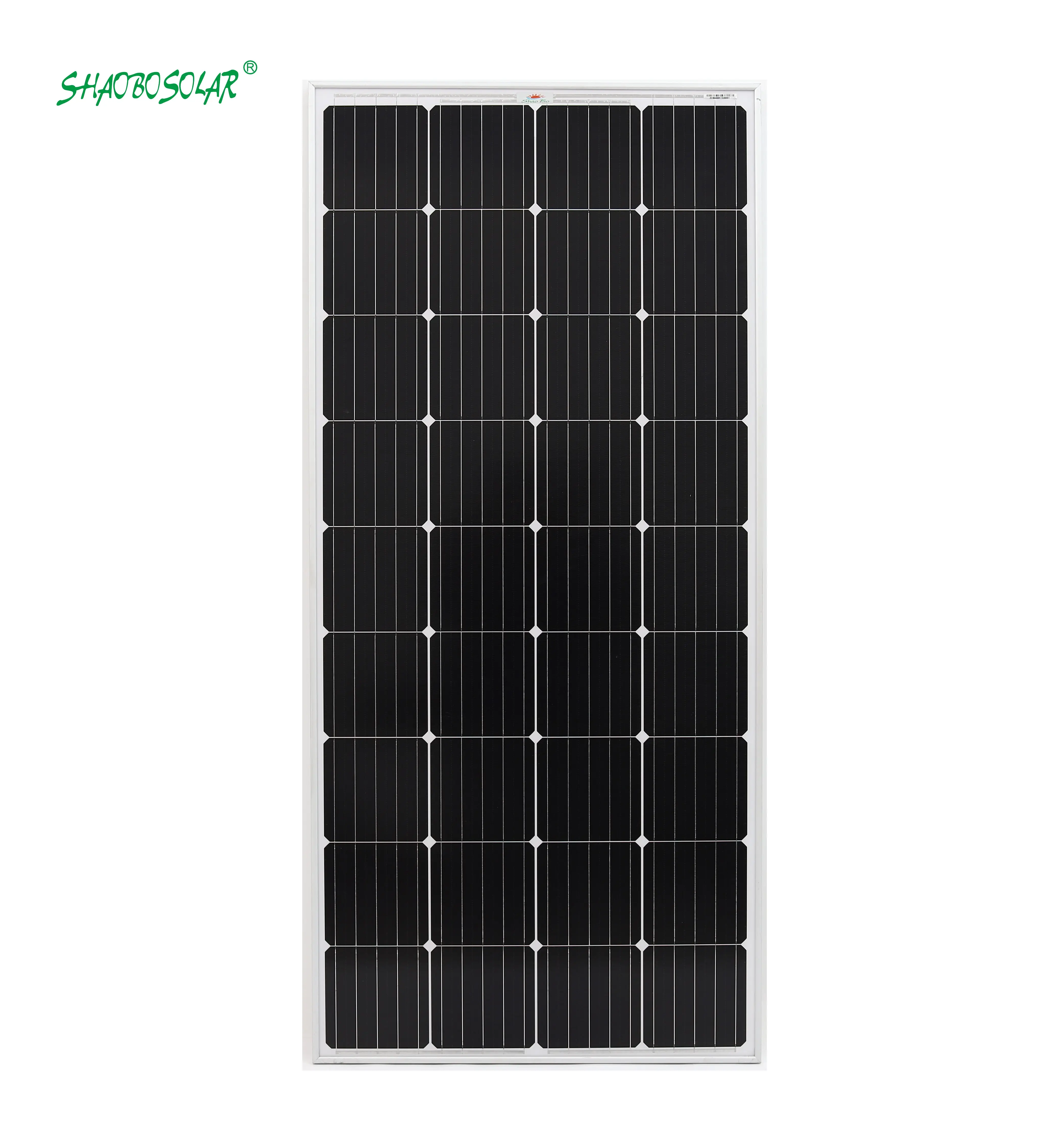
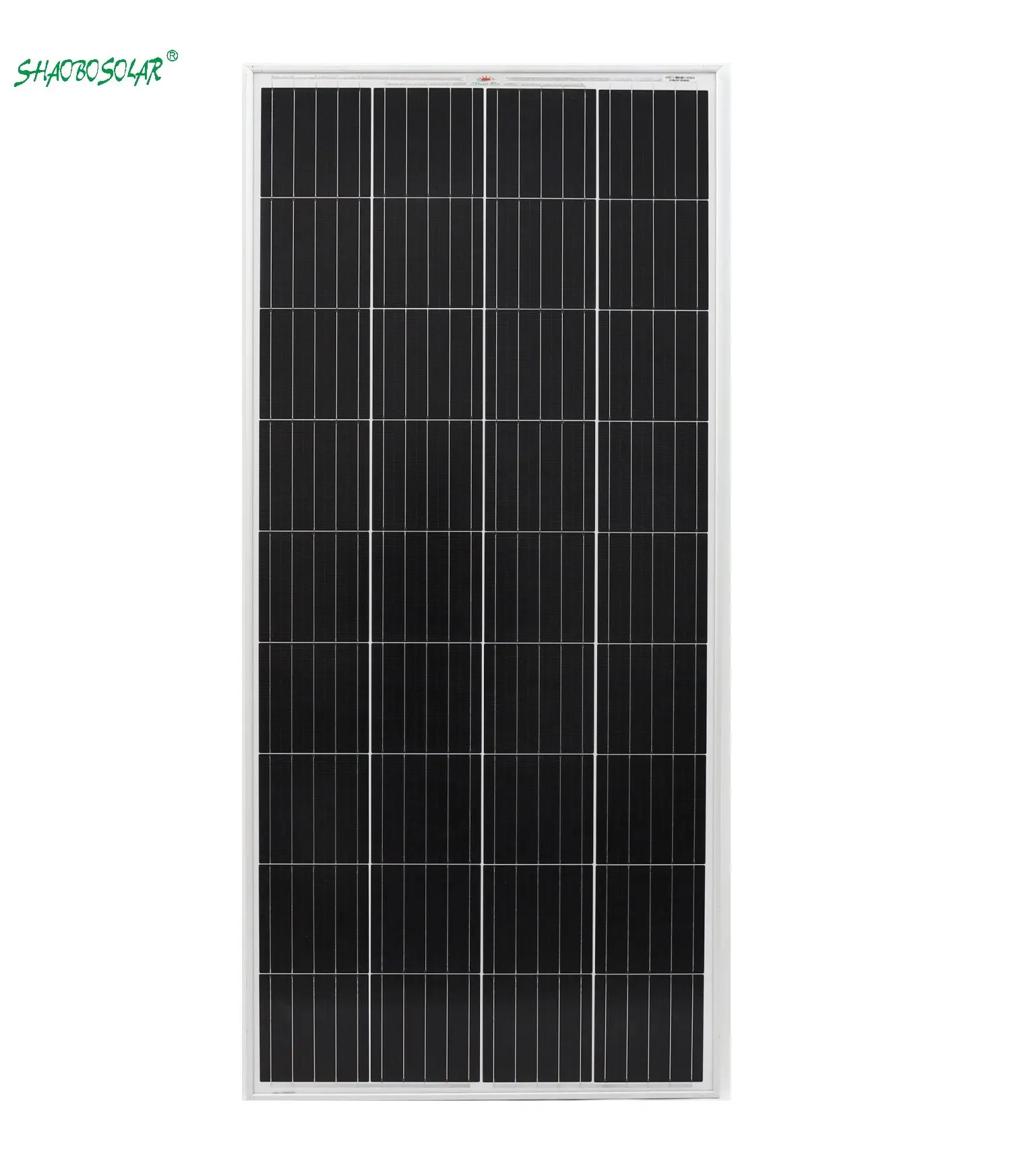
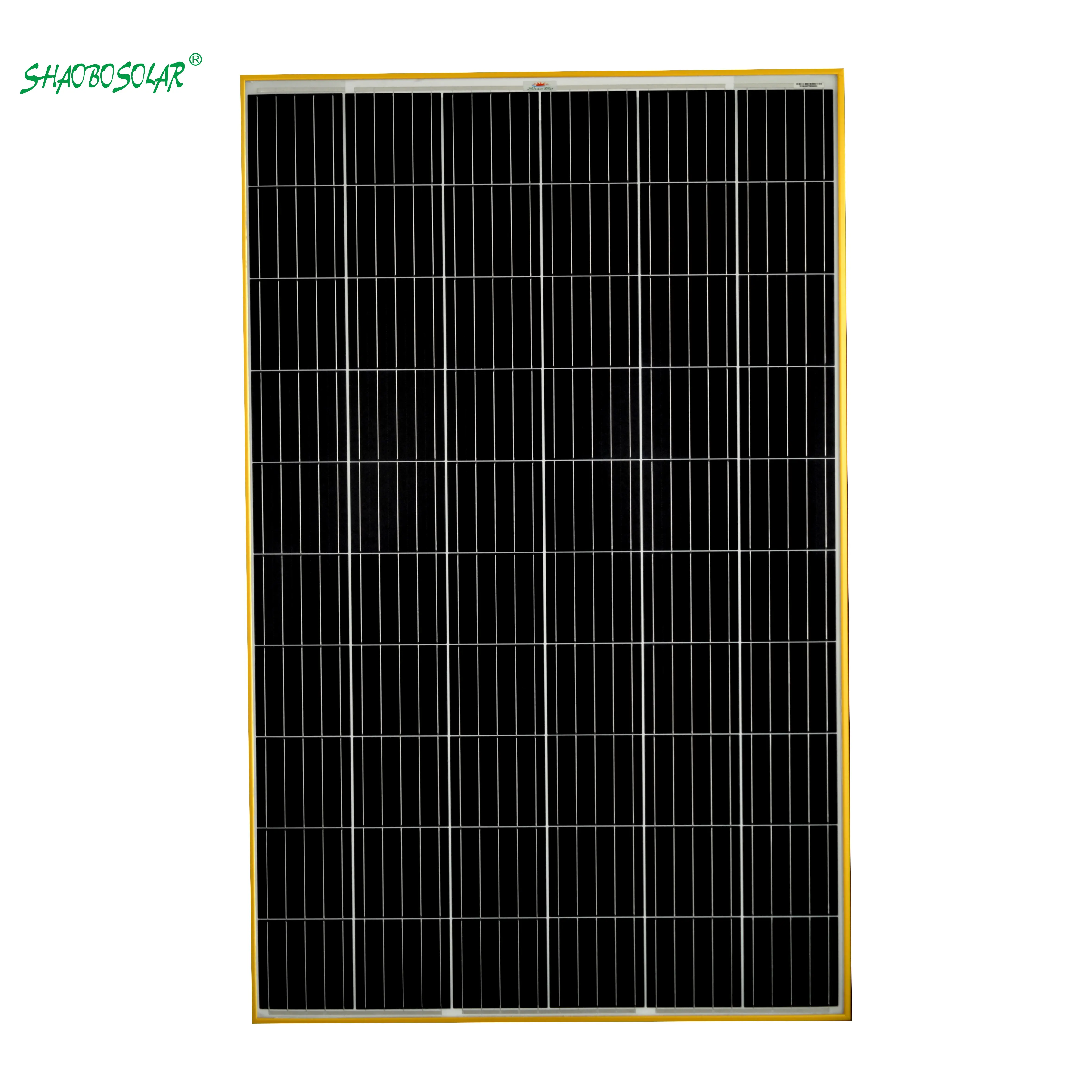
In urban centers like Addis Ababa, there is a growing demand for monocrystalline solar panels due to limited roof space and the need for maximum wattage per square meter. These high-efficiency modules are becoming the standard for premium residential installations.

Conversely, in large-scale agricultural projects and rural community hubs, polycrystalline solar panel options remain popular due to their cost-effectiveness and reliable performance in higher ambient temperatures common in Ethiopia's lowlands.
Evolution and Trajectory of Solar Technology

From basic lighting to sophisticated energy independence.

Market Development History

From 2010 to 2015, the Ethiopian market was dominated by small-scale solar lanterns and basic lead-acid battery kits. These early adopters relied on low-wattage polycrystalline solar panel technology which provided basic lighting but lacked the capacity for appliance power.

Between 2016 and 2021, the industry transitioned toward "Solar Home Systems" (SHS). This era saw the introduction of the mono solar panel, allowing for smaller footprints and higher energy yields, enabling the use of refrigeration and small electronics in off-grid areas.

Since 2022, the focus has shifted toward integrated energy management. Modern installations now prioritize high-density monocrystalline solar panels paired with Lithium Iron Phosphate (LiFePO4) batteries, moving the industry from "basic access" to "energy abundance."

Future Development Trends

PERC and TopCon Technology Integration

The next 3 years will see the widespread adoption of Passivated Emitter and Rear Cell (PERC) and TopCon technologies in Ethiopia to increase conversion rates in dusty environments.

Hybrid Storage Ecosystems

Expect a surge in hybrid systems that combine solar with wind or existing hydro-grids to ensure 24/7 power stability during the rainy season.

Smart Grid Micro-communities

Development is moving toward community-shared solar clusters where excess energy is traded locally via smart meters, optimizing the use of large solar arrays.

Industry Trends and Future Outlook

Forecasting the next phase of photovoltaic growth in the region.

Bifacial Module Dominance
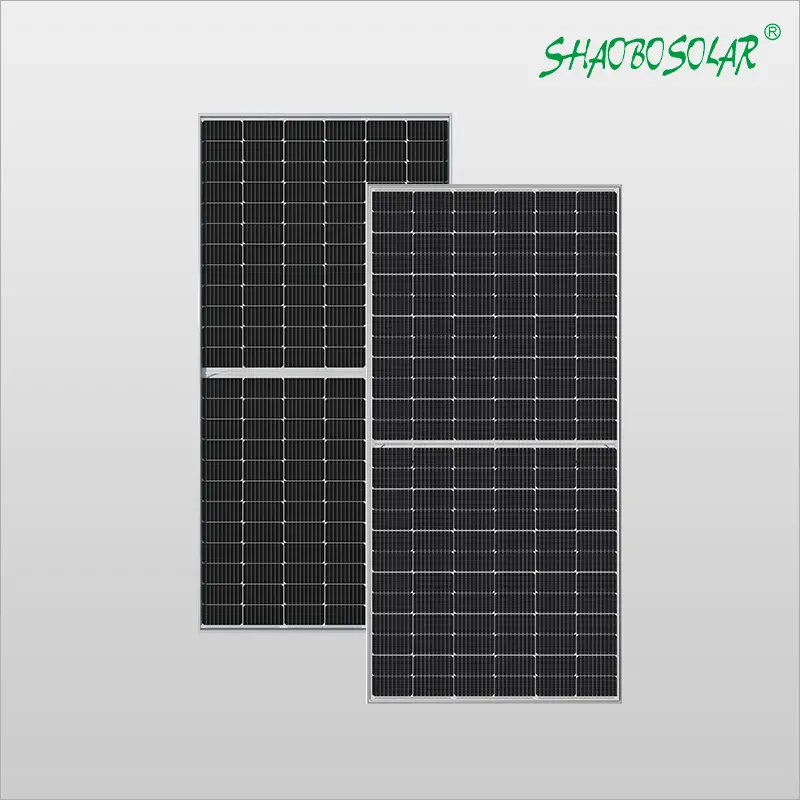
Increased use of bifacial modules to capture reflected light from sandy Ethiopian soils, boosting output by 10-15%.
LiFePO4 Storage Shift
Rapid replacement of lead-acid batteries with lithium systems to withstand high heat and provide longer cycle lives.
Agricultural Solarization
Integration of solar pumping systems for irrigation, reducing reliance on diesel generators in farming regions.
Pay-As-You-Go (PAYG)
Expansion of fintech-integrated solar kits allowing low-income families to pay for power in small increments.

Industry Outlook

Based on Google search trends for renewable energy in East Africa, there is a significant uptick in queries regarding "off-grid independence" and "industrial solar costs." This suggests a shift from basic residential needs to commercial-scale energy adoption in Ethiopia.

Over the next 5 years, we anticipate that the convergence of lower hardware costs and higher efficiency in N-type cells will make solar the primary energy source for new constructions across Ethiopia, effectively bypassing the need for extensive grid expansion in remote areas.

Local Solar Applications in Ethiopia

Tailored energy solutions for the unique Ethiopian landscape.

01. Rural Health Clinic Powering

Implementing robust solar arrays to power vaccine refrigerators and essential medical equipment in remote clinics, ensuring life-saving cold chains remain intact without grid reliance.

02. Urban Residential Rooftops

Deploying compact and high-output systems in Addis Ababa using high-efficiency modules to provide energy for lighting, Wi-Fi, and home appliances.

03. Coffee Plantation Processing

Integrating solar-powered drying and milling equipment in the Oromia and SNNP regions to increase the value-add of coffee exports while reducing carbon footprints.

04. Off-Grid Education Hubs

Equipping rural schools with solar power to enable digital learning, providing students with access to computers and internet connectivity for the first time.

05. Livestock Water Pumping

Utilizing solar-powered boreholes to provide consistent water supply for cattle and livestock in the arid regions of the Afar and Somali regions.

Brand Story

Global Development Journey of Hebei Shaobo Solar Technology Co., Ltd.

Industrial Foundation

Founded on the principle of precision engineering, we started by mastering the chemistry of silicon wafers to ensure long-term stability in extreme climates.

Technological Leap

Invested heavily in R&D to transition from standard cells to high-efficiency PERC technology, reducing energy loss by 20%.

Global Expansion

Expanded our footprint into the African market, adapting our product designs to withstand high UV radiation and dust accumulation.

Sustainable Mission

Committed to solving the "last-mile" energy crisis by providing industrial-grade components to small-scale distributors worldwide.

Future Vision

Striving to lead the transition toward fully integrated smart energy ecosystems, making clean power accessible to every household in Ethiopia.

Ethiopia Solar Energy FAQ

Answers to common questions about installing solar in the region.

Which is better for Ethiopia: monocrystalline or polycrystalline solar panels?

For urban areas with limited space, monocrystalline is superior due to higher efficiency. For large rural installations where space is abundant and budget is tight, polycrystalline is a cost-effective choice.

How does dust affect a house solar power system in Ethiopia?

Dust can significantly reduce efficiency. We recommend a bi-weekly cleaning schedule and the use of anti-reflective coatings on modules to minimize impact.

What is the average lifespan of a mono solar panel in high-temperature regions?

Our high-grade mono panels are rated for 25 years, maintaining at least 80% of their original power output even in the harsh Ethiopian climate.

Can solar panels be integrated with the existing Ethiopian national grid?

Yes, using hybrid inverters, you can create a grid-tied system that uses solar first and switches to the national grid as a backup.

What battery type is recommended for solar systems in Ethiopia?

LiFePO4 (Lithium Iron Phosphate) is highly recommended due to its stability in heat and significantly longer cycle life compared to lead-acid.

How many panels are typically needed for a basic house solar power system?

For basic lighting and electronics, 2-4 panels (300W-500W each) are usually sufficient. For full appliance power, 8 or more panels are recommended.

Ready to Energize Your Future?

Contact our expert consultants to design the perfect solar solution for your project in Ethiopia.

Contact Us Now

If you are interested in our products, you can choose to leave your information here, and we will be in touch with you shortly.