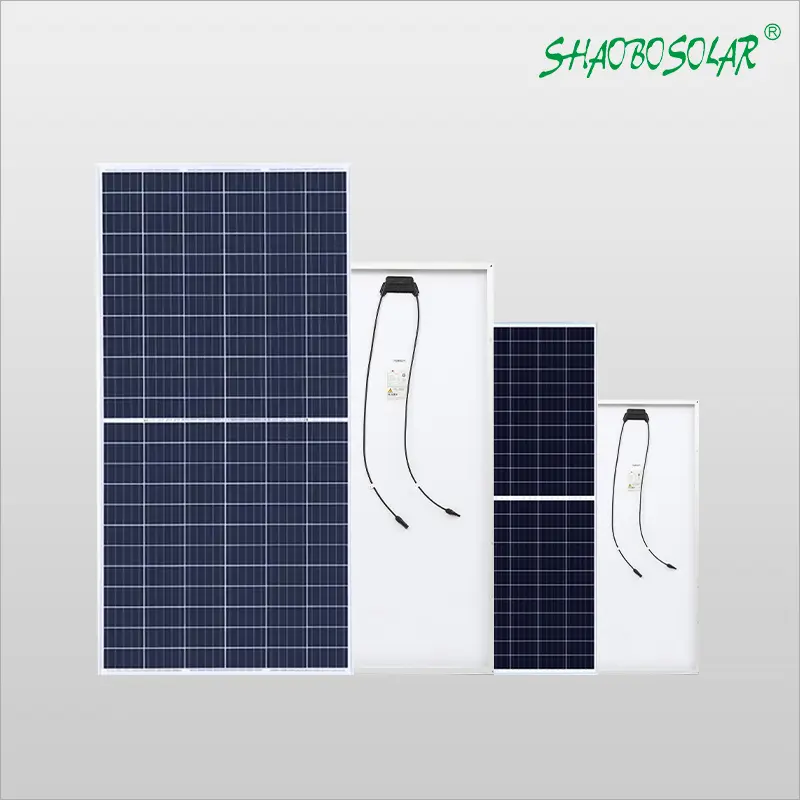
HighEfficiency house solar power system Solutions for Afghanistan

HighEfficiency house solar power system Solutions for Afghanistan

High-Efficiency house solar power system Solutions for Afghanistan

Empowering Afghan households and businesses with sustainable, Tier-1 photovoltaic technology designed for extreme climates and energy independence.

High-Efficiency house solar power system Solutions for Afghanistan

Our comprehensive solar energy solutions integrate cutting-edge solar panels to provide stable, clean, and affordable electricity across all provinces of Afghanistan.

The Solar Energy Landscape in Afghanistan

Analyzing the current adoption of photovoltaic systems in a region with immense solar potential.

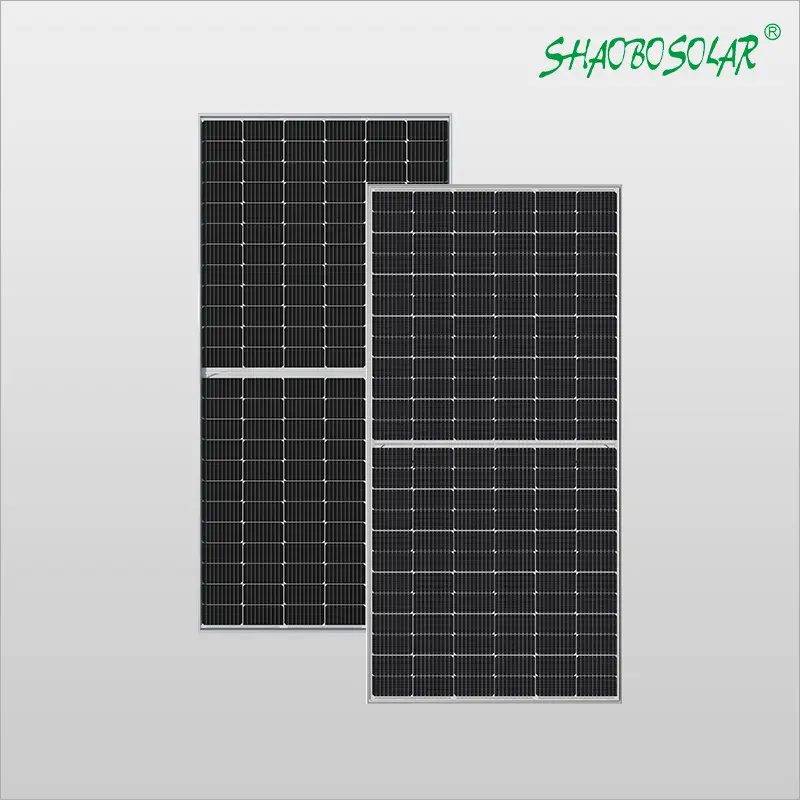
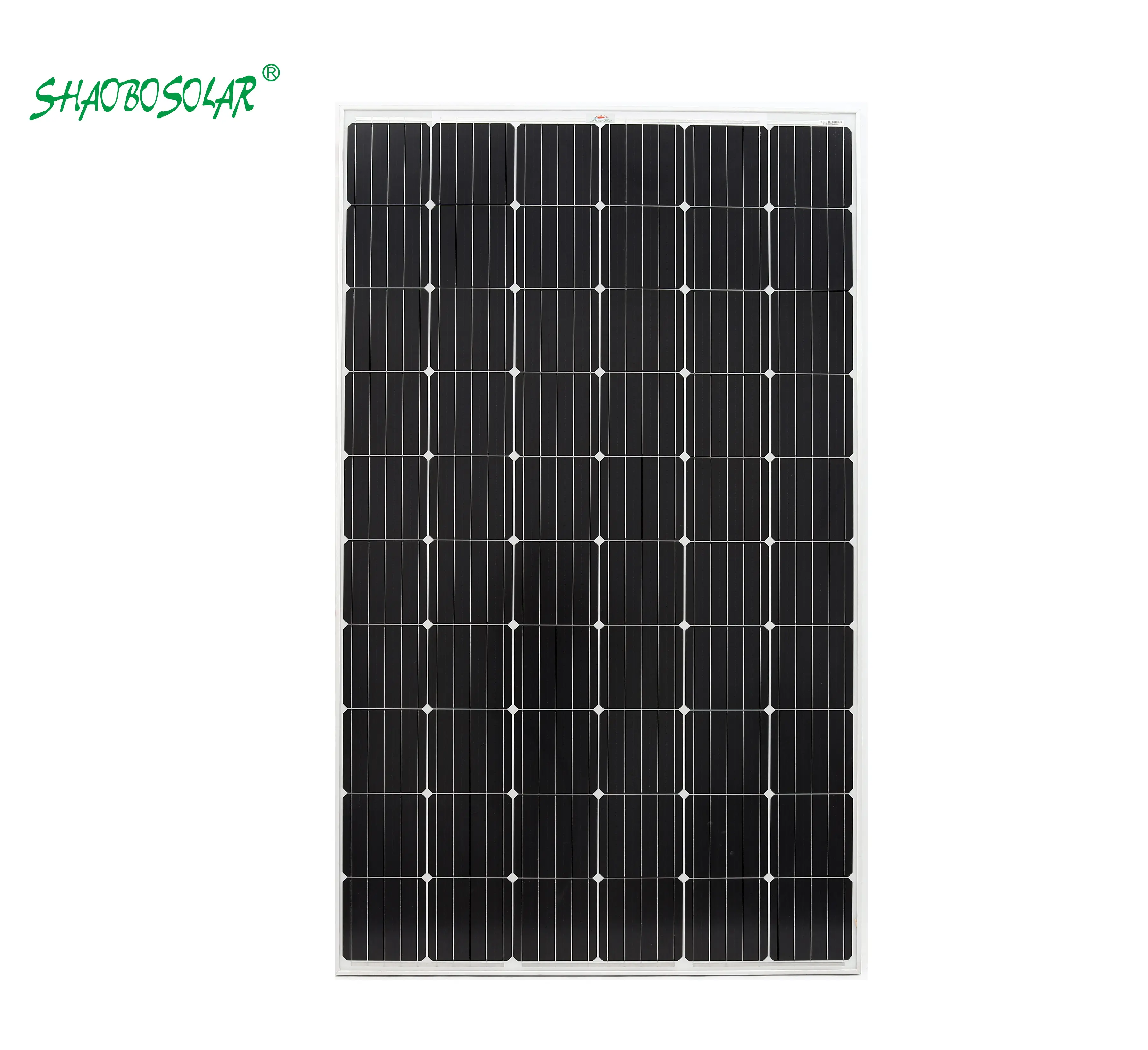
Afghanistan possesses some of the highest solar irradiation levels globally, yet the national grid remains unstable. This has led to a surge in demand for monocrystalline solar panels, which offer the best efficiency for limited roof spaces in urban areas like Kabul and Herat.

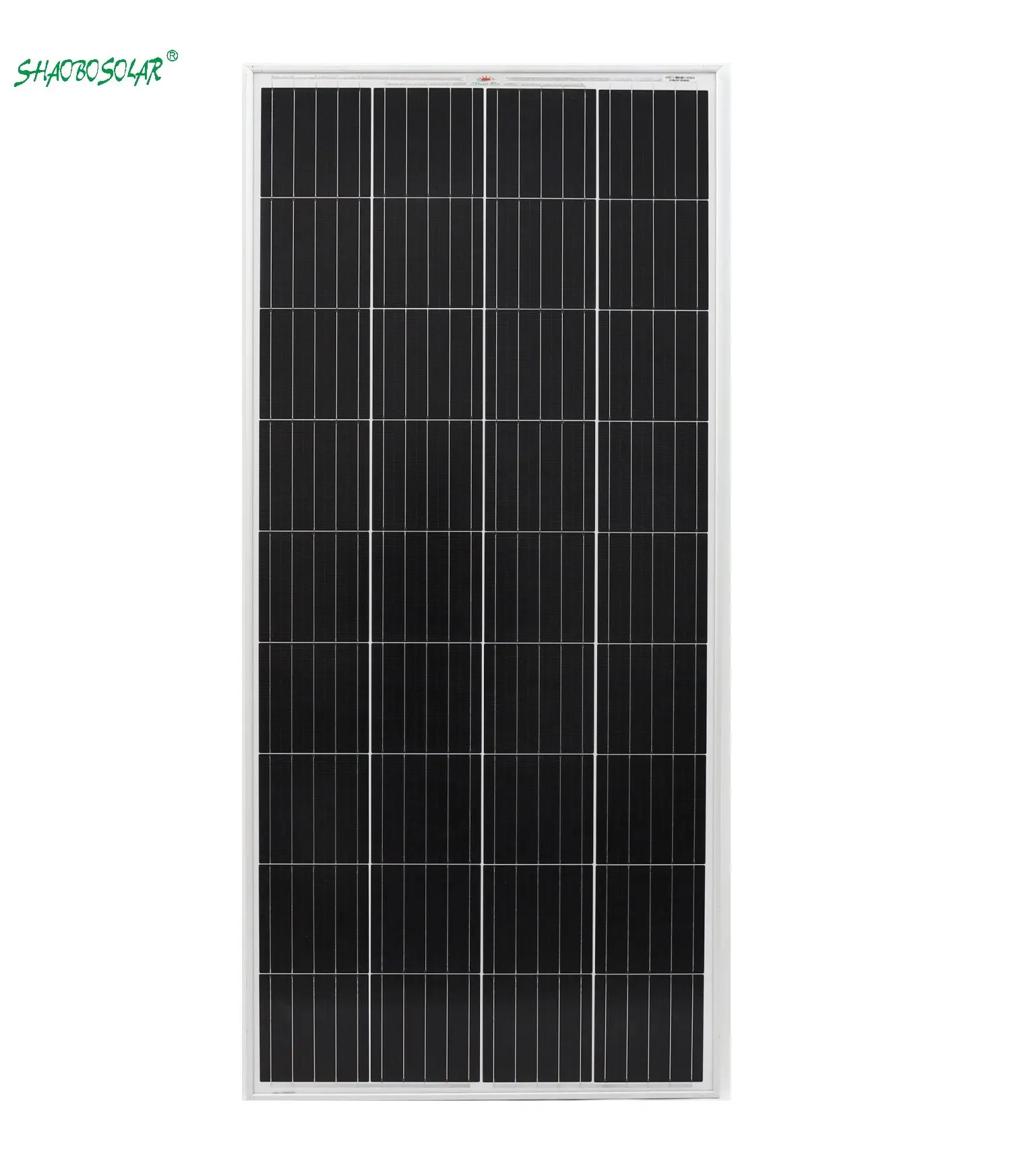
The economic environment has pushed many users toward decentralized energy. While polycrystalline solar panel options were historically popular due to lower initial costs, the market is shifting toward higher-wattage modules to reduce the overall footprint of installations.

Environmental challenges, including high dust accumulation and temperature fluctuations, require specialized hardware. The local market now prioritizes durable mono solar panel technology that can maintain performance under harsh desert conditions.
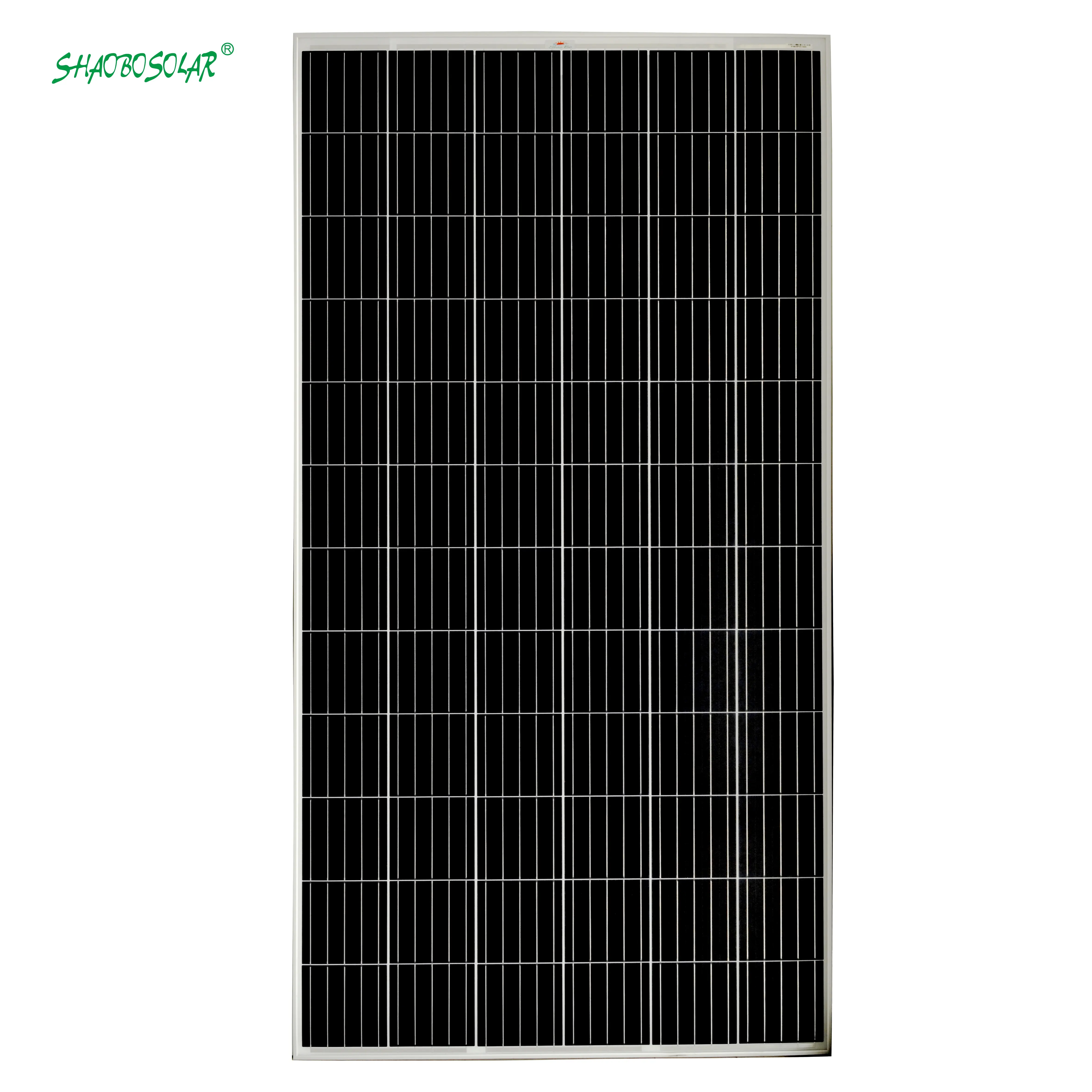
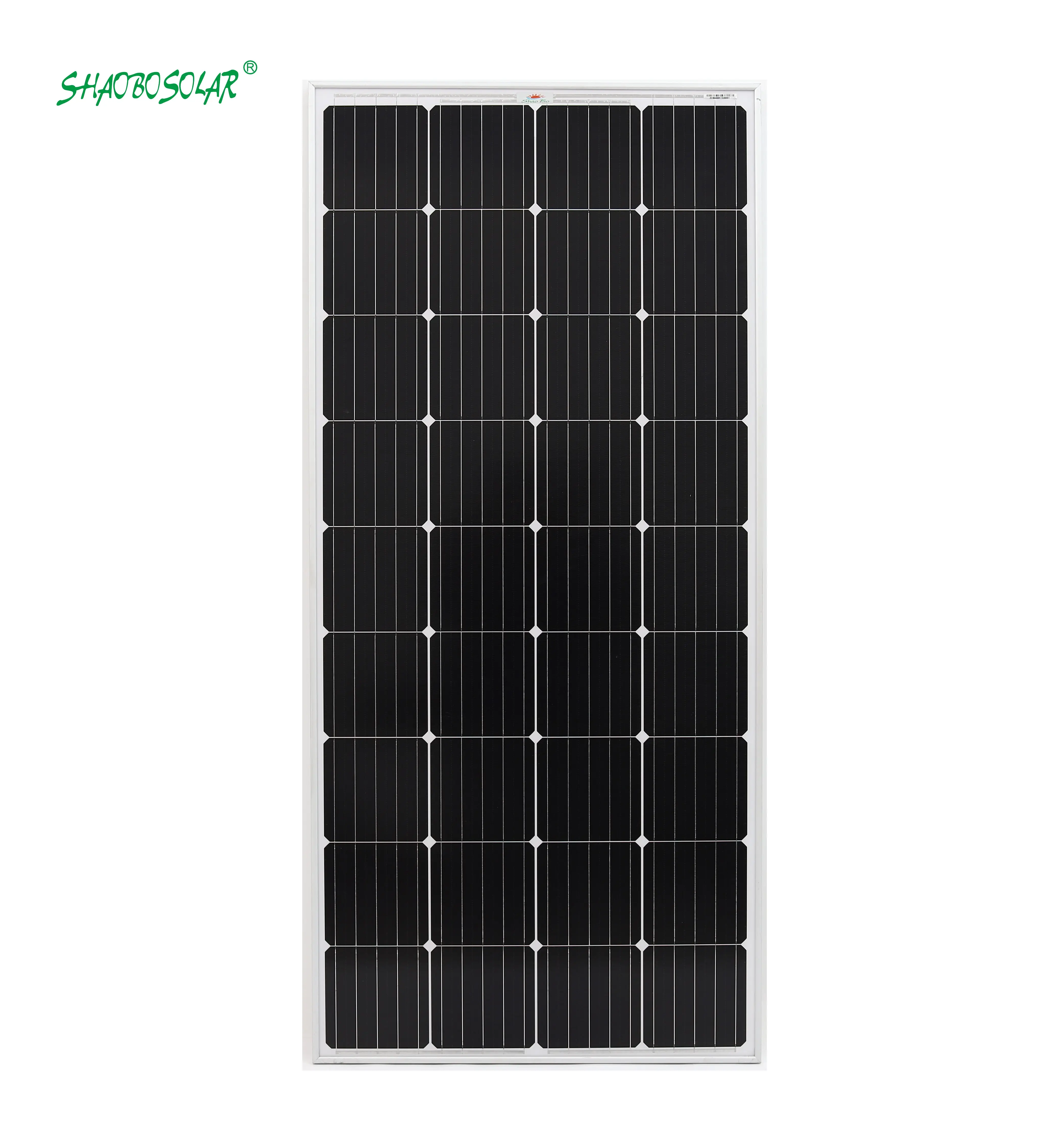
Evolution of Solar Technology in Afghanistan

From basic lighting to complex energy storage systems.

Market Development History

In the early 2010s, solar adoption was limited to small-scale lighting and basic mobile charging using low-efficiency modules. During this period, basic solar panels were imported without standardized quality controls, leading to rapid degradation.

Between 2015 and 2020, there was a transition toward structured home systems. The introduction of more affordable polycrystalline solar panel arrays allowed rural villages to establish communal water pumping and basic refrigeration.

From 2021 to the present, the trend has shifted toward high-efficiency PERC and TOPCon technologies. Modern installations now focus on the mono solar panel for its superior low-light performance and longevity.

Future Development Trends

Integration of LiFePO4 Storage

The transition from lead-acid to lithium batteries is accelerating, enabling 24/7 power reliability for the Afghan house solar power system.

Bifacial Module Adoption

Given the sandy terrain of the region, bifacial modules that capture reflected light from the ground are expected to increase energy yields by 15-20%.

Smart Grid Micro-Management

IoT-enabled inverters will allow local businesses to monitor energy production in real-time, optimizing load distribution during peak hours.

Industry Trends and Future Outlook

Strategic directions for solar manufacturing and deployment in Central Asia.

Efficiency Maximization
Rapid shift toward monocrystalline solar panels to maximize power output per square meter.
Climate Resilience
Development of anti-dust and heat-resistant coatings for panels in desert regions.
Hybrid System Growth
Combining solar with wind or diesel generators for critical infrastructure stability.
Cost-Benefit Optimization
Reducing the LCOE (Levelized Cost of Energy) through higher wattage modules.

Industry Outlook

The next 3-5 years will see Afghanistan move from fragmented residential setups to community-scale solar grids. Data indicates a growing search trend for "off-grid energy independence," suggesting that the reliance on traditional fuel will plummet as PV costs decrease.

Technological convergence will likely lead to the dominance of N-type cells, which offer lower degradation rates—a critical factor for the extreme temperature swings found in the Hindu Kush and southern deserts.

Localized Solar Applications in Afghanistan

Practical deployments tailored to the geographic and economic needs of the region.

1. Residential Energy Independence

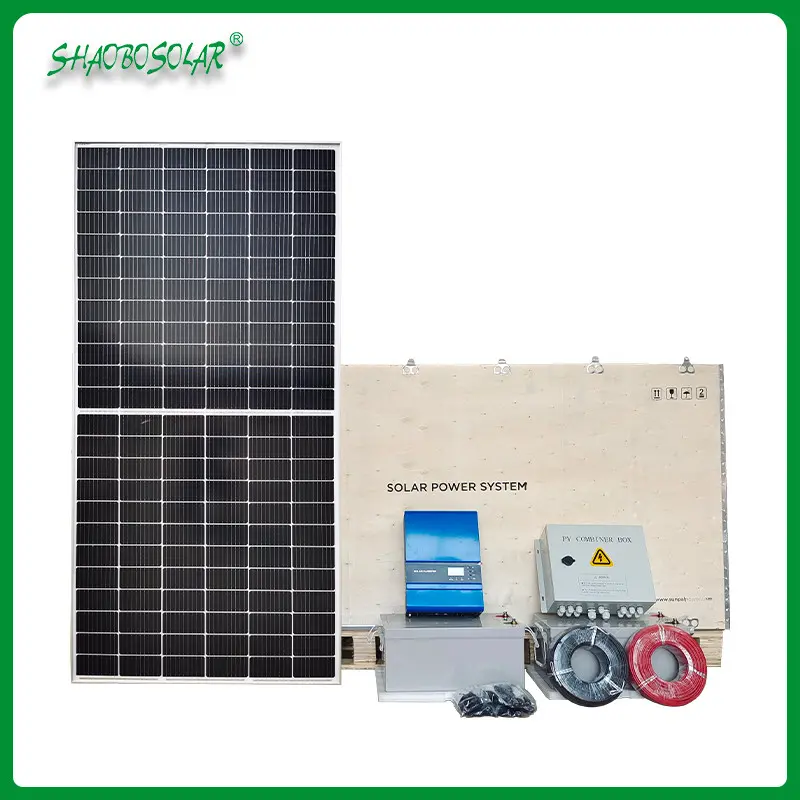
Implementing a complete house solar power system in urban centers to eliminate dependence on unstable city grids and expensive diesel generators.

2. Solar-Powered Agricultural Irrigation

Using high-capacity solar panels to power submersible pumps for crop irrigation in the arid plains of Helmand and Kandahar.

3. Remote Healthcare Electrification

Installing monocrystalline solar panels at rural clinics to ensure vaccine refrigeration and emergency lighting in remote mountainous areas.

4. Commercial Shop and Bazaar Power

Deploying mono solar panel arrays on flat-roofed marketplaces to power lighting, POS systems, and cooling units.

5. Educational Facility Powering

Providing sustainable energy to village schools through polycrystalline solar panel installations to enable digital learning and evening literacy classes.

Brand Story

Global Development History of Hebei Shaobo Solar Technology Co., Ltd.

Foundational Innovation

Established with a mission to democratize clean energy, we focused on solving the gap between industrial efficiency and residential affordability.

Quality Standardization

We implemented rigorous Tier-1 manufacturing standards to ensure our modules withstand the world's most extreme weather conditions.

Global Expansion

Expanding our footprint into Central Asia and Africa, adapting our product lines for high-heat and high-dust environments.

Tech Integration

Integrating advanced PERC and TOPCon technologies to lead the transition toward high-efficiency monocrystalline power.

Sustainable Future

Committed to providing zero-carbon energy solutions that empower underserved communities across the globe.

Complete Solar Product Portfolio for Afghanistan

A curated selection of high-performance modules and systems for diverse Afghan applications.

Afghanistan Solar Energy FAQ

Common questions regarding the installation and maintenance of PV systems in Afghanistan.

Which is better for Afghanistan, monocrystalline solar panels or polycrystalline?

Monocrystalline panels are generally better for urban areas with limited roof space due to higher efficiency, while polycrystalline options are cost-effective for large-scale rural projects.

How do I maintain a house solar power system in dusty regions?

Regular dry cleaning with a soft brush or damp cloth is essential. We recommend cleaning schedules every 2 weeks during the wind-heavy seasons to prevent efficiency drops.

What is the average lifespan of a mono solar panel in hot climates?

Our high-quality mono solar panels are rated for 25+ years, though efficiency may slightly decrease over time. Proper ventilation during installation helps maintain longevity.

Can solar panels work during the winter in the mountains of Afghanistan?

Yes, solar panels actually operate more efficiently in cooler temperatures. However, snow removal is necessary to ensure the cells are exposed to sunlight.

How many solar panels do I need for a standard Afghan home?

This depends on your load. A typical small home requiring lighting and a fridge may need 4-6 panels, whereas a larger home with AC may require 12 or more.

Are off-grid solar systems reliable for businesses in Afghanistan?

Absolutely. By combining high-efficiency panels with LiFePO4 battery storage, businesses can operate independently of the grid with 99% uptime.

Get Your Customized Solar Solution

Ready to transition to clean energy? Our engineers provide expert guidance for all solar installations across Afghanistan.

Contact Us Now

If you are interested in our products, you can choose to leave your information here, and we will be in touch with you shortly.