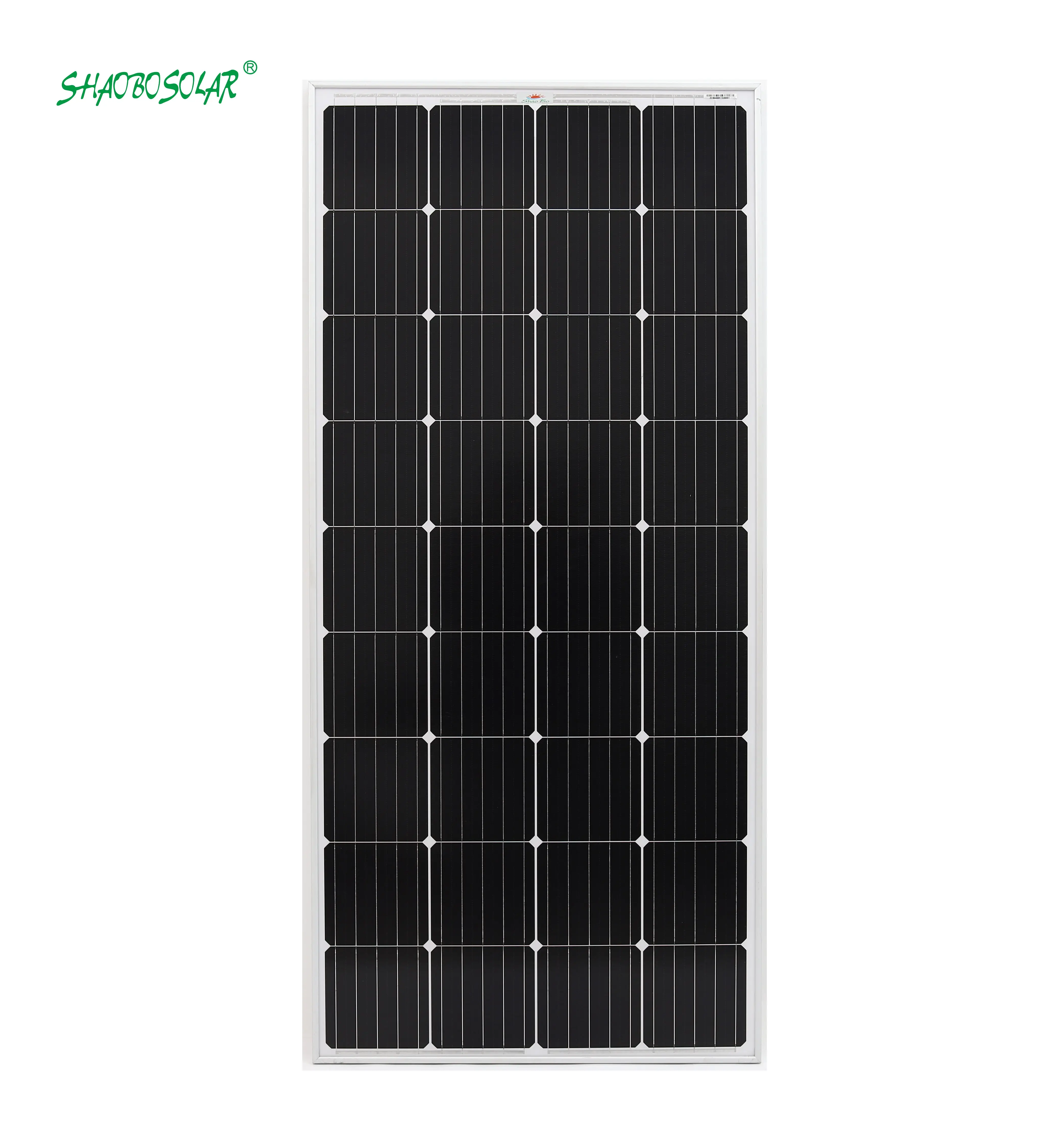
HighEfficiency house solar power system for Gambia

HighEfficiency house solar power system for Gambia

High-Efficiency house solar power system for Gambia

Empowering Gambian homes and businesses with sustainable energy through cutting-edge photovoltaic technology tailored for the West African climate.

High-Efficiency house solar power system for Gambia

Providing reliable, scalable, and durable solar energy solutions to combat power instability in Gambia, ensuring 24/7 electricity for residential and commercial use.

The Energy Landscape of Solar Adoption in Gambia

Analyzing the shift toward decentralized renewable energy in the Smiling Coast of Africa.

Gambia possesses an immense solar resource due to its tropical climate and consistent sunlight exposure. However, the national grid often faces stability issues, leading many residents to seek independent solar panels to maintain essential services and lighting in rural and urban areas alike.

The demand for polycrystalline solar panel options has historically been high due to lower initial costs, but as the market matures, there is a clear shift toward higher efficiency modules that can maximize limited roof spaces in densely populated areas like Banjul.

Environmental factors, including high humidity and saline air from the Atlantic coast, require specialized equipment. Local installers are increasingly prioritizing corrosion-resistant frames and high-temperature tolerance to ensure the longevity of photovoltaic investments.
Evolution of Photovoltaic Technology in Gambia

From basic lighting kits to integrated smart energy ecosystems.

Market Development History

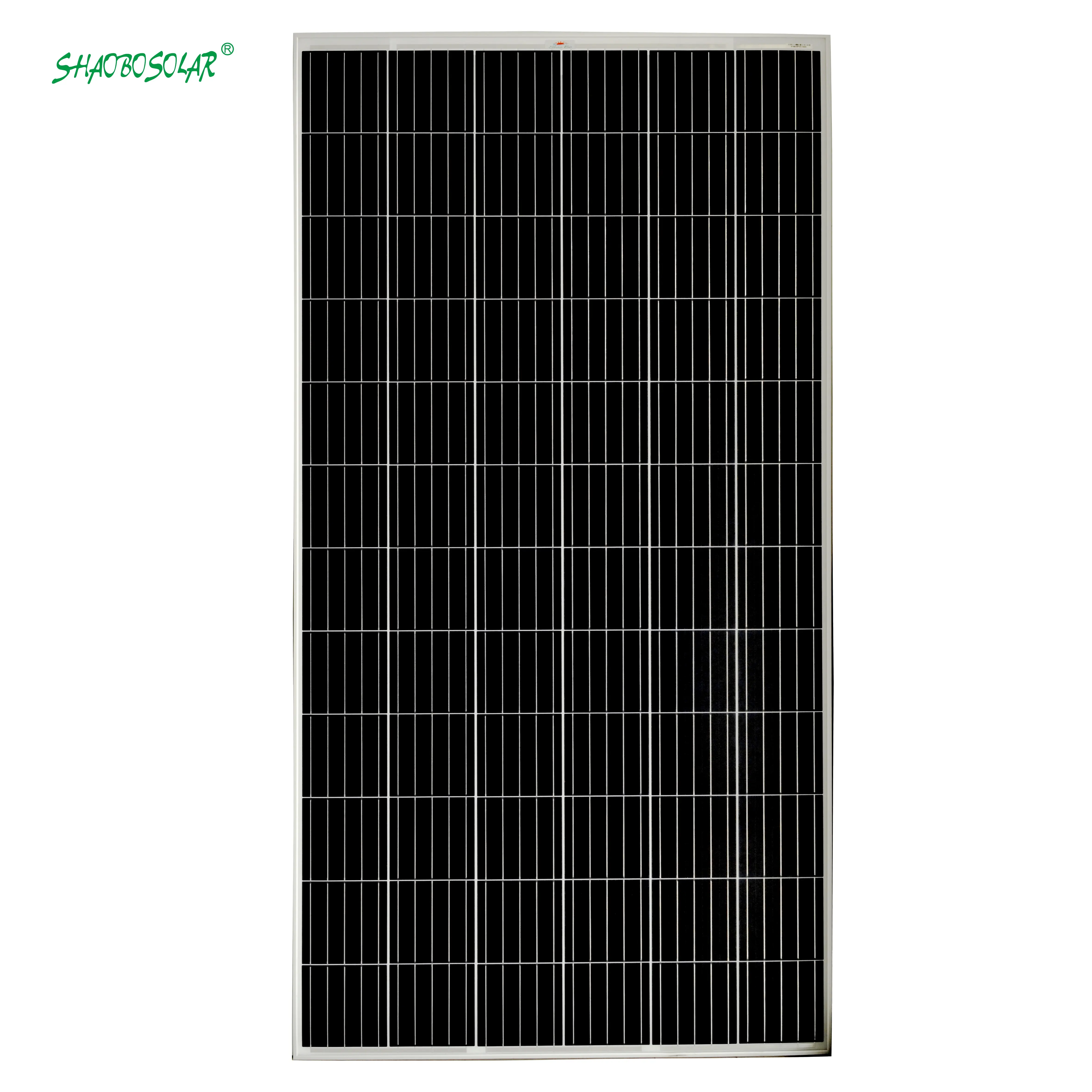
Between 2000 and 2010, solar energy in Gambia primarily consisted of small-scale lanterns and basic lead-acid battery systems. These early adopters used basic polycrystalline solar panel units that provided minimal wattage, enough only for basic LED lighting.

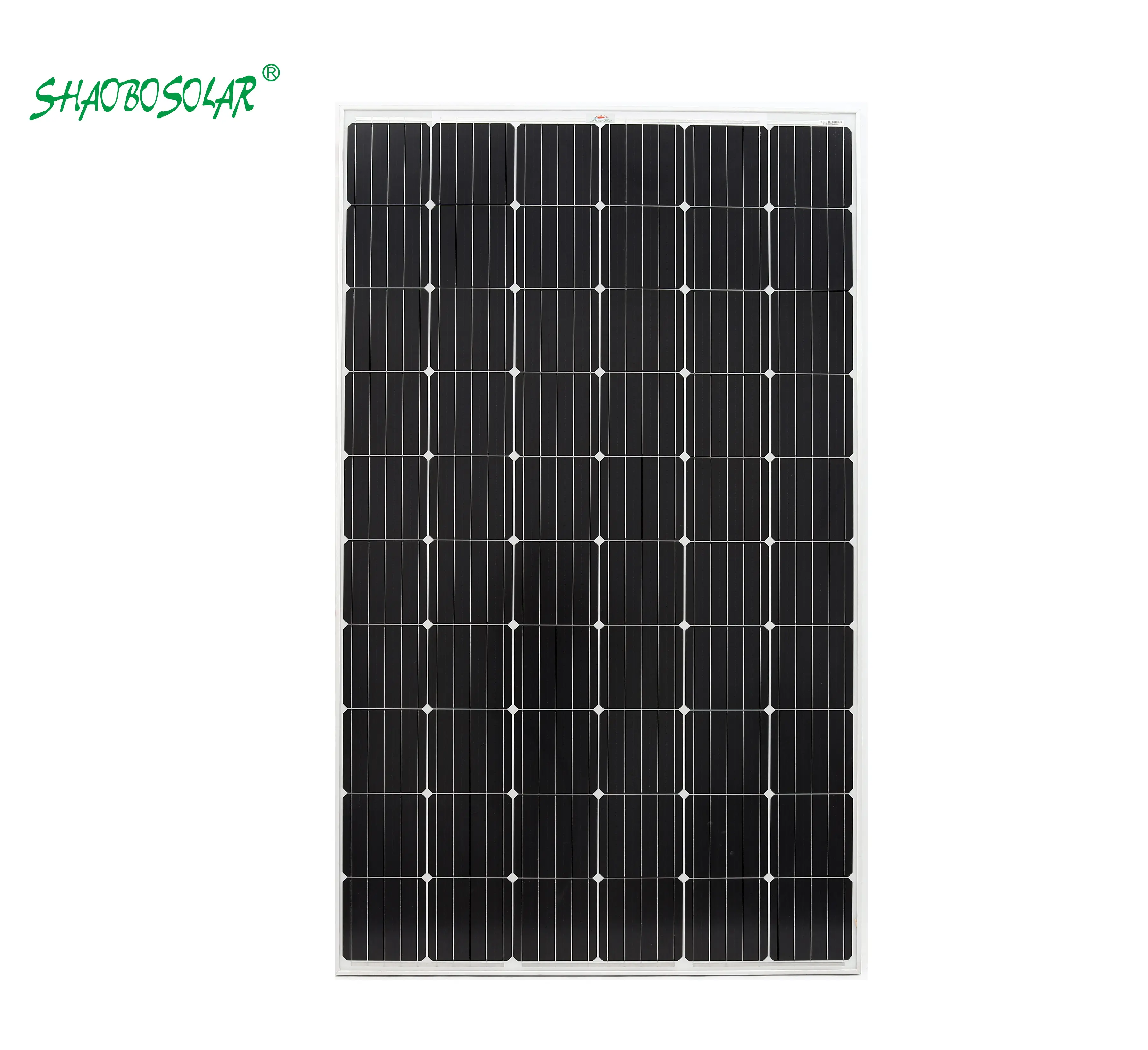
From 2011 to 2020, the market transitioned toward residential power. The introduction of the mono solar panel brought a revolution in efficiency, allowing families to power refrigerators and televisions, significantly improving the quality of life in off-grid regions.

Since 2021, we have entered the era of "Smart Energy." The focus has shifted to integrated systems featuring Lithium-ion storage and hybrid inverters, making a full house solar power system a viable alternative to diesel generators.

Future Development Trends

N-Type TOPCon Dominance

We predict a rapid transition to N-Type cells, which offer lower degradation rates and better performance in the high-heat environments typical of the Gambia region.

Bifacial Module Integration

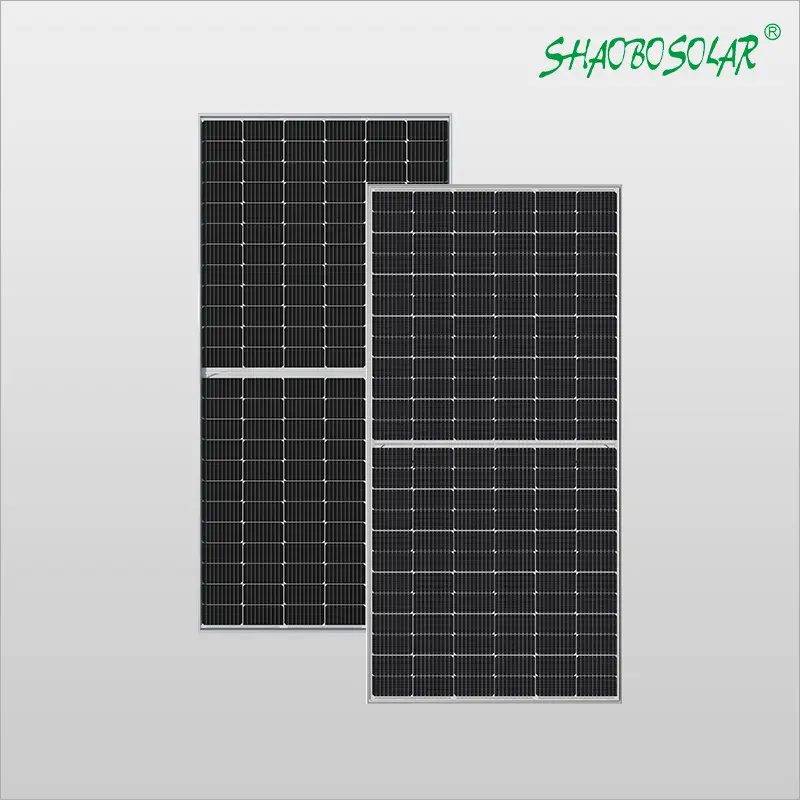
The use of bifacial monocrystalline solar panels will increase for ground-mounted agricultural projects, capturing reflected light from sandy soils to boost yield by 10-20%.

AI-Driven Energy Management

Future installations will integrate IoT sensors to optimize battery discharge cycles based on local weather patterns, maximizing the ROI for Gambian homeowners.

Future Outlook of Solar Energy in Gambia

Strategic directions for sustainable electrification and energy independence.

High-Efficiency Transition
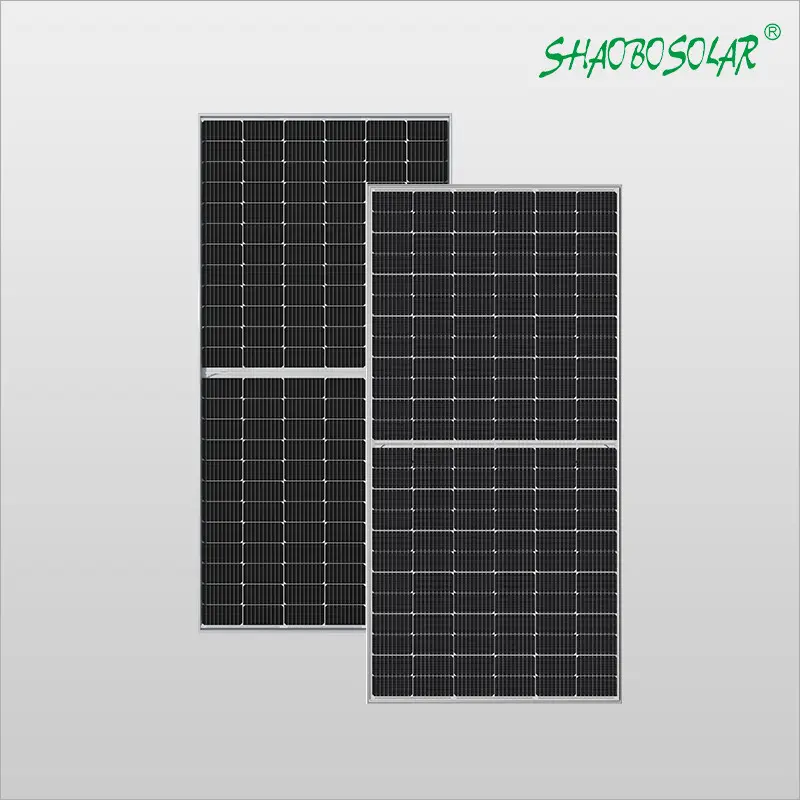
Migration from standard cells to monocrystalline solar panels to optimize energy density in limited urban spaces.
Storage Scalability
Implementing LiFePO4 battery banks to ensure seamless power transitions during the rainy season.
Agricultural Synergy
Combining solar arrays with irrigation systems to boost crop yields in the Gambian river valley.
Grid-Tied Hybridization
Moving toward hybrid systems that can sell excess energy back to the utility grid.

Industry Outlook

Google search trends indicate a rising interest in "affordable solar energy" and "off-grid power" within the West African region. This suggests that the market is moving from niche luxury installations to mass-market adoption as costs for solar panels continue to drop.

Over the next 3-5 years, the focus in Gambia will likely shift toward the "Solar-as-a-Service" model, where financing options make high-quality monocrystalline technology accessible to lower-income households, accelerating the nation's journey toward 100% electrification.

Localized Solar Applications in Gambia

Practical implementations of PV technology across diverse Gambian sectors.

1. Residential Off-Grid Housing

Deploying a complete house solar power system for families in rural regions, providing reliable lighting, refrigeration, and mobile charging without relying on the unstable central grid.

2. Solar-Powered Irrigation for Farmers

Using high-efficiency mono solar panel arrays to power water pumps, allowing farmers in the river valley to cultivate crops year-round regardless of rainfall patterns.

3. Healthcare Clinic Electrification

Installing critical power backups in community health centers to ensure that vaccines are kept refrigerated and medical equipment remains operational during outages.

4. Small Business Energy Security

Integrating solar solutions for local shops and workshops in Serekunda, reducing operational costs and eliminating the noise and pollution of diesel generators.

5. Street Lighting for Public Safety

Implementing standalone solar street lights using durable polycrystalline solar panel technology to improve safety and nighttime economic activity in urban centers.

Brand Story

Global Development Journey of Hebei Shaobo Photovoltaic Technology Co., Ltd.

Industrial Foundation

Established with a vision to democratize clean energy, focusing on the rigorous manufacturing of high-grade silicon wafers and cells.

Technological Breakthrough

Perfecting the production of monocrystalline modules to solve the industry pain point of low efficiency in high-temperature environments.

Global Market Expansion

Expanding our footprint into Africa, tailoring product specifications to meet the unique climatic challenges of regions like Gambia.

Sustainability Certification

Achieving international quality standards to ensure every module provides a 25-year lifespan for our global partners.

Future Vision

Committing to a carbon-neutral future by providing the most affordable and efficient solar components to the developing world.

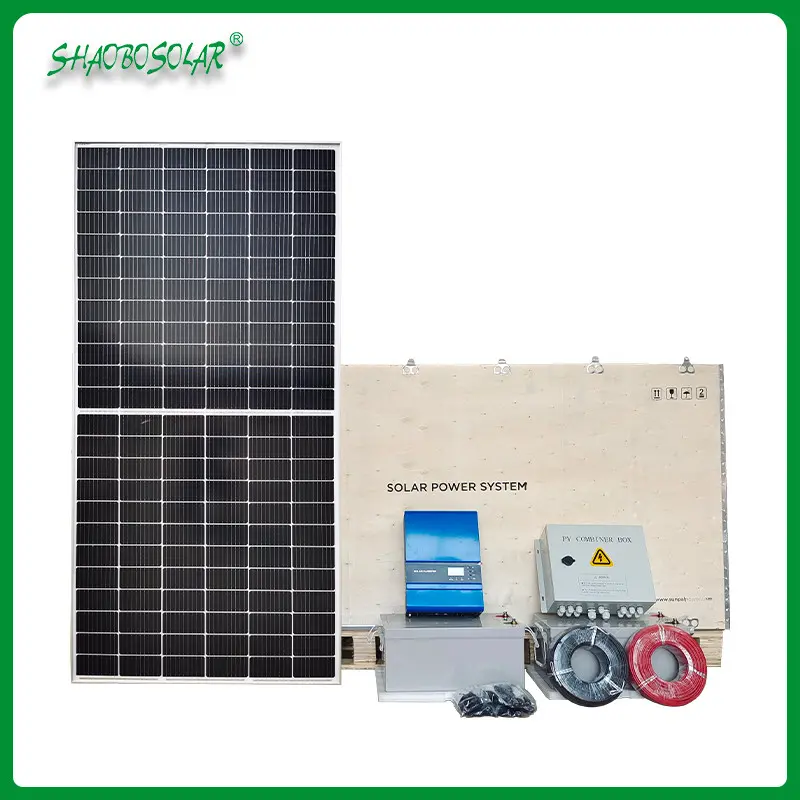
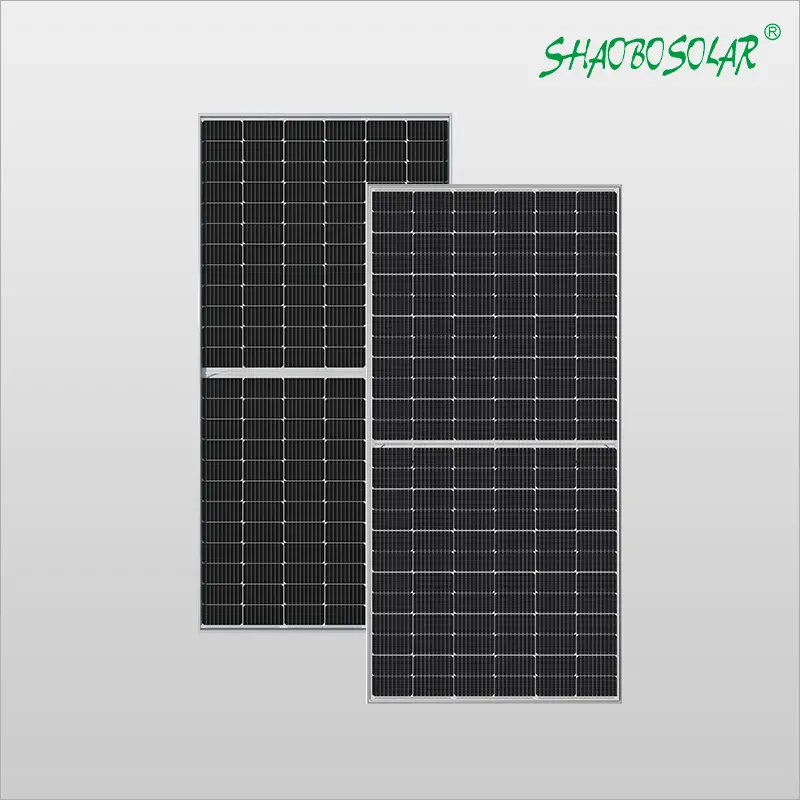
Complete Solar Product Portfolio for Gambia

From individual modules to fully integrated energy systems designed for the African sun.

Frequently Asked Questions in Gambia

Expert answers to common queries regarding solar installation and maintenance.

Which is better for Gambia, monocrystalline solar panels or polycrystalline?

For most Gambian users, monocrystalline solar panels are recommended because they perform better in high temperatures and occupy less space, although polycrystalline remains a cost-effective choice for large ground arrays.

How long does a typical house solar power system last in West Africa?

A high-quality house solar power system typically has a panel lifespan of 25 years, while batteries may need replacement every 5-10 years depending on the chemistry (Gel vs Lithium).

Can a mono solar panel work during the rainy season in Gambia?

Yes, a mono solar panel still generates electricity during cloudy or rainy days, although the output is significantly lower than during peak sunny hours.

How do I prevent dust and salt buildup on my solar panels?

Regular cleaning with water and a soft cloth is essential in Gambia to remove dust and saline deposits, which can otherwise create "hot spots" and reduce efficiency.

What is the most affordable way to start a solar transition?

Starting with a few polycrystalline solar panel units for basic lighting and then scaling up to a full inverter system is often the most budget-friendly approach.

Do I need a special inverter for my solar system in Gambia?

Yes, we recommend Pure Sine Wave inverters to protect sensitive electronics from power surges and ensure compatibility with Gambian household appliances.

Ready to Power Your Future?

Contact our expert team today for a customized energy audit and the best solar solutions available in Gambia.

Contact Us Now

If you are interested in our products, you can choose to leave your information here, and we will be in touch with you shortly.