
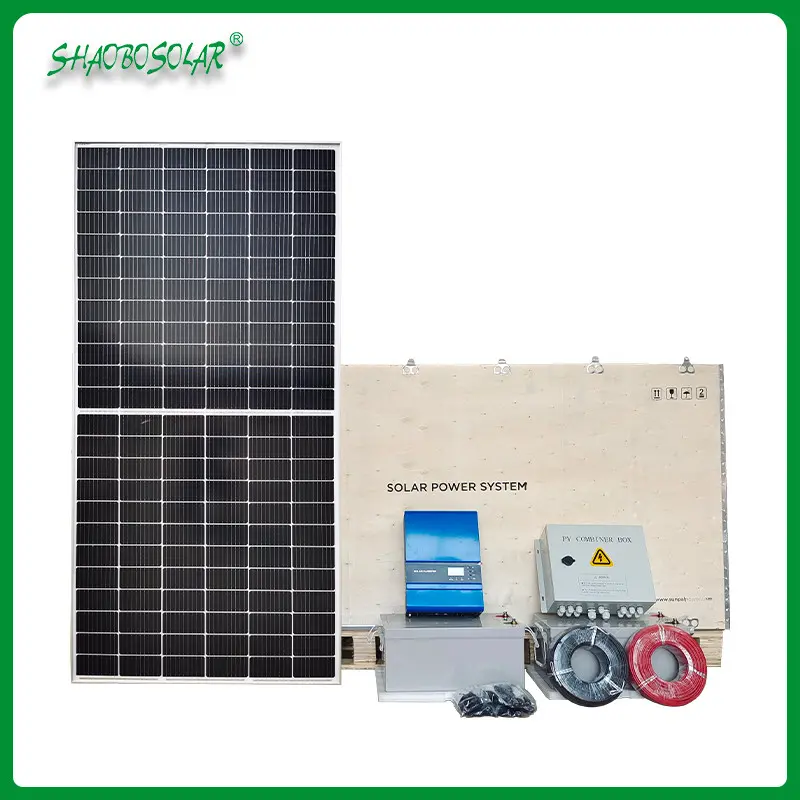
HighEfficiency house solar power system for Denmark

HighEfficiency house solar power system for Denmark

High-Efficiency house solar power system for Denmark

Optimizing energy independence for Danish households with cutting-edge photovoltaic technology tailored for Northern European climates.

High-Efficiency house solar power system for Denmark

We provide integrated solar solutions that maximize energy yield even under the low-light conditions typical of the Danish peninsula, ensuring year-round sustainability.

Solar Energy Landscape in Denmark

Analyzing the integration of solar technology within the Danish energy transition.

Denmark's commitment to carbon neutrality has accelerated the adoption of solar panels across residential and industrial sectors. Despite the high latitude, the country's advanced grid infrastructure and supportive government policies make it a prime market for sustainable energy.

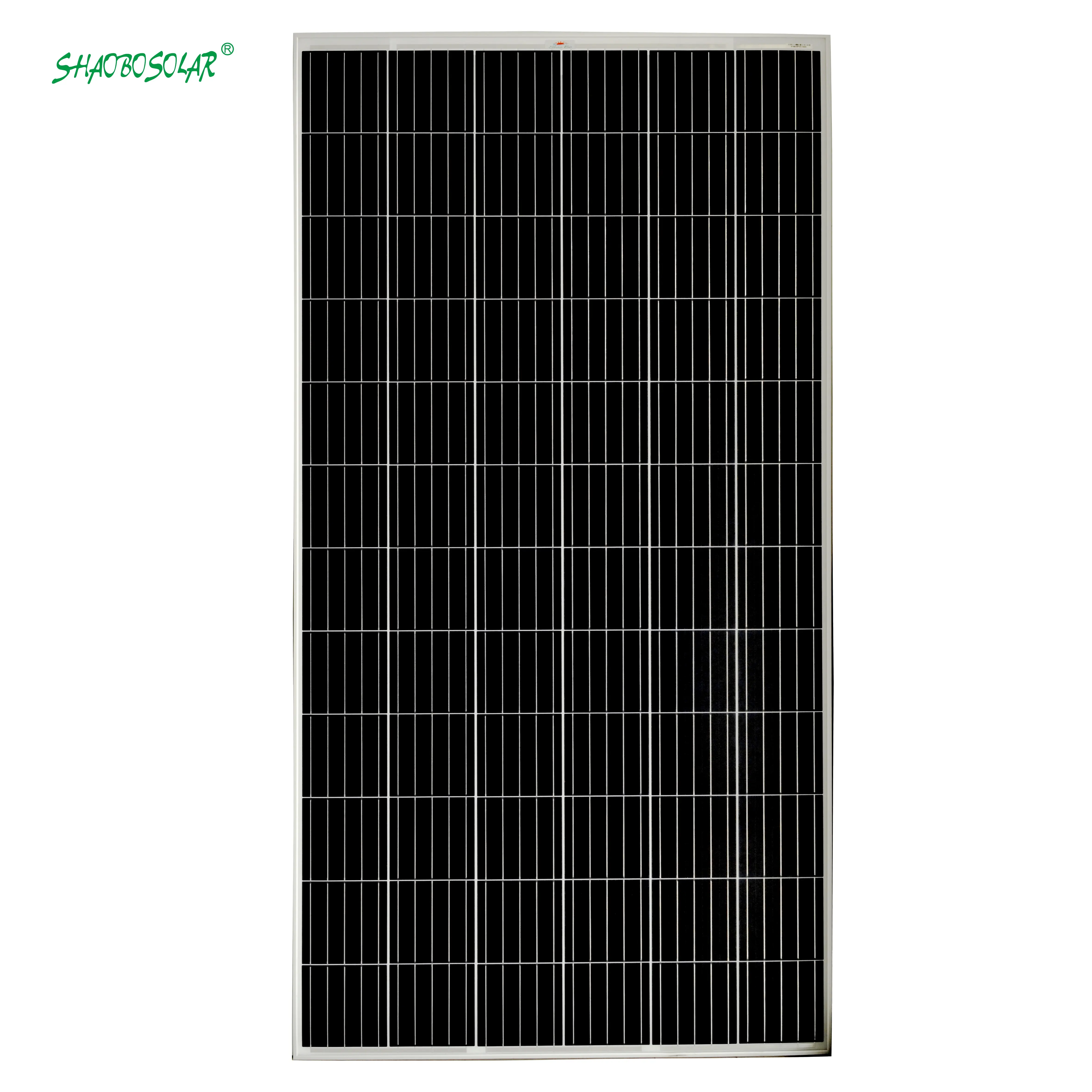
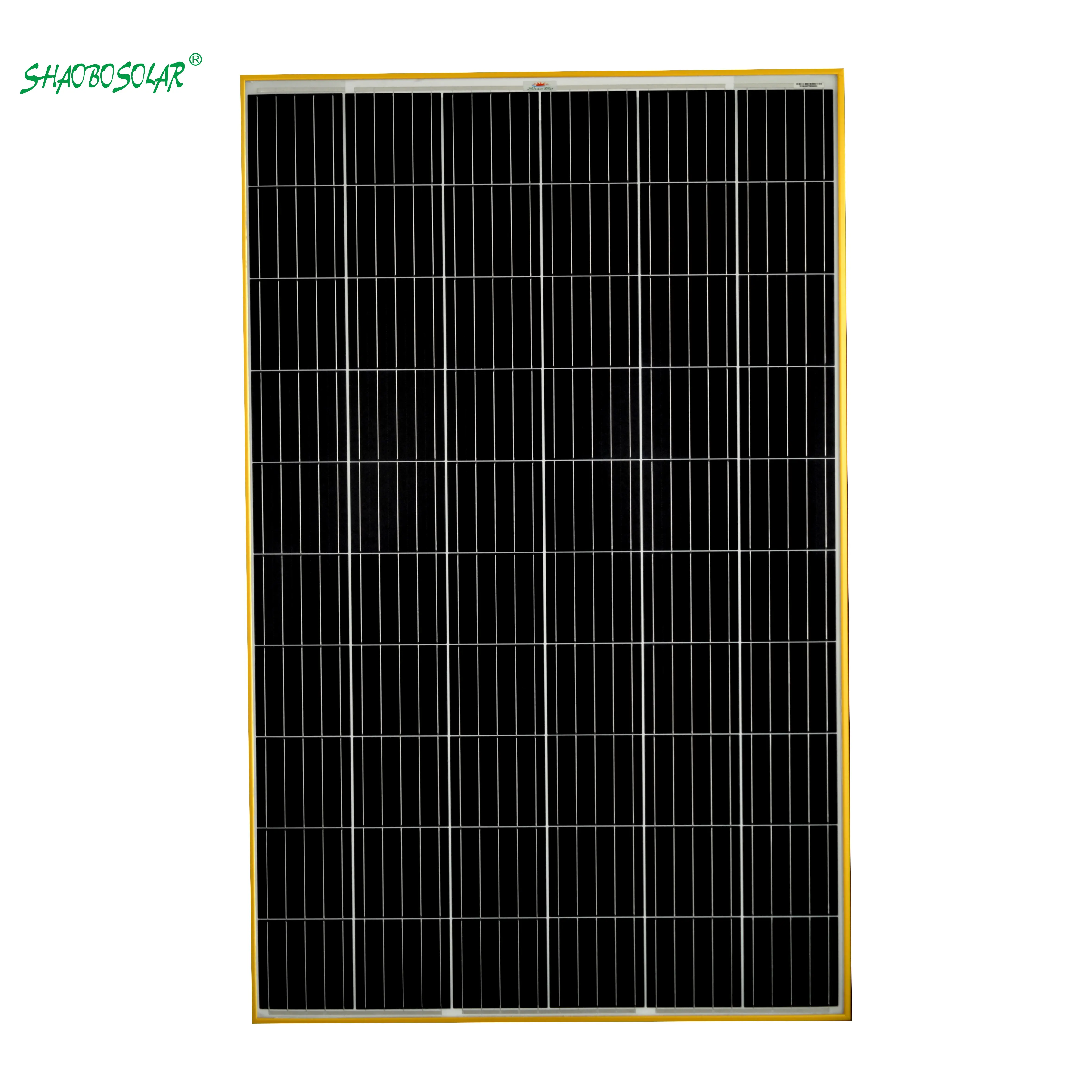
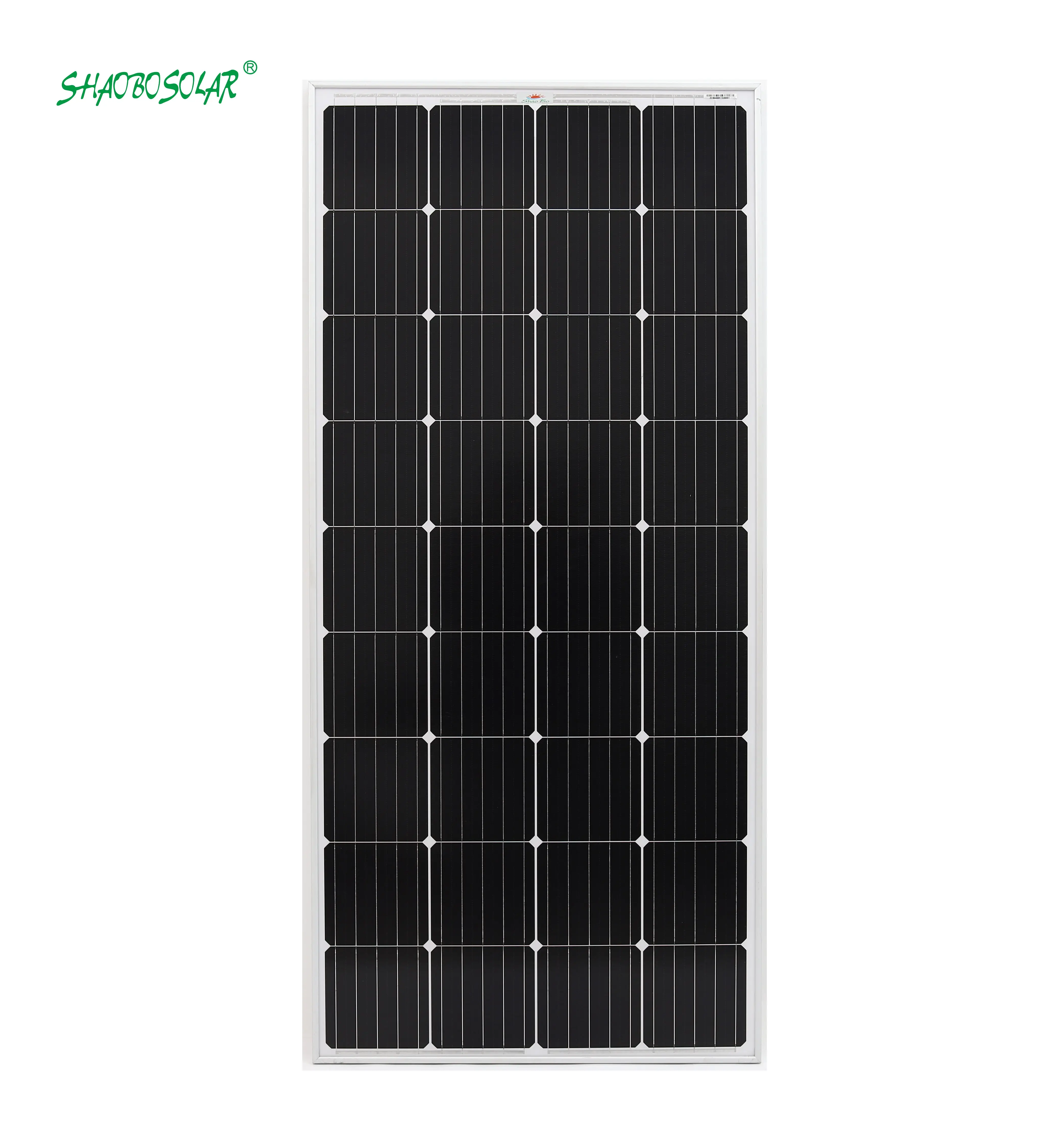
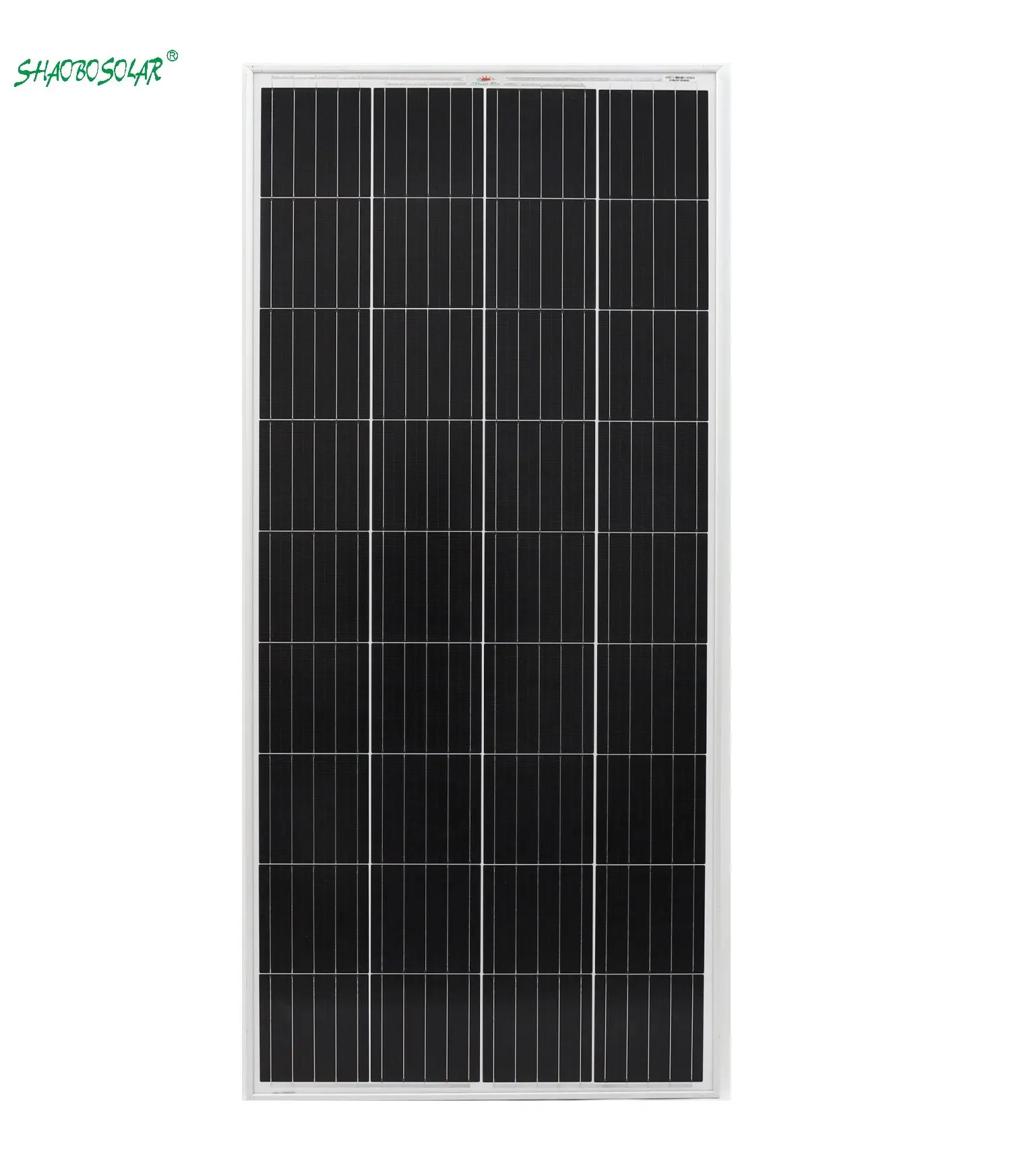
The Danish climate, characterized by frequent cloud cover and diffused light, requires specialized equipment. This has led to a significant shift toward monocrystalline solar panels, which offer superior efficiency in low-light environments compared to older technologies.

Economically, the trend is moving toward self-consumption and energy community models. Danish homeowners are increasingly investing in comprehensive systems to hedge against fluctuating electricity prices and reduce their dependence on the central grid.
Evolution of Photovoltaic Technology in Denmark

From basic installations to intelligent energy ecosystems.

Market Development History

In the early 2000s, the Danish market was dominated by polycrystalline solar panel installations. These were cost-effective but lacked the efficiency needed for the limited sunlight hours of the Nordic winter.

Between 2010 and 2020, a technical pivot occurred. The industry transitioned toward the mono solar panel, utilizing PERC (Passivated Emitter and Rear Cell) technology to increase light capture and reduce electron recombination.

Today, the focus has shifted from simple power generation to integrated management. Modern systems now combine high-wattage modules with smart inverters and battery storage to optimize the utilization of every photon.

Future Development Trends

N-Type TopCon Dominance

The market is rapidly moving toward N-type cells which offer lower degradation rates and higher efficiency than traditional P-type cells, essential for Denmark's long-term ROI.

BIPV Integration

Building-Integrated Photovoltaics (BIPV) are becoming standard in Danish architecture, where solar cells are integrated directly into roof tiles and facades.

AI-Driven Energy Optimization

Integration with AI to predict weather patterns and automate energy storage, maximizing the efficiency of the house solar power system.

Industry Trends and Future Outlook

Predicting the trajectory of solar manufacturing and deployment in Northern Europe.

Efficiency Maximization
Shift towards monocrystalline solar panels with 22%+ efficiency to combat low solar irradiance.
Energy Storage Synergy
Integration of LiFePO4 batteries to store summer surpluses for winter heating requirements.
Grid-Interactive Systems
Smart systems that sell excess power back to the Danish grid during peak demand periods.
Circular Economy Materials
Focus on recyclable silicon and glass to meet EU Green Deal sustainability mandates.

Industry Outlook

Based on Google search trends in Northern Europe, there is a surging interest in "hybrid solar systems" and "energy autonomy." We expect the next 3-5 years to see a convergence of EV charging, heat pumps, and solar power into a single managed ecosystem.

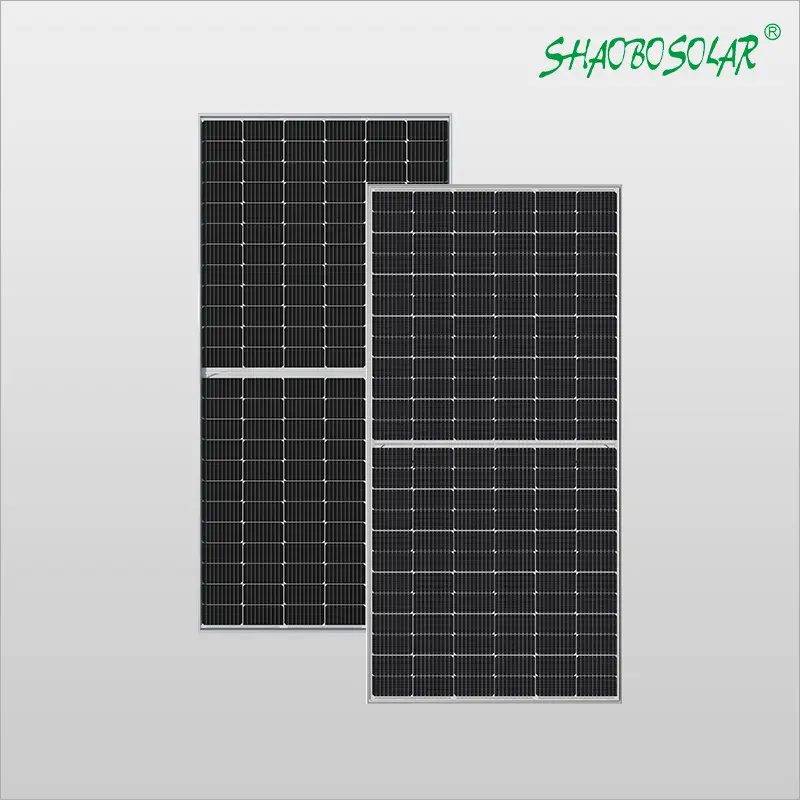
The manufacturing focus will shift toward bifacial modules that can capture reflected light from snow, further increasing the winter yield for Danish installations.

Localized Solar Applications in Denmark

Practical implementation scenarios for diverse Danish environments.

01. Residential Rooftop Systems in Copenhagen

Installing high-density mono solar panels on urban rooftops to maximize limited space and provide clean energy for city dwellings.

02. Agricultural Solar Parks in Jutland

Large-scale deployment of photovoltaic arrays combined with livestock grazing (Agrivoltaics) to optimize land use in rural farming areas.

03. Coastal Wind-Solar Hybrids in Zeeland

Combining solar panels with small-scale wind turbines to ensure a constant power supply regardless of the seasonal weather shifts.

04. Industrial Warehouses in Odense

Utilizing expansive flat roofs for massive solar installations to lower the operational costs of logistics and manufacturing hubs.

05. Sustainable Summer Cottages (Sommerhus)

Off-grid house solar power system setups providing autonomy for holiday homes in remote coastal areas.

Brand Story

Global Development Journey of Hebei Shaobo Photovoltaic Technology Co., Ltd.

Foundational Excellence

Established with a vision to solve the efficiency gap in solar cell manufacturing, focusing on high-purity silicon processing.

Technological Breakthrough

Developed proprietary PERC and TopCon cell architectures to increase light conversion rates for low-irradiance regions.

European Expansion

Entered the EU market, tailoring products to meet the rigorous quality and environmental standards of Nordic countries.

Sustainability Leadership

Implemented a zero-waste manufacturing process, reducing the carbon footprint of every solar panel produced.

Global Energy Partner

Now serving as a trusted supplier for integrated energy solutions across Europe, Asia, and the Americas.

Denmark Solar Energy FAQ

Expert answers to the most common questions regarding solar installation in Denmark.

Are monocrystalline solar panels effective during the Danish winter?

Yes, monocrystalline solar panels are specifically designed to perform better in low-light and diffused light conditions, making them the ideal choice for Denmark's cloudy winters.

What is the average ROI for a house solar power system in Denmark?

Depending on energy consumption and local subsidies, most Danish homeowners see a full return on investment within 7 to 11 years, with a system lifespan of over 25 years.

How do I choose between a mono solar panel and a poly option?

While a polycrystalline solar panel may be cheaper, the mono solar panel provides higher efficiency and better space utilization, which is critical for the Danish market.

Do I need a building permit for solar panels in Copenhagen?

Generally, residential solar installations are permitted, but if your house is a listed building or in a protected zone, you must apply for a permit from the local municipality.

How does snow affect the performance of my solar system?

Heavy snow can block light, but the dark surface of the panels helps them melt snow quickly. We recommend a steep installation angle to allow snow to slide off naturally.

Can I integrate my solar system with an EV charger?

Absolutely. Modern systems are designed to synchronize with smart EV chargers, allowing you to charge your vehicle directly from your generated solar power.

Ready to Transition to Clean Energy?

Contact our expert team today for a customized solar energy audit and installation plan for your property in Denmark.

Contact Us Now

If you are interested in our products, you can choose to leave your information here, and we will be in touch with you shortly.