
HighEfficiency house solar power system for Bolivia

HighEfficiency house solar power system for Bolivia

High-Efficiency house solar power system for Bolivia

Empowering the Bolivian highlands and valleys with cutting-edge photovoltaic technology to ensure energy independence and sustainable growth.

High-Efficiency house solar power system for Bolivia

Providing robust and scalable solar energy solutions tailored to the unique atmospheric and geographical conditions of Bolivia, from La Paz to Santa Cruz.

Solar Energy Landscape in Bolivia

Analyzing the integration of PV technology in the Andean region.

Bolivia possesses some of the highest solar irradiation levels globally, particularly in the Altiplano region. However, the adoption of solar panels has historically been hindered by logistical challenges in remote mountainous terrains and a reliance on centralized grids that often fail to reach rural communities.

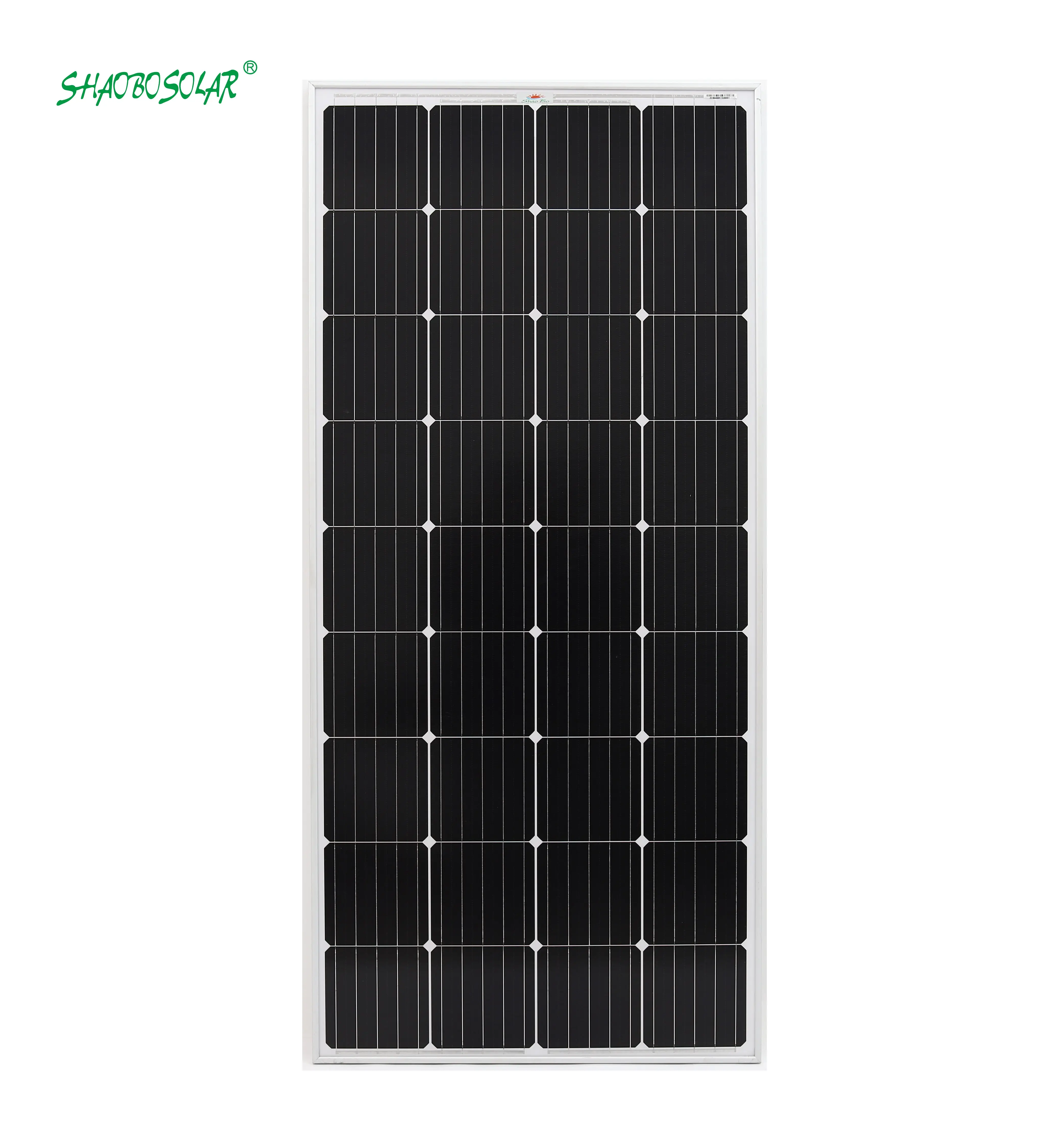
Currently, there is a significant shift toward decentralized energy. The demand for monocrystalline solar panels is rising as urban residents in cities like Cochabamba seek higher efficiency to maximize limited roof space while combating rising electricity tariffs.

Economically, the market is evolving from small-scale lighting kits to comprehensive energy systems. The integration of advanced storage allows the Bolivian agricultural sector to utilize solar power for irrigation, reducing operational costs and increasing crop yields.
Evolution of Photovoltaic Technology in Bolivia

From basic electrification to intelligent energy management.

Market Development History

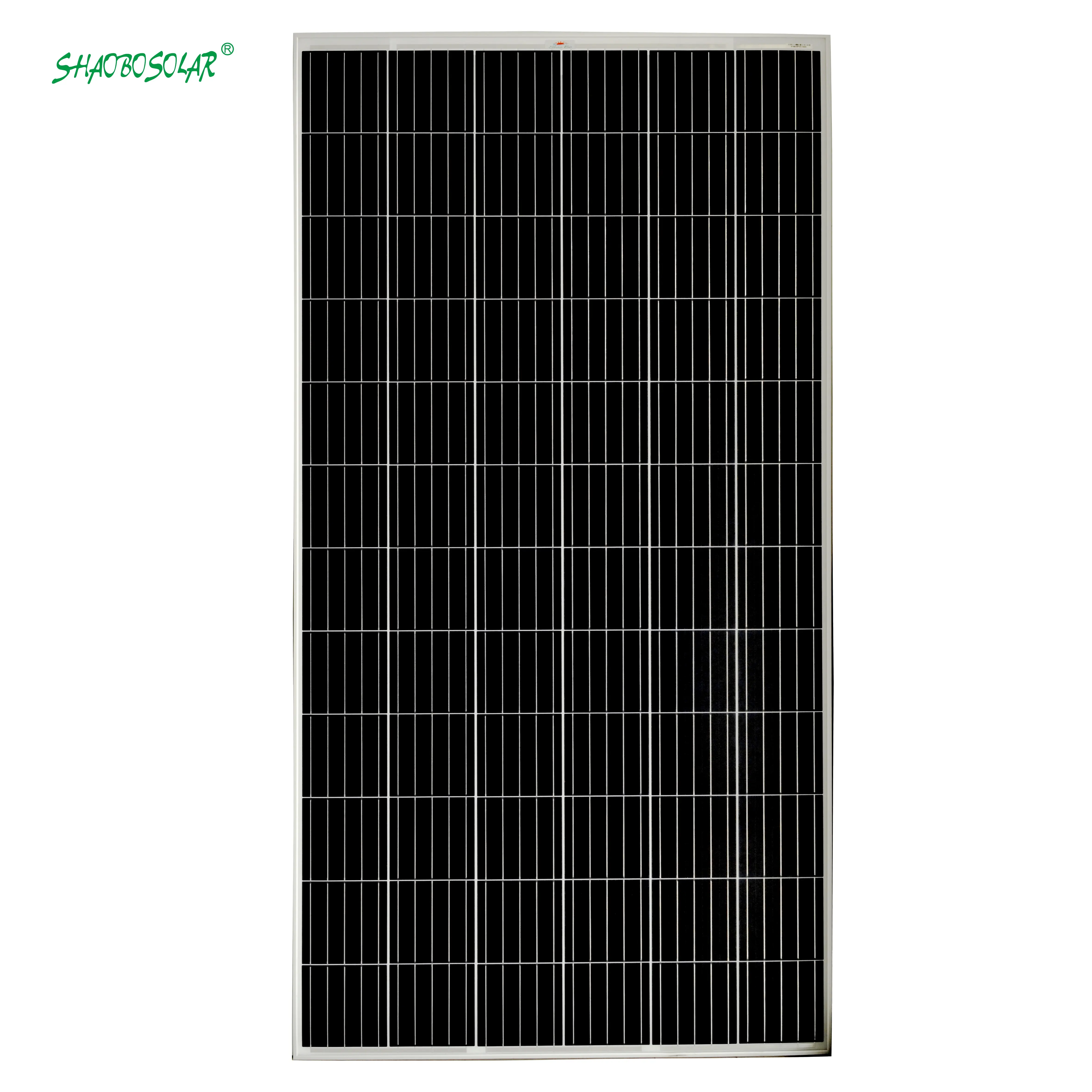
In the early 2010s, the market was dominated by low-efficiency polycrystalline solar panel options, which were primarily used for basic off-grid lighting in the Amazon basin and rural highlands.

Between 2015 and 2020, a technical pivot occurred. The introduction of the mono solar panel brought higher conversion rates, allowing for more compact installations that could withstand the high-altitude UV intensity of the Andes.

Since 2021, the focus has shifted toward system integration. The transition from individual components to fully integrated smart systems has enabled better energy stability and the implementation of net-metering in urban areas.

Future Development Trends

Bifacial Module Adoption

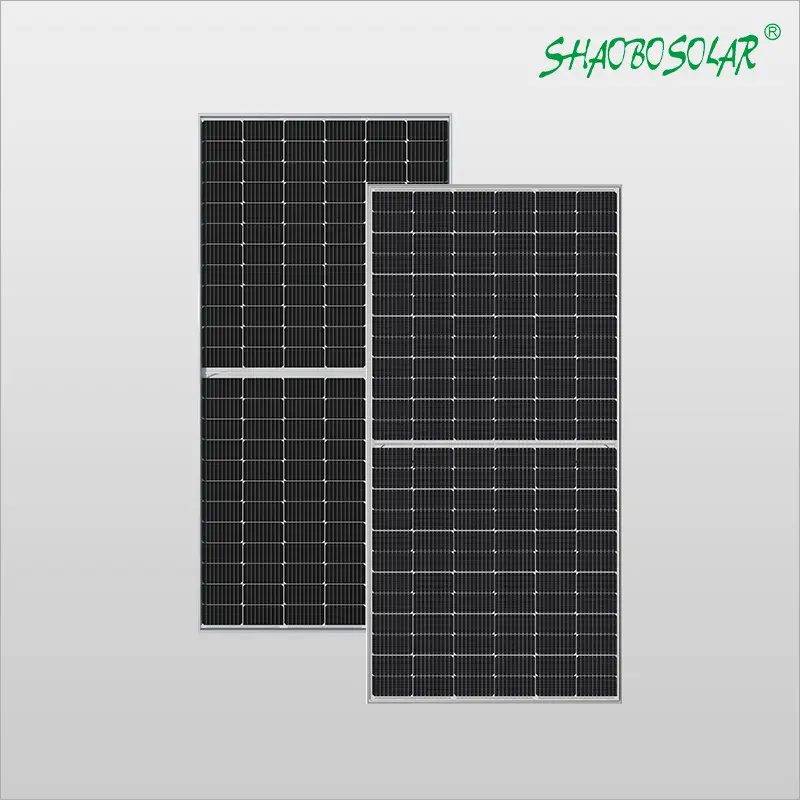
Given the high albedo effect of the salt flats (Salar de Uyuni), bifacial modules are expected to dominate, capturing sunlight from both sides to increase total energy yield.

Hybrid Storage Integration

The trend is moving toward combining LiFePO4 batteries with solar arrays to provide 24/7 stability for critical infrastructure in remote mining sites.

Micro-Grid Proliferation

Small-scale community grids will replace individual setups, allowing villages to share energy resources and reduce the cost per kilowatt-hour.

Industry Outlook and Future Projections

Strategic foresight for the Bolivian solar manufacturing and installation sector.

N-Type Cell Dominance
Shift toward N-Type TOPCon cells to reduce degradation caused by the extreme temperature swings in the Altiplano.
IoT Energy Management
Integration of cloud-based monitoring to optimize energy consumption in remote agricultural hubs.
Agrivoltaic Systems
Combining solar panels with crop production to maximize land use efficiency in the valleys.
Lithium Synergy
Leveraging Bolivia's lithium reserves to produce localized, lower-cost storage for solar systems.

Industry Outlook

Over the next 3-5 years, search trends indicate a surge in "off-grid autonomy" and "solar cost-benefit" queries within the South American market. This suggests a transition from government-subsidized projects to privately funded residential installations.

We expect a compound annual growth rate (CAGR) increase as technical barriers drop and the efficiency of PERC and TOPCon technologies becomes widely accessible to the Bolivian middle class.

Local Application Scenarios in Bolivia

Tailored solar solutions for the diverse Bolivian geography.

1. Altiplano Off-Grid Housing

Deploying high-altitude resistant solar systems for remote homes in Potosí and Oruro, providing reliable electricity for lighting and heating.

2. Tropical Agriculture in Santa Cruz

Utilizing large-scale arrays to power automated irrigation and refrigeration systems for soy and sugarcane plantations.

3. Urban Residential Rooftops in La Paz

Optimizing limited space with high-efficiency modules to reduce dependence on the urban grid during peak hours.

4. Mining Site Power Support

Implementing modular solar farms to provide auxiliary power for exploration and extraction equipment in remote mineral zones.

5. Community Healthcare Clinics

Ensuring vaccine refrigeration and emergency lighting in rural clinics via stable, standalone solar power plants.

Brand Story

Global Development Journey of Hebei Shaobo Solar Technology Co., Ltd.

Foundational Innovation

Established with a mission to solve the energy gap, focusing on the manufacturing of durable, high-performance photovoltaic cells.

Global Expansion

Expanding our reach into South America, adapting our products to withstand extreme environments from deserts to mountains.

R&D Breakthroughs

Investing in N-type technology to ensure our clients receive the highest possible energy conversion rates in low-light conditions.

Sustainable Partnerships

Collaborating with local installers in Bolivia to provide end-to-end solar solutions, from manufacturing to maintenance.

Future Energy Vision

Striving to become the world leader in accessible green energy, eliminating energy poverty through technological excellence.

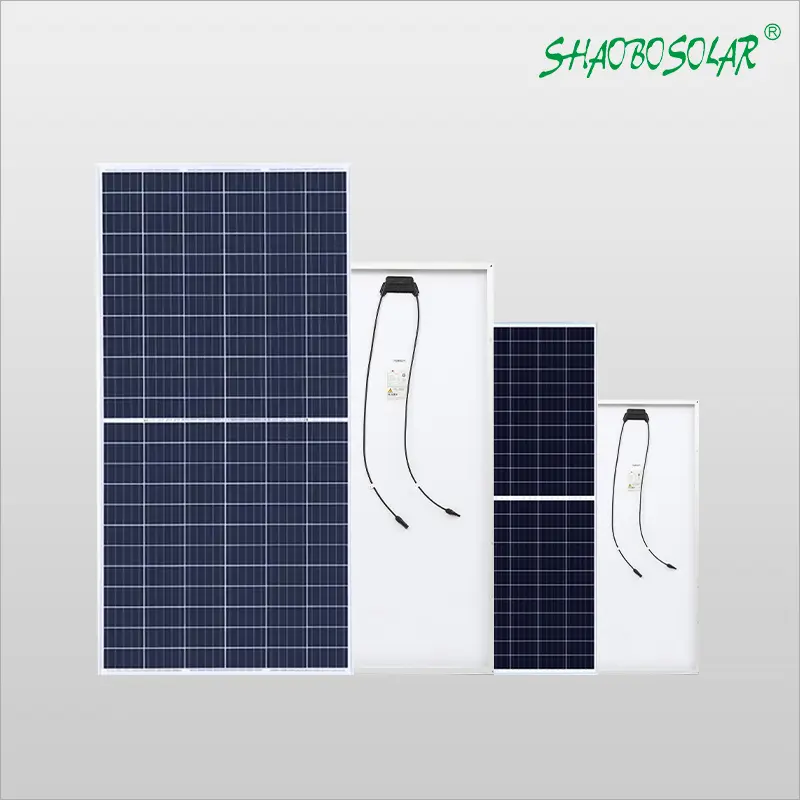
Complete Solar Product Portfolio for Bolivia

From residential kits to industrial-grade power plants.

Common Questions about Solar Energy in Bolivia

Expert answers to help you transition to clean energy.

Which is better for Bolivia: monocrystalline or polycrystalline panels?

For most Bolivian users, monocrystalline solar panels are superior due to their higher efficiency and better performance in the varied temperature ranges of the Altiplano.

How do I choose the right house solar power system for a remote home?

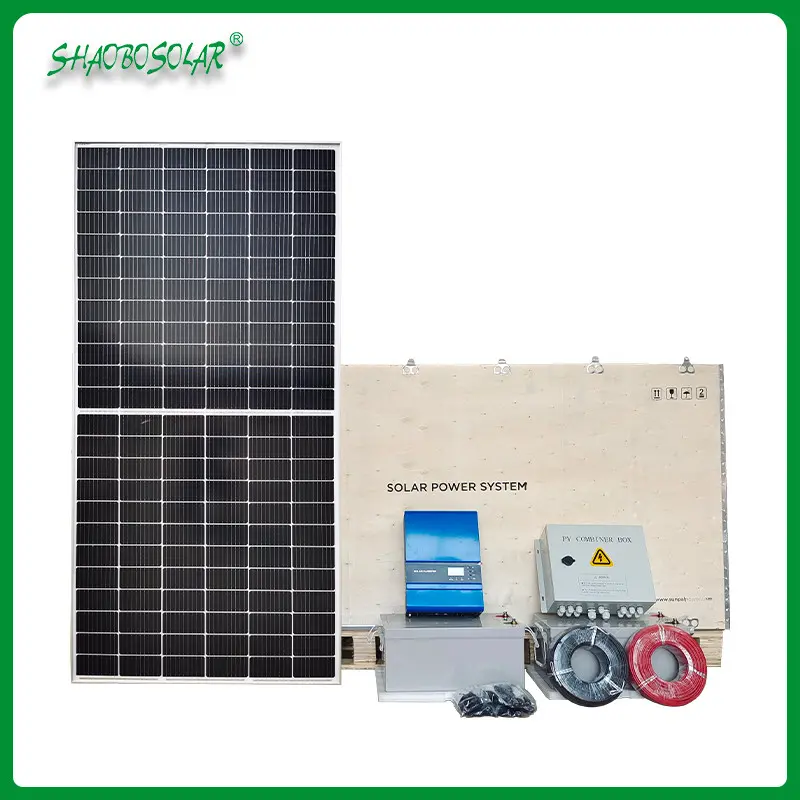
You should calculate your total daily Watt-hour consumption and choose a system with adequate battery storage to cover non-sunny days, ensuring a stable house solar power system configuration.

Can mono solar panels handle the high UV levels in La Paz?

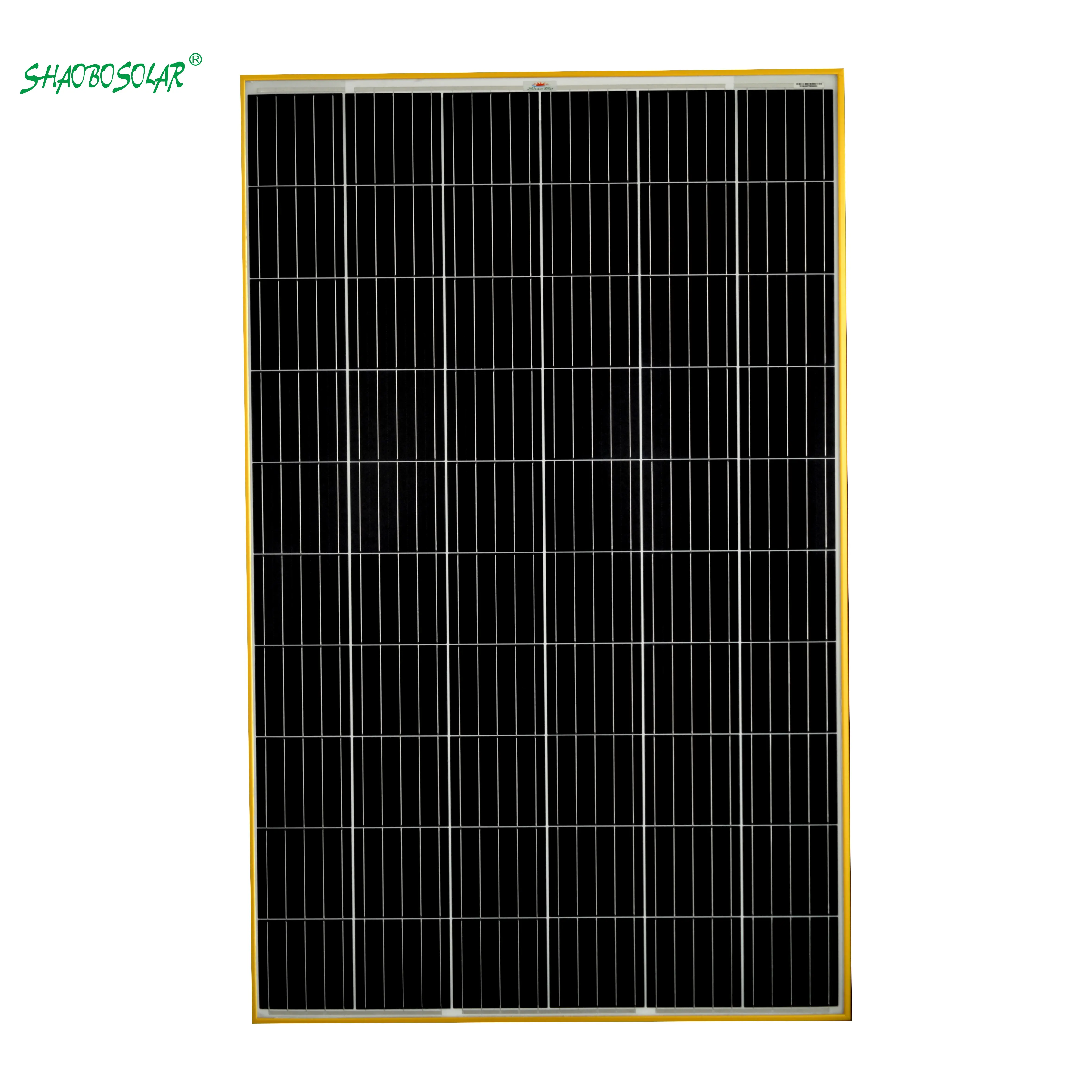
Yes, a high-quality mono solar panel is designed with tempered glass and EVA encapsulation to resist UV degradation and extreme weather.

Are polycrystalline solar panels still viable for large farms?

While less efficient, a polycrystalline solar panel can be cost-effective for very large installations where space is not a constraint, such as extensive cattle farms.

How long is the typical lifespan of solar panels in the Andean climate?

Most Tier-1 solar panels come with a 25-year linear power warranty, though performance may vary based on maintenance and dust accumulation.

What maintenance is required for solar systems in dusty regions of Bolivia?

Regular cleaning of the panel surface is essential to remove dust and debris, which can otherwise create "hot spots" and reduce the efficiency of your solar array.

Ready to Power Your Future?

Contact our technical experts today for a customized energy audit and installation plan specifically designed for the unique needs of Bolivia.

Contact Us Now

If you are interested in our products, you can choose to leave your information here, and we will be in touch with you shortly.