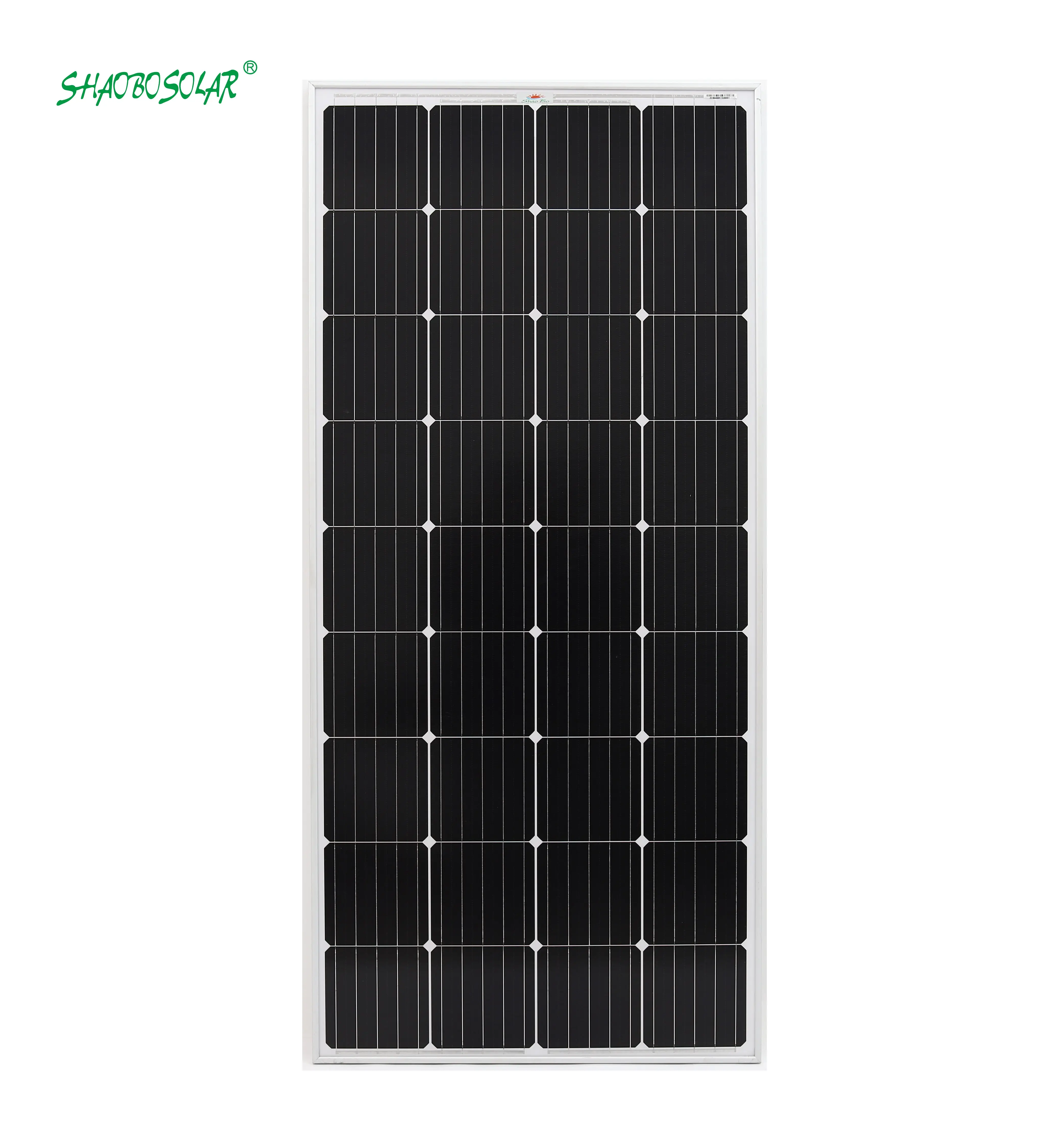
Equatorial Guinea Sustainable House Solar Power System Solutions

Equatorial Guinea Sustainable House Solar Power System Solutions

Equatorial Guinea Sustainable House Solar Power System Solutions

Empowering Equatorial Guinea with high-efficiency solar panels tailored for tropical climates and remote energy independence.

Equatorial Guinea Sustainable House Solar Power System Solutions

Providing cutting-edge house solar power system integrations to ensure stable electricity across Malabo and Bata, optimizing energy capture in the Gulf of Guinea.

Solar Energy Landscape in Equatorial Guinea

Analyzing the adoption of photovoltaic technology in Central Africa's unique environment.

Equatorial Guinea faces a dual challenge of high humidity and intense tropical rainfall, which significantly affects the deployment of polycrystalline solar panel installations. While the nation possesses significant oil wealth, the decentralization of power in rural areas has created a surging demand for off-grid energy autonomy.

Currently, the market is shifting from basic lighting kits to comprehensive solar panels systems. The high salt-mist environment of coastal cities like Malabo requires specialized corrosion-resistant frames and high-transmittance glass to maintain efficiency over time.

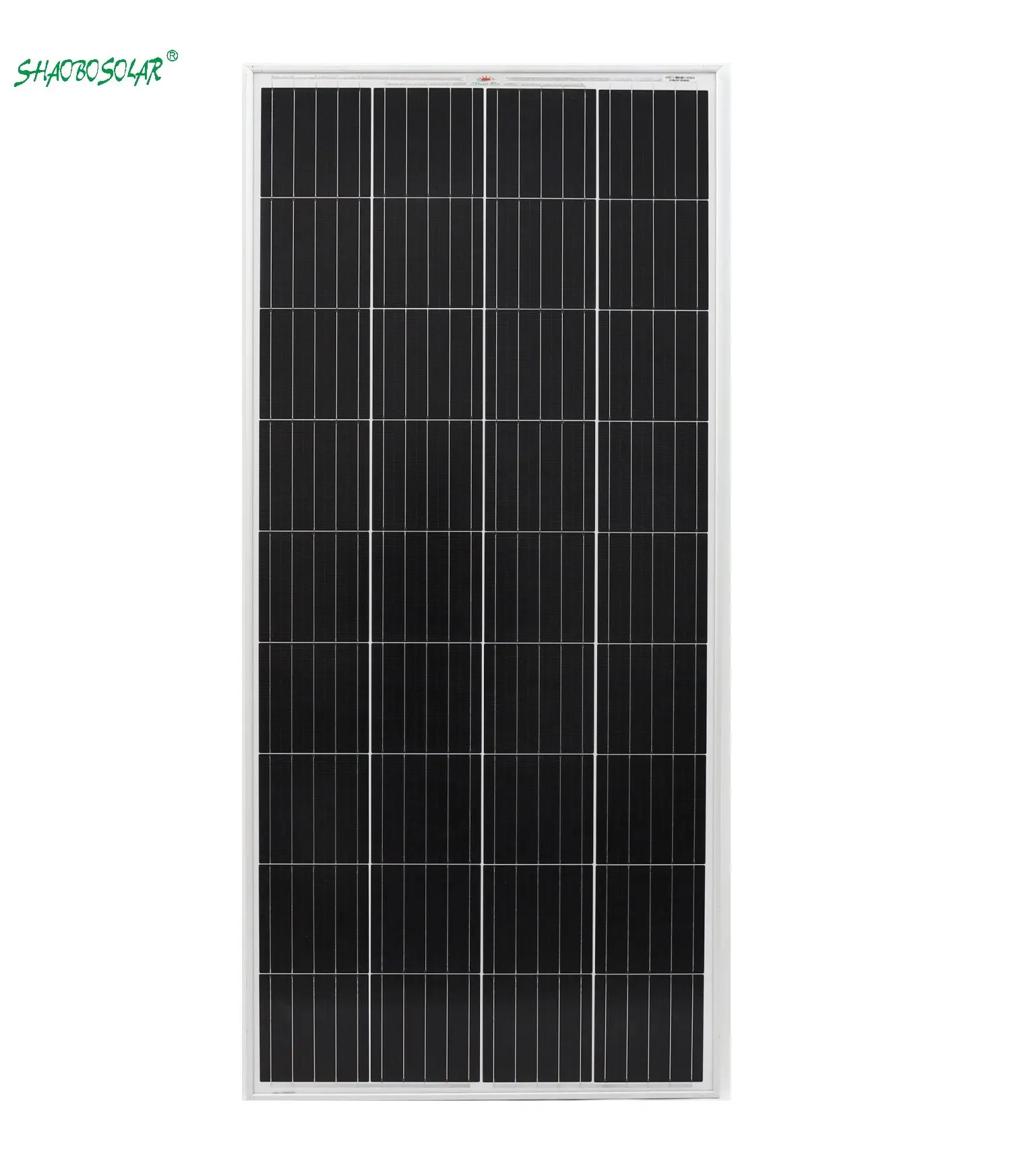
The economic trajectory shows a transition toward industrial-grade reliability. Businesses and residential complexes are now prioritizing monocrystalline solar panels due to their superior performance in limited space and better efficiency during the cloudy periods typical of the equatorial rainforest climate.
Evolution of Photovoltaic Technology in Equatorial Guinea

From basic electrification to smart energy management systems.

Market Development History

Between 2010 and 2015, the region primarily utilized low-wattage polycrystalline solar panel units for basic street lighting and small-scale rural electrification, focusing on affordability over peak efficiency.

From 2016 to 2021, there was a noticeable pivot toward high-efficiency mono solar panel technology. The introduction of PERC (Passivated Emitter and Rear Cell) technology allowed for better low-light performance, crucial for the region's frequent cloud cover.

Since 2022, the focus has shifted to integrated house solar power system solutions that include lithium-ion storage, replacing outdated lead-acid batteries to handle the deep discharge cycles required in tropical heat.

Future Development Trends

Bifacial Module Adoption

Increasing use of double-sided energy capture to leverage the high albedo of sandy coastal soils in Equatorial Guinea.

N-Type TOPCon Technology

Transitioning toward N-type cells to reduce LID (Light Induced Degradation) and improve temperature coefficients in extreme heat.

Smart Micro-Grid Integration

Movement toward community-based solar hubs that allow energy sharing between neighboring residential units.

Industry Trends and Future Outlook

Strategic forecasting for the solar manufacturing and installation sector.

High-Temp Efficiency Optimization
Developing cells with lower temperature coefficients to prevent power drop during Equatorial Guinea's peak summer heat.
Anti-Corrosion Engineering
Implementing advanced anodization for aluminum frames to withstand high salinity in coastal Malabo environments.
Hybrid Energy Storage
Combining solar with small-scale wind or hydro to ensure 24/7 power during the rainy season.
AI-Driven Load Management
Using smart inverters to prioritize critical loads (refrigeration, medical) during low-sun periods.

Industry Outlook

Based on Google search trends in Central Africa, there is a sharp increase in queries for "off-grid energy independence" and "efficient monocrystalline solar panels". This indicates a market maturity where consumers are moving away from cheap, short-lived products toward long-term investments.

The next 3-5 years will likely see the rise of "Solar-as-a-Service" models in Equatorial Guinea, where leasing options for high-end solar panels will lower the entry barrier for middle-class households.

Localized Solar Applications in Equatorial Guinea

Real-world implementation strategies for diverse environmental conditions.

1. Coastal Residential Power Hubs

Deploying high-salinity resistant monocrystalline solar panels for villas in Malabo to reduce dependence on unstable city grids.

2. Remote Rainforest Clinics

Installing robust mono solar panel arrays with deep-cycle storage to power essential vaccines refrigeration in remote jungle regions.

3. Agricultural Irrigation Systems

Utilizing cost-effective polycrystalline solar panel setups to drive water pumps for cocoa and coffee plantations.

4. Urban Commercial Rooftops

Integrating large-scale house solar power system logic into business complexes in Bata to lower operational electricity costs.

5. Off-Grid Telecom Towers

Providing high-reliability solar panels for cellular base stations to ensure continuous connectivity across the mainland.

Brand Story

Global Development Journey of Hebei Shaobo Solar Technology Co., Ltd.

Technical Foundation

Founded on the principle of engineering excellence, we began by solving the core degradation issues in solar cell manufacturing.

Global Market Expansion

We expanded our reach to Africa, recognizing the unique need for durable hardware in tropical and humid environments.

Innovation in Efficiency

Developed proprietary coating technologies to protect panels against salt-mist and high-humidity erosion.

Sustainable Partnership

Established long-term supply chains in Central Africa to ensure rapid deployment and local technical support.

Vision for 2030

Aiming to be the leading provider of integrated solar solutions for the most challenging climates on Earth.

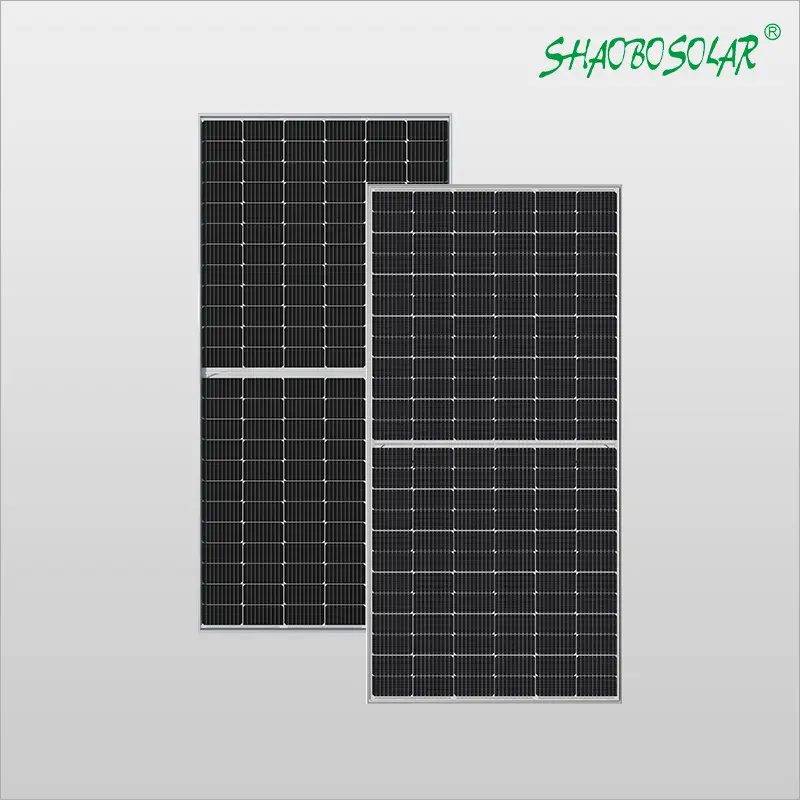
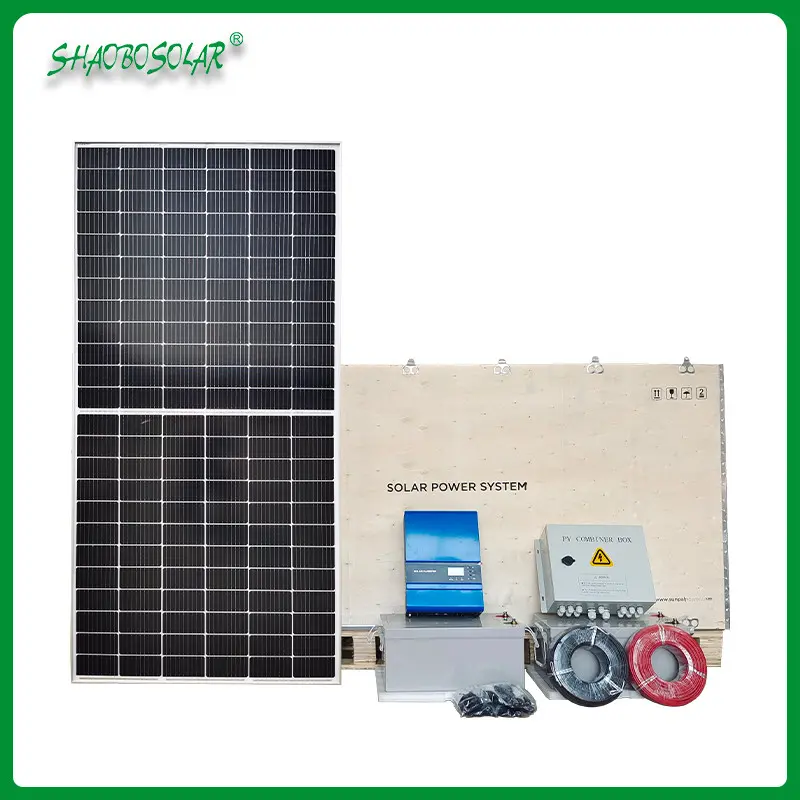
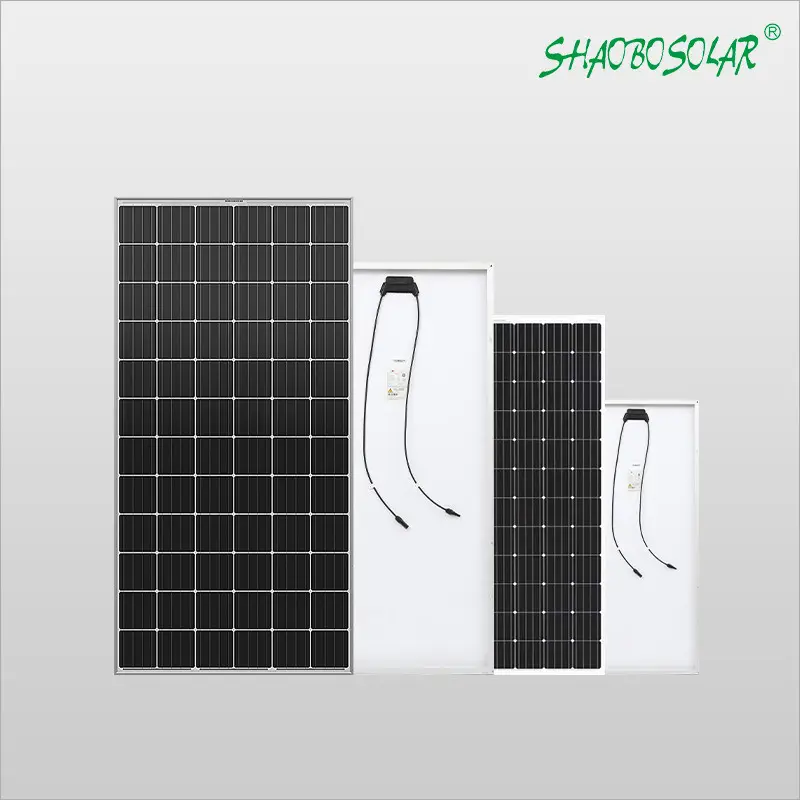
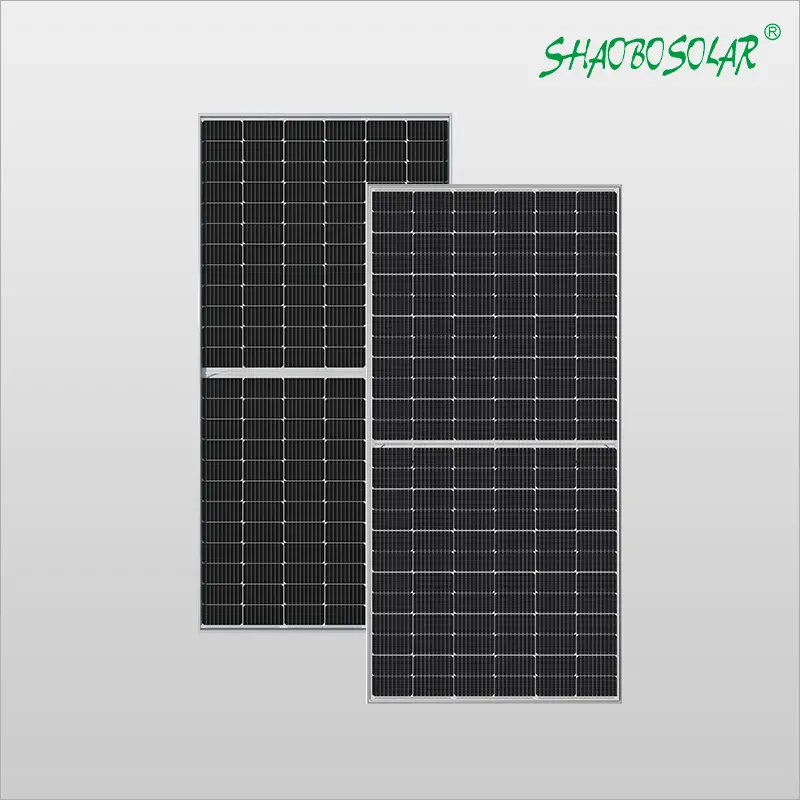
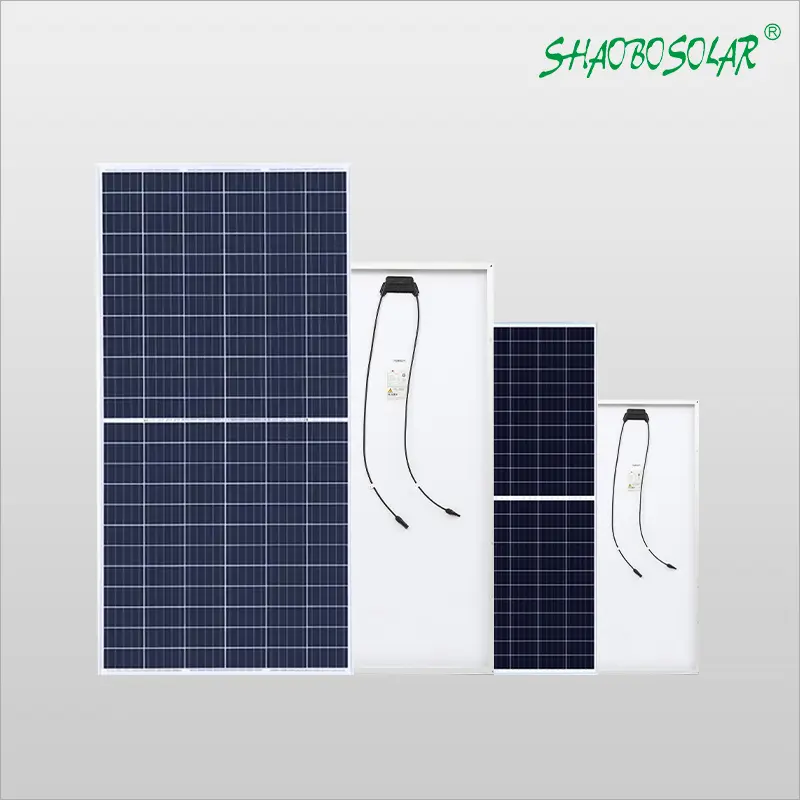
Complete Solar Product Portfolio for Equatorial Guinea

From individual modules to fully integrated turnkey energy systems.

Common Solar Energy Questions in Equatorial Guinea

Expert answers to local technical and installation queries.

Which is better for Malabo's climate: monocrystalline solar panels or polycrystalline?

Monocrystalline panels are generally better for Malabo due to their higher efficiency in limited spaces and better performance during the frequent cloud cover associated with the equatorial climate.

How does a house solar power system handle the heavy rainy season?

A well-designed system utilizes oversized battery storage and high-efficiency mono solar panel modules to capture maximum energy during short sunny intervals, ensuring power continuity during rains.

Are polycrystalline solar panel units still viable for agricultural use in Bata?

Yes, they remain a cost-effective choice for large-area agricultural applications where space is not a constraint and budget is a primary consideration.

What is the expected lifespan of solar panels in high-humidity tropical areas?

With high-grade IP68 ratings and corrosion-resistant frames, professional solar panels typically last 20-25 years, though regular cleaning is required to remove tropical organic buildup.

Can I expand my existing mono solar panel setup later?

Yes, as long as the inverter is sized for future growth. Using a modular house solar power system approach allows you to add more panels and batteries as your energy needs increase.

How do I protect my solar installation from coastal salt corrosion?

We recommend using panels with certified salt-mist resistance and ensuring all mounting hardware is made of stainless steel or high-grade anodized aluminum.

Ready to Energize Your Future?

Get professional solar consultations and high-efficiency hardware delivery tailored for Equatorial Guinea.

Contact Us Now

If you are interested in our products, you can choose to leave your information here, and we will be in touch with you shortly.