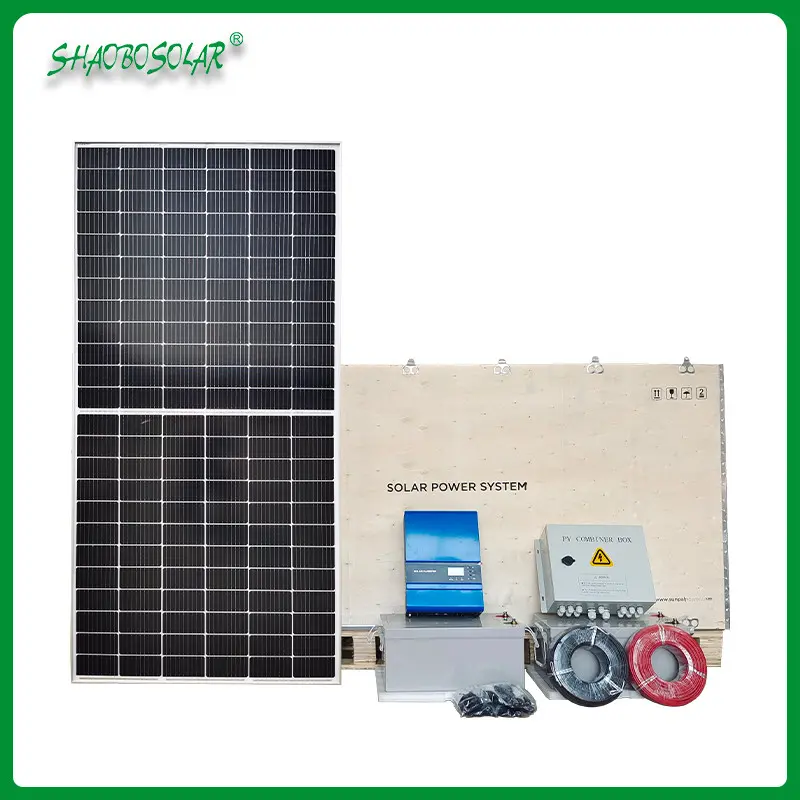
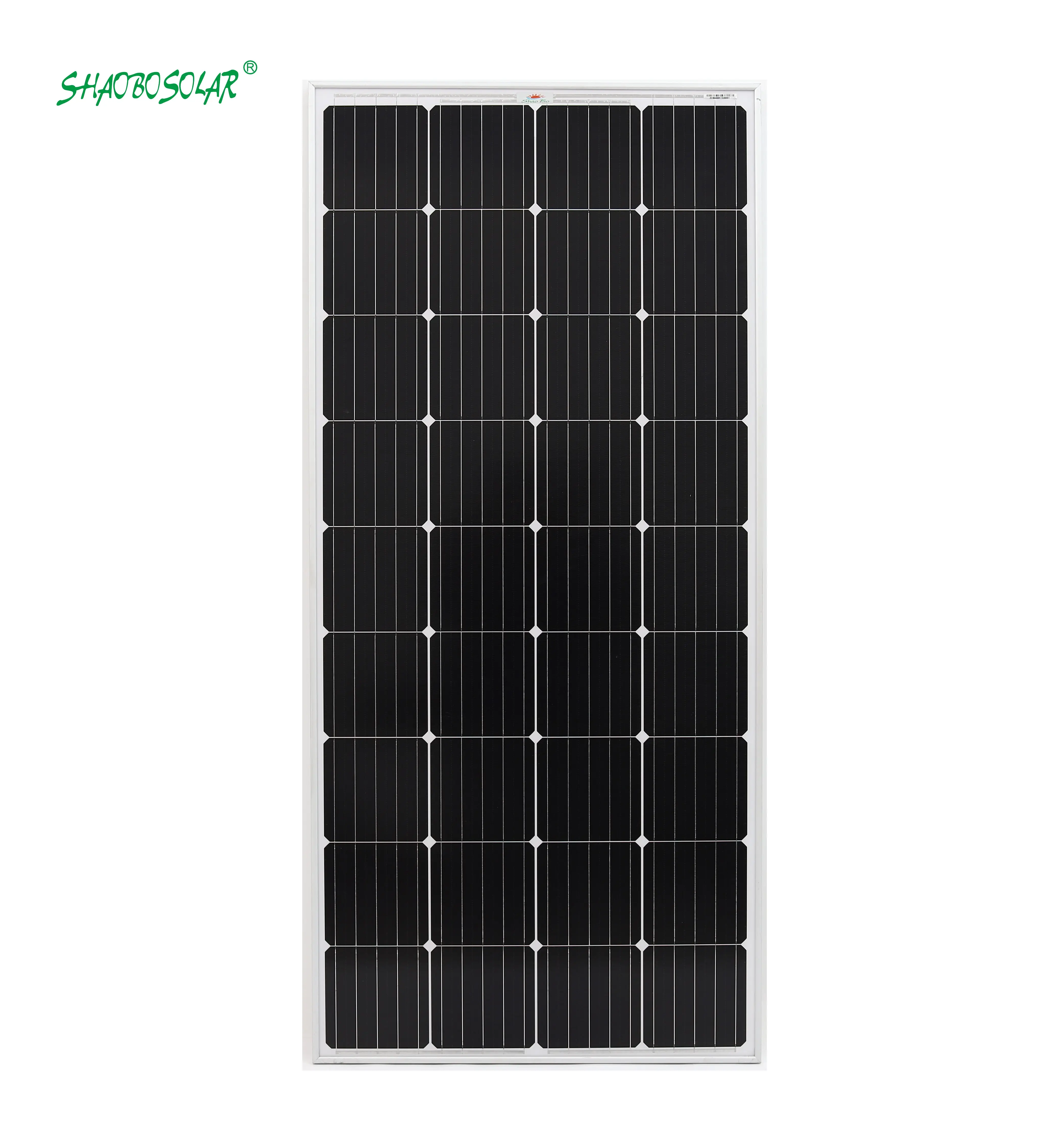
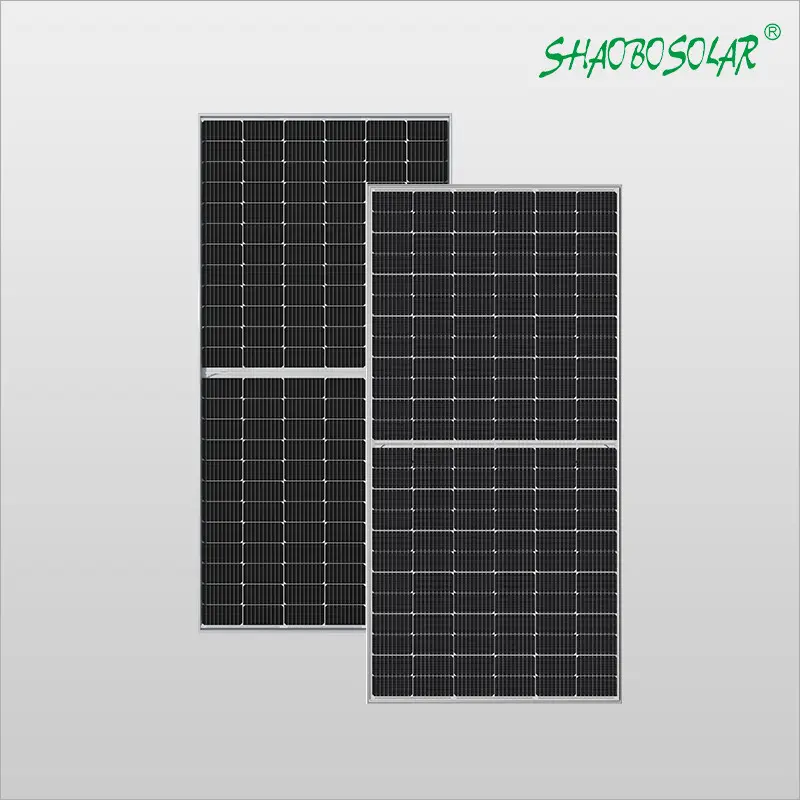
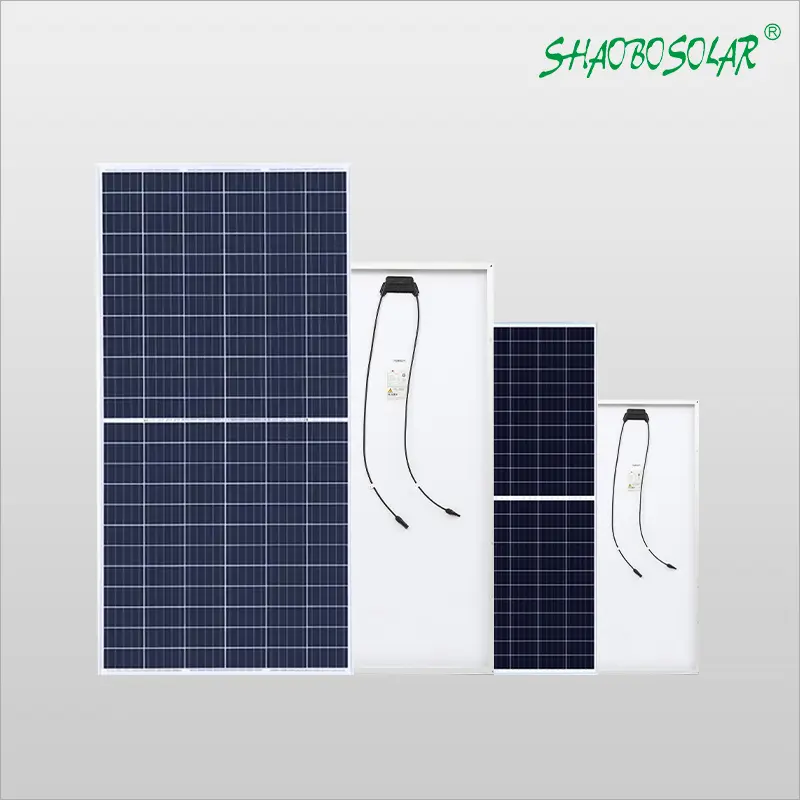
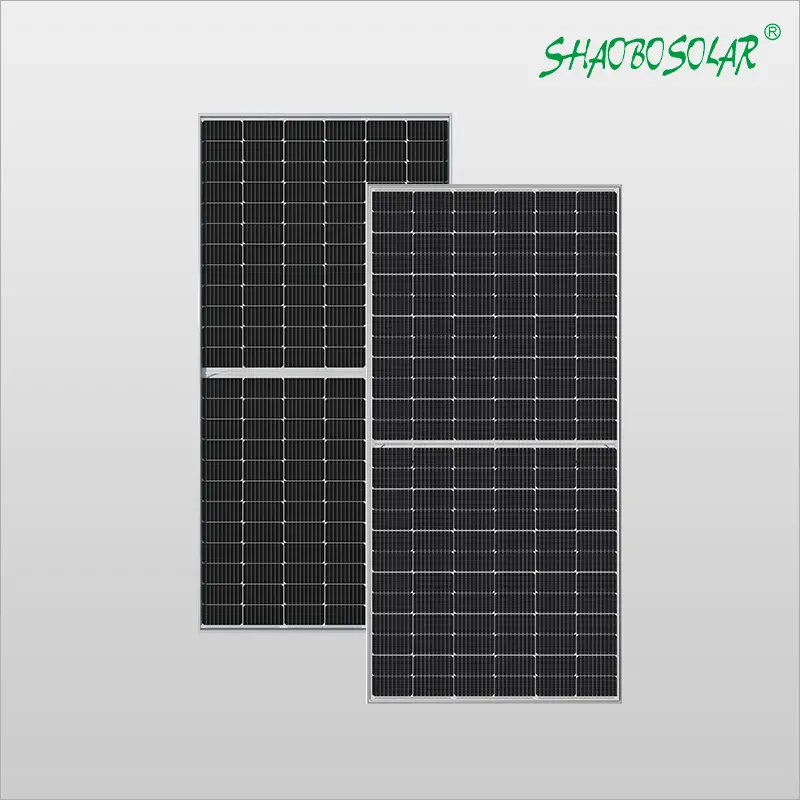
Advanced monocrystalline solar panels Solutions for Cambodia

Advanced monocrystalline solar panels Solutions for Cambodia

Advanced monocrystalline solar panels Solutions for Cambodia

Driving Cambodia's energy transition with high-efficiency photovoltaic technology tailored for tropical climates and urban infrastructure.

Advanced monocrystalline solar panels Solutions for Cambodia

Providing cutting-edge solar energy systems designed to maximize power yield under the intense Cambodian sun, ensuring sustainable energy for residential and industrial sectors.

Solar Energy Landscape in Cambodia

Analyzing the current adoption and environmental drivers of photovoltaic technology in the Kingdom of Cambodia.

Cambodia possesses immense solar potential due to its tropical location, receiving high levels of irradiance year-round. Currently, the market is seeing a rapid shift toward solar panels to combat unstable grid power in rural provinces and reduce high electricity costs in urban centers like Phnom Penh.

The economic growth of the manufacturing sector in Cambodia has increased the demand for reliable power. This has led to a surge in the installation of house solar power system setups, as homeowners seek energy independence and a way to mitigate the impact of seasonal power outages during the monsoon season.

Despite the growth, the market faces challenges such as high initial investment costs and the need for equipment that can withstand extreme humidity. Consequently, there is a growing preference for high-durability mono solar panel technology which offers better performance in limited space and high-heat environments.
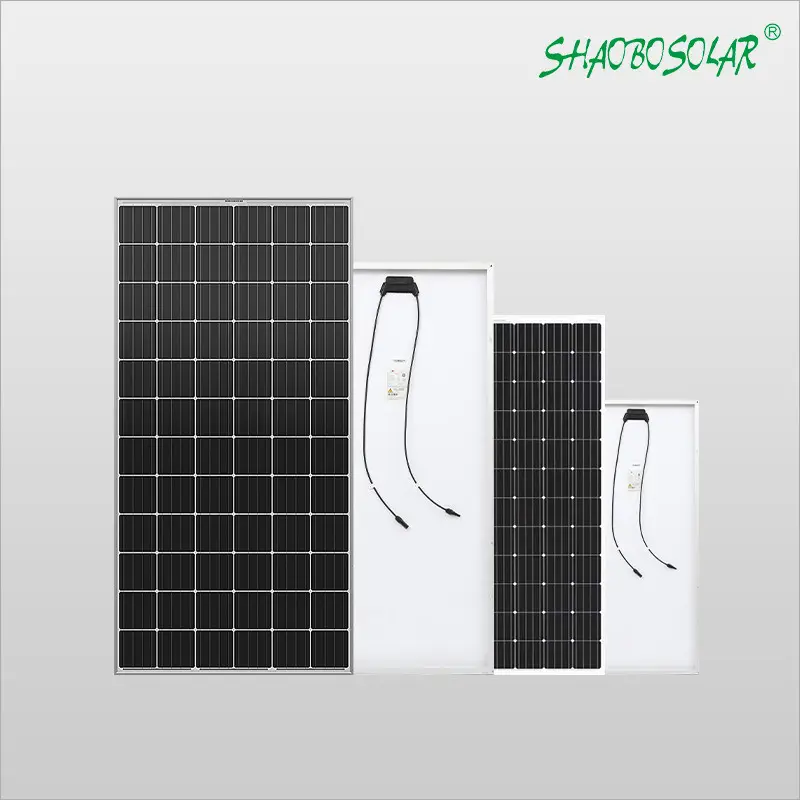
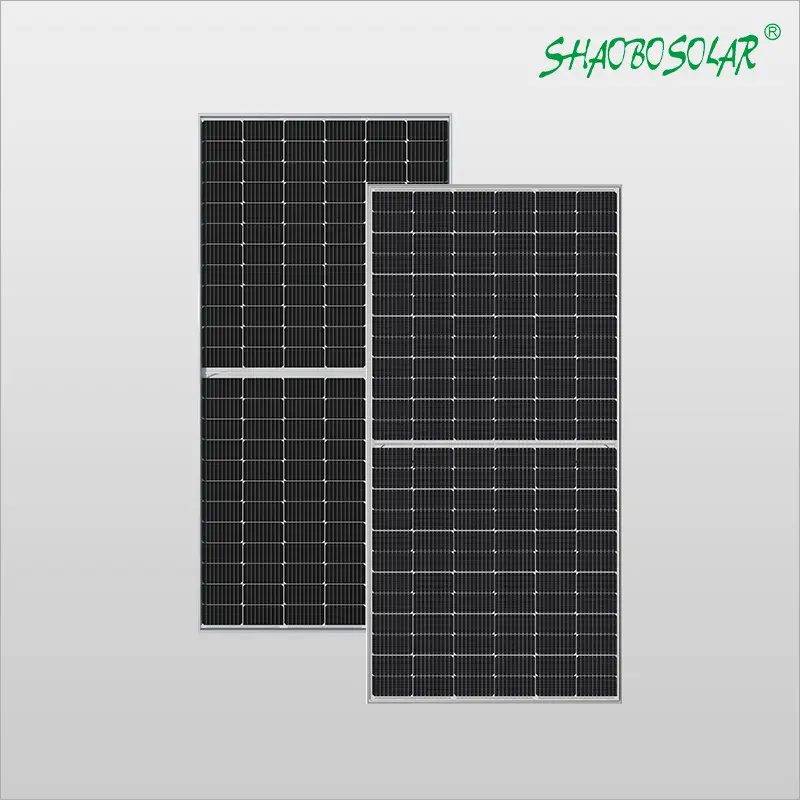
Evolution and Technical Trajectory of Solar Tech

From basic energy capture to intelligent energy management in the Cambodian market.

Market Development History

In the early 2010s, the Cambodian market was dominated by basic polycrystalline solar panel options, which were affordable but lacked efficiency. These were primarily used for remote lighting and small-scale agriculture in rural areas.

Around 2017-2020, a significant technical pivot occurred as the cost of monocrystalline silicon dropped. The industry moved toward higher wattage modules, allowing for more compact installations and better conversion rates during the hazy months of the rainy season.

From 2021 to the present, the focus has shifted toward integrated systems. The rise of hybrid inverters and lithium storage has transformed a simple panel array into a comprehensive house solar power system capable of full autonomy.

Future Development Trends

TOPCon and HJT Cell Integration

The next 3 years will see the dominance of Tunnel Oxide Passivated Contact (TOPCon) cells, further increasing the efficiency of mono-crystalline modules beyond 22%.

Bifacial Module Adoption

Increased use of bifacial panels to capture reflected light from sandy or light-colored rooftops, maximizing yield in Cambodia's high-albedo environments.

AI-Driven Energy Optimization

Integration of smart AI software to predict weather patterns and optimize battery discharge cycles for residential and commercial users.

Industry Trends & Future Outlook

Strategic foresight into the photovoltaic evolution within Southeast Asia's emerging markets.

Efficiency Maximization
Shift towards N-type cells to reduce degradation and increase performance in Cambodia's heat.
Storage Integration
Widespread adoption of LiFePO4 batteries to ensure 24/7 power stability.
Grid-Tied Evolution
Development of net-metering policies to allow users to sell excess power back to the grid.
Sustainable Materials
Focus on recyclable components and lead-free soldering for eco-friendly deployment.

Industry Outlook

Based on regional search trends, there is a growing interest in "zero-electricity bill" configurations. The market is moving away from standalone components toward holistic energy ecosystems that combine generation, storage, and smart distribution.

We anticipate that within 5 years, the integration of solar-powered water pumping and irrigation will become the standard for Cambodia's agricultural heartlands, driven by the increased efficiency of monocrystalline solar panels.

Localized Solar Applications in Cambodia

Practical implementations of PV technology across diverse Cambodian sectors.

01. Residential Urban Housing

Deployment of compact mono solar panel arrays on rooftop terraces in Phnom Penh to power air conditioning and lighting during peak daylight hours.

02. Rural Off-Grid Electrification

Installation of standalone solar panels combined with battery banks to provide essential electricity to remote villages in Mondulkiri.

03. Industrial Manufacturing Plants

Large-scale rooftop installations using high-efficiency modules to reduce operational overhead for garment factories and electronics assembly plants.

04. Agricultural Solar Irrigation

Utilization of robust PV systems to power water pumps for rice paddies, reducing reliance on expensive and polluting diesel generators.

05. Commercial Hospitality Hubs

Implementing sustainable energy systems for boutique hotels and resorts in Siem Reap to attract eco-conscious tourists and lower utility costs.

Brand Story

Global Development Journey of Hebei Shaobo Photovoltaic Technology Co., Ltd.

Foundational Innovation

Started with a mission to solve the efficiency gap in solar cells, focusing on high-purity silicon processing.

Quality Standardization

Established rigorous ISO-certified manufacturing lines to ensure every panel exceeds international durability standards.

Global Market Expansion

Expanded operations into Southeast Asia, tailoring product specifications to withstand tropical humidity and heat.

Sustainable Integration

Pioneered the "Total Solar Solution" approach, integrating panels with intelligent storage and monitoring systems.

Future Energy Vision

Committed to empowering emerging economies like Cambodia with affordable, high-performance clean energy.

Comprehensive Solar Portfolio for Cambodia

A curated selection of high-performance photovoltaic equipment for every energy need.

Cambodia Solar FAQ

Answers to the most common technical and commercial questions regarding solar energy in Cambodia.

Which is better for Cambodia: monocrystalline or polycrystalline solar panels?

For most Cambodian users, monocrystalline panels are superior because they offer higher efficiency and better performance in high-temperature environments, making them ideal for limited roof space.

How long does a typical house solar power system last in tropical climates?

High-quality systems typically have a lifespan of 25 years for the panels, though inverters and batteries may need replacement or servicing every 5 to 10 years.

Can mono solar panel systems work during the rainy season in Cambodia?

Yes, they still generate power, although efficiency drops during heavy cloud cover. Using a hybrid system with battery storage ensures a steady power supply during storms.

What is the maintenance requirement for solar panels in dusty environments?

Regular cleaning of the panel surface is recommended every 2-3 months to remove dust and debris, which can otherwise block sunlight and reduce energy output.

Are polycrystalline solar panel options still viable for large farms?

Yes, if space is not a constraint, polycrystalline panels can be a cost-effective solution for large-scale agricultural pumping systems where budget is the primary driver.

How do I choose the right capacity for my home solar system?

Capacity should be based on your average monthly kWh consumption and the number of high-load appliances (like AC units) you plan to run during the day.

Ready to Switch to Clean Energy?

Our experts are ready to design the perfect solar solution for your needs in Cambodia. Get a professional consultation today.

Contact Us Now

If you are interested in our products, you can choose to leave your information here, and we will be in touch with you shortly.